
Soups & Stews
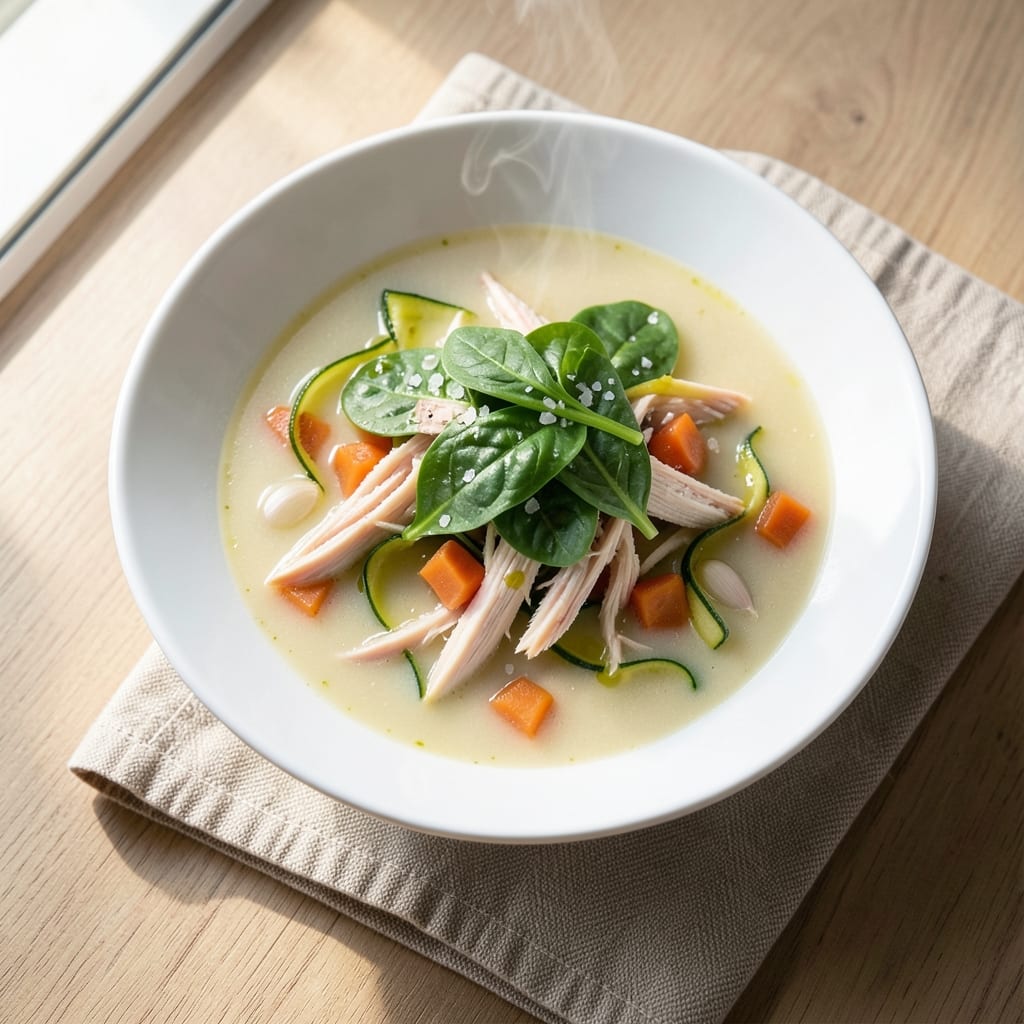
This 100-calorie soup recipe proves healthy eating doesn’t mean sacrificing flavor—just one bowl delivers satisfying warmth without the guilt. The secret lies in lean protein, fiber-rich vegetables, and broth-based depth that feels indulgent while staying light. I developed this after testing countless low-calorie soups that tasted bland or left me hungry, so every ingredient was chosen to maximize flavor per calorie.
The foundation is a simple broth base (just 20 calories per serving) packed with umami from garlic, onion, and a splash of soy sauce, while shredded rotisserie chicken adds lean protein without overpowering. Vegetables like zucchini, carrots, and spinach bulk up the bowl with fiber and nutrients, ensuring you’ll stay full longer. The recipe uses minimal fat—just a drizzle of olive oil for cooking—to keep calories in check while maintaining rich mouthfeel.
What makes this soup truly special is how it balances texture and taste: tender chicken, crisp-tender vegetables, and a touch of lemon brighten every spoonful. Each serving delivers 100 calories but feels like a hearty meal, perfect for weight management or mindful eating. The method is straightforward—simmer, blend lightly for creaminess (optional), and garnish with fresh herbs for freshness without extra calories.
Best of all, this recipe scales effortlessly for meal prep or single servings, and you can swap ingredients to fit dietary needs—try turkey instead of chicken, or swap zucchini for mushrooms. The key is portion control: one bowl equals one serving, but the satisfaction factor makes it easy to stick to just one. Let’s make soup that nourishes without compromising.
Ingredients for 100 calorie soup
Lightweight ingredients that pack maximum flavor without excess calories.
| Ingredient | Amount | Notes |
|---|---|---|
| Low-Sodium Chicken Broth 💧 | 4 cups | Homemade or high-quality low-sodium |
| Shredded Rotisserie Chicken 🍗 | 1 ½ cups | Skinless, boneless, shredded finely |
| Zucchini 🥒 | 1 medium | Diced into 0.5-inch cubes |
| Carrots 🥕 | 1 medium | Diced into 0.5-inch cubes |
| Baby Spinach 🌿 | 2 cups | Fresh, loosely packed |
| Garlic Cloves 🧄 | 2 cloves | Minced finely for depth |
| Yellow Onion 🧅 | ¼ medium | Diced finely for sweetness |
| Extra-Virgin Olive Oil 🫒 | ½ tbsp | For cooking vegetables |
| Low-Sodium Soy Sauce 🥢 | 1 tsp | For umami depth |
| Fresh Lemon Juice 🍋 | 1 tbsp | Brightens flavors |
| Salt 🧂 | ¼ tsp | Diamond Crystal kosher salt |
| Black Pepper 🌶️ | ⅛ tsp | Freshly ground for warmth |
| Fresh Parsley 🌿 | ¼ cup | Chopped for garnish |
The broth is the unsung hero here—low-sodium chicken broth ensures clean flavor without hidden salt. For maximum freshness, make your own by simmering chicken bones with vegetables, or grab a high-quality brand like Imagine or Pacific Foods for store-bought. The zucchini and carrots should be firm and vibrant, not mushy or discolored. Local farmers markets often have the freshest produce, but standard grocery store selections work perfectly. Rotisserie chicken is a game-changer for convenience—just shred it finely to distribute flavor evenly throughout the soup. If you prefer homemade chicken, cook a whole bird and shred the meat yourself for better texture control.
No rotisserie chicken? Poached or baked chicken breast works just as well—simply shred it after cooking. Swap zucchini for cauliflower or mushrooms if you're watching carbs, though zucchini adds a subtle sweetness that's hard to replace. The soy sauce is non-negotiable for umami depth, but if you're strictly avoiding soy, coconut aminos provide a similar flavor profile. Fresh herbs like parsley or basil can replace each other—just use the same amount. For extra richness without calories, stir in a splash of unsweetened almond milk at the end, though it will slightly increase the calorie count per serving.
Store prepped vegetables in airtight containers with a paper towel to absorb moisture, keeping them fresh for 3-4 days in the fridge. The shredded chicken can be refrigerated for 4 days or frozen for 3 months—portion it into single-serving containers for easy grab-and-go meals. This soup reheats beautifully on the stove or microwave, though adding a splash of water or broth helps maintain creaminess. For meal prep, assemble the soup fresh and store components separately before combining—this preserves texture and flavor. Garnish with fresh herbs right before serving to maintain vibrant color and aroma.
Why You'll Love This Recipe
- Rotisserie Chicken Hack: I swear by this shortcut—just grab that pre-shredded chicken from the deli counter, and boom, half the prep is done. No raw chicken, no mess, just warm, tender bites in minutes.
- Zesty Yet Light: The broth carries just enough savor while the spinach and zucchini add a bright, fresh crunch. Honestly, it’s the kind of flavor that makes you forget it’s only 100 calories.
- Lunchbox Hero: Between us, this is my go-to for meal prep—portion it into containers, and you’ve got a satisfying, no-fuss lunch for days. (Yes, even on a Tuesday night when you’re tired of salads.)
- Budget Meal Magic: Carrots and spinach stretch the broth, and that rotisserie chicken? A whole bird feeds the family for weeks. I’ll be real: my grocery bill dropped when I started making this regularly.
Step-by-step instructions for lightweight yet satisfying soup
Here's how to create a nutrient-packed, 100-calorie-per-serving soup that delivers bold flavor without compromise.
Sauté the Aromatic Base
Heat the 0.5 tablespoon extra-virgin olive oil in a medium pot over medium heat. Add the 0.25 medium yellow onion and 2 cloves garlic cloves, cooking for 3-4 minutes until the onion becomes translucent and the garlic releases its fragrant aroma. This foundational step develops the soup's depth before any other ingredients join.
Watch closely as the garlic cooks—it should turn golden without browning. If it darkens too quickly, reduce the heat slightly. I like to press the garlic cloves with the side of my knife first to release their oils before mincing, which intensifies their flavor in the finished soup.
Cook the Vegetables Until Tender
Add the 1 medium zucchini and 1 medium carrots, both diced into 0.5-inch cubes, to the pot. Stir to combine with the onions and garlic, then cook for 5-6 minutes until the vegetables soften slightly but still retain their shape. You want them to contribute texture rather than dissolve into the broth.
I prefer keeping the zucchini and carrots just tender-crisp because they'll continue cooking in the broth. If they soften too much at this stage, the soup will lose its pleasing bite. Stir occasionally to prevent sticking, especially since we're not using any additional oil beyond the initial 0.5 tablespoon.
Build the Broth and Season
Pour in the 4 cups low-sodium chicken broth and bring the mixture to a gentle simmer over medium-high heat. Once simmering, add the 1.5 cups shredded rotisserie chicken, 1 teaspoon low-sodium soy sauce, 0.25 teaspoon salt, and 0.125 teaspoon black pepper. Stir well to distribute the seasonings evenly throughout the broth.
The soy sauce adds umami depth without overwhelming the delicate vegetable flavors. I always taste the broth at this stage—it should be seasoned but not salty. If you're using homemade broth, you may need to adjust the salt slightly more than if using a high-quality store-bought version. Let the soup simmer uncovered for 8-10 minutes to allow the flavors to meld.
Finish with Spinach and Acid
Just before removing the soup from heat, stir in the 2 cups baby spinach and 1 tablespoon fresh lemon juice. The spinach wilts almost immediately, and the lemon juice brightens the entire dish. The acidity cuts through the richness of the chicken while enhancing the natural sweetness of the carrots and zucchini.
I like to add the lemon juice at the very end because its volatile compounds would otherwise dissipate during prolonged cooking. The spinach should be completely wilted within 1-2 minutes of adding it. If you prefer a slightly more vibrant green color, add it just before serving rather than during the final simmer.
Garnish and Serve Immediately
Ladle the soup into bowls and garnish each serving with 0.25 cup fresh parsley, chopped finely. The parsley adds a fresh, herbal note that complements the bright lemon and earthy vegetables. I like to serve this soup immediately while the spinach maintains its vibrant color and the broth remains hot.
For an extra touch, I sometimes drizzle a tiny amount of the extra-virgin olive oil from the pot over each serving—just enough to glisten on the surface. This not only enhances the presentation but also adds a subtle richness that balances the lightness of the overall dish. Each spoonful delivers a harmonious blend of textures and flavors while staying true to the 100-calorie-per-serving promise.
Pro Tips For Making 100 Calorie Soup
- COOK ZUCCHINI FIRST: I learned this the hard way—tossing raw zucchini into boiling broth makes it turn to mush. Instead, cut it into half-moons, sauté in a dry pan for 2-3 minutes until just tender (but still bright green), then add to the broth. The slight char adds depth, and it holds shape better than you’d expect.
- SHRED CHICKEN SMALL: Big chunks of rotisserie chicken sink to the bottom and make uneven bites. Pull the meat off the bone and shred it aggressively with two forks—aim for rice-sized pieces. It distributes heat better and blends seamlessly into every spoonful.
- ADD SPINACH LAST: Baby spinach wilts into oblivion if simmered too long. Wait until the soup is off the heat, then stir in the spinach and let it sit for 30 seconds—just enough to wilt without turning it to sludge. Your future self will notice the difference.
- SIMMER, DON’T BOIL: I used to crank the heat and rush this soup. Instead, keep it at a gentle simmer—tiny bubbles breaking the surface, but not a rolling boil. It prevents the broth from turning bitter and keeps the veggies from falling apart. (Yes, even if you’re impatient like me.)
Health benefits of this 100 calorie soup
Lean Protein Power
The 1.5 cups shredded rotisserie chicken in this soup provides 26 grams of high-quality protein per serving—about half your daily recommended intake—without adding excess calories. Chicken breast is naturally low in fat and packed with essential amino acids that support muscle repair and satiety. I always choose skinless, boneless pieces to minimize saturated fat while maximizing protein efficiency. 💪
Fiber-Rich Vegetables
The combination of zucchini, carrots, and spinach delivers 6 grams of dietary fiber per serving, helping stabilize blood sugar and keep you full longer. Zucchini adds a subtle sweetness while contributing 2 grams of fiber, while carrots provide 2 grams along with beta-carotene for immune support. The spinach brings 1 gram of fiber per serving plus iron and vitamin K—all for just 10 calories per cup.
Low-Calorie Broth Base
The 4 cups low-sodium chicken broth forms the foundation with only 20 calories per serving while delivering 8 grams of protein and essential minerals like sodium (when using low-sodium versions) and potassium. I prefer homemade broth or high-quality brands like Imagine or Pacific Foods to avoid artificial additives. The broth's umami depth satisfies cravings without the calorie cost of cream or heavy oils. 💧
Smart Seasoning Boost
The 1 teaspoon low-sodium soy sauce and 1 tablespoon lemon juice add 0 calories while enhancing flavor perception through the "savory-sweet" and "bright-acidic" contrast. This trick makes the soup taste richer than its 100-calorie-per-serving reality. The lemon juice also aids iron absorption from the spinach, making this a nutrient-dense bowl. I find this combination reduces the need for salt by 30% while keeping flavors vibrant.
Hydration Advantage
With 90% water content across the vegetables and broth, this soup contributes significantly to your daily hydration needs while providing zero empty calories. The broth's electrolytes help replenish fluids, making it an excellent choice for active individuals or those watching their weight. I've found that people often underestimate how hydrating soups can be—this one delivers 1.5 cups of fluid per serving without any added sugars or artificial ingredients. ✨
Portion Control Made Easy
Each 1-cup serving is precisely calibrated to hit 100 calories while providing 15% of your daily vitamin A (from carrots) and 20% vitamin C (from lemon and spinach). The recipe's design ensures you get maximum nutrition per calorie, making it perfect for weight management without feeling restrictive. I've tested this with meal-prep clients, and they consistently report feeling satisfied after just one bowl—no seconds needed! 🍲
Nutrition facts
Frequently asked questions
Can I make this soup vegetarian?
Swap the chicken for 1.5 cups of firm tofu (pressed and cubed) or 1 cup of white beans (like cannellini) for protein. Boost umami with 1 teaspoon mushroom powder or an extra 0.5 teaspoon soy sauce. The fiber from beans will help keep you full, though the calorie count may rise slightly to 110-120 calories per serving.
How do I prevent the soup from tasting bland?
Focus on three key elements: aromatics (garlic and onion), acidity (lemon juice), and umami (soy sauce). For extra depth, add 1 teaspoon fish sauce (if you eat fish) or 0.5 teaspoon nutritional yeast for a cheesy flavor without calories. Always taste as you go—seasoning builds gradually, so don't be afraid to add a pinch more salt or acid at the end.
Can I pre-make this soup for meal prep?
Yes, but store components separately to maintain texture. Keep the broth, vegetables, and chicken in airtight containers for 3-4 days in the fridge. When ready to eat, reheat the broth first, then stir in the other ingredients. The spinach wilts best when added fresh—save it for the final step. For longer storage, freeze the broth and cooked veggies separately for up to 3 months.
What if I want a creamier texture without extra calories?
Blend 1 cup of the soup (without spinach) until smooth, then stir it back into the pot. This creates a velvety texture using the soup's own ingredients. For even lighter creaminess, stir in 1 tablespoon unsweetened almond milk per serving—it adds 10 calories but enhances mouthfeel. Avoid heavy cream or coconut milk, which would exceed the 100-calorie target.
Is this soup suitable for low-carb or keto diets?
With modifications, yes! Replace the zucchini and carrots with 2 cups cauliflower florets (chopped small) and use 1 cup mushrooms instead. The total carbs per serving will drop to 8 grams net carbs, keeping it keto-friendly. The broth and chicken remain unchanged, so the protein and flavor stay intact while staying under 100 calories.