
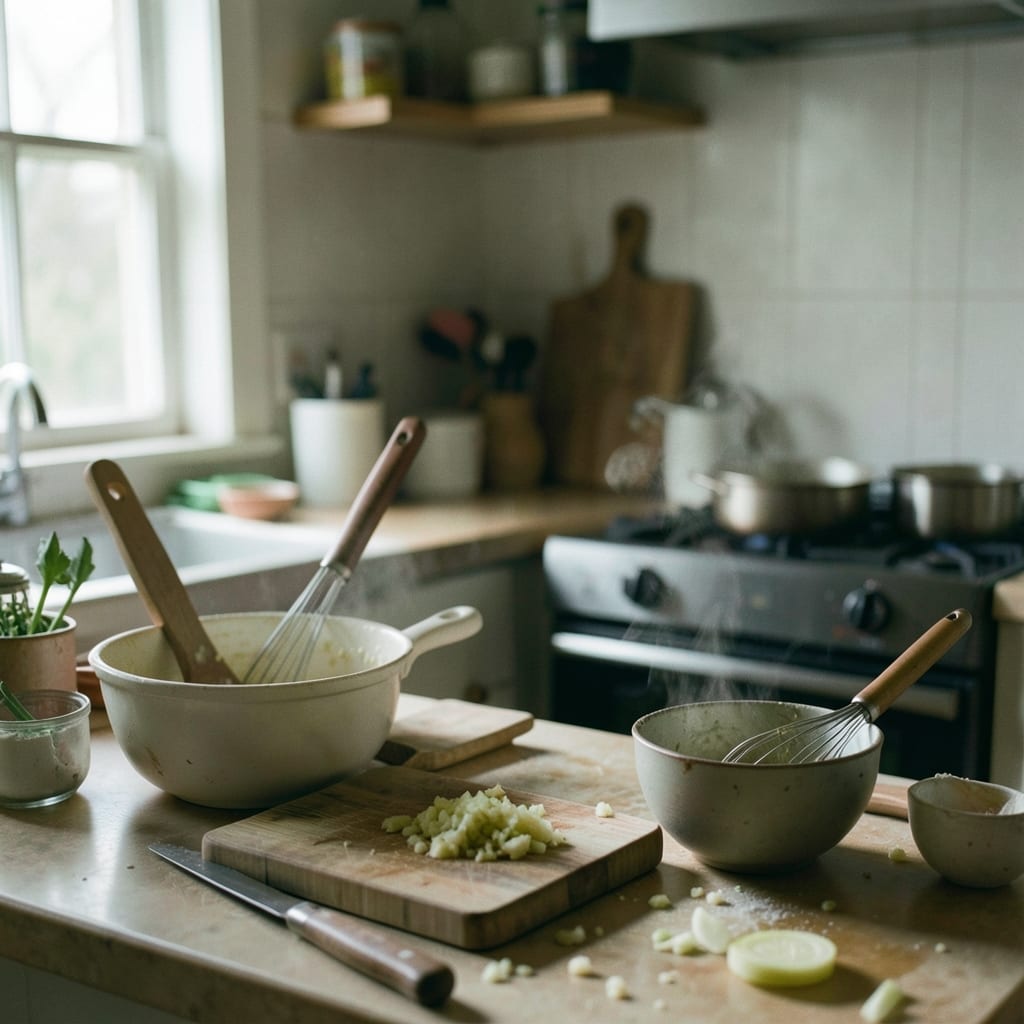
It started with one dish that kept failing
It was a late October afternoon, and I was trying to make my grandmother’s *tonjiru*—a simple Japanese miso soup with tofu, wakame, and daikon. I’d made it dozens of times before, but this batch was different.
The broth was too thin, the tofu fell apart when I sliced it, and the miso paste had burned at the bottom of the pot, leaving a bitter aftertaste. I’d adjusted the water-to-dashi ratio, but the texture was still wrong. The soup should have been silky, not watery.
The daikon should have held its shape, not dissolved into the broth like a forgotten sponge.
I’d followed the recipe exactly as she’d taught me—simmer for 20 minutes, no more. But this time, the broth had barely developed any depth. I tasted it again and winced. The miso had clumped instead of dissolving smoothly, and the wakame was limp, as if boiled too long.
I’d even used the same pot, the same ingredients, the same stove. Nothing made sense. I turned the heat down, but the broth still didn’t thicken.
It was as if the soup refused to cooperate, as if it knew I was trying to replicate something that couldn’t be captured in a single attempt.
By the time I’d poured out what was left, the kitchen smelled like failure. The clock on the wall read 4:17 PM, and I realized I’d spent the better part of an hour on a dish that should have taken 30 minutes.
The tofu was rubbery, the broth tasted like nothing, and the miso paste had turned into a grainy mess. I stared at the empty pot, wondering if I’d ever get it right—or if I’d just been fooling myself all these years.
Nine tries before it worked
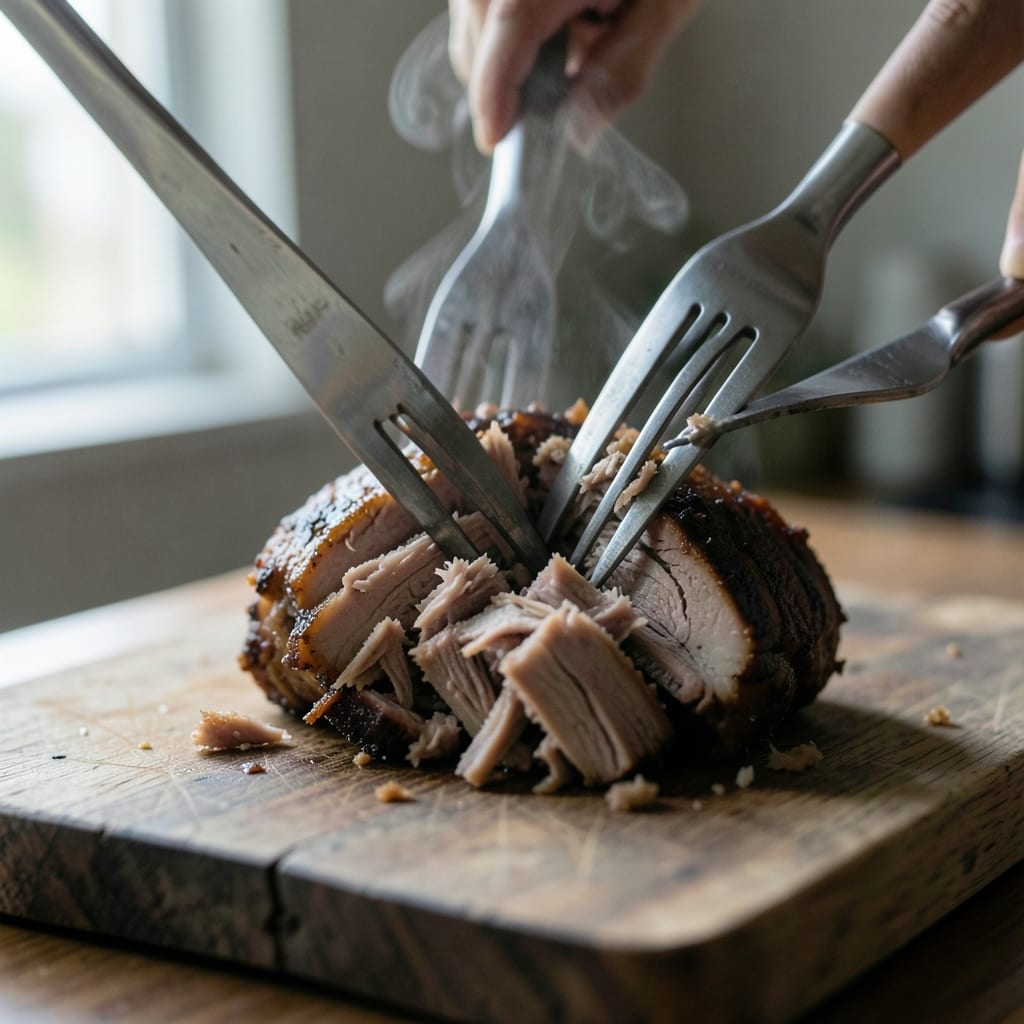
The next morning, I tried again. This time, I reduced the water by a third and added the miso paste later, stirring it in at the very end. The broth thickened slightly, but the tofu still disintegrated when I touched it.
The third attempt involved blanching the tofu first—it held its shape, but the soup tasted bland, as if something essential had been leached out. By the fifth try, I’d given up on the recipe entirely and just improvised: more dashi, a splash of soy sauce, a pinch of sugar.
It was edible, but it wasn’t *tonjiru*. It was just soup.
On the seventh attempt, I burned the miso again. This time, I didn’t even taste it before pouring in the broth. The smell of charred paste filled the kitchen, and I had to start over from scratch.
The eighth try was better—the broth was rich, the tofu firm—but the daikon had turned to mush, and the wakame was overcooked. I was exhausted, my hands were pruned from washing pots, and the stove was still on. I considered giving up.
But then I remembered my grandmother’s voice: *‘Patience, Loretta. A good soup is never made in a hurry.’*
The ninth time, I did everything differently. I simmered the broth longer, added the miso paste to a separate bowl of hot broth and whisked it in, then poured it back into the pot. I sliced the daikon thinly and added it at the very end.
The tofu was steamed lightly before going into the soup. And when I tasted it—finally—it was right. The broth was deep and savory, the tofu was tender but held together, the daikon was crisp, and the miso had dissolved perfectly. It wasn’t just soup. It was *tonjiru*, just like hers.
The mind behind these pages

That’s how I ended up here: *Loretta Tanaka*, Founder & Editor of *Soup Recipes Magic*, the one who kept remaking that soup until it was right.
I’ve been cooking since I was tall enough to reach the stove, mostly under my grandmother’s watchful eye as she taught me that the best meals are the ones made with love—and a little bit of chaos.
Now, I’m here to share recipes that bring people together, whether it’s a quick weeknight dinner or a showstopping dish for a special occasion. My kitchen is always a work in progress, and I’m excited to help you make yours just as welcoming.
I’m the kind of person who doesn’t just try something once. If a recipe fails, I don’t move on—I dig deeper. It’s a habit that costs time, patience, and sometimes a few ruined pans, but it’s how I learned to cook.
My grandmother used to say I had *three lives*—one for living, one for learning, and one for trying again. She was right. And if there’s one thing *Soup Recipes Magic* stands for, it’s that third life: the one where you don’t give up, even when the soup burns.
Outside the kitchen, I’m the kind of person who leaves half-finished projects lying around—books with dog-eared pages, half-knitted scarves, half-written letters I never send. But in the kitchen, I finish what I start.
There’s something about the heat, the smells, the way a dish comes together that forces me to see it through.
And that’s why, nine years later, I’m still making *tonjiru*. Not because I have to, but because I want to. Because every time I do, I remember why I started—and why you’re here, too.
Everything here is written the way that dish was
This site doesn’t just publish recipes. It publishes the process—the nine attempts, the burned miso, the ruined pots, the moment it finally comes together. Every page here is written the same way I learned to cook: by trying, tasting, and trying again.
We don’t just tell you how to make a dish; we tell you how we made it, what went wrong, and how we fixed it. Because the best recipes aren’t about perfection. They’re about the journey—the cracks in the broth, the lessons in the failures, the joy in the bowl.
When you land on a page here, you’re not just getting a recipe. You’re getting a story, one that’s been tested in real kitchens with real ingredients. We write down the mistakes as much as the successes because that’s how you learn.
And months later, when we revisit a recipe, we update it—not because it was wrong, but because we’ve learned more. Because a recipe isn’t finished until it’s been made nine times.
That’s the magic of *tonjiru*, and it’s the magic of every dish on this site. It’s not about getting it right the first time. It’s about getting it right—eventually. And that’s a story worth telling.
What that means for you
Here, you won’t find recipes that promise perfection. You’ll find ones that promise honesty—the kind that tells you when a dish is tricky, when you might need to adjust, when to walk away and try again tomorrow.
Every page is written for the person who’s standing in their kitchen, holding a pot, wondering if they’ll ever get it right. And if you’ve ever burned miso paste or turned daikon into mush, you’re in the right place.
What you *won’t* find are vague instructions or overcomplicated techniques. No jargon, no shortcuts that sacrifice flavor, no recipes that assume you’ve done this before. Just real food, made by real hands, with real lessons learned along the way.
And if you’ve got a story of your own—a dish that kept failing, a trick that worked, a memory tied to a meal—we’d love to hear it.
Tell us about the dish that taught you the most. Was it the one that burned, the one that came together on the ninth try, or the one that changed everything? Share your story on the contact page—we’re listening.
The recipes are grouped by category: Appetizers, Beverages, Breakfast & Brunch, Desserts, Main Courses and Reviews.