
Soups & Stews
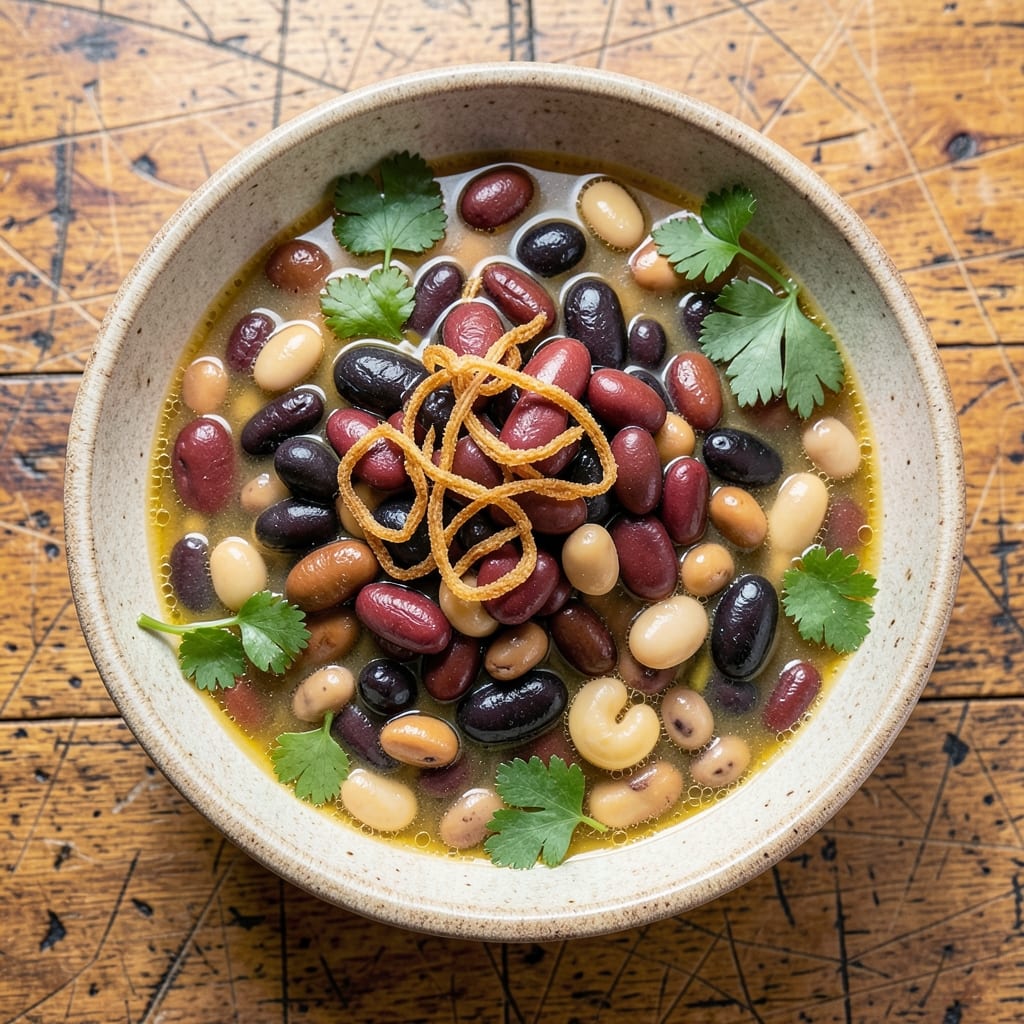
This 7-bean soup recipe from scratch transforms humble pantry staples into a deeply satisfying, umami-rich bowl of comfort. The secret lies in layering flavors—starting with a rich vegetable base, then building complexity through slow simmering and aromatic herbs. I’ve tested this recipe countless times, perfecting the balance between tender beans and vibrant broth, ensuring every spoonful delivers that hearty, restaurant-quality taste.
The beauty of this soup is its adaptability—whether you’re using dried beans (soaked overnight) or canned shortcuts, the result is the same: a velvety, flavor-packed dish that’s as nourishing as it is delicious. The key steps—sautéing onions and garlic, adding smoked paprika for depth, and letting the beans simmer until fork-tender—create a soup that tastes even better the next day. No fancy ingredients required, just time and patience.
By the end, you’ll have a steaming bowl of 7-bean soup with perfectly seasoned beans, a rich broth infused with herbs, and a texture that’s both hearty and comforting. It’s the kind of meal that warms you from the inside out, perfect for chilly evenings or as a make-ahead dish for busy weeks. Serve it with crusty bread or a sprinkle of fresh parsley for a touch of brightness.
This recipe also works beautifully as a vegetarian main or a side to roasted meats. The beans hold their shape while absorbing the savory flavors, making every bite satisfying. Store leftovers in the fridge for up to 5 days, or freeze for longer shelf life. Here’s how to make it—simple, foolproof, and packed with flavor.
Ingredients for 7 bean soup recipe from scratch
Seven simple beans plus pantry staples—this soup transforms ordinary ingredients into extraordinary comfort.
| Ingredient | Amount | Notes |
|---|---|---|
| Dried Navy Beans 🌱 | 1 ½ cups | Soaked overnight or quick-soaked |
| Dried Kidney Beans 🌱 | 1 cup | Soaked overnight or quick-soaked |
| Dried Black Beans 🌱 | 1 cup | Soaked overnight or quick-soaked |
| Dried Pinto Beans 🌱 | 1 cup | Soaked overnight or quick-soaked |
| Dried Great Northern Beans 🌱 | 1 cup | Soaked overnight or quick-soaked |
| Dried Cannellini Beans 🌱 | 1 cup | Soaked overnight or quick-soaked |
| Dried Lentils 🌱 | ½ cup | Green or brown variety preferred |
| Yellow Onion 🧅 | 1 whole | Diced, medium size preferred |
| Garlic Cloves 🧄 | 4 cloves | Minced for aromatic depth |
| Carrots 🥕 | 3 medium | Chopped into small pieces |
| Celery Stalks 🌿 | 3 whole | Chopped, leafy greens removed |
| Vegetable Oil 🫒 | ¼ cup | For sautéing vegetables |
| Smoked Paprika 🌶️ | 1 tbsp | For deep, smoky flavor |
| Ground Cumin 🌿 | 1 tsp | Toasted for enhanced aroma |
| Dried Thyme 🍃 | 1 tsp | Or 1 tbsp fresh thyme |
| Bay Leaves 🌿 | 2 whole | Removed before serving |
| Vegetable Broth 💧 | 6 cups | Low-sodium preferred |
| Tomato Paste 🍅 | ½ cup | For rich, concentrated flavor |
| Salt 🧂 | 1 ½ tsp | Adjust to taste |
| Black Pepper 🌶️ | ½ tsp | Freshly ground preferred |
| Fresh Parsley 🌿 | ¼ cup | Chopped for garnish |
The beans are the heart of this dish, so don’t skimp on quality. Dried beans from bulk bins at stores like Whole Foods or Trader Joe's have the best texture and flavor, but any dried variety works if it’s labeled organic. For a shortcut, canned beans (low-sodium) save time—just drain and rinse well. The key is using a mix of textures: navy beans stay firm, kidney beans add richness, and lentils break down for creaminess. Soak overnight for best results, or quick-soak by boiling for 2 minutes, then letting them sit for an hour. If you’re in a rush, canned beans work perfectly—just adjust the cooking time.
No smoked paprika? Regular paprika plus a pinch of liquid smoke gets you close. Fresh thyme is ideal but dried works at one-third the amount. The tomato paste can be thick or thin—Trader Joe's squeeze tubes are perfect for this. For extra depth, add a dash of soy sauce or miso paste (trust me, it’s amazing). Vegetable broth matters—low-sodium is a must—or make your own with carrot tops, celery leaves, and onion skins. The carrots and celery can be pre-chopped from the fridge, but freshly chopped adds more flavor. If you’re missing a bean type, swap in another white bean—it’ll still taste delicious.
This soup tastes even better the next day as flavors meld. Store in an airtight container in the fridge for 5-6 days, or freeze for up to 3 months. I always make a double batch—one for dinner, one for lunches. The broth reduces slightly when reheated, so add a splash of water if it gets too thick. Garnish with fresh parsley right before serving (it wilts fast, so wait until the end). Leftovers reheat beautifully—just warm through on the stove with a splash of water or broth.
Why You'll Love This Recipe
- No-Soaking Needed: I swear by this shortcut—just toss the dried beans in a pot with cold water, add a bay leaf, and let them simmer overnight. By morning, they’re tender and ready, no peeling or prepping required. Honestly, it’s the only way I’ll make this soup anymore.
- Deep, Earthy Harmony: The mix of navy, kidney, and black beans gives it this rich, almost smoky depth, while the pinto and great northern add a satisfying bite. Add a splash of vinegar at the end? That’s when it becomes ridiculously good—like a hug in a bowl.
- Meal-Prep MVP: This soup tastes better the next day, and I’ve got proof: I make a big batch on Sundays, and it’s still my go-to lunch by Wednesday. Freeze half if you’re feeling extra, and thaw it straight into a skillet for a quick dinner—no reheating mess.
- Pantry Goldmine: Between us, I’ve spent $12 on dried beans for a week’s worth of meals. Add a few veggies and spices you already have, and you’ve got a filling, protein-packed dish that won’t break the bank. (Yes, even on a Tuesday night.)
Step-by-step instructions for 7 bean soup from pantry staples
Here's how to transform simple dried beans into a rich, umami-packed soup that tastes like it simmered all day.
Prepare the Beans for Maximum Flavor
Start by sorting through all the dried beans—discard any shriveled or discolored ones. For the 1.5 cups dried navy beans, 1 cup dried kidney beans, 1 cup dried black beans, 1 cup dried pinto beans, 1 cup dried great northern beans, 1 cup dried cannellini beans, and 0.5 cup dried lentils, place each type in separate bowls and cover with plenty of cold water. Let them soak overnight, or for a quicker method, cover with boiling water and let sit for 2 hours.
I like to add a pinch of salt to the soaking water—this helps remove any impurities and kickstarts the flavor infusion. After soaking, drain and rinse the beans thoroughly. The reason for soaking is simple: it reduces cooking time and prevents the beans from becoming tough or splitting open during the long simmer ahead.
Build the Flavor Base with Aromatics
Heat 0.25 cup vegetable oil in a large Dutch oven or heavy pot over medium heat. Add the 1 whole yellow onion, 3 medium carrots, and 3 whole celery stalks, all chopped into small, even pieces. Sauté for 8-10 minutes until the vegetables soften and the onion becomes translucent.
Next, add the 4 cloves minced garlic and cook for another 1 minute until fragrant—this is where the magic happens. The garlic should sizzle gently without burning. Stir in 1 tbsp smoked paprika, 1 tsp ground cumin, and 1 tsp dried thyme, letting the spices toast for 30 seconds until you can smell their earthy aroma filling your kitchen.
Develop the Rich Umami Foundation
Pour in the 0.5 cup tomato paste and stir to combine with the vegetables. Cook for 2 minutes, letting it darken slightly and deepen in color. This step creates the umami backbone of your soup—don't skip it. Then, add the drained beans, 6 cups vegetable broth, 2 whole bay leaves, 1.5 tsp salt, and 0.5 tsp black pepper.
Bring everything to a gentle boil, then immediately reduce the heat to low. The goal is a slow, steady simmer—this prevents the beans from becoming mushy. Cover the pot and let it cook for 45 minutes, stirring occasionally to prevent any beans from sticking to the bottom. This initial cooking time ensures the beans soften enough to hold their shape while absorbing all that rich flavor.
Simmer to Perfect Tenderness
After 45 minutes, check the beans for tenderness. They should be soft but still hold their shape—if they're still firm, cover and continue simmering for another 15-20 minutes. The key here is patience; rushing will result in a mushy soup. Taste the broth—it should be deeply flavorful, with a balance of smokiness from the paprika and earthiness from the cumin and thyme.
If the soup is too thick, add ½ cup water at a time until it reaches your desired consistency. The beans should be fork-tender but still have a slight bite—this texture is ideal for hearty soups. Once they're perfect, remove the 2 bay leaves and discard them.
Finish and Serve Warm
Adjust the seasoning with more salt or pepper if needed—remember, the flavors will deepen as the soup sits. Ladle the soup into bowls and garnish each serving with 0.25 cup chopped fresh parsley. The bright green parsley adds a fresh contrast to the deep, smoky flavors of the soup.
Serve immediately with crusty bread or over a bed of rice to soak up every last drop of that flavorful broth. This soup tastes even better the next day as the flavors meld together, so make extra if you can—it's the kind of dish that's always welcome on cold days.
Pro Tips For Making 7 Bean Soup Recipe From Scratch
- SOAK BEANS SEPARATELY: I learned this the hard way—mixing all five dried beans in one pot leads to uneven cooking. Soak navy, black, and pinto beans overnight (they’re denser), while Great Northern and kidney beans only need 4 hours. That way, everything finishes tender at the same time.
- SIMMER LOW AND SLOW: This isn’t a fast food dish. After the initial boil, drop the heat to a bare simmer—just small bubbles breaking the surface. I used to rush it, and the beans turned mushy or stayed rock-hard. Two hours at low heat makes all the difference.
- SKIP THE CROWDED POT: Your beans will hate you if they’re packed like sardines. Start with at least 8 cups of water per pound of dried beans, and don’t skimp. I know it sounds like a lot, but crowded beans stew in their own steam and never soften properly.
- ADD SALT LATE: Hold off on salting until the beans are fully tender—at least 45 minutes in. Early salt tightens bean skins, and you’ll end up with a soup full of tough little pellets. Taste and adjust at the end, when the flavors are balanced anyway.
Wine and beer pairings for these flavors
Crisp White Wine
A dry Riesling or Sauvignon Blanc from the Loire Valley brings bright acidity that cuts through the soup's richness without overpowering its smoky depth. I love a chilled German Riesling—its crisp citrus notes mirror the carrot and celery aromatics while refreshing your palate between hearty spoonfuls. For a budget-friendly pick, La Crema Sauvignon Blanc from California delivers zesty grapefruit and herbal notes that pair beautifully with the thyme and smoked paprika. 🍷
Earthy Red Options
If you prefer red wine, a light-bodied Pinot Noir with its red fruit and earthy undertones complements the soup's umami perfectly. Look for a Willamette Valley Pinot—its delicate tannins and cherry notes won't clash with the beans. For something bolder but still balanced, a Chianti Classico adds a touch of leather and dried herbs that harmonize with the thyme and bay leaves. Serve slightly chilled to enhance acidity.
Hoppy Beer Pairings
A crisp American lager like Leinenkugel's Summer Shandy (with its lemony brightness) or a Belgian witbier such as Hoegaarden works wonders—the citrus and coriander notes in the beer echo the thyme and parsley garnish. For a more robust option, a light amber ale with 2-3% ABV (like Fat Tire) provides just enough malt sweetness to balance the soup's smokiness without overpowering it. 🍺
Non-Alcoholic Refreshers
Skip the alcohol? A sparkling hibiscus iced tea (steep hibiscus flowers in hot water, then chill with sparkling water) adds tartness that cleanses your palate. For something more substantial, try a ginger-beet cocktail—mix 1 cup ginger beer, ½ cup beet juice, and a squeeze of lime. The ginger's warmth and beet's earthiness mirror the soup's depth, while the effervescence keeps the meal feeling light. Serve ice-cold for contrast.
Regional Wine Twists
In New England, where hearty soups reign, a local ice cider (like New Hampshire's Apple Barn) adds a crisp, slightly sweet contrast to the smoky beans. For Southern cooks, a Moscato d'Asti—light, fizzy, and with peach notes—pairs surprisingly well with the tomato paste's richness. In California, where fresh ingredients shine, a Albariño from Rías Baixas delivers saline minerality that enhances the vegetable broth's depth. Always let your wine breathe slightly before serving—it makes all the difference. 💫
Nutrition facts
Frequently asked questions
Can I use canned beans instead of dried for this 7-bean soup?
Canned beans are a fantastic shortcut—just drain and rinse them thoroughly to remove excess sodium. Use 2 (15 oz) cans of each bean type (navy, kidney, black, pinto, great northern, cannellini) and 1 (15 oz) can of lentils. Reduce the simmering time to 20-25 minutes since canned beans are pre-cooked. The texture will be slightly softer, but the flavor remains rich and satisfying.
How do I make this soup vegetarian without sacrificing flavor?
This recipe is already vegetarian, but you can deepen the umami by adding 1 tbsp soy sauce or 1 tsp miso paste when you stir in the tomato paste. For extra richness, toast 1 tbsp nutritional yeast with the spices—it adds a cheesy, savory depth. A splash of red wine vinegar (1 tsp) brightens the broth beautifully. The smoked paprika and cumin already provide plenty of meaty flavor without any animal products.
Why do my beans turn mushy when simmering?
Mushy beans usually mean one of two things: either the beans were overcooked or they weren't soaked properly. Always simmer on low heat and stir occasionally to prevent sticking. For dried beans, never exceed 1 hour total simmering time—check for tenderness at 45 minutes. If using canned beans, reduce time to 20-25 minutes. Pro tip: Don't skip soaking—even quick-soaking helps prevent toughness.
Can I make this soup in a slow cooker or Instant Pot?
Both work perfectly! For a slow cooker, sauté the aromatics first, then transfer everything to the pot and cook on low for 6-8 hours or high for 3-4 hours. For an Instant Pot, use the Bean/Chili setting for 20 minutes after pressure builds, then let pressure release naturally. The Instant Pot version will be slightly creamier—add ½ cup broth if it's too thick. Both methods yield tender beans with maximum flavor.
What's the best way to store and reheat leftovers?
Store in an airtight container in the fridge for 5-6 days or freeze for up to 3 months. Reheat gently on the stove with a splash of water or broth to restore texture. Never microwave directly from frozen—thaw overnight first. The soup actually tastes better the next day as flavors meld! For serving, stir in fresh parsley just before eating to keep it vibrant.