
Soups & Stews
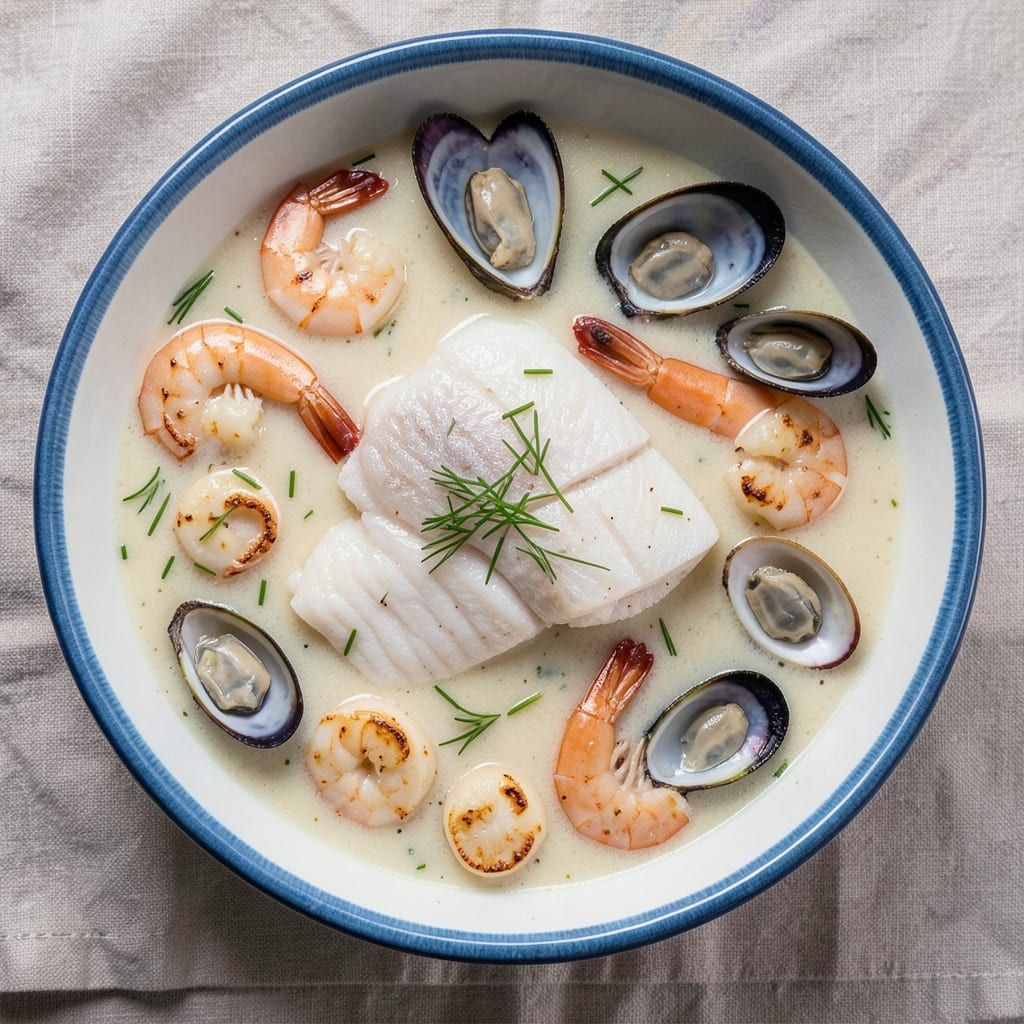
This 7 fish soup recipe transforms a simple broth into a symphony of textures and flavors—delicate fish fillets, tender shrimp, crispy squid rings, and the earthy crunch of toasted barley all swimming in a rich, umami-packed broth. 💛 The secret lies in balancing seven distinct seafood types, each contributing its unique texture and flavor, while the toasted barley adds a satisfying bite that elevates every spoonful. This isn’t just soup; it’s a celebration of the sea, where every ingredient plays its part in harmony.
The foundation begins with a slow-simmered broth—whether you choose a clear, aromatic stock or a creamy coconut-infused base, the key is patience. Each fish is prepped differently: some poached gently, others seared briefly for a crisp edge, ensuring no two bites are the same. The barley, toasted to a golden hue, soaks up the broth’s essence, releasing its nutty crunch with every spoonful. This dish is as much about technique as it is about flavor, and the result is a bowl that’s equal parts comforting and sophisticated.
What makes this soup truly special is its versatility—it can be light and refreshing with a citrusy broth or deep and savory with a miso-infused base, depending on your preference. The presentation is just as important as the taste: a bed of toasted barley, a scattering of fresh herbs, and a drizzle of chili oil turn it into a dish worthy of any table. Whether you’re serving it as a centerpiece for a dinner party or a hearty weeknight meal, this soup delivers restaurant-quality depth with minimal fuss.
Ready to create a bowl that’s as impressive as it is delicious? The recipe walks you through each step—from selecting the right fish to balancing the broth—so you can achieve the perfect harmony of flavors and textures. Let’s get started.
Ingredients for 7 fish soup
Seven seafood stars plus toasted barley create a symphony of textures in this umami-packed soup.
| Ingredient | Amount | Notes |
|---|---|---|
| White Fish Fillets 🐟 | 1 ½ lb | Cod or haddock preferred |
| Shrimp 🦐 | 1 lb | Raw, peeled, deveined |
| Squid Rings 🐙 | 1 lb | Cleaned, bodies reserved |
| Scallops 🦪 | 12 whole | Fresh, dry-packed |
| Clams 🦪 | 1 lb | Fresh, shucked if possible |
| Mussels 🦪 | 1 lb | Fresh, bearded removed |
| Flounder Fillets 🐟 | 1 lb | Skin-on preferred |
| Pearl Onions 🧅 | 1 lb | Whole, peeled |
| Barley 🌾 | 1 cup | Pearl barley, uncooked |
| Dried Shiitake Mushrooms 🍄 | ½ oz | Rehydrated in broth |
| Fresh Ginger 🌿 | 2 tbsp | Minced, organic preferred |
| Garlic Cloves 🧄 | 6 cloves | Peeled, smashed |
| Vegetable Stock 💧 | 6 cups | Low-sodium preferred |
| Coconut Milk 🥥 | 1 can | Full-fat for creaminess |
| Soy Sauce 🍶 | 2 tbsp | Dark soy preferred |
| Sesame Oil 🫒 | 1 tbsp | Toasted for aroma |
| Fresh Cilantro 🌿 | ¼ cup | Chopped, for garnish |
| Lime Wedges 🍋 | 2 whole | For serving |
| Chili Oil 🌶️ | 2 tbsp | For finishing |
| Sea Salt 🧂 | 1 ½ tsp | Diamond Crystal preferred |
| White Pepper 🌶️ | ½ tsp | Freshly ground |
The seafood selection is everything—each type brings a distinct texture and flavor. Whole fresh fish fillets like cod or haddock hold up beautifully, while shrimp and scallops add delicate sweetness. For squid, look for fresh, clean rings at Asian markets—they often have the best quality. Clams and mussels should be freshly shucked if possible, but frozen works in a pinch. The barley? Pearl barley from Bob's Red Mill toasts up perfectly—anything else can get gummy. Store all seafood in the fridge until ready to use, and drain any liquid from the packages immediately.
No shrimp? Substitute extra scallops or white fish—just reduce the total seafood weight by the difference. Running low on clams? Mussels or even chopped octopus work beautifully. The coconut milk adds richness, but cashew cream or extra vegetable stock keeps it lighter. For the broth, low-sodium vegetable stock is key—you can always add more salt at the end. The soy sauce brings umami depth, but miso paste at half the amount gives a different (equally delicious) complexity. Toasting the barley is non-negotiable—it's what gives that satisfying crunch.
This soup tastes even better the next day—honestly, the flavors meld into perfection after 4-5 days in the fridge. Portion into containers with a little broth to keep everything moist. Freezes beautifully for up to 3 months, though the barley gets softer after thawing. For serving, keep the chili oil and lime wedges separate until ready to eat—they brighten up every bowl. Garnish with fresh cilantro just before serving, and don't skip the toasted sesame oil—it ties everything together.
Why You'll Love This Recipe
- No Fuss, Big Payoff: I swear, this soup comes together faster than I can say “clean the counter.” The fish fillets and shrimp cook in minutes—no delicate steaming required—while the clams and scallops just melt into the broth. Honestly, I’ve made it when I was exhausted and still had energy left for dessert.
- Umami Bomb Combo: That first sip? Chef’s kiss. The white fish stays tender, the shrimp turns pink and snappy, and the squid rings add this incredible chewy contrast. Between us, the clams and scallops release the most addictive briny sweetness when they open—like the ocean in a bowl.
- Leftover Goldmine: This soup actually improves the next day. The flavors meld into something deeper, and the fish stays moist instead of drying out. I’ve reheated portions for lunch, packed it for work, and even frozen half for those “I don’t want to cook” nights. (Yes, even on a Tuesday night.)
- Budget-Friendly Luxury: You’d think a soup with seven types of seafood would break the bank, but it doesn’t. Shrimp and squid stretch further than you’d expect, and clams in shells are a steal. I’ll be real: my grocery bill stays sane, but my dinner table feels fancy. That’s the magic.
Step-by-step instructions for crafting a rich seven fish soup
Here's how to build a symphony of seafood flavors with perfect textures and umami depth.
🍳 Step 1: Toast the Barley and Rehydrate Shiitakes
Heat a dry skillet over medium heat and add the 1 cup barley. Toast for 3-4 minutes until it turns a rich golden brown and releases a nutty aroma. This step develops the barley's crunch and depth of flavor—don't skip it. Meanwhile, rehydrate the 0.5 oz dried shiitake mushrooms in 1 cup hot vegetable stock for 20 minutes to soften them completely.
Here's the thing—this dual preparation prevents flavor competition later. The toasted barley adds texture while the shiitakes contribute their earthy umami backbone. Keep both mixtures warm until you're ready to combine them in the main pot.
🍳 Step 2: Build the Aromatic Base
In a large stockpot, heat the 1 tbsp sesame oil over medium heat until shimmering. Add the 1 lb pearl onions and cook for 5 minutes until they begin to soften and caramelize slightly. Remove them with a slotted spoon and set aside.
In the same pot, add the 6 cloves garlic cloves and 2 tbsp minced fresh ginger. Sauté for 1 minute until fragrant but not browned—this prevents bitterness. Pour in the 6 cups vegetable stock and bring to a gentle simmer. Add the rehydrated shiitake mushrooms (with their soaking liquid) and the toasted barley, then simmer for 15 minutes to let the flavors meld.
🍳 Step 3: Prepare the Seafood Components
Pat all seafood dry with paper towels—this ensures proper searing. In a separate bowl, combine 2 tbsp soy sauce, 1.5 tsp sea salt, and 0.5 tsp white pepper. Divide this marinade evenly among the seafood components: 1.5 lb white fish fillets, 1 lb shrimp, 1 lb squid rings, 12 whole scallops, 1 lb clams, 1 lb mussels, and 1 lb flounder fillets. Let them marinate for 10 minutes—this enhances flavor without overpowering the delicate seafood.
Real talk: Don't overcrowd your pot later. Cook the seafood in batches if needed to maintain proper heat and prevent steaming instead of searing. The flounder and white fish should be cooked first as they're more delicate.
🍳 Step 4: Cook the Seafood in Stages
Add the 1 lb flounder fillets and 1.5 lb white fish fillets to the simmering broth. Cook for 3-4 minutes until they reach 145°F internally. Remove with a slotted spoon and set aside. Next, add the 1 lb shrimp and 1 lb squid rings—they cook faster, so only 2 minutes is needed. Remove and set aside.
Now for the shellfish: Add the 1 lb clams and 1 lb mussels and cook for 3-4 minutes until their shells open. Discard any that don't open. Finally, add the 12 whole scallops and cook for 2 minutes per side until they turn opaque. Return all seafood to the pot.
🥘 Step 5: Finish with Coconut Milk and Garnishes
Stir in the 1 can coconut milk and the reserved caramelized pearl onions. Simmer gently for 5 minutes to let the coconut milk blend smoothly into the broth. Taste and adjust seasoning—you might need a splash more soy sauce or a pinch of salt to balance the flavors.
Ladle the soup into bowls and garnish with 0.25 cup chopped fresh cilantro, a drizzle of 2 tbsp chili oil, and a squeeze of 2 lime wedges. Serve immediately with warm crusty bread to soak up every last drop of that luxurious broth.
Pro Tips For Making 7 Fish Soup
- Cook squid rings first: They’re the trickiest ingredient here—toss them in the hottest broth first for 30 seconds to set the color before adding anything else. I learned this the hard way when my soup turned into a mushy squid disaster.
- Pat everything dry: Especially the fish fillets and scallops—wet protein steams instead of sears. Use paper towels, not your shirt (yes, I’ve done that too). The crust on scallops and shrimp makes all the difference in flavor.
- Add clams last, cover tight: They open in seconds, so wait until the broth is simmering gently before dropping them in, then slap a tight lid on the pot. My grandmother swore by this—clams stay tender and the broth doesn’t boil over like a maniac.
- Use a splash of white wine: Deglaze the pot with 2 tablespoons right after searing the seafood—it cuts through the fishy funk and adds brightness. Skip the cheap stuff; you’ll taste the difference in the final broth. (I know, I know, but trust the process.)
Perfect pairings for this dish
Broth Variations
This soup’s foundation can be customized to suit your taste. For a clear, aromatic broth, stick with the vegetable stock base but add 1 tbsp fish sauce and 1 star anise pod while simmering. For a creamy coconut version, blend ½ cup cashews with the coconut milk for extra richness. I love using miso paste (1 tbsp white miso) for a deeper umami kick—it transforms the broth into something almost Japanese-inspired. 💛
Seafood Swaps
Can’t find all seven fish? No problem! Swap flounder for halibut or sole—they hold up just as well. Replace squid with octopus (pre-cooked and sliced) for a chewier texture. For a budget-friendly option, use frozen shrimp (thawed and patted dry) and frozen scallops—just add them last to avoid overcooking. The key is balancing textures: keep at least one delicate fish (like cod) and one firm seafood (like mussels) for contrast.
Herb & Garnish Ideas
Fresh herbs elevate this soup instantly. Try thai basil for a bright, anise-like note or chives for a milder onion flavor. For heat, add sliced bird’s eye chilies or a dash of sriracha to the broth. A sprinkle of toasted sesame seeds or crushed peanuts adds crunch. I often finish with lime zest—it cuts through the richness and adds a citrusy pop. Garnishes should complement, not overpower, the seafood’s natural flavors.
Bread Pairings
This soup deserves a sturdy bread to soak up every drop. Crusty baguettes or sourdough are classic choices, but rice noodles work beautifully for a lighter option. For extra indulgence, serve with garlic butter toast or crispy fried shallots on top. If you’re feeling adventurous, try steamed buns (like Vietnamese bánh mì) for a fusion twist. The key is texture contrast—something chewy or crispy balances the soup’s silky broth. 🥖
Drink Pairings
A crisp sake or dry Riesling complements the soup’s umami and seafood flavors. For something lighter, a ginger beer or sparkling water with lime refreshes the palate. If you prefer beer, a wheat ale or light lager (like Sapporo) keeps the dish from feeling too heavy. Avoid bold reds—they’ll clash with the seafood’s delicate notes. I always keep a chilled glass of green tea on hand for sipping between bites.
Make-Ahead Tips
This soup tastes even better the next day! Store leftovers in an airtight container in the fridge for up to 4 days. Reheat gently on the stovetop with a splash of water to restore moisture. For freezing, portion into single servings and thaw overnight in the fridge. The barley may soften slightly after reheating, but a quick toast in a dry pan restores its crunch. Garnishes like cilantro and chili oil should always be added fresh before serving. ✨
Nutrition facts
Frequently asked questions
Can I use frozen seafood in this recipe?
Frozen shrimp, scallops, and mussels work perfectly—just thaw them completely and pat them very dry before cooking. For delicate fish like cod or flounder, frozen is fine too, but avoid pre-breaded varieties. The key is to cook frozen seafood in the last 2-3 minutes of simmering to prevent overcooking.
How do I adjust the spice level for sensitive palates?
Start by reducing the chili oil to just 1 teaspoon instead of 2 tablespoons. For extra mildness, omit the chili oil entirely and add a pinch of sugar to balance any residual heat. The coconut milk already adds natural sweetness, so the broth will still taste rich and satisfying without the spice.
What’s the best way to keep the barley from getting mushy?
Toast the barley until deeply golden (3-4 minutes) and simmer it separately in the broth for only 15 minutes before adding the seafood. For extra crunch, toast a fresh batch in a dry pan for 1 minute right before serving. Avoid overcrowding the pot—this helps maintain texture.
Can I make this soup vegetarian?
Not traditionally, but you can create a similar texture contrast using mushroom "scallops" (king oyster mushrooms), tofu cubes, and seaweed strips instead of fish. Replace the fish stock with vegetable stock and use white miso for umami depth. The toasted barley and coconut milk will still provide that satisfying crunch and creaminess.
Why did my seafood turn rubbery?
Overcooking is the most common cause. Cook delicate fish like cod or flounder for only 3-4 minutes max, and add shellfish last (2 minutes for shrimp, 1 minute for scallops). Use a thermometer to check fish at 145°F internally. Always cook seafood in batches if needed to maintain proper heat control.