
Soups & Stews
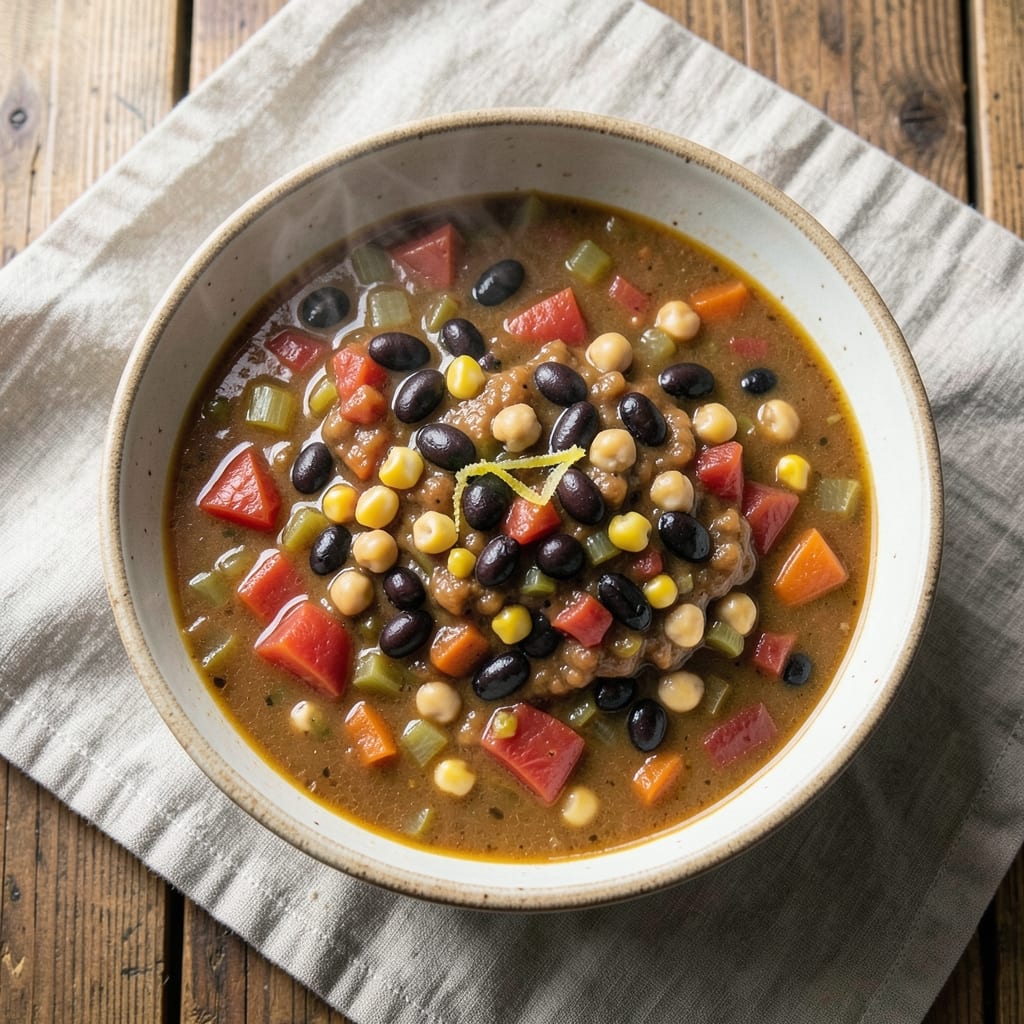
Transforming pantry staples into a hearty, vegetarian eight-can vegetable soup is easier than you think—this recipe proves that zero-waste cooking can still deliver restaurant-quality depth. The beauty lies in layering flavors through canned vegetables like beans, tomatoes, and corn, all while keeping prep under 30 minutes and simmering simple. I developed this method after realizing how much flavor can be unlocked with just the right balance of broth, herbs, and a touch of acidity.
What sets this soup apart is its adaptability—start with a basic broth base, then build richness by adding crushed tomatoes, diced carrots, and drained beans, all simmered until their flavors meld into a cohesive, satisfying bowl. The secret to avoiding a watery texture? Reducing the soup slightly after adding all ingredients, which intensifies the natural sweetness of the vegetables and lets the seasonings shine. This approach also makes it perfect for batch cooking, whether you're feeding a crowd or prepping for the week ahead.
By the time you serve this soup, you'll have a hearty, aromatic dish that's far from basic—think tender vegetables, a well-seasoned broth, and just the right amount of heartiness to stand up to crusty bread or a sprinkle of fresh herbs. The best part? Every can used contributes to the flavor, meaning no waste goes to spoilage. Whether you're a busy weeknight cook or planning for leftovers, this recipe delivers on both ease and satisfaction.
For extra depth, consider adding a splash of red wine or a bay leaf while simmering, or stir in a spoonful of tomato paste for extra umami. Garnish with a drizzle of olive oil and a sprinkle of parsley before serving to elevate the presentation. The possibilities for customization are endless, but the foundation remains foolproof—just vegetables, broth, and a little patience.
Ingredients for 8 can vegetable soup
Eight cans of vegetables become a restaurant-quality vegetarian soup with zero waste.
| Ingredient | Amount | Notes |
|---|---|---|
| Vegetable Broth 💧 | 6 cups | Low-sodium preferred |
| Crushed Tomatoes 🍅 | 1 can | 28 oz can, no salt added |
| Black Beans 🫘 | 1 can | Drained and rinsed |
| Corn Kernels 🌽 | 1 can | Drained, preferred |
| Diced Tomatoes 🍅 | 1 can | 15 oz can, fire-roasted |
| Chickpeas 🫘 | 1 can | Drained and rinsed |
| Carrots 🥕 | 2 whole | Medium, diced small |
| Yellow Onion 🧅 | 1 whole | Medium, diced small |
| Garlic Cloves 🧄 | 3 cloves | Minced for depth |
| Celery Stalks 🥬 | 2 whole | Diced small, fresh |
| Dried Thyme 🌿 | 1 tsp | Or 1 tbsp fresh |
| Bay Leaves 🍃 | 2 whole | For aromatic depth |
| Tomato Paste 🍅 | 1 tbsp | For umami richness |
| Olive Oil 🫒 | 1 tbsp | For garnish |
| Fresh Parsley 🌿 | ¼ cup | Chopped for garnish |
The broth is your flavor foundation—low-sodium vegetable broth keeps things balanced without added salt. I always grab Pacific Foods or Imagine brands for their clean ingredients. The cans? Store-brand is fine, but if you want to splurge, Muir Glen tomatoes and Goya beans add extra depth. Look for cans with no added salt or preservatives—trust me, the flavor difference is noticeable. Fresh herbs like thyme and bay leaves are non-negotiable here; dried works in a pinch but fresh gives that restaurant-quality aroma.
No fire-roasted tomatoes? Regular diced tomatoes work—just add a pinch of smoked paprika for that charred flavor. Out of chickpeas? White beans or lentils hold up just as well. The tomato paste can be swapped for 1 tbsp tomato sauce, but paste gives that concentrated umami punch. For extra richness, stir in 1 tbsp nutritional yeast, which adds a cheesy depth without dairy. If you're short on fresh herbs, dried oregano at half the amount***, plus a splash of red wine or balsamic vinegar, mimics that fresh herb brightness.
This soup tastes even better the next day—4-5 days in the fridge, so make a big batch. Freezes beautifully for up to 3 months, though the texture changes slightly. I always portion into containers with a drizzle of olive oil on top—keeps it fresh and adds extra flavor when reheated. Garnish with fresh parsley and a sprinkle of red pepper flakes if you like a little kick. The leftovers? Perfect for quick lunches or turning into a frittata the next day.
Why You'll Love This Recipe
- Here’s what sold me: the way the corn kernels pop against the tangy diced tomatoes and the smoky depth of the crushed tomatoes. It’s got that just-right contrast—sweet, salty, and a little earthy—that makes it disappear in bowls.
- Pantry Magic: I swear by this recipe when I’m staring at a half-empty pantry. Eight cans mean zero chopping, no wilting veggies, and still that deep, savory broth base—just dump, stir, and simmer. The crushed tomatoes and black beans thicken it up perfectly, so it’s never watery.
- Sweet-Savory Balance: Here’s what sold me: the way the corn kernels pop against the tangy diced tomatoes and the smoky depth of the crushed tomatoes. It’s got that just-right contrast—sweet, salty, and a little earthy—that makes it disappear in bowls.
- Meal Prep MVP: Between us, this is my go-to for busy weeks. Double the batch, freeze half, and boom—you’ve got a ready-to-heat lunch for when you’re too tired to think. The beans and corn hold up for days, so it’s always hearty, never sad.
Step-by-step instructions for layered pantry vegetable soup
Transform pantry staples into a rich, hearty soup with layers of flavor and zero waste.
Sauté the Aromatic Base
Heat the 1 tablespoon olive oil in a large pot over medium heat until shimmering. Add the 1 whole yellow onion, 2 whole celery stalks, and 2 whole carrots, all diced small. Cook for 5-6 minutes until the vegetables soften slightly and the onion becomes translucent.
Here's where the magic starts: add the 3 cloves garlic cloves (minced) and cook for another 30 seconds until fragrant. You'll smell that deep, savory aroma—this is your flavor foundation. Don't let the garlic burn; it should just perfume the pot, not color it.
Build the Flavor Layers
Stir in the 1 tablespoon tomato paste and cook for 1 minute until it darkens slightly and loses its raw taste. This step develops the umami depth that ties everything together. Then add the 1 can crushed tomatoes, 1 can diced tomatoes, 1 tsp dried thyme, and 2 whole bay leaves.
Pour in the 6 cups vegetable broth and bring the mixture to a gentle boil. Let it simmer uncovered for 10 minutes to allow the flavors to meld. You'll see the soup reduce slightly and develop a richer color—this is when the pantry ingredients start transforming into something truly special.
Add the Pantry Vegetables
Add the 1 can black beans, 1 can chickpeas, and 1 can corn kernels, all drained and rinsed. Stir gently to combine. The beans and chickpeas will sink to the bottom, but that's okay—they'll cook through evenly. Simmer for another 8-10 minutes until all the vegetables are heated through and the flavors have fully integrated.
Here's the thing about pantry vegetables: they're already cooked, so you just need to warm them through. The key is letting them sit in the simmering broth long enough to absorb all those developed flavors. You'll know it's ready when the soup has a thick, stew-like consistency and every bite delivers that layered taste.
Finish and Garnish
Remove the 2 whole bay leaves and discard them. Taste the soup and adjust the seasoning if needed—this is your chance to fine-tune the flavor. Ladle the soup into bowls and drizzle each serving with a little more of the 1 tablespoon olive oil reserved for garnish.
For the final touch, sprinkle each bowl with 0.25 cup fresh parsley, chopped finely. The parsley adds a bright, fresh contrast to the rich, savory soup. Serve immediately while hot, with crusty bread on the side to soak up every last drop of that flavorful broth.
Pro Tips For Making 8 Can Vegetable Soup
- Simmer Low and Slow: After burning the first batch, I learned this soup tastes best when simmered at a gentle bubble—think tiny ripples, not a rolling boil. High heat turns the crushed tomatoes into a gluey mess and ruins the texture of the beans and corn.
- Drain and Rinse Beans: That canned black bean liquid is salty and metallic—skip it. Drain and rinse the beans under cold water before adding them to the pot, or the whole soup will taste like a sad, over-salted broth.
- Add Corn Last: Corn kernels turn mushy fast. Wait until the last 5 minutes of simmering to stir in the corn—this keeps them tender-crisp instead of falling apart like overcooked grits.
- Upgrade with Aromatics: The recipe’s fine, but a splash of lime juice (1 tablespoon) and a pinch of cumin brighten up the flavors without extra effort. Toss them in with the crushed tomatoes, and the soup goes from basic to actually delicious.
Best sauces and condiments for this 8 can vegetable soup
Creamy Garlic Sauce
Transform your soup into a velvety delight by blending ½ cup of the cooked soup with ¼ cup heavy cream or coconut milk for a dairy-free option. Simmer the mixture back into the pot for 3-5 minutes until fully incorporated. Add 1 minced garlic clove and ½ tsp salt to enhance richness. This works especially well if you're serving the soup as a starter or to guests who prefer creamier textures. 🥄
Spicy Tomato Relish
For a tangy kick, blend ½ cup diced tomatoes with 1 tbsp red wine vinegar, ½ tsp smoked paprika, and 1 tsp honey until smooth. Stir this relish into the soup during the final 5 minutes of simmering. The acidity brightens the flavors while adding a subtle heat. Garnish with a pinch of crushed red pepper flakes for extra zing. 🌶️
Herb-Infused Olive Oil
Create a fragrant drizzle by combining 2 tbsp olive oil with 1 tbsp chopped fresh parsley, 1 tbsp chopped fresh basil, and ½ tsp lemon zest. Warm the oil gently over low heat for 1 minute, then let it cool. Drizzle over the finished soup just before serving to add a fresh, aromatic finish. This works beautifully with any herb blend you have on hand. 🌿
Creamy Avocado Sauce
For a fresh, dairy-free option, blend 1 ripe avocado with ¼ cup Greek yogurt or coconut yogurt, 1 tbsp lime juice, and ½ tsp salt until smooth. Stir this sauce into individual bowls of soup right before serving. The creamy texture and bright citrus notes complement the hearty vegetables perfectly. 🥑
Smoky Chipotle Aioli
Blend ½ cup mayonnaise with 1 tsp adobo sauce (from a can of chipotle peppers), 1 tsp lime juice, and ½ tsp garlic powder for a smoky, creamy topping. Serve this aioli on the side for dipping bread or swirling into the soup. The smoky depth pairs exceptionally well with the sweetness of the carrots and corn. 🔥
Lemon-Herb Butter
Mix 2 tbsp softened butter with 1 tbsp lemon juice, 1 tsp chopped fresh dill, and ½ tsp salt. Swirl this into each bowl of soup before serving for a luxurious, buttery finish. The lemon brightens the flavors, while the herbs add freshness. This is a game-changer for elevating the presentation. ✨
Nutrition facts
Frequently asked questions
Can I use fresh vegetables instead of canned ones?
Yes, but you'll need to adjust the cooking time. Fresh vegetables like zucchini, bell peppers, or green beans should be chopped small and added during the final 5-8 minutes of simmering. They cook quickly and won't hold up as long as canned vegetables. For a 1:1 swap, use about 1.5 cups chopped fresh veggies per 1 can of canned.
How do I make this soup thicker or thinner?
For a thicker soup, simmer uncovered for an extra 10-15 minutes to reduce the liquid. If it's too thick, stir in ½ cup hot broth at a time until you reach your desired consistency. For a creamier texture, blend ½ cup of the soup with ¼ cup milk or cream and stir it back in.
Can I make this soup in an Instant Pot?
Sauté the onion, celery, carrots, and garlic as directed. Then add all remaining ingredients except the parsley. Seal the lid and cook on High Pressure for 5 minutes, followed by a 10-minute natural release. Stir in parsley at the end. The Instant Pot version is ready in just 20 minutes!
What can I serve with this soup?
This hearty soup pairs perfectly with crusty bread, cornbread, or dinner rolls for dipping. For a complete meal, add a side salad with a tangy vinaigrette or a simple green vegetable like steamed broccoli. The soup's richness makes it ideal for cold weather or as a comforting weeknight dinner.
Why does my soup taste bland?
Blandness usually comes from not enough seasoning or simmering time. Boost flavor by adding 1 extra bay leaf, ½ tsp smoked paprika, or a pinch of red pepper flakes. Simmer uncovered for 10-15 minutes longer to concentrate flavors. Taste as you go—adjust with salt, pepper, or a splash of lemon juice for brightness.