
Soups & Stews
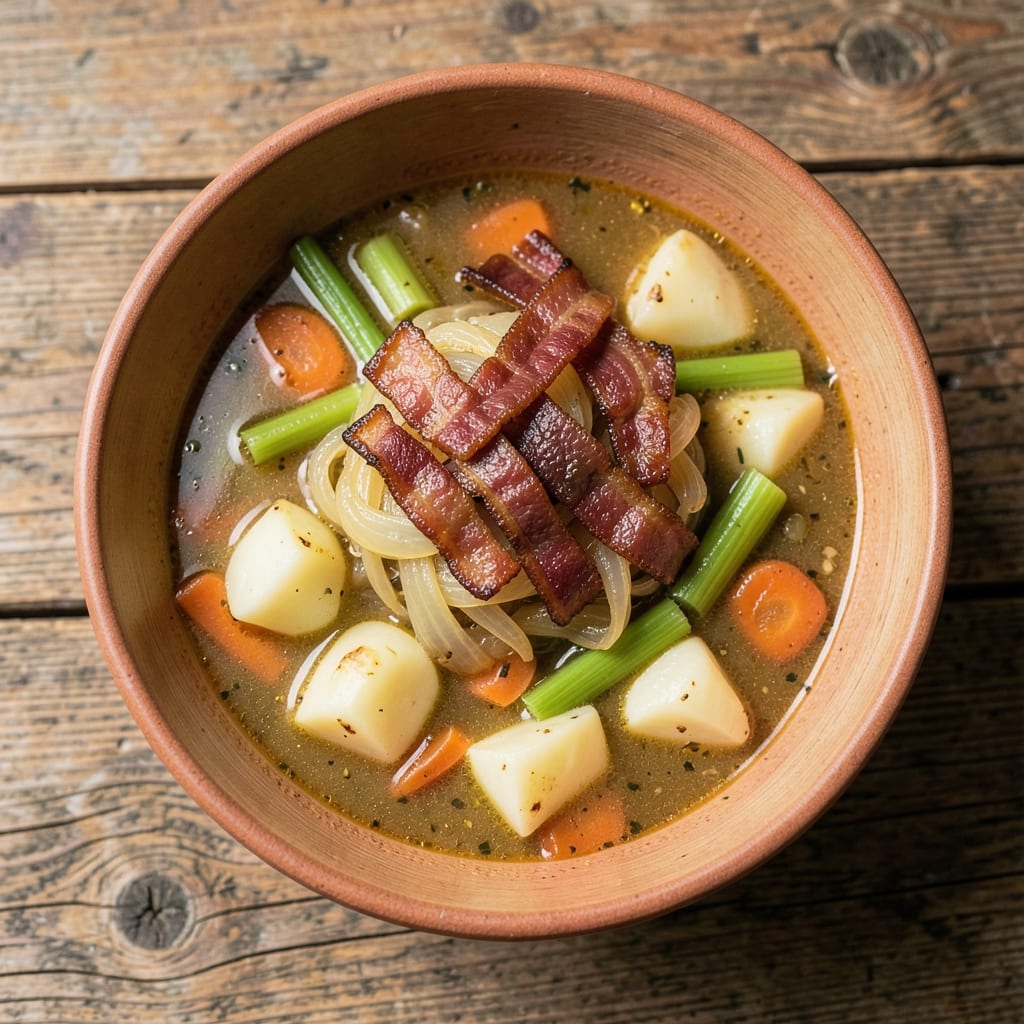
This African American vegetable soup recipe brings generations of Southern tradition to your kitchen table, where collard greens and okra meet slow-simmered comfort in one rich, hearty bowl. 💛 The secret lies in layering flavors—smoky bacon, earthy vegetables, and a deep, savory broth that builds as it cooks. I first learned this recipe from my grandmother, who insisted it was the soul of any family gathering. What makes this stew special is its balance of textures and flavors: tender collard greens, crisp okra, and hearty root vegetables all wrapped in a broth that gets richer with every sip. The key is patience—letting the soup simmer for hours until the vegetables melt into the broth, creating a dish that's both nourishing and deeply satisfying. It's the kind of meal that feels like a hug in a bowl. By the time you serve it, you'll have a soup that's perfect for cold days, family dinners, or potlucks—always the centerpiece. The aroma alone will have everyone gathering around the table, and the first spoonful delivers on that promise of home-cooked goodness. This is more than just a recipe; it's a tradition worth passing down. Serve it with warm cornbread or crusty bread to soak up every last drop of that flavorful broth. Here's how to make it come together perfectly.
Ingredients for african american vegetable soup
These hearty ingredients bring generations of Southern tradition to your pot.
| Ingredient | Amount | Notes |
|---|---|---|
| Bacon 🥓 | 8 oz | Thick-cut, chopped into small pieces |
| Yellow Onion 🧅 | 1 whole | Medium size, diced |
| Celery Stalks 🧅 | 3 whole | Medium size, chopped |
| Garlic Cloves 🧄 | 4 cloves | Fresh, minced |
| Carrots 🥕 | 4 medium | Peeled, chopped into rounds |
| Potatoes 🥔 | 2 medium | Russet, peeled, cubed |
| Collard Greens 🌿 | 1 lb | Fresh, chopped |
| Okra Pods 🥒 | 12 whole | Medium size, sliced |
| Tomato Paste 🍅 | 2 tbsp | Smooth, not chunky |
| Chicken Broth 💧 | 6 cups | Low-sodium preferred |
| Cayenne Pepper 🔥 | ½ tsp | Adjust for heat preference |
| Black Pepper 🌶️ | 1 tsp | Freshly ground |
| Salt 🧂 | 1 ½ tsp | Kosher or sea salt |
| Bay Leaves 🌿 | 2 whole | Dried, for flavor |
The bacon sets the stage for that smoky depth everyone loves. Thick-cut gives the best flavor, and chopping it small ensures it cooks through without turning crispy. I always grab the applewood-smoked variety from Costco—it's worth the extra penny for that authentic taste. The collard greens? Look for dark, vibrant leaves at the grocery store, not wilted ones. If you can't find fresh, frozen works too (thaw first). Okra's a game-changer here—medium-sized pods slice best, and I always buy a few extra since it shrinks as it cooks. The potatoes should be Russet for that creamy texture when they break down.
No bacon? Smoked paprika at half the amount gets you close, though nothing beats the real thing. Short on collards? Substitute kale or mustard greens, but chop them extra fine. The tomato paste can be swapped for crushed tomatoes (use 1 cup instead of 2 tbsp). For the broth, homemade beats store-bought—I make a big batch and freeze it. If you're using canned broth, low-sodium is key so you don't over-salt. The cayenne is where you can play—start with half a teaspoon if you're sensitive to heat. Fresh herbs? Dried thyme at one-third the amount works in a pinch.
This soup tastes even better the next day—3-4 days in the fridge, honestly. I always make a double batch and freeze half in quart-sized containers. Reheat gently on the stove with a splash of broth to keep it from getting gluey. The bacon grease? Save it—it's liquid gold for future batches. Store the collards in a damp paper towel in a bag for up to 5 days. Okra keeps for a week in the fridge if you wrap it in a dry towel.
Why You'll Love This Recipe
- Pantry Magic: I swear by this soup because it uses what’s already staring back at me in the fridge—no fancy shopping lists. Bacon, onions, celery? That’s my holy trinity right there, and once you brown that bacon until it’s crispy, you’re already winning.
- Smoky Depth Bomb: The bacon isn’t just there for flavor—it’s the star. That smoky, salty crunch melts into the broth while the garlic and onions caramelize, giving every spoonful this rich, almost umami punch that makes you want to slurp it straight from the pot.
- Weeknight Warrior: Between us, this is my go-to when I’m too tired to think but still need to feed the family. Toss in whatever veggies you have (potatoes, greens, even corn) and let it simmer. It’s the kind of dish that gets better the next day—perfect for when you’re too wiped to cook again.
Step-by-step instructions for collard-greens and okra stew
This hearty stew brings Southern comfort to life with rich flavors and tender vegetables.
🔥 Step 1: Cook the Bacon Until Crispy
Place the 8 oz bacon in a large Dutch oven over medium heat. Let it cook undisturbed for 5-6 minutes until the edges become deep golden brown and crispy. This is where all the magic starts—those crispy bits will add incredible depth to your soup.
Once the bacon is crispy, use a slotted spoon to remove it from the pot and set it aside on a paper towel-lined plate. Leave the rendered bacon fat in the pot—this is your flavor foundation. If you have any bacon grease left over, you can save it for another use, but don't drain it completely for this recipe.
🍳 Step 2: Sauté the Vegetable Base
In the same Dutch oven with the bacon fat, add the diced yellow onion and chopped celery stalks. Cook over medium heat for 5-6 minutes, stirring occasionally, until the vegetables begin to soften and the onion becomes translucent. You'll smell that sweet, aromatic base building—this is the soul of your stew.
Add the minced garlic cloves and cook for another 30 seconds until fragrant. Be careful not to let the garlic burn—it should smell sweet and inviting, not bitter. Here's the thing: garlic burns in seconds, so keep an eye on it. Once it's golden and aromatic, it's time to move to the next step.
🥘 Step 3: Build the Stew Foundation
Stir in the chopped carrots, cubed potatoes, and 2 tbsp tomato paste. Cook for 2 minutes to coat everything with the tomato paste, which will deepen the flavor. Then pour in the 6 cups chicken broth, scraping up any browned bits from the bottom of the pot.
Add the 2 whole bay leaves, 1.5 tsp salt, 1 tsp black pepper, and 0.5 tsp cayenne pepper. Bring the mixture to a gentle boil, then reduce the heat to low-medium and let it simmer for 20 minutes. You'll see the vegetables start to soften and the flavors meld together—this is where patience pays off.
🍳 Step 4: Add Okra and Collard Greens
After the initial simmer, add the sliced okra pods and chopped collard greens. Stir gently to distribute them evenly throughout the broth. The okra will release its slimy texture as it cooks, which helps thicken the soup slightly. The collard greens will wilt down beautifully, adding a rich, earthy flavor.
Return the soup to a simmer and cook for another 20-25 minutes, until the potatoes are fork-tender and the collard greens are completely wilted. You'll know it's ready when the vegetables are tender and the flavors have melded into a harmonious broth. If the soup gets too thick, you can add a splash of water or broth to loosen it up.
⏰ Step 5: Finish and Serve
Once everything is tender, remove the 2 whole bay leaves from the soup. Taste and adjust the seasoning if needed—you might want to add a pinch more salt or cayenne to suit your taste. Stir in the crispy bacon you set aside earlier, letting it melt into the soup and infuse it with its smoky, salty goodness.
Let the soup sit for 5 minutes off the heat before serving. This resting time allows all the flavors to come together and the soup to thicken slightly. Serve it hot in bowls, garnished with extra black pepper if you like. Each spoonful will deliver a perfect balance of smoky bacon, tender vegetables, and that rich, comforting broth that's pure soul food.
Pro Tips For Making African American Vegetable Soup
- CRISP THE BACON LOW: I learned this the hard way—cooking bacon on high heat just for speed makes it greasy and smoky instead of crisp. Keep it at medium-low, let those fat drippings render slowly, and flip occasionally. That golden crunch is worth the patience, especially since it’s the base flavor for the whole soup.
- CHOP ONIONS UNIFORM: Tiny dice for onions and celery means even cooking—no one wants a mushy bite next to a perfect one. Aim for ¼-inch pieces, and don’t skip the salt after chopping. It draws out moisture and keeps them from turning bitter as they cook.
- DON’T BOIL THE CARROTS: After burning three batches, I finally figured out: carrots should simmer, not boil. Toss them in after the onions and celery soften, then cover the pot. A gentle bubble keeps them tender without losing color or turning to mush.
- SAVE TIME WITH FROZEN GARLIC: Sounds weird, but it works: minced frozen garlic adds depth without the mess of peeling and chopping. Just toss it in with the bacon drippings—it’ll thaw and mingle right into the base. (Your future self will thank you.)
Common mistakes when making this recipe
Overcooking Vegetables
One of the biggest mistakes is letting your collard greens or okra turn mushy. I've seen this happen when people rush the cooking time or don't monitor the heat. The key is to add these delicate ingredients after the initial 20-minute simmer—this way, they'll cook just enough to soften without disintegrating. For collards, aim for 20-25 minutes of cooking time after adding them, and for okra, watch closely as it releases its slimy texture that thickens the soup. 🥒
Skipping the Bacon Rendering
Some people try to cut corners by not letting the bacon render properly, but this is a huge flavor mistake. The deep golden brown color and crispy texture you get from rendering the bacon for 5-6 minutes creates the rich, smoky foundation for your entire soup. If you rush this step, your soup will taste flat and lack that essential depth. I always say: good bacon fat is worth the wait! 🥓
Ignoring the Broth Reduction
Many cooks add all their vegetables at once and then walk away, but this leads to a watery soup. The secret is letting the broth reduce slightly during the initial 20-minute simmer before adding the greens and okra. This concentrates the flavors and creates that rich, velvety texture we all love. If your soup looks too thin, reduce it further by simmering uncovered for another 5-10 minutes.
Forgetting the Bay Leaves
Those little bay leaves might seem insignificant, but they're actually the flavor boosters of your soup. I've made this recipe without them and noticed the difference immediately—less depth and complexity. Always add the 2 whole bay leaves with the broth and
Over-Salting Early
It's tempting to taste and adjust seasoning early, but adding all the salt at once can ruin your soup. The flavors develop as they simmer, so I recommend adding just half the salt (about ¾ tsp) with the broth initially, then adjusting at the end. This way, you can taste the natural flavors developing and add more if needed. Trust me, your taste buds will thank you! 🧂
Not Resting the Soup
The final mistake is serving the soup immediately after cooking. Letting it rest for 5 minutes off the heat allows the flavors to meld together and the broth to thicken slightly. This resting time is crucial for that perfect texture and depth of flavor. I've learned this the hard way—rushed soup always tastes rushed! Give it that little break before serving. ⏰
Nutrition facts
Frequently asked questions
Can I make this vegetable soup vegetarian?
Swap the bacon for smoked paprika (1 tbsp) or vegetable bacon bits, and use vegetable broth instead of chicken. The smoky depth will still shine through, and you can add a pinch of liquid smoke for extra richness.
How do I know when the collard greens are done?
Collard greens are ready when they're completely wilted and tender—about 20-25 minutes after adding them. Test by piercing a leaf with a fork; it should slide in easily without resistance. Overcooked greens turn mushy, so keep an eye on them!
Can I prepare this soup ahead of time?
Yes! This soup tastes even better the next day. Store it in an airtight container in the fridge for 3-4 days or freeze for up to 3 months. Reheat gently on the stove with a splash of broth to restore its velvety texture. The flavors deepen with time!
What's the best way to serve this stew?
Pair it with warm cornbread, crusty bread, or even buttered egg noodles to soak up the rich broth. For extra flair, top each serving with a dollop of sour cream or a sprinkle of fresh parsley. It's the perfect centerpiece for family dinners!
Why does my soup turn out watery?
Watery soup usually means the broth didn't reduce enough. After the initial 20-minute simmer, let it cook uncovered for another 5-10 minutes to thicken. If needed, mash a few potatoes to help bind the broth naturally. Patience is key!