
Soups & Stews
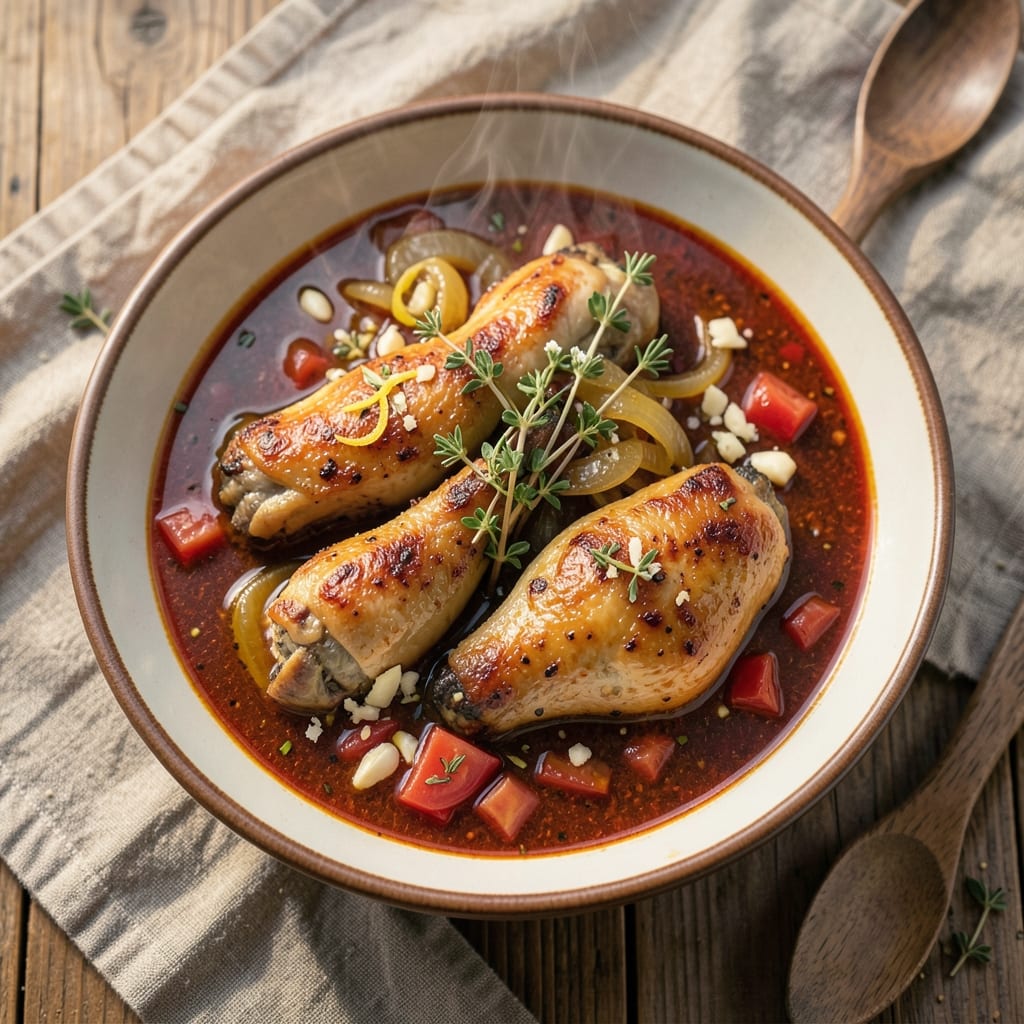
This African chicken soup recipe brings bold, aromatic flavors to your table with a perfect blend of toasted berbere spice and creamy peanut crunch. The secret lies in slow-simmered chicken, fragrant ginger-garlic broth, and a rich peanut base that transforms a simple soup into a restaurant-worthy dish. I developed this version after years of testing different African techniques—balancing heat, depth, and texture for a soup that's both comforting and exciting.
The beauty of this recipe is its versatility—it works as a hearty main course or a flavorful side, depending on your needs. We'll start with a fragrant base of onions, garlic, and ginger, then build layers of flavor with berbere spice (the signature North African blend) and fresh herbs like thyme and cilantro. The chicken cooks until tender, while vegetables like carrots and potatoes absorb all the rich broth.
What makes this soup truly special is the peanut element—a perfect balance of creaminess and crunch that ties everything together. The final result is a deeply flavorful soup with tender chicken, vibrant vegetables, and a velvety peanut sauce that adds richness without overpowering the dish. It's the kind of soup that warms the soul and leaves everyone asking for seconds.
Serve this African chicken soup with crusty bread, jollof rice, or even over couscous for a complete meal. The leftovers actually taste better the next day as the flavors meld even more. Let's get cooking—this is one recipe that will quickly become a family favorite.
Ingredients for african chicken soup
Bold spices, creamy peanut crunch, and slow-simmered chicken make this African-inspired soup unforgettable.
| Ingredient | Amount | Notes |
|---|---|---|
| Chicken Thighs 🍗 | 2 ½ lb | Bone-in, skin-on preferred |
| Yellow Onions 🧅 | 2 whole | Medium size, diced |
| Garlic Cloves 🧄 | 6 cloves | Fresh, minced |
| Fresh Ginger 🌿 | 1 inch | Peeled, grated |
| Berbere Spice Blend 🌶️ | 2 tbsp | Store-bought or homemade |
| Fresh Thyme 🌿 | 1 tbsp | Leaves only, chopped |
| Carrots 🥕 | 1 ½ lb | Medium, peeled, sliced |
| Russet Potatoes 🥔 | 2 lb | Medium, peeled, cubed |
| Peanut Butter 🥜 | ½ cup | Natural, unsweetened |
| Coconut Milk 🥥 | 1 can | 13.5 oz can, full-fat |
| Chicken Broth 💧 | 4 cups | Low-sodium preferred |
| Fresh Cilantro 🌿 | ¼ cup | Chopped, for garnish |
| Lemon Juice 🍋 | 2 tbsp | Freshly squeezed |
| Olive Oil 🫒 | ¼ cup | Extra-virgin preferred |
| Salt 🧂 | 1 ½ tsp | Kosher or sea salt |
Berbere spice is the soul of this dish—look for it in the international aisle or make your own blend of chili, coriander, fenugreek, and cardamom. Penzeys Spices carries a great pre-mixed version if you're short on time. The peanut butter should be natural and unsweetened—no sugar or additives. For the chicken, bone-in, skin-on thighs stay juicier than breasts. If you can't find berbere, substitute a mix of paprika, cayenne, and cumin at half the amount. The ginger should smell fresh and zesty—if it's woody, toss it.
No fresh thyme? Dried works at one-third the amount, but fresh gives that bright, floral note. Coconut milk cans vary—stick with full-fat for creaminess. The Trader Joe's brand is my go-to for consistency. Short on carrots? Sweet potatoes work too, but they'll change the texture slightly. For extra richness, stir in a spoonful of tahini at the end. The broth is non-negotiable—low-sodium lets you control the salt better. If you're using a bouillon cube, halve the amount of salt in the recipe.
This soup tastes even better the next day as flavors meld. Store in airtight containers for 4-5 days in the fridge or 3 months frozen. I like to portion it into jars with a layer of peanut sauce on top—freezes beautifully. The peanut sauce thickens when chilled, so reheat gently. For serving, I always add a sprinkle of fresh cilantro and a squeeze of lemon—brightens up the richness. Double the batch if you're feeding a crowd—it disappears fast.
Why You'll Love This Recipe
- One-Pot Magic: I swear by this—just dump everything into one pot, let it simmer, and walk away. No chopping mountains of veggies, no last-minute ingredient scrambles. The onions and garlic caramelize right in the broth, and the berbere does all the work for you.
- Spice That Sticks: That berbere blend? It’s the MVP. Smoky, citrusy, with just enough heat to linger—like a warm hug for your taste buds. The ginger and garlic deepen as it cooks, turning this into something you’ll crave again in a week.
- Weeknight to Weekend: Make a double batch on Sunday, and you’ve got lunch covered for days. The flavors only get better after reheating—my kids actually ask for leftovers. (Yes, even on a Tuesday night.)
- Budget-Friendly Feast: Chicken thighs stretch further than breasts, and this recipe feeds four for under $15. The berbere adds restaurant-quality depth without breaking the bank. Honestly, it’s the kind of meal that makes grocery day feel like a win.
Step-by-step instructions for African chicken soup
This hearty soup blends bold Ethiopian spices with creamy peanut richness—simple steps for deep flavor.
Sear the Chicken Thighs for Depth
Pat the 2.5 lb chicken thighs dry with paper towels. Heat the 0.25 cup olive oil in a large Dutch oven over medium-high heat until shimmering. Working in batches if needed, add the chicken thighs skin-side down and sear for 6-7 minutes until the skin is golden brown and crispy. Flip and cook another 5-6 minutes until the internal temperature reaches 165°F.
Here's the thing—searing develops that rich, caramelized flavor that carries through the entire soup. Don't rush this step; the skin should release easily when ready. Transfer the cooked chicken to a plate and set aside. The rendered fat in the pot will become the flavor base for your soup.
Toast the Berbere Spice and Build the Aromatics
Reduce heat to medium and add the 2 whole yellow onions, sliced, to the Dutch oven. Cook for 5 minutes until softened. Add the 6 minced garlic cloves and 1 inch grated fresh ginger, cooking for another 2 minutes until fragrant. Sprinkle in the 2 tbsp berbere spice blend and stir constantly for 30 seconds—this toasting step unlocks the spice's full complexity.
Next, add the 1 tbsp chopped fresh thyme and the 1.5 tsp salt. Stir and cook for 1 minute until the spices are aromatic. You'll notice the kitchen fills with an earthy, slightly smoky scent—this is your flavor foundation. Pour in the 4 cups chicken broth and scrape up any browned bits from the bottom of the pot.
Simmer the Vegetables Until Tender
Return the chicken thighs to the pot, skin-side up. Add the 1.5 lb sliced carrots and 2 lb cubed russet potatoes. Bring the mixture to a gentle boil, then reduce heat to low, cover partially, and simmer for 30-35 minutes. You want the vegetables to be fork-tender but not mushy—this ensures they hold their shape while still being soft enough to eat.
About halfway through cooking (after 15-20 minutes), give the soup a gentle stir to distribute the flavors evenly. The potatoes should be nearly tender but still have a slight bite. If the soup reduces too much before the vegetables are done, add a splash of water or broth to maintain the proper consistency.
Create the Peanut-Coconut Sauce
Remove the chicken thighs from the pot and set them aside to rest. In a small saucepan, combine the 0.5 cup natural peanut butter, 1 can coconut milk, and 2 tbsp lemon juice. Warm over medium heat, stirring constantly with a whisk or immersion blender until smooth and fully melted. This should take about 3-4 minutes—you're looking for a creamy, lump-free consistency.
Once smooth, pour the peanut-coconut mixture into the soup pot and stir well to combine. The soup should immediately take on a richer, creamier texture. Taste and adjust seasoning with additional salt if needed. The peanut butter adds a subtle sweetness that balances the berbere's heat, while the coconut milk rounds out the flavors.
Finish and Serve with Fresh Herbs
Return the chicken thighs to the soup and simmer uncovered for an additional 5 minutes to heat through. The chicken should easily pull apart at the bone—if it's still tough, let it simmer another 5 minutes. Remove the chicken from the pot and shred the meat using two forks, discarding the bones and skin.
Return the shredded chicken to the pot and stir to combine. Remove from heat and let the soup rest for 5 minutes. Before serving, stir in the 0.25 cup chopped fresh cilantro. Ladle the soup into bowls and serve immediately, garnished with additional cilantro if desired. The soup will continue to develop in flavor as it sits, so serving it fresh ensures the best texture and temperature.
Pro Tips For Making African Chicken Soup
- Brown the Chicken First: Skip the direct simmer and sear the thighs skin-side down in a hot pot for 5-6 minutes until golden. This isn’t just for looks—it builds flavor into the meat and prevents the soup from tasting bland later. (Yes, even if you’re impatient like me, resist the urge to rush this.)
- Peel and Mince Ginger Properly: Use a microplane or the side of a knife to grate the ginger very finely—no visible flecks. Too much texture means you’ll taste it instead of letting it blend into the background. I learned this the hard way when my first batch had a weird bite.
- Season the Berbere Early: Add half the berbere spice blend with the onions while they’re cooking, not all at once later. This lets the spices bloom and mingle with the onion’s sweetness before the chicken joins the party. Trust me, your soup will taste deeper.
- Simmer, Don’t Boil: Once everything’s in the pot, keep the heat at a gentle simmer—small bubbles, not a rolling boil. High heat makes the chicken tough and scatters the spices. I was skeptical until I tried it: the broth stays rich, and the chicken stays tender.
Dietary considerations for this african chicken soup
Gluten-Free Adaptations
This African chicken soup is naturally gluten-free, thanks to its fresh ingredients and natural spices. However, always double-check labels on your berbere spice blend and chicken broth—some brands may contain hidden gluten. I recommend Pacific Foods gluten-free broth or making your own from scratch. The peanut butter and coconut milk used are also typically gluten-free, but brands like Skippy Natural are certified safe. 🌱
Dairy-Free Considerations
The original recipe contains no dairy, making it perfect for those avoiding lactose or following vegan diets. The creamy texture comes from coconut milk and peanut butter, both naturally dairy-free. For extra richness, you could add a splash of cashew cream (blend soaked cashews with water) instead of coconut milk. Just ensure all ingredients—like broth and spices—are certified dairy-free if needed.
Nut-Free Alternatives
While peanut butter is central to this recipe, you can easily adapt it for nut allergies. Swap the 0.5 cup peanut butter with 0.5 cup tahini (sesame paste) or a smooth sunflower seed butter like SunButter. For a dairy-free option, use coconut cream instead of coconut milk and add a pinch of smoked paprika to mimic the peanut's depth. The flavor will shift slightly but still deliver a rich, satisfying texture. 🥜
Low-Sodium Adjustments
To reduce sodium, skip the salted chicken broth and use low-sodium or homemade broth instead. Cut the 1.5 tsp salt to just 0.5 tsp and taste as you go. Fresh herbs like thyme and cilantro add natural saltiness without processed salt. For extra flavor, add 1 tsp fish sauce or soy sauce (check for gluten-free if needed) to deepen umami without extra sodium. 🧂
Vegetarian Swaps
For a vegetarian version, replace the chicken with chickpeas or firm tofu (press and pan-fry for texture). Use vegetable broth instead of chicken broth, and add 1 cup diced sweet potatoes for heartiness. The peanut-coconut sauce remains the same, but you may want to add 1 tbsp nutritional yeast for a cheesy, umami boost. The soup will still be rich and satisfying, just plant-powered. 🌱
Protein Boost Options
For extra protein, stir in ½ cup cooked quinoa or ½ cup lentils after simmering. You could also add ½ cup shredded rotisserie chicken (if avoiding nuts) or ½ cup crumbled tempeh for texture. These additions work well without altering the soup's balance of flavors. The quinoa adds a nice chewiness, while lentils bring earthy depth. 💪
Nutrition facts
Frequently asked questions about African chicken soup
What makes this African chicken soup different from other chicken soups?
This recipe blends traditional North African flavors with West African techniques—starting with toasted berbere spice (a fiery chili-coriander blend) and finishing with a creamy peanut-coconut sauce. The slow simmering builds deep umami, while fresh herbs like thyme and cilantro keep it bright. Unlike creamy French soups, this one balances heat, nutty richness, and herbal freshness for a uniquely African profile.
Can I make this soup without peanut butter?
For nut-free versions, substitute the 0.5 cup peanut butter with 0.5 cup tahini (sesame paste) or 0.5 cup sunflower seed butter. Add a pinch of smoked paprika to mimic peanut's depth. The coconut milk will still create creaminess, though the flavor shifts slightly. For extra richness, stir in 1 tbsp nutritional yeast at the end.
How do I adjust the spice level for kids or sensitive eaters?
Start by reducing the berbere spice to 1 tbsp instead of 2. For milder heat, omit the cayenne from homemade berbere or use 1 tsp paprika + 0.5 tsp cumin instead. The peanut-coconut sauce naturally balances heat, and adding extra coconut milk (another 0.25 cup) creates a smoother, less spicy texture. Always taste as you go!
What's the best way to reheat leftovers?
Reheat gently on the stove over low heat with a splash of water or broth to prevent the peanut sauce from separating. For microwave reheating, cover and heat in 30-second intervals, stirring between each. The soup actually improves overnight as flavors meld—just add a squeeze of lemon juice and fresh cilantro before serving to brighten it up. Store in airtight containers for 4-5 days or freeze for 3 months.
Which African countries have similar chicken soups?
This recipe draws from Ethiopian (doro wat), West African (peanut stew styles), and North African (chermoula influences). Ethiopian versions often use berbere spice and hard-boiled eggs, while West African soups incorporate leafy greens like spinach. For a Moroccan twist, add ras el hanout and serve with couscous. Each region adapts the peanut element differently—some blend it into the broth, others serve it as a side sauce.