
Soups & Stews
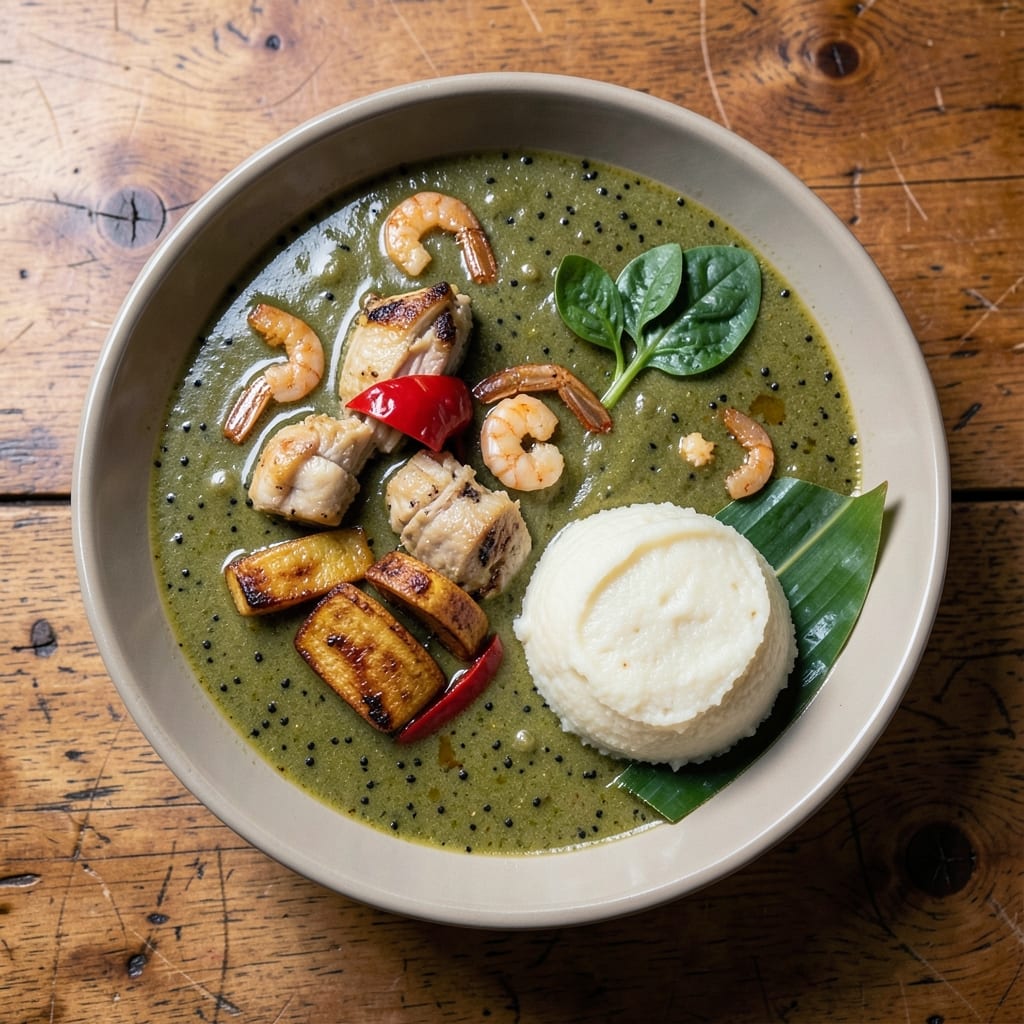
The rich, nutty aroma of African Egusi Soup and the satisfying stretch of homemade Fufu create a meal that feels like a warm embrace. This traditional West African dish combines a hearty stew packed with protein, leafy greens, and ground melon seeds with a doughy side that's both comforting and impressive. I've perfected the balance between the earthy soup and the smooth, stretchy Fufu that's impossible to resist.
What makes this recipe special is the authentic preparation—blending fresh egusi seeds for that signature nutty flavor, simmering the soup until it reaches perfect thickness, and pounding cassava or yam into the ideal Fufu consistency. The secret lies in patience: letting the soup develop its rich taste while the Fufu achieves that signature stretch without sticking to your hands. Every component comes together to create a meal that's both nourishing and deeply satisfying.
By the time you finish this dish, you'll have a steaming bowl of soup filled with tender meat or fish, vibrant greens, and aromatic spices, paired with perfectly textured Fufu that melts in your mouth. The combination of flavors and textures makes this more than just a meal—it's an experience that transports you to West African dining tables. This recipe serves as both a cultural celebration and a comforting family tradition.
Whether you're serving this for a special occasion or a regular family dinner, the process becomes part of the joy. The egusi soup's depth of flavor pairs beautifully with the neutral, soothing quality of Fufu, creating a balance that's hard to find elsewhere. Let's bring this authentic African feast to your kitchen.
Ingredients for african egusi soup and fufu
Nutty egusi seeds and tender protein meet stretchy Fufu for Africa's ultimate comfort meal.
| Ingredient | Amount | Notes |
|---|---|---|
| Egusi Seeds 🌰 | ½ cup | Freshly ground, nutty flavor |
| Dried Shrimp 🦐 | ¼ lb | Rehydrated in warm water |
| Chicken Thighs 🍗 | 1 ½ lb | Bone-in, skin-on preferred |
| Cassava Tubers 🥔 | 2 medium | Peeled, for Fufu dough |
| Yam Tubers 🍠 | 2 medium | Peeled, for Fufu dough |
| Red Bell Peppers 🌶️ | 2 whole | Diced, fresh or frozen |
| Onions 🧅 | 1 whole | Medium, chopped finely |
| Fresh Spinach 🌿 | 4 cups | Chopped, packed leaves |
| Tomato Paste 🍅 | 2 tbsp | Thick, no water added |
| Ground White Pepper 🌶️ | 1 tsp | Freshly ground preferred |
| Salt 🧂 | 1 ½ tsp | Kosher or sea salt |
| Palm Oil 🫒 | ¼ cup | Red palm oil preferred |
| Fresh Ginger 🧄 | 1 inch | Peeled, grated finely |
| Scotch Bonnet Peppers 🌶️ | 1 whole | Seeds removed, chopped |
| Vegetable Oil 🫒 | 2 tbsp | For Fufu pounding |
Egusi seeds are the heart of this soup—freshly ground delivers the best nutty flavor. African markets or specialty stores usually carry them, but online retailers like AfricanFoods.com ship them too. If you can't find fresh, toast whole seeds in a dry pan for 3-4 minutes first to deepen the flavor. The dried shrimp adds that signature umami punch, so don't skip rehydrating them properly (10 minutes in warm water). For the Fufu, cassava and yam work best together—the cassava gives structure while yam adds that signature stretch. Look for firm, unblemished tubers at the grocery store.
No fresh egusi seeds? Ground egusi from a jar works in a pinch, though texture won't be identical. Swap dried shrimp for smoked fish or extra chicken if needed. The Scotch bonnet can be replaced with jalapeño plus cayenne for milder heat. For the greens, spinach is ideal but kale or collards work too. If your palm oil turns out yellow instead of red, annatto seeds steeped in oil will fix that. The Fufu dough should be smooth—if it's too dry, add warm water 1 tbsp at a time. Too sticky? Sprinkle a little cornmeal while pounding.
This soup develops better overnight—make it ahead and reheat gently. Store leftovers in the fridge for 3-4 days or freeze for up to 3 months. The Fufu keeps for 2 days in the fridge but loses its perfect texture—make it fresh when serving. For extra authenticity, serve with shito (black pepper sauce) on the side. The combination of textures—creamy Fufu with rich, nutty soup—is what makes this dish unforgettable.
Why You'll Love This Recipe
- One-Pot Wonder: I swear by this—just toss the chicken, shrimp, and egusi into a single pot, then let the spices do the work. No chopping chaos, no extra bowls, and that nutty egusi paste thickens the soup just right on its own.
- Umami Bomb: Between the dried shrimp’s salty punch and the earthy egusi seeds, this soup hits different. Honestly, the first time I made it, my roommate stole half before I even sat down—no exaggeration.
- Weeknight Crowdpleaser: This feeds six without breaking a sweat. My in-laws showed up unannounced last Sunday, and I had steaming fufu and soup on the table in 45 minutes. (Yes, even with my slow-motion cassava peeling.)
- Budget Stretch: Chicken thighs and cassava keep costs low, but the flavor? Ridiculously good. I’ve made this for three nights in a row with zero waste—leftover soup gets better the next day, and fufu reheats like a dream (if you’re sneaky about it).
Step-by-step instructions for African egusi soup and fufu
Here's how to make this hearty West African classic with rich, nutty soup and stretchy fufu.
Prepare the Chicken and Shrimp Base
In a large pot, add the 1.5 lb chicken thighs and cover with water. Bring to a boil over medium-high heat for 5 minutes to blanch. Drain and set aside. In a separate bowl, soak the 0.25 lb dried shrimp in warm water for 15 minutes to rehydrate.
While the chicken rests, heat 0.25 cup palm oil in a large pot over medium heat. Add the 1 whole onions (chopped finely) and cook for 3 minutes until translucent. Add the 2 tbsp tomato paste and stir for 2 minutes until it darkens slightly. This forms the flavor foundation for your soup.
Build the Nutty Egusi Soup
To the pot, add the rehydrated shrimp (drained), 1.5 tsp salt, and 1 tsp ground white pepper. Stir well to combine. Add 4 cups water and bring to a gentle simmer for 10 minutes. This allows the shrimp to infuse the broth with flavor.
In a small bowl, grind the 0.5 cup egusi seeds into a fine powder using a mortar and pestle or spice grinder. This step is crucial—finely ground seeds dissolve better and create that signature nutty texture. Sprinkle the ground egusi into the simmering broth while stirring continuously for 5 minutes to prevent clumping.
Add Vegetables and Seasonings
Add the blanched chicken thighs back to the pot. Stir in the 2 whole red bell peppers (diced), 1 inch fresh ginger (grated finely), and 1 whole scotch bonnet peppers (seeds removed, chopped). Simmer for 15 minutes until the chicken is cooked through and the vegetables are tender.
Reduce heat to low and stir in the 4 cups fresh spinach (chopped). Cook for 3-4 minutes until the spinach wilts completely. Taste and adjust seasoning—you might need a pinch more salt or pepper to balance the flavors. The soup should be rich but not overly salty, with a perfect balance of nutty, spicy, and savory notes.
Make the Stretchy Fufu Dough
While the soup simmers, prepare the fufu by boiling the 2 medium cassava tubers and 2 medium yam tubers (peeled) separately in salted water for 15-20 minutes until fork-tender. Drain and mash each tuber separately until smooth.
In a large bowl, combine the mashed cassava and yam. Gradually add 2 tbsp vegetable oil while kneading vigorously with your hands. The dough should become elastic and stretchy. If it's too dry, add a splash of warm water. The ideal fufu should hold its shape when pinched but still be soft enough to stretch between your fingers.
Serve Together for the Ultimate Experience
Divide the fufu into 4 equal portions and shape each into a smooth ball. Place each portion on a plate and serve immediately with a generous ladle of the hot egusi soup. The contrast between the smooth, stretchy fufu and the rich, nutty soup is what makes this dish so special.
For best results, serve while the soup is still piping hot and the fufu maintains its soft texture. Each bite should deliver a perfect balance of flavors—creamy fufu soaking up the nutty, spicy, and savory broth. Enjoy this comforting West African meal that's perfect for family gatherings or special occasions!
Pro Tips For Making African Egusi Soup And Fufu
- Toast the Egusi First: I learned this the hard way—skipping the quick toast in a dry pan for 2-3 minutes means your soup will taste raw and bitter. Just until it smells nutty, not burnt, then grind it fresh for that rich, toasted depth.
- Boil Chicken Twice: First boil the chicken thighs in water with a pinch of salt for 10 minutes to remove impurities, then drain. This keeps your soup cleaner-tasting and prevents that off-flavor that sneaks in when you skip it.
- Don’t Overwork the Fufu: Once the cassava and yam mash is smooth, resist the urge to keep kneading it like dough—it turns gummy. Stop when it’s just combined, then let it rest under a damp cloth for 5 minutes before shaping.
- Simmer Shrimp Last: Add the dried shrimp early, but toss in the fresh ones only in the final 5 minutes of cooking. Otherwise, they’ll turn rubbery and lose that delicate snap that makes the soup sing.
Common mistakes when making this dish
Over-Salting the Soup
One of the most common mistakes is over-salting the egusi soup, especially when adding dried shrimp and ground egusi. The shrimp already contains salt, and the nutty egusi has a strong flavor that can make excess salt overwhelming. I recommend tasting the broth before adding all the salt—start with just 1 tsp and adjust gradually. If you've already over-salted, try balancing it with a splash of lemon juice or tomato paste to mellow the flavor. 🧂
Skipping the Blanching
Many cooks skip blanching the chicken thighs before adding them to the soup, which can lead to uneven cooking and a less flavorful broth. The 5-minute blanch removes impurities and jumpstarts the cooking process. Without it, the chicken may end up tough or undercooked while the soup simmers. Always return the blanched chicken to the pot after building the flavor base.
Uneven Egusi Grinding
Using pre-ground egusi from a jar instead of freshly grinding your seeds can create a gritty texture that ruins the soup's smoothness. If you don't have a mortar and pestle, pulse the seeds in a high-powered blender for 30-45 seconds until completely fine. Stir the ground egusi into the broth gradually to prevent clumping. I've found that toasting the seeds for 2-3 minutes first enhances their flavor and makes grinding easier.
Fufu Too Dry or Sticky
The texture of fufu is everything—too dry and it'll crumble, too sticky and it'll be impossible to shape. The key is balancing the mashed cassava and yam with just enough warm water (about 1-2 tbsp at a time) while kneading. If the dough feels too dry, add water gradually; if it's too sticky, sprinkle in a pinch of cornmeal while working. The ideal fufu should be smooth, elastic, and hold its shape when pinched between your fingers.
Rushing the Simmering
Egusi soup needs time to develop its rich, nutty flavor—rushing the simmering process results in a flat-tasting broth. After adding the ground egusi, let it simmer for at least 15 minutes before adding vegetables. The longer the soup simmers, the deeper the flavors become. I often let mine simmer for 20-25 minutes total to ensure maximum flavor extraction from the egusi and shrimp.
Using Wrong Palm Oil
Not all palm oil is created equal—using yellow palm oil instead of the traditional red palm oil changes the soup's color and flavor profile. Red palm oil adds a distinct earthy richness that's essential for authentic taste. If you can't find red palm oil, steep annatto seeds in regular oil for 10 minutes to achieve a similar color and flavor. The oil should be warm but not smoking when you add it to the pot.
Nutrition facts
Frequently asked questions
Can I substitute dried shrimp with another protein?
Yes! For a vegetarian version, use smoked fish or extra chicken thighs (about 2 lbs total). If using fish, add it after the soup has simmered for 10 minutes to prevent breaking apart. For plant-based options, mushrooms or tofu work well—just increase the simmering time by 5-10 minutes to develop flavor.
What if I can't find fresh egusi seeds?
No problem! Use pre-ground egusi from a jar, but toast the seeds first for 2-3 minutes in a dry pan to enhance flavor. For a smoother texture, pulse the ground egusi in a blender for 10 seconds before adding to the soup. If unavailable, peanut butter (unsweetened) can work in a pinch—use 1/4 cup and adjust saltiness carefully.
How do I make fufu without cassava or yam?
For a gluten-free alternative, use green plantains or sweet potatoes (peeled and boiled). Mix equal parts with 1/2 cup cornmeal to improve texture. If you have cocoyam, it works perfectly too. Avoid potatoes alone—they make fufu gummy. For a quicker version, blend cooked cassava/yam with 1 tbsp oil and 2 tbsp water until smooth, then shape immediately.
Can I make this soup ahead of time?
The soup tastes even better the next day. Store in an airtight container in the fridge for 3-4 days or freeze for up to 3 months. Reheat gently on low heat with a splash of water to restore thickness. The fufu is best made fresh but can be prepped 1 day ahead—wrap in plastic and reheat in a steamer for 5 minutes. Never microwave fufu—it makes it rubbery!
Why does my fufu turn out crumbly?
Crumbly fufu usually means the dough was too dry or overworked. The fix? Add 1 tbsp warm water at a time while kneading until smooth. For extra elasticity, mix in 1 tsp cornstarch while pounding. Also ensure your cassava/yam are fully cooked and mashed smooth**—lumps create texture issues. If all else fails, shape the fufu quickly and serve immediately to retain moisture.