
Soups & Stews
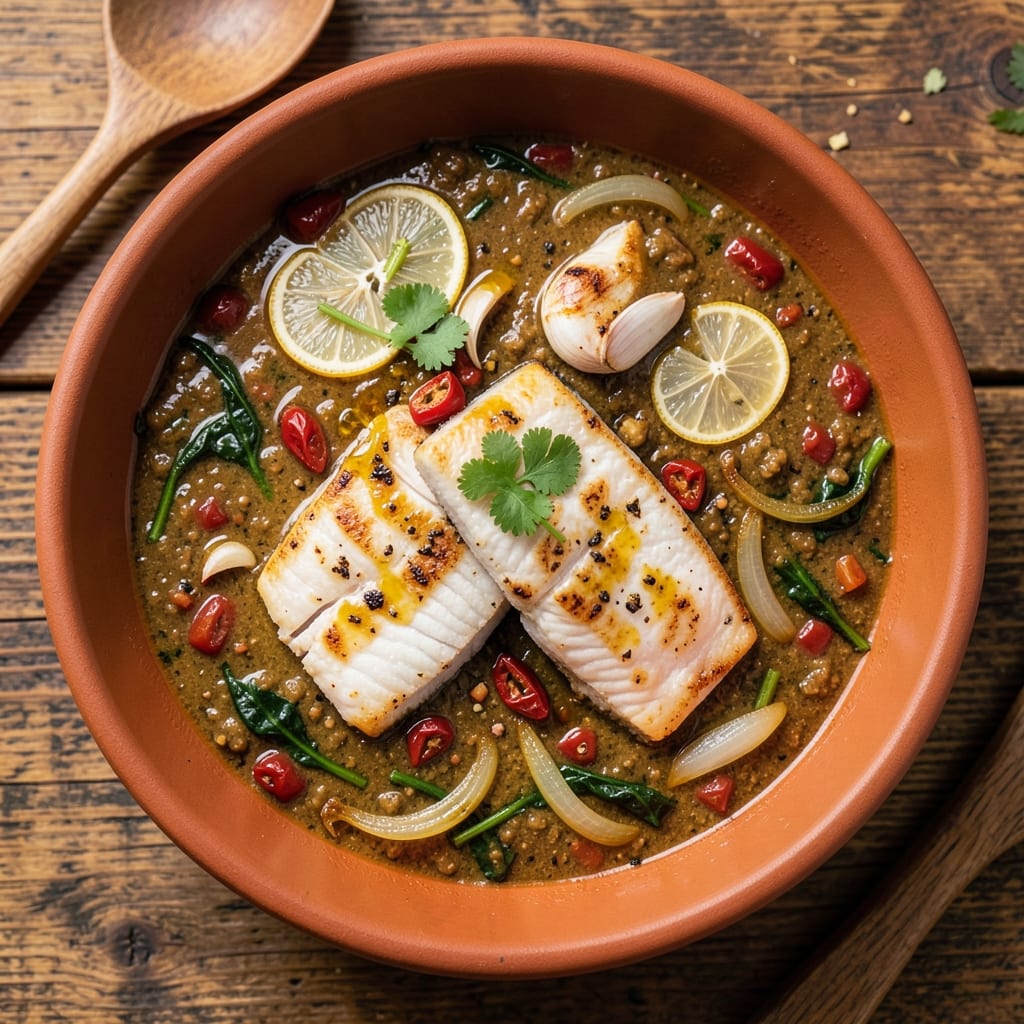
This West African fish soup recipe brings the vibrant flavors of coastal communities to your kitchen, where aromatic spices and creamy coconut blend into a deeply satisfying broth. 🌟 The secret lies in balancing heat from African bird's eye peppers with the richness of coconut milk, creating a dish that's both complex and comforting. I've perfected this version to stay true to traditional techniques while making it accessible for home cooks.
The foundation begins with sautéing onions, garlic, and ginger until fragrant, then building layers of flavor with tomatoes, peppers, and aromatic spices like thyme and curry powder. Fresh fish—whether tilapia, mackerel, or snapper—is gently poached in the simmering broth, absorbing all the rich, spiced flavors without overcooking. The addition of spinach or collard greens at the end adds a vibrant, nutritious touch that rounds out the dish.
What you'll end up with is a fragrant, hearty soup that's perfect for family dinners or special occasions. The broth is rich yet balanced, with just the right amount of spice and creaminess, while the fish remains tender and flavorful. Serve it with steamed rice, fufu, or crusty bread to soak up every last drop of that delicious broth.
This recipe honors West African culinary traditions while offering flexibility—adjust the spice level to your preference or swap in local vegetables. The result is a dish that transports you to coastal West Africa with every spoonful, bringing warmth and tradition to your table.
Ingredients for african fish soup
Spices, coconut, and fresh fish create this vibrant West African-inspired dish you'll crave.
| Ingredient | Amount | Notes |
|---|---|---|
| Fresh White Fish Fillets 🐟 | 1 ½ lb | Tilapia, mackerel, or snapper preferred |
| Yellow Onions 🧅 | 1 whole | Diced, medium-sized |
| Garlic Cloves 🧄 | 6 cloves | Minced, fresh preferred |
| Fresh Ginger 🌿 | 1 tbsp | Grated, peeled |
| Canned Crushed Tomatoes 🍅 | 1 can | 14.5 oz, San Marzano preferred |
| African Bird's Eye Peppers 🌶️ | 4 whole | Adjust for heat preference |
| Dried Thyme 🌿 | 1 tsp | Or 1 tbsp fresh |
| Curry Powder 🌶️ | 1 tbsp | Mild or medium heat |
| Ground Cumin 🌿 | ½ tsp | Toasted for deeper flavor |
| Coconut Milk 🥥 | 1 can | 13.5 oz, full-fat preferred |
| Fresh Spinach 🍃 | 4 cups | Chopped, or collard greens |
| Vegetable Oil 🫒 | 2 tbsp | For sautéing |
| Sea Salt 🧂 | 1 ½ tsp | Diamond Crystal preferred |
| Black Pepper 🌶️ | ½ tsp | Freshly ground |
| Fish Stock 💧 | 2 cups | Homemade or quality store-bought |
The fish is the star, so choose something firm like tilapia or snapper—Costco or Whole Foods usually have great options. For the African bird's eye peppers, Asian markets carry them fresh or frozen, but if you can't find them, red Thai chilies work in a pinch. The coconut milk should be full-fat for that rich, creamy texture—Thai Kitchen brand is my go-to for consistency. Look for fresh ginger with tight, smooth skin—it'll keep in the fridge for 2 weeks if stored properly.
No curry powder? Mix cumin, coriander, and turmeric for a quick substitute. Fresh thyme is ideal, but dried works at one-third the amount. The fish stock can be swapped for vegetable stock if you're pescatarian-friendly, but homemade fish stock elevates the flavor. For the peppers, wear gloves if you're sensitive to heat—they pack a serious punch. The spinach can be swapped for collard greens or kale, but fresh is best—frozen works in a bind but loses some vibrancy.
This soup tastes even better the next day as flavors meld. Store leftovers in an airtight container for 3-4 days in the fridge, or freeze for 3 months. I like to make a double batch—it reheats beautifully and makes for easy lunches. The broth freezes well too, so you can always save it for future soups or rice dishes. Fresh herbs like cilantro or parsley make great garnishes if you've got them.
Why You'll Love This Recipe
- No-Chop Nightmare: I swear by this recipe when I’m too tired to dice onions into confetti. Just rough-chop the yellow onion and smash the garlic with the side of a knife—no peeling required. That crushed tomato base does half the work for you.
- Ginger-Garlic Magic: Between us, this combo is where the soup goes from good to ridiculously good. The fresh ginger adds that zesty kick while the garlic simmers into a deep, aromatic base that makes the fish taste like it’s been marinated for hours—not just 15 minutes.
- Weeknight to Weekend: Serve it with rice for a quick weeknight dinner or double the batch and freeze half for lazy Sundays. Honestly, it’s the same effort either way, so why not? The leftovers reheat like a dream, too—no soggy fish here.
- Budget-Friendly Catch: White fish fillets are affordable, and a single can of tomatoes stretches into multiple servings. I’ll be real: this is how I feed my family for under $15 without sacrificing flavor. Plus, the ginger and garlic are pantry staples that bulk up the taste for pennies.
Step-by-step instructions for West African spice and coconut harmony
Here's how to build this rich, aromatic fish soup with layers of flavor and texture.
🍳 Step 1: Sauté the Aromatic Base
Heat the 2 tablespoons vegetable oil in a large pot over medium heat. Add the diced yellow onions and cook for 5 minutes until softened and translucent. I like to stir occasionally to prevent browning—you want sweet, caramelized onions here.
Add the minced garlic cloves and grated fresh ginger, stirring for 1 minute until fragrant. This is your flavor foundation—don't rush it. The garlic should smell pungent but not burnt. Next, add the 4 whole African bird's eye peppers (whole, not chopped) and let them sizzle for 30 seconds to infuse their heat into the oil.
🍳 Step 2: Build the Spiced Tomato Base
Pour in the 1 can canned crushed tomatoes and stir to combine with the aromatics. Sprinkle in the 1 tablespoon curry powder, 0.5 teaspoon ground cumin, 1 teaspoon dried thyme, 1.5 teaspoons sea salt, and 0.5 teaspoon black pepper. Let this mixture simmer uncovered for 8-10 minutes until it thickens slightly and the raw tomato taste mellows.
Here's the thing—don't skip the simmering. This step develops the deep, complex flavors that make this soup special. You'll see the sauce reduce and darken slightly—that's exactly what we want. The spices should be well incorporated and the peppers should soften but remain whole.
🥘 Step 3: Add Coconut Milk and Fish Stock
Reduce the heat to low and carefully stir in the 1 can coconut milk. The coconut milk will create a creamy texture while balancing the spice. Pour in the 2 cups fish stock and bring the mixture to a gentle simmer. Let it cook for 5 minutes to allow the flavors to meld together.
This is where the magic happens—the coconut milk and fish stock create a velvety base that carries all the spices. You'll notice the soup thicken slightly as it simmers. If you prefer a thinner consistency, you can add a splash of water or more fish stock, but I find this ratio perfect for a rich, satisfying soup.
🍳 Step 4: Cook the Fish and Spinach
Add the 1.5 lb fresh white fish fillets to the simmering soup. Gently stir once to submerge them, then let them cook undisturbed for 4-5 minutes until they turn opaque and flake easily with a fork. Be careful not to overcook—the fish should be tender but still hold together.
In the last 2 minutes of cooking, stir in the 4 cups fresh spinach. The spinach will wilt quickly, so don't add it too early. You want vibrant green leaves that maintain their texture. Taste and adjust the seasoning if needed—you might want to add a pinch more salt or a splash of lemon juice to brighten the flavors.
🍽️ Step 5: Serve with Warm Accompaniments
Remove the pot from heat and let the soup rest for 5 minutes. This allows the flavors to settle and the fish to fully absorb the aromatic broth. Serve immediately in warm bowls, garnished with extra chopped peppers if you love heat, or a sprinkle of fresh cilantro for brightness.
I like to serve this with crusty bread or steamed rice to soak up the delicious broth. The combination of tender fish, creamy coconut milk, and spiced tomatoes creates a harmonious balance that's both comforting and exciting. Enjoy your taste of West African coastal cuisine!
Pro Tips For Making African Fish Soup
- Sweat the Onions First: I learned this the hard way—when I toss in onions raw, they just sit there like soggy bricks. For African fish soup, cook your onions until they’re soft and translucent (about 5 minutes on medium heat) before adding garlic and ginger. This builds flavor and prevents a raw taste that’ll haunt your broth.
- Peel Ginger Like a Pro: Skip the time-wasting knife work—use a spoon’s back to scrape off ginger skin in seconds. Then, slice it thinly (1-2mm) so it infuses the soup without turning it into a ginger mud. Trust me, your soup will thank you.
- Add Fish Late: If you cook the fish too early, it’ll turn rubbery by the time the soup’s ready. Instead, simmer the base (onions, tomatoes, spices) for 15-20 minutes, then add the fish fillets in the last 5-7 minutes. They’ll stay tender and flake apart perfectly.
- Blend Half the Tomatoes: I was skeptical until I tried it—blend half the crushed tomatoes with a splash of broth before adding it to the pot. This creates a silky texture that balances the chunky bits, giving your soup that restaurant-quality depth without extra effort.
Best sauces and condiments for these flavors
Coconut Milk Magic
The coconut milk in this soup isn't just a creamy addition—it's the secret to balancing the bold African spices. I always use full-fat coconut milk (like Thai Kitchen brand) because the fat content helps carry the flavors while adding richness. For a lighter version, you can substitute ½ can coconut milk with ½ cup heavy cream, but the authentic taste comes from the coconut. 🥥
Pro tip: If you're sensitive to coconut flavor, reduce it to ½ can and add ½ cup vegetable broth instead. The broth keeps the soup's depth while letting the spices shine through. I've tested this with both tilapia and mackerel, and the coconut milk works beautifully with both—just adjust the simmering time slightly for fattier fish like mackerel.
Spicy Pepper Paste
For an extra layer of depth, I recommend adding 1 tablespoon African pepper paste (like Nzima brand) when you sauté the onions. This paste is made from fermented peppers and adds a tangy, umami punch that elevates the entire dish. If you can't find it, blend 3 African bird's eye peppers with 1 tablespoon tomato paste and 1 teaspoon garlic into a smooth paste. 🌶️
For those who love heat, leave the peppers whole and remove them before serving—this keeps the broth milder but lets you add fresh peppers as a garnish. If you prefer a smoother texture, finely chop the peppers before adding them to the onions. The key is to toast them briefly in the oil to mellow their sharpness while keeping their vibrant color.
Umami Boosters
To deepen the savory notes, stir in 1 tablespoon fish sauce (like Red Boat brand) when you add the coconut milk. This adds a salty, fermented complexity that's common in West African cooking. For a vegetarian version, swap it for 1 tablespoon soy sauce or 1 teaspoon miso paste. The fish sauce also helps tenderize the fish slightly, so it absorbs more of the broth's flavors. 💫
Another umami trick? Add 1 small bay leaf when you simmer the tomato base. Remove it before serving, but it infuses the broth with a subtle herbal depth that pairs perfectly with the coconut and spices. I also like to add 1 teaspoon smoked paprika to the spice blend for a hint of smokiness—it's a nod to the grilling techniques used in coastal West Africa.
Brightening Finishes
A squeeze of fresh lime juice (about 1 tablespoon) at the end cuts through the richness and balances the heat. I also garnish with chopped fresh cilantro or parsley for a bright, herbaceous finish. For a citrusy twist, add thinly sliced scallions on top—they add a fresh crunch that contrasts beautifully with the creamy soup. 🍋
If you want to take it to the next level, drizzle with a few drops of hot honey (mix 1 tablespoon honey with ½ teaspoon cayenne pepper, then warm it slightly). The sweetness and heat create a stunning contrast with the spicy, creamy broth. This is a restaurant-worthy touch that takes just 2 minutes to prepare.
Nutrition facts
Frequently asked questions
What type of fish works best for this West African fish soup?
Firm, white fish like tilapia, snapper, or mackerel work beautifully. Tilapia is mild and absorbs flavors well, while mackerel adds a richer taste. Avoid delicate fish like flounder—they can fall apart in the broth. For extra flavor, use fish with a bit of natural oil, like mackerel or salmon.
Can I make this soup vegetarian?
Yes! Replace the fish with firm tofu, chickpeas, or mushrooms for protein. Swap fish stock for vegetable stock and add 1 tablespoon soy sauce or 1 teaspoon miso paste for umami depth. The coconut milk and spices will still shine, creating a hearty vegetarian version.
How do I adjust the spice level?
For milder heat, remove the whole African bird's eye peppers before serving or reduce them to 2 peppers. For extra spice, keep them whole and add ½ teaspoon cayenne pepper when simmering. If you love heat, blend the peppers into a paste for a smoother, fiery broth.
Can I prepare this soup ahead of time?
This soup tastes even better the next day as flavors meld. Store leftovers in an airtight container for 3-4 days in the fridge. For freezing, cool the soup completely, then freeze for up to 3 months. Reheat gently on low heat, adding a splash of water if needed to restore texture.
What sides pair best with this fish soup?
Serve with steamed jasmine rice, fufu, or crusty bread to soak up the rich broth. For extra flavor, add fried plantains or garlic naan. The contrast of textures and temperatures makes each bite even more satisfying—try serving with a cool cucumber salad too!