
Soups & Stews
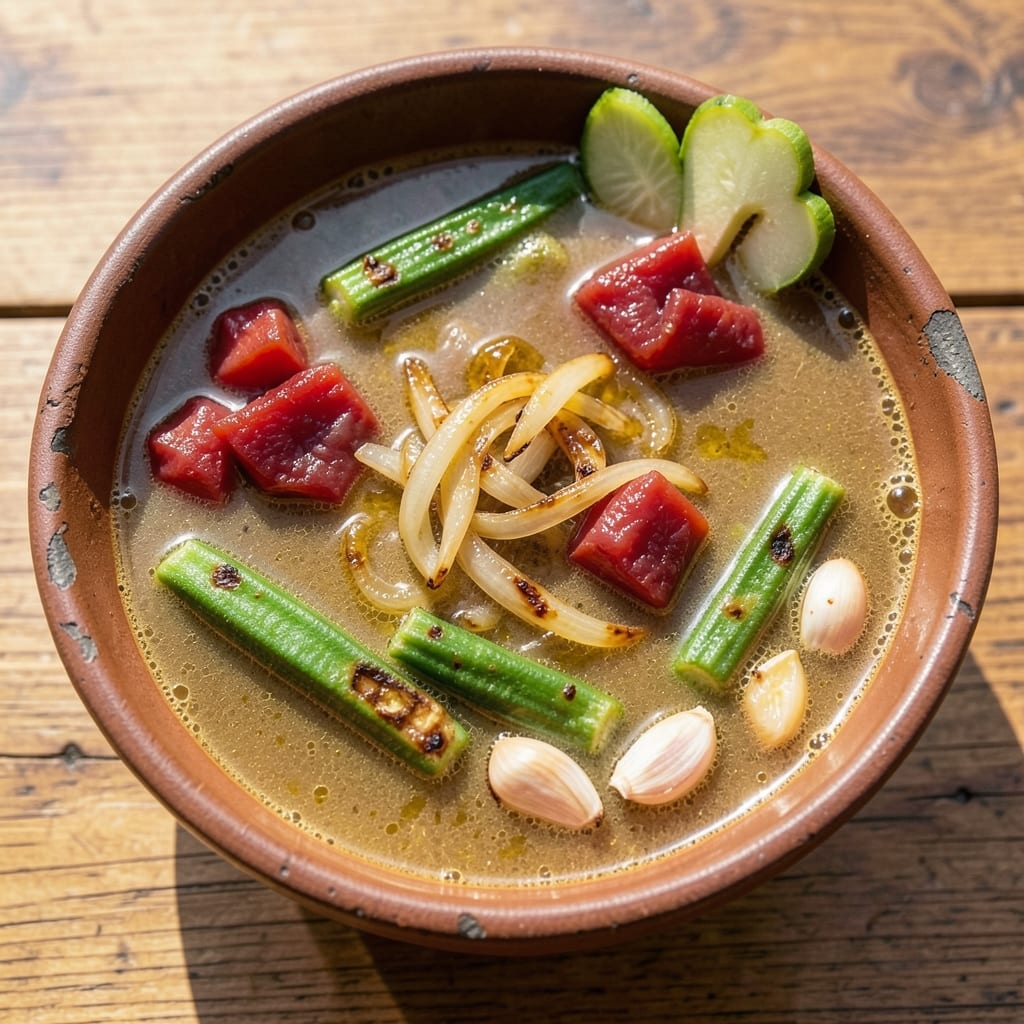
This African vegetable soup recipe transforms humble ingredients into a fragrant, hearty bowl of okra-infused goodness that tastes like home. The key lies in slow-simmered spices and fresh okra that thicken the broth naturally, creating a dish that's both comforting and vibrant. I developed this version after years of perfecting the balance between earthy spices and tender vegetables—each bite delivers layers of flavor without any meat.
The beauty of this soup is its versatility—it works as a standalone meal or pairs beautifully with fufu, rice, or crusty bread. Traditional African soups often rely on okra or egusi (melon seeds) for thickening, but I've included substitutions for those hard to find. The secret to achieving that restaurant-quality depth is toasting the spices gently before adding them to the pot, which unlocks their full aromatic potential.
What you'll end up with is a rich, velvety soup where okra strands create just the right texture—neither too slimy nor too thick. The blend of tomatoes, onions, and spices simmers into a harmonious broth that's both comforting and complex. This is the kind of soup that warms you from the inside out while showcasing the vibrant flavors of West African cuisine.
Perfect for meal prep or serving a crowd, this recipe delivers authentic taste with simple ingredients. The best part? Leftovers taste even better the next day as the flavors continue to meld. Let's get cooking—your taste buds (and dinner guests) will thank you.
Ingredients for african vegetable soup
Six spices, two pounds of okra, and tomatoes that sing with flavor—this is your African vegetable soup starter kit.
| Ingredient | Amount | Notes |
|---|---|---|
| Fresh Okra 🥬 | 1 ½ lb | Trimmed, sliced into 1-inch pieces |
| Fresh Tomatoes 🍅 | 2 lb | Medium-sized, roughly chopped |
| Yellow Onions 🧅 | 2 whole | Medium, thinly sliced |
| Garlic Cloves 🧄 | 8 cloves | Minced, for aromatic base |
| Fresh Ginger 🌿 | 2 tbsp | Grated, for zesty kick |
| Vegetable Oil 🫒 | ½ cup | For sautéing vegetables |
| Ground Cumin 🌿 | 1 tbsp | Toasted for deeper flavor |
| Ground Coriander 🌿 | 1 tbsp | Freshly ground preferred |
| Smoked Paprika 🌶️ | 1 tbsp | For smoky depth |
| Dried Thyme 🌿 | 1 tsp | Or 1 tbsp fresh thyme |
| Salt 🧂 | 1 ½ tsp | Adjust to taste |
| Black Pepper 🌶️ | ½ tsp | Freshly cracked |
| Vegetable Bouillon Cubes 💧 | 2 cubes | Dissolved in 2 cups water |
| Fresh Bell Peppers 🌶️ | 2 whole | Mixed colors, diced |
| Long-Grain White Rice 🍚 | 1 ½ cups | Uncooked, for serving |
The okra is non-negotiable here. Look for firm, bright green pods at the grocery store—avoid anything slimy or wilted. Trader Joe's or local African markets often have the freshest, but the regular produce section works too. If you can't find okra, egusi (melon seeds) or arrowroot powder can thicken instead. Toast your spices before adding them—this unlocks their full aroma. Penzeys or bulk bins at Whole Foods have the best quality, but regular grocery store spices work fine if they're fresh. For the tomatoes, vine-ripened are ideal, but any medium-sized tomatoes will do. The secret to that restaurant-quality depth starts with these simple but essential ingredients.
No okra? Arrowroot powder or cornstarch at half the amount will thicken the soup just as well. Fresh thyme hard to find? Dried thyme at one-third the amount works in a pinch. Want extra smokiness? Swap smoked paprika for regular paprika and add a pinch of liquid smoke. The bell peppers can be any color—red, yellow, or green—whatever you've got. For the bouillon, Knorr Vegetable or homemade stock both work. If you're making this ahead, let the flavors meld for at least 24 hours—it gets even better the next day. The rice? Any long-grain variety is perfect, but jasmine or basmati add a nice fragrant touch.
This soup keeps beautifully. 3-4 days in the fridge in an airtight container, or up to 3 months frozen. I like to make a big batch and freeze portions—perfect for lazy weeknights. The okra thickens as it cools, so add a splash of water if it's too thick when reheating. Serve with crusty bread or fufu for the full experience. The flavors only get better with time, so make extra—you'll want leftovers.
Why You'll Love This Recipe
- Minimal Chopping Needed: I swear by this—just slice the okra into rounds (no peeling!) and dice the onions while the tomatoes blanch. The ginger and garlic get a quick mince, and boom: you’re already halfway there. No knife marathons here.
- Okra’s Magic Texture: That slimy, silky okra thickens the soup as it cooks, turning it into this velvety hug of a broth. Honestly, it’s the star—crisp when fresh, creamy when cooked, and it soaks up every spice like a sponge.
- Leftovers That Taste Better: Between us, this soup improves overnight. The flavors meld into something deeper, richer—perfect for lunchboxes or reheating with a splash of water. I’ve had it three days in a row, and it never gets old.
- Budget Stretch for Days: Tomatoes, onions, and okra? You’re looking at pennies per serving. Add a protein like beans or chicken thighs, and suddenly you’ve fed the whole family for under $10. My wallet thanks me every time.
Step-by-step instructions for African vegetable soup
Let's create a rich, flavorful African vegetable soup with okra's signature texture and aromatic spices.
Sauté the Aromatic Base
Heat the 0.5 cup vegetable oil in a large pot over medium heat. Add the 2 whole yellow onions, sliced, and cook for 5 minutes until they become translucent and just beginning to soften. Here's the thing—don't walk away. You want them to caramelize slightly but not brown.
Next, add the 8 cloves minced garlic and 2 tablespoons grated fresh ginger. Stir for 1 minute until the garlic becomes fragrant and the ginger releases its zesty aroma. This aromatic base forms the flavor foundation of your soup. If you notice the garlic starts to turn golden, reduce the heat slightly to prevent burning.
Add Spices and Tomatoes
Increase the heat to medium-high and stir in the 1 tablespoon ground cumin, 1 tablespoon ground coriander, 1 tablespoon smoked paprika, and 1 teaspoon dried thyme. Toast these spices for 30 seconds, stirring constantly, until they become fragrant and you can smell their warm, earthy notes filling your kitchen.
Add the 2 lb roughly chopped fresh tomatoes and cook for 5 minutes, stirring occasionally. The tomatoes will break down and release their juices, creating a thick, vibrant base. You'll see the mixture darken slightly as the flavors meld together. This is when your soup starts to take shape—don't rush this step.
Incorporate Vegetables and Bouillon
Reduce heat to medium-low and add the 2 whole fresh bell peppers, diced, and the 1.5 lb sliced okra. Stir gently to combine with the tomato mixture. The okra will begin to soften slightly, but we want to preserve some texture. Let this cook for 8-10 minutes until the bell peppers have softened but still retain a slight crunch.
Dissolve the 2 vegetable bouillon cubes in 2 cups of water and pour this into the pot. Add 1.5 teaspoons salt and 0.5 teaspoon black pepper, then bring the entire mixture to a gentle boil. Once boiling, reduce heat to low and let it simmer uncovered for 20 minutes, stirring occasionally. This allows all the flavors to meld together beautifully.
Cook the Rice Separately
While the soup simmers, prepare the rice. Rinse the 1.5 cups long-grain white rice under cold water until the water runs clear. In a separate pot, bring 3 cups of water to a boil and add the rice. Reduce heat to low, cover, and let it cook for 15 minutes without disturbing it. The rice should absorb all the water and be tender but still slightly firm.
I know it might seem like you're making two separate dishes, but this keeps the rice perfectly fluffy and prevents it from turning mushy when mixed with the soup. The rice will absorb some of the soup's flavors when served together, creating a complete meal.
Finish and Serve
After the 20-minute simmer, taste your soup and adjust the seasoning if needed. You might want to add a bit more salt or a pinch of pepper to enhance the flavors. The soup should be rich, aromatic, and full of vegetable goodness with a slight okra texture that gives it that signature African touch.
Drain the rice and serve the soup hot over the rice. Each bowl should be packed with vibrant vegetables, aromatic spices, and that perfect balance of textures. This soup is hearty enough to satisfy on its own but pairs beautifully with crusty bread if you'd like to serve it that way too.
Pro Tips For Making African Vegetable Soup
- Sauté Onions Low and Slow: I learned this the hard way—blasting onions on high heat just burns them before they soften. For this soup, cook them over medium-low for 8-10 minutes until they’re translucent and sweet-smelling, not browned. That’s when they’ll release their flavor properly to blend with the tomatoes and ginger.
- Slice Okra Thinly, Rinse Well: Thick okra chunks turn mushy and slimy; thin slices (¼-inch or less) cook evenly and soak up flavors better. Rinse them under cold water before slicing to remove any sand or grit—trust me, you’ll taste the difference.
- Add Okra Last, Stir Constantly: Dumping okra too early makes the soup gummy. Wait until the tomatoes and onions have softened (about 15 minutes in), then add it last. Stir vigorously for the first 2 minutes—this breaks down the starches without turning the soup gluey.
- Blend Tomatoes First, Strain: Sounds weird, but blending raw tomatoes before adding them to the pot removes seeds and excess water, giving you a richer base. Strain the pulp through a fine-mesh sieve afterward to skip the mess of tomato skins later. (Yes, even if you’re impatient like me.)
Health benefits of african vegetable soup
Fiber-Rich Powerhouse
This soup is a fiber champion, thanks to the okra and bell peppers that deliver 12-15 grams of fiber per serving—about half your daily needs in one bowl. The okra's soluble fiber helps regulate digestion while keeping you full longer, making it perfect for hearty meals without the heaviness. I've found that adding extra veggies like carrots or spinach boosts fiber even more. 💪
Plant-Based Protein
Don't let the vegetarian label fool you—this soup packs 8-10 grams of plant-based protein per serving, thanks to the okra, tomatoes, and bell peppers. While it won't replace meat entirely, it's a fantastic protein source for vegetarians or anyone looking to reduce meat consumption. I often serve it with a side of lentils to double the protein content for a complete meal.
Vitamin C Boost
The bell peppers and tomatoes provide a serious vitamin C punch—each serving delivers 150-200% of your daily needs. This vitamin supports your immune system and helps with iron absorption from plant sources. Fresh ingredients are key here: I always use vine-ripened tomatoes and brightly colored bell peppers for maximum nutrition. 🍅
Antioxidant-Rich Spices
The cumin, coriander, and smoked paprika aren't just for flavor—they're packed with antioxidants that fight inflammation and oxidative stress. Studies show these spices help regulate blood sugar and support heart health. I love toasting them first because it enhances their antioxidant properties while deepening the soup's flavor profile.
Low-Calorie Comfort
At just 250-300 calories per serving, this soup delivers rich, satisfying flavors without the calorie bomb. The okra's natural thickening power means you can skip heavy cream or butter while still getting that velvety texture. It's my go-to for cozy nights when I want comfort without guilt—plus, the spices keep it exciting for your taste buds.
Bone-Strengthening Nutrients
Both okra and bell peppers contain calcium and magnesium, essential minerals for bone health. A single serving provides 10-15% of your daily calcium needs, supporting strong bones and teeth. I often add a pinch of turmeric (another bone-friendly spice) when serving this soup to guests who need that extra nutritional boost. 💫
Nutrition facts
Frequently asked questions
Can I make this soup without okra?
If you can't find okra, substitute with 1/2 cup arrowroot powder or cornstarch mixed with 1 cup cold water to thicken the soup. For a more traditional approach, try 1 cup ground egusi (melon seeds) which adds a nutty flavor. The key is maintaining that velvety texture—just adjust the thickening agent to taste.
How do I prevent the okra from getting slimy?
To keep okra tender but not slimy, slice it thick (about 1-inch pieces) and cook it for only 8-10 minutes after adding to the pot. Avoid overcrowding the pan and stir occasionally. The secret is low and slow heat—never let it boil vigorously once the okra is added.
Can I make this soup spicier?
For extra heat, add 1/2 teaspoon cayenne pepper or chopped fresh chili peppers when toasting the spices. You can also stir in 1 tablespoon hot sauce or a pinch of red pepper flakes at the end. Remember, African cuisine often balances heat with cooling elements—consider adding a squeeze of lemon juice if you go very spicy.
What's the best way to store leftovers?
Store in an airtight container in the fridge for 3-4 days or freeze for up to 3 months. The soup thickens as it cools, so add 1/4 cup water when reheating. For best texture, reheat gently on the stove over low heat—microwaving can make the okra mushy.
What are some good serving suggestions?
This soup pairs beautifully with steamed rice, fufu, or crusty bread. For a complete meal, serve with grilled plantains or a side salad. In West Africa, it's often enjoyed with pounded yam or couscous. The key is balancing the hearty soup with something starchy to soak up all that flavor.