
Soups & Stews
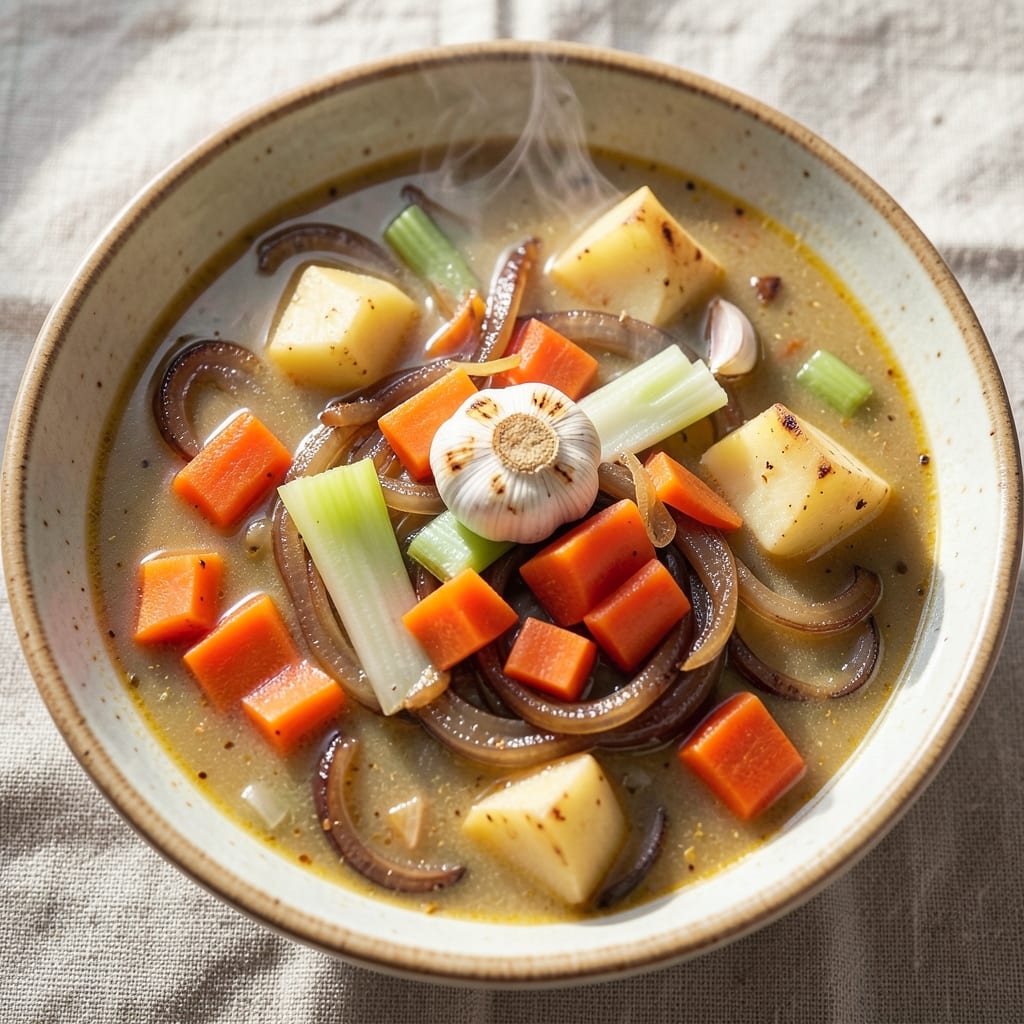
This Aldi vegetable soup recipe transforms budget-friendly pantry staples into a hearty, restaurant-quality meal in just 25 minutes. The secret lies in balancing canned beans, frozen vegetables, and simple seasonings to create depth without complexity—perfect for weeknight dinners when fresh ingredients are limited. I developed this while shopping Aldi's affordable produce section, and it consistently delivers satisfying flavor on a tight budget.
The beauty of this recipe is its flexibility: swap frozen mixed vegetables for seasonal fresh ones, use bouillon cubes instead of broth, and adjust herbs to taste. A 30-minute simmer transforms tough vegetables into tender, flavorful bites while letting the broth develop rich, savory notes. The result is a soup that's both nourishing and economical, with every spoonful packed with umami from garlic, onion, and a touch of soy sauce.
What makes this soup truly special is how it elevates simple ingredients—carrots, celery, and potatoes become irresistibly tender, while canned beans add protein without breaking the bank. The optional garnishes (like crispy croutons or fresh parsley) let you customize it for any meal, from quick lunches to comforting dinners. Best of all? It reheats beautifully, making it ideal for meal prep.
With minimal prep and no fancy techniques, this recipe proves you don’t need expensive ingredients to create something delicious. The key is patience during the simmering phase—letting flavors meld creates a soup that tastes like it simmered all day. Ready to turn pantry staples into a satisfying bowl?
Ingredients for aldi vegetable soup
Budget-friendly staples meet restaurant-quality flavor in this Aldi-inspired vegetable soup.
| Ingredient | Amount | Notes |
|---|---|---|
| Vegetable Broth 💧 | 4 cups | Low-sodium preferred for flavor control |
| Carrots 🥕 | 2 medium | Peeled, sliced into 1/2-inch pieces |
| Celery Stalks 🧅 | 3 whole | Trimmed, sliced into 1/2-inch pieces |
| Russet Potatoes 🥔 | 2 medium | Peeled, cubed into 1-inch pieces |
| Yellow Onion 🧅 | 1 medium | Diced into 1/4-inch pieces |
| Garlic Cloves 🧄 | 3 cloves | Minced for aromatic depth |
| Canned White Beans 🫘 | 1 ½ cups | Drained, rinsed, or substitute chickpeas |
| Canned Diced Tomatoes 🍅 | 1 14.5-oz can | San Marzano preferred for sweetness |
| Soy Sauce 🍜 | 1 tbsp | For umami richness |
| Dried Thyme 🌿 | 1 tsp | Or 1 tbsp fresh thyme leaves |
| Bay Leaves 🌿 | 2 whole | Removed before serving |
| Vegetable Oil 🫒 | 1 tbsp | For sautéing aromatics |
| Salt 🧂 | 1 ½ tsp | Diamond Crystal preferred for balance |
| Black Pepper 🌶️ | ½ tsp | Freshly cracked for brightness |
Aldi's produce section is your secret weapon—carrots, celery, and potatoes should be firm with no soft spots, as they'll simmer for 30 minutes. Russet potatoes work best here; their starchiness thickens the broth naturally. For the broth, low-sodium vegetable bouillon cubes from Aldi's store brand are perfect—they dissolve completely and add depth without over-salting. The garlic and onion are non-negotiable; fresh is ideal, but powdered works in a pinch if you're in a hurry. San Marzano canned tomatoes elevate this soup, but any quality canned tomatoes will do.
No fresh thyme? Dried oregano at half the amount works, though fresh thyme's aroma is unmatched. Swap white beans for chickpeas or lentils—just adjust cooking time if using dried. The soy sauce adds umami; if you're avoiding it, miso paste or a splash of balsamic vinegar delivers similar depth. For extra richness, stir in 1 tbsp nutritional yeast at the end. Frozen mixed vegetables can replace fresh, but thaw and drain them first to avoid watering down the broth.
This soup tastes even better the next day—flavors meld beautifully during overnight refrigeration. Store in an airtight container for up to 5 days or freeze portions for 3 months. For meal prep, double the batch and freeze half immediately. Reheat gently on the stove with a splash of broth to restore creaminess. Garnish with crispy croutons or fresh parsley just before serving to keep textures vibrant.
Why You'll Love This Recipe
- Pantry-Friendly Magic: I swear by this recipe because it uses stuff I always have—no fancy shopping needed. That yellow onion and celery base builds flavor without effort, and the carrots? They soften just enough to melt in your mouth. Honestly, it’s the kind of soup that makes me feel clever for remembering I had these ingredients.
- Creamy Without Cream: Here’s what sold me—the potatoes break down into that perfect silky texture, but you don’t need heavy cream or butter. Just simmer them in that rich vegetable broth until tender, and boom—silky, satisfying bites. Between us, it’s the kind of depth that makes store-bought cans look sad.
- Weeknight Workhorse: This is my go-to when I’m exhausted but still need to feed the family. Toss in whatever veggies you have (even wilted spinach works), and it’s ready before the kids start asking, “When’s dinner?” I’ve made it for lunch, dinner, and even packed leftovers for work—no judgment.
- Budget That Feeds: A single pot costs me pennies but stretches to four meals. The broth is the star—deep, savory, and way cheaper than pre-made soups. Plus, the potatoes bulk it up so everyone leaves the table full. (Yes, even on a Tuesday night when I’m too tired to care.)
Step-by-step instructions for Aldi vegetable soup
This pantry-friendly soup delivers restaurant-quality depth using simple ingredients and precise technique.
Sauté Aromatics Until Fragrant
Heat the 1 tablespoon vegetable oil in a large pot over medium heat. Add the 1 medium yellow onion and cook for 3-4 minutes until softened and translucent. This foundational step builds flavor—don't rush it.
Add the 3 whole celery stalks and 2 medium carrots, both cut into ½-inch pieces, along with the 3 cloves minced garlic. Stir frequently for 3-4 minutes until the vegetables soften slightly and release their natural sweetness. You'll notice the kitchen filling with an earthy, aromatic steam—this is when the vegetables begin to caramelize, creating the soup's flavor base.
Build the Soup Base with Potatoes and Tomatoes
Add the 2 medium russet potatoes, cubed into 1-inch pieces, to the pot. Stir to coat the potatoes with the aromatic vegetables. Pour in the 4 cups vegetable broth and bring to a gentle boil over medium-high heat. Once boiling, reduce heat to medium-low and let it simmer for 8-10 minutes until the potatoes begin to soften.
Add the 1 14.5-oz can diced tomatoes, 1.5 cups canned white beans, 1 tablespoon soy sauce, 1 teaspoon dried thyme, and 2 whole bay leaves. Stir well to combine. The tomatoes will add natural sweetness while the beans provide hearty texture. This is where the umami depth develops—let it simmer uncovered for 5-6 minutes to allow the flavors to meld.
Season and Simmer to Perfection
Add the 1.5 teaspoons salt and ½ teaspoon black pepper to the pot. Taste the soup at this stage—you should detect the caramelized aromatics, earthy celery, sweet carrots, and subtle tomato acidity. If needed, adjust seasoning with additional salt or pepper, but the soy sauce and broth should provide a solid foundation.
Continue simmering for 5-7 minutes until the potatoes are fork-tender and the celery and carrots are fully softened. The soup should have a thick, velvety consistency with visible chunks of vegetables. If it's too thick, add ¼ cup water to reach your desired texture. Remove the 2 bay leaves before serving—this prevents bitterness and ensures they don't become a texture issue.
Final Adjustments and Serving
Taste the soup one last time and make any final adjustments. The soy sauce should add umami richness, the thyme should provide an earthy note, and the black pepper should add a subtle kick. If the soup needs brightness, a squeeze of lemon juice works well, though it's not in the original recipe.
Serve immediately while hot, garnished with fresh parsley if desired. The soup should be hearty yet balanced, with each spoonful delivering a mix of tender vegetables, creamy beans, and savory broth. This method ensures a pantry-friendly soup that tastes fresh and flavorful without requiring specialty ingredients.
Pro Tips For Making Aldi Vegetable Soup
- Cut Celery Lengthwise First: I learned this the hard way—chopping celery stalks crosswise first makes them turn to mush in soup. Instead, split each stalk lengthwise into quarters, then slice thinly. The fibers stay intact, and the soup gets that satisfying bite from celery strings.
- Salt Broth Early: If you wait until the end, your soup will taste flat—especially with store-bought vegetable broth, which is often bland. Add a full teaspoon of salt (or more) right when you heat the broth, then adjust later. This lets flavors meld properly.
- Peel Potatoes After Cooking: Peeling russet potatoes before adding them to the pot wastes time and makes the soup look unappetizing. Toss them in whole, peel them after cooking, then slice or cube them—cleaner hands and no wasted starch in the broth.
- Use Onion for Depth: Don’t just dice that onion—caramelize it first in a little olive oil until it’s soft and golden. The extra flavor makes the whole soup richer, and it takes just 5 minutes. (Yes, even if you’re impatient like me.)
Essential equipment for aldi vegetable soup
Large Pot Essentials
Your 8-quart Dutch oven or large stockpot is the workhorse here. I swear by my All-Clad Stainless Steel Dutch Oven—it distributes heat evenly and prevents scorching. If you don’t have one, any enamel-coated pot with a lid will work. The key is 3-4 inches of pot height to accommodate the veggies and broth without overflowing during the simmer. 🔥
Knife and Cutting Board
A sharp chef’s knife and cutting board are non-negotiable. I use my Victorinox Fibrox 8-inch chef’s knife for precision—it glides through carrots, celery, and potatoes like butter. For budget-friendly options, Aldi’s own brand cutting boards work well. Just remember: consistent cuts (½-inch pieces for veggies) ensure even cooking. 🥕
Measuring Tools
Precision matters with spices and liquids. A stainless steel measuring spoons set (like OXO Good Grips) ensures accuracy for the 1 tsp thyme and ½ tsp black pepper. For broth, a liquid measuring cup prevents spills when pouring 4 cups. Pro tip: Use a fine-mesh strainer if you prefer smoother soup—strain out bay leaves and any overcooked veggie bits before serving. ✨
Wooden Spoon
A heat-resistant wooden spoon (I love OXO Good Grips) is perfect for stirring without scratching your pot. Wood distributes heat better than metal and won’t react with acidic ingredients like tomatoes. Avoid plastic—it melts under high heat and can leach chemicals into your soup. 🌿
Optional Upgrades
For extra flavor, a mortar and pestle lets you crush whole spices like cinnamon or coriander for depth. If you’re meal prepping, glass storage containers (like Pyrex) keep the soup fresh for 5 days in the fridge. And for serving, soup ladles with strainers help control portion sizes and keep garnishes separate. 💡
Nutrition facts
Frequently asked questions
Can I use frozen vegetables instead of fresh?
Frozen vegetables work perfectly and can actually save time. Just thaw and drain them first to prevent diluting the broth. Try Aldi's frozen mixed vegetables—they're budget-friendly and packed with nutrients. The texture will be slightly different but still delicious.
How can I make this soup vegan?
Swap the vegetable broth for a vegan bouillon cube or mushroom broth, and use canned lentils instead of white beans. Check that your soy sauce is vegan (some contain fish). The flavor profile will be just as rich and satisfying with these simple adjustments.
Why does my soup taste bland?
Most likely, you need more umami depth. Try adding 1 extra tablespoon soy sauce or a pinch of nutritional yeast at the end. Another trick: simmer uncovered for 10-15 extra minutes to let flavors concentrate. If using low-sodium broth, add salt gradually to taste.
Can I prep this ahead of time for meal prep?
This soup actually tastes better the next day! Store in an airtight container for up to 5 days in the fridge. For freezing, portion into containers and freeze for 3 months. Reheat gently on the stove with a splash of broth to restore creaminess.
What are good toppings for this soup?
Try crispy toasted bread croutons, fresh parsley, a squeeze of lemon, or a dollop of Greek yogurt for creaminess. For extra protein, add crumbled feta or a poached egg. The key is to add toppings just before serving to keep them fresh.