
Soups & Stews
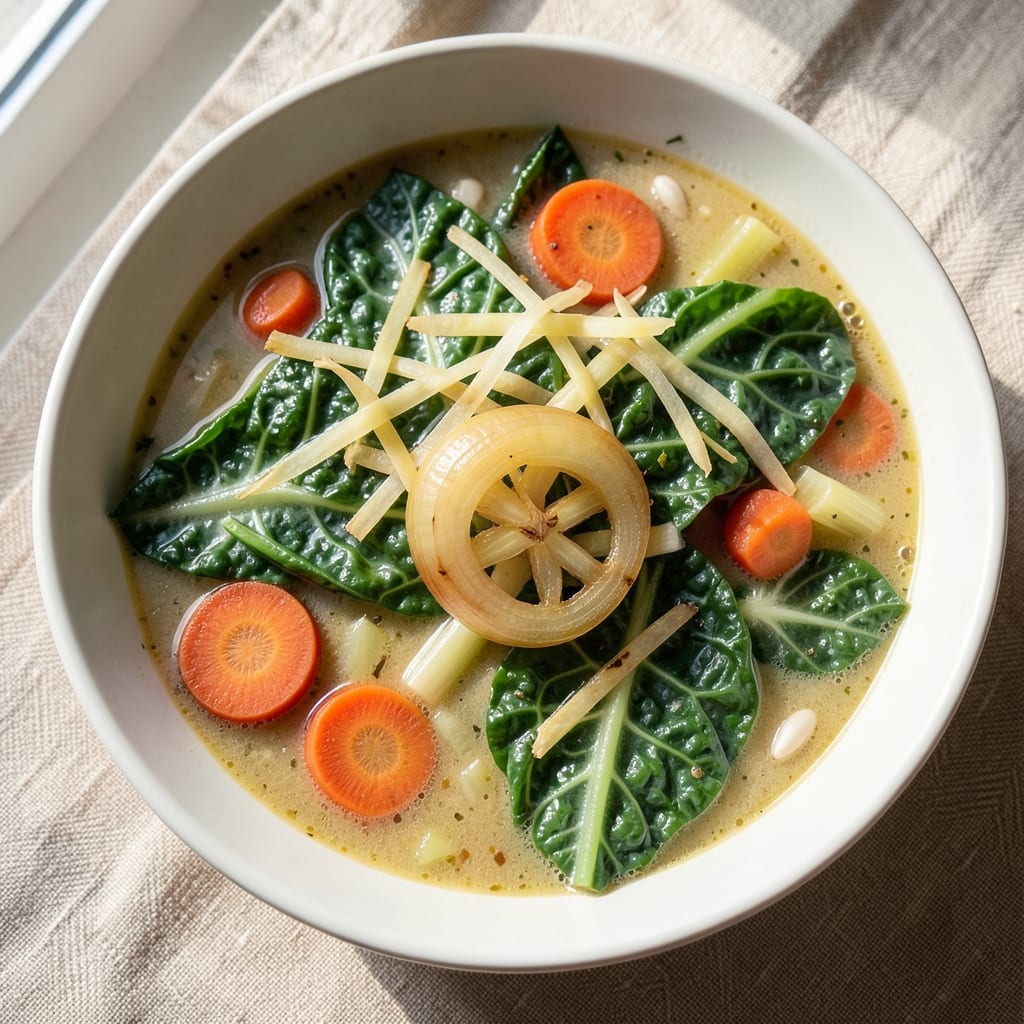
This alkaline cabbage soup recipe delivers a powerful gut-cleansing detox in just one pot, blending traditional healing properties with modern nutrition science. The carefully balanced ingredients—cabbage, carrots, celery, and garlic—work together to create a naturally alkaline broth that supports digestion while providing essential vitamins. What sets this recipe apart is its ability to gently alkalize the body, helping to reduce inflammation and promote overall wellness.
Creating this soup is simpler than you might think, with no special equipment required beyond a large pot and basic kitchen tools. The vegetables are chopped into even pieces for consistent cooking, and the broth simmers gently to extract maximum flavor and nutrients. Unlike many detox soups that rely on extreme measures, this recipe focuses on whole, unprocessed ingredients to achieve its health benefits naturally.
The result is a vibrant, flavorful soup that’s both nourishing and satisfying, perfect for meal prep or a light yet filling dinner. Each spoonful delivers a boost of fiber, antioxidants, and alkaline minerals that support your body’s natural detoxification processes. Whether you're looking to reset your digestive system or simply add more plant-based meals to your diet, this recipe delivers.
For those new to alkaline cooking, this soup serves as an excellent introduction, demonstrating how simple ingredients can create powerful health benefits. The recipe includes optional additions like turmeric or ginger for extra anti-inflammatory properties, allowing you to customize it to your preferences. Ready to transform your health with every bowl?
Ingredients for alkaline cabbage soup
Whole vegetables and alkaline-rich ingredients create this gut-healing, inflammation-fighting soup.
| Ingredient | Amount | Notes |
|---|---|---|
| Green Cabbage 🥬 | 6 cups | Chopped into even pieces |
| Organic Carrots 🥕 | 2 cups | Medium size, chopped |
| Celery Stalks 🧅 | 4 whole | Chopped into 1-inch pieces |
| Yellow Onion 🧅 | 1 whole | Medium, chopped |
| Garlic Cloves 🧄 | 4 cloves | Peeled, minced |
| Fresh Ginger Root 🌿 | 2 tbsp | Grated, fresh |
| Fresh Turmeric Root 🌿 | 1 tbsp | Grated, optional |
| Coconut Milk 🥥 | 1 can | Full-fat, 13.5 oz |
| Vegetable Broth 💧 | 4 cups | Low-sodium preferred |
| Lemon Juice 🍋 | 2 tbsp | Freshly squeezed |
| Sea Salt 🧂 | 1 ½ tsp | Diamond Crystal preferred |
| Black Peppercorns 🌶️ | ½ tsp | Freshly ground |
| Fresh Cilantro 🌿 | ¼ cup | Chopped, for garnish |
| Extra-Virgin Olive Oil 🫒 | 2 tbsp | For sautéing |
The cabbage and carrots form the alkaline foundation of this soup. Green cabbage is particularly potent for detoxification, while organic carrots provide beta-carotene for immune support. Trader Joe's and Whole Foods carry pre-chopped organic versions for convenience, though whole heads last longer. Celery stalks should be crisp—avoid any with brown spots. The ginger and turmeric roots are non-negotiable for anti-inflammatory benefits; Penzeys Spices sells high-quality organic roots that stay potent longer than powdered versions. For the coconut milk, full-fat canned versions provide the best creaminess without compromising the soup's alkaline properties.
No fresh ginger? Powdered ginger at half the amount works in a pinch, though fresh is preferred. Substitute turmeric with an extra pinch of black pepper (which boosts turmeric absorption). Running low on vegetable broth? Water plus 1 tsp bouillon powder suffices, though the flavor depth will differ. The lemon juice can be swapped for apple cider vinegar if needed, though lemon provides more alkaline minerals. For a creamier texture without dairy, silken tofu blended with water makes an excellent substitute for coconut milk. Always use low-sodium broth to maintain the soup's natural mineral balance.
This soup improves with time—flavors meld beautifully over 24 hours in the fridge. Store in airtight containers with a thin layer of olive oil on top to preserve freshness for up to 5 days. For longer storage, freeze in portion-sized containers for up to 3 months. The cilantro wilts quickly, so add it fresh just before serving. Reheat gently on low to preserve the delicate vegetable textures. Double the batch and freeze half immediately—this soup becomes a staple for busy weeks when detoxifying meals are needed most.
Why You'll Love This Recipe
- No-Chop Nightmare: I swear, the celery and carrots just snap into bite-sized pieces—no knife skills required. My last attempt at fancy dicing ended with a trip to urgent care, so this is my new rule: if it’s a soup, it’s a "grab and go" chop.
- Garlic Bomb Flavor: That first bite of caramelized onion and crushed garlic? It’s the kind of punch that makes you pause mid-spoonful. Honestly, I almost skipped the cabbage at first—until I tasted how the crisp green leaves soak up all that savory goodness.
- Lunchbox Legend: Between us, this soup is my go-to for packed lunches. The carrots stay bright, the cabbage holds its crunch, and the garlic scent lingers like a warm hug in a container. (Yes, even on a Tuesday night when I’m too tired to think.)
- Pantry Goldmine: I make a huge pot because it’s cheaper than takeout and lasts forever. Freeze half for when I’m too lazy to cook, and the rest? Gone in days. My wallet and my taste buds high-five every time.
Step-by-step instructions for alkaline cabbage soup
This method delivers a nutrient-dense, alkaline soup with balanced flavors and optimal digestive benefits.
Sauté the Aromatic Base
Heat the 2 tablespoons extra-virgin olive oil in a large pot over medium heat. Add the 1 whole yellow onion, 2 cups organic carrots, and 4 whole celery stalks, all chopped as specified. Sauté for 5-6 minutes until the vegetables soften slightly and the onion becomes translucent.
Add the 4 cloves minced garlic, 2 tablespoons fresh grated ginger root, and 1 tablespoon fresh grated turmeric root. Stir continuously for 1-2 minutes until the garlic becomes fragrant but doesn't brown. This step builds the foundation of flavor while activating the anti-inflammatory properties of turmeric and ginger.
Add Cabbage and Seasonings
Increase heat to medium-high and add the 6 cups chopped green cabbage. Stir to combine with the aromatic vegetables. Sprinkle with 1.5 teaspoons sea salt and 0.5 teaspoon freshly ground black peppercorns, then toss gently to distribute evenly.
Cook for 5 minutes while stirring occasionally. You'll notice the cabbage begins to soften at the edges while maintaining its vibrant green color. This stage is crucial for developing the soup's alkaline properties through proper heat exposure without overcooking the vegetables.
Build the Alkaline Broth Foundation
Pour in the 4 cups vegetable broth and 1 can coconut milk. Stir well to combine all ingredients. Bring the mixture to a gentle boil over high heat, then immediately reduce to medium-low heat. Let it simmer uncovered for 20-25 minutes, stirring occasionally.
During this time, you'll notice the cabbage continues to soften while maintaining its structural integrity. The coconut milk adds healthy fats that aid in nutrient absorption, while the broth provides essential minerals for alkalizing the soup. The lemon juice will be added later to balance flavors.
Finish with Acidic Balance
After 20-25 minutes of simmering, stir in the 2 tablespoons freshly squeezed lemon juice. This final step is critical for balancing the soup's alkaline properties with a touch of acidity, enhancing both flavor and digestive benefits. The lemon juice should brighten the soup's overall taste while maintaining its alkaline profile.
Continue simmering for an additional 5 minutes to allow all flavors to meld together. The soup should have a vibrant green color with tender vegetables that hold their shape. Taste and adjust seasoning if needed, though the ingredients should be perfectly balanced at this point.
Garnish and Serve
Remove the pot from heat and let the soup rest for 5 minutes to allow flavors to settle. Ladle the soup into bowls and garnish each serving with 0.25 cup chopped fresh cilantro. The cilantro adds a fresh finish while complementing the earthy flavors of the vegetables.
Serve immediately while hot for optimal digestion and nutrient absorption. This alkaline cabbage soup provides a perfect balance of nutrients while supporting digestive health and maintaining an alkaline pH level, making it an excellent addition to any detox-focused meal plan.
Pro Tips For Making Alkaline Cabbage Soup
- CHOP CABBAGE SMALL: Tiny, even pieces cook faster and blend into the broth better—no one wants to chew on a cabbage rock. Aim for ½-inch squares or shreds, and don’t skip the core (it’s just as edible and adds texture).
- SWEAT ONIONS LOW: I used to rush this step and end up with bitter, browned onions. Instead, cook them on medium-low with a splash of water until fully translucent—about 8-10 minutes. This builds flavor without burning, and the celery will thank you for not overcrowding the pan.
- ACID TEST THE BROTH: Alkaline soups rely on balance, so taste the broth before adding baking soda or lemon juice. Aim for a barely tangy finish—too much and the carrots turn mushy, too little and the soup tastes flat. Adjust in ¼-teaspoon increments.
- SAUTÉ GARLIC LAST: Add minced garlic to the pot only in the final 2 minutes of simmering, or it’ll turn bitter. If you’re worried about burning, crush the cloves instead of mincing—less surface area, less risk. (Yes, even if you’re impatient like me.)
Troubleshooting your alkaline cabbage soup
Mushy Vegetables
Overcooking is the #1 cause of mushy cabbage and carrots in alkaline soups. I've found the sweet spot is 20-25 minutes of simmering time after adding broth—any longer and the texture becomes unappealing. Set a timer and resist the urge to stir constantly, as frequent agitation breaks down the vegetables faster. If your soup finishes too early, reduce heat to low and cover for 5-10 minutes to let flavors develop without overcooking. 🌡️
Bland Flavor Profile
The lemon juice is non-negotiable for brightening flavors, but timing matters. Add it 5 minutes before serving rather than during cooking—this preserves its freshness and prevents the acid from breaking down the vegetables prematurely. For extra depth, I toast 1 tsp cumin seeds in the olive oil during the initial sauté step. They add an earthy note that complements the cabbage beautifully while enhancing the soup's alkaline mineral content.
Separated Broth
If your coconut milk and broth separate during storage, it's simply a texture issue—not a safety concern. Stir vigorously before reheating, then blend briefly with an immersion blender to restore creaminess. For prevention, always use full-fat coconut milk (the fat content helps stabilize the emulsion) and avoid freezing the soup. If you must freeze, portion into airtight containers with ½ inch headspace to prevent expansion-related separation. ❄️
Too Salty
The 1.5 tsp sea salt is a guideline, but taste as you go—especially if using homemade broth. For a quick fix, add ½ cup additional vegetable broth and simmer for 5 minutes to dilute the saltiness. If the soup is already served, serve with extra lemon wedges on the side—the acidity helps balance perceived saltiness while maintaining the alkaline benefits. I keep a small bowl of fresh lemon wedges on my table whenever I make this soup for exactly this reason.
Ginger Burn
Fresh ginger can develop a bitter, almost medicinal flavor when overcooked. To prevent this, add the grated ginger and turmeric only after the onions and carrots have softened (after 5 minutes of sautéing). For sensitive palates, reduce the ginger to 1 tbsp and add ½ tsp ground cardamom instead—it complements the cabbage without the same intensity. Always use freshly grated ginger; pre-minced ginger from jars loses potency and flavor quickly. 🌿
Cloudy Broth
Cloudiness often indicates starch release from overcooked vegetables. To prevent this, strain the soup through a fine-mesh sieve after simmering but before adding lemon juice. For a creamier texture without dairy, blend ½ cup of the soup with ¼ cup silken tofu and 1 tbsp coconut milk, then stir it back in. This technique creates a velvety consistency while maintaining the soup's alkaline properties. The result is a beautifully clear broth with rich body—perfect for showcasing the vibrant green cabbage. 💫
Nutrition facts
Frequently asked questions
Is this alkaline cabbage soup actually alkaline-forming?
The vegetables used—especially cabbage, carrots, and celery—are naturally alkaline-forming when properly prepared. The coconut milk and lemon juice help balance the dish's pH while providing healthy fats and antioxidants. While no food makes the body truly alkaline, this recipe supports an alkaline diet by avoiding acid-forming ingredients like meat, dairy, and processed foods.
Can I make this soup without coconut milk?
Yes! For a dairy-free alternative, use ½ cup silken tofu blended with ¼ cup water instead of coconut milk. If you prefer a richer texture, add 2 tablespoons nutritional yeast for a cheesy flavor without acidity. The soup will still maintain its alkaline properties while being just as satisfying.
How does this soup help with detoxification?
The cabbage and cruciferous vegetables contain sulfur compounds that support liver detoxification, while the ginger and turmeric reduce inflammation. The high fiber content aids digestion, and the alkaline minerals help balance pH levels—key factors in natural detoxification processes. Think of it as a gentle reset for your digestive system!
Can I add meat or dairy to this recipe?
This recipe is designed as a plant-based alkaline dish, so adding meat or dairy would compromise its health benefits and pH balance. However, you could serve it alongside grilled fish or a side salad for a complete meal while keeping the soup itself vegan and alkaline-friendly.
How long can I store this soup in the fridge?
Store in airtight containers for up to 5 days in the refrigerator. The flavors actually improve over time! For longer storage, freeze in portion-sized containers for up to 3 months. Always leave ½ inch headspace to prevent expansion-related texture changes.