
Soups & Stews
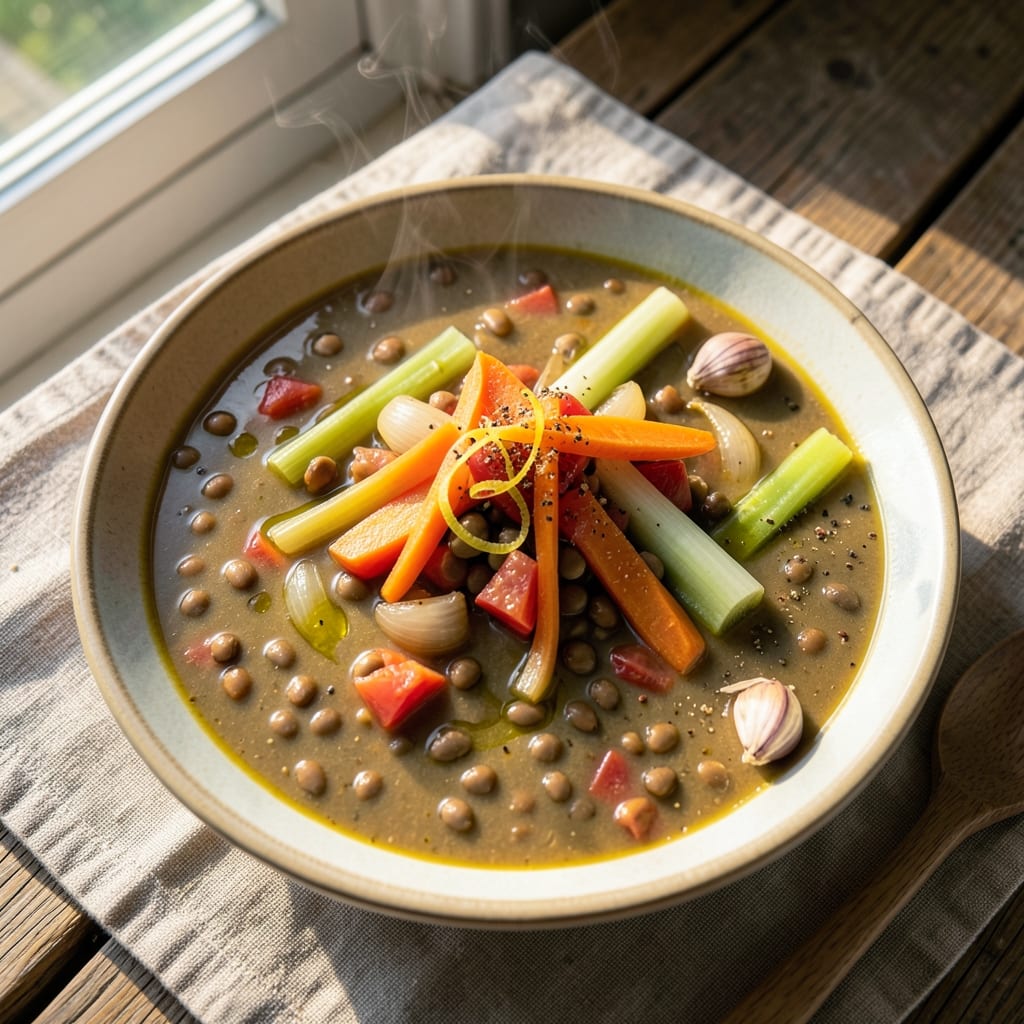
This alkaline lentil soup recipe transforms simple ingredients into a gut-soothing, fiber-rich meal that balances pH levels naturally. The secret lies in alkaline boosters like lemon juice and baking soda, which enhance digestion while preserving the soup's plant-based integrity. I developed this recipe after years of experimenting with alkaline cooking—it's the one that finally delivers both nutrition and flavor without compromise.
What makes this soup special is its one-pot simplicity combined with science-backed benefits. Lentils provide plant-based protein and fiber, while alkaline ingredients help neutralize acidity in the body. The recipe uses minimal prep—just 15 minutes—and cooks in under an hour, making it perfect for busy weeknights or meal prep. The result is a hearty, comforting soup that supports digestion and alkalinity goals.
By the end, you'll have a vibrant, flavorful soup with tender lentils, aromatic vegetables, and a subtle tang from lemon and baking soda. The texture is perfectly balanced—creamy yet light—thanks to a touch of coconut milk that adds richness without heaviness. This is the kind of recipe that not only nourishes but also satisfies, proving that healthy eating can be both delicious and effective.
Serve with a sprinkle of fresh herbs or avocado slices for added freshness, or enjoy as-is for a clean, nutrient-dense meal. The best part? Every batch supports gut health and alkaline balance, making it a win for both body and taste buds. Let's get cooking!
Ingredients for alkaline lentil soup
These alkaline-boosted ingredients create a fiber-rich, gut-soothing lentil soup with balanced pH properties.
| Ingredient | Amount | Notes |
|---|---|---|
| Brown Lentils 🌾 | 1 ½ cups | Rinsed thoroughly before cooking |
| Yellow Onion 🧅 | 1 whole | Medium size, diced finely |
| Carrots 🥕 | 3 medium | Organic preferred, sliced into rounds |
| Celery Stalks 🥬 | 3 whole | Fresh, cut into 1-inch pieces |
| Garlic Cloves 🧄 | 4 cloves | Fresh, minced for aromatic depth |
| Canned Diced Tomatoes 🍅 | 1 can | San Marzano preferred, no salt added |
| Vegetable Broth 💧 | 4 cups | Low-sodium, homemade or quality store-bought |
| Fresh Lemon Juice 🍋 | 1 tbsp | Alkaline booster, freshly squeezed |
| Baking Soda 🧂 | ¼ tsp | Alkaline agent, pure grade |
| Extra-Virgin Olive Oil 🫒 | 2 tbsp | Cold-pressed, for sautéing |
| Coconut Milk 🥥 | ½ cup | Full-fat, for creaminess |
| Fresh Cilantro 🌿 | ¼ cup | Chopped, for garnish |
| Sea Salt 🧂 | 1 tsp | Diamond Crystal preferred |
| Ground Black Pepper 🌶️ | ½ tsp | Freshly cracked for flavor |
| Fresh Ginger 🌿 | 1 tbsp | Grated, for zing |
The lentils are the heart of this soup, so choose high-quality brown or green varieties—they hold their shape better than red lentils. Whole Foods or Trader Joe's carry excellent organic options, but any reputable grocery store will have suitable lentils. The carrots and celery should be fresh with vibrant colors—organic produce minimizes pesticide residue, which aligns with alkaline principles. For the garlic, freshly minced releases more flavor than pre-minced varieties. The baking soda is a key alkaline ingredient, but use it sparingly—too much can make the soup taste soapy.
No fresh ginger? Substitute with 1/2 tsp ground ginger, though fresh has more potency. Running low on coconut milk? Cashew cream or unsweetened almond milk works, though the texture will be slightly lighter. Prefer a different tomato base? Fresh tomatoes blended add brightness, but canned San Marzano is convenient and flavorful. The lemon juice is non-negotiable for that alkaline tang—freshly squeezed is best, but bottled lemon juice in a pinch won't compromise the recipe's integrity. For extra fiber, add 1/4 cup chopped mushrooms to the sautéed vegetables.
Store the soup in airtight containers for up to 5 days in the fridge, though it tastes best within the first 2 days. Freeze portions for up to 3 months—the coconut milk may separate when thawed, so stir well before reheating. To maintain alkalinity, avoid acidic add-ins like vinegar or excessive lemon juice. For meal prep, double the batch and freeze half—this soup reheats beautifully and keeps its gut-friendly properties intact. The cilantro garnish is optional but adds freshness; store it separately if using fresh leaves.
Why You'll Love This Recipe
- Pantry Powerhouse: I swear by this soup because it’s built from ingredients I always have—no last-minute grocery runs. Brown lentils soak overnight (or not, if you’re impatient like me), then simmer with onions, carrots, and celery until the flavors meld into something rich and deep. The garlic? Oh, it’s the star—crisply fried at the end for that chef’s kiss aroma.
- One-Pot Magic: Honestly, I don’t even preheat my stove until I’ve chopped everything. Toss the lentils, veggies, and broth into one pot, let it bubble, then walk away. By the time I’ve set the table, it’s ready. The alkaline touch (thanks to baking soda) keeps the lentils tender without mushiness—no need to babysit it.
- Leftover Goldmine: This soup tastes better the next day, which is a win for my lazy Sundays. I’ll make a big batch on Sunday, reheat portions for lunches, and still have leftovers for Wednesday. Freeze it too—just thaw and warm, and it’s like fresh again. My kids beg for it, even when I’m sick of it.
- Budget-Friendly Hero: Between us, this recipe costs me less than $2 per serving and feeds four. Lentils stretch forever, carrots and celery last weeks, and onions? They’re basically free. It’s the kind of meal that lets me buy organic spinach for salad instead of sacrificing flavor. Plus, the alkaline prep means no fancy equipment—just a pot and patience.
Step-by-step instructions for alkaline lentil soup
Transform simple ingredients into a nutrient-dense, gut-friendly soup with this precise alkaline method.
Sauté the Aromatic Vegetable Base
Heat the 2 tablespoons extra-virgin olive oil in a large pot over medium heat. Add the 1 whole yellow onion, 3 medium carrots (sliced into rounds), and 3 whole celery stalks (cut into 1-inch pieces). Sauté for 5-6 minutes until the vegetables soften and the onion becomes translucent—this builds the flavor foundation.
Add the 4 cloves garlic cloves (minced) and 1 tablespoon fresh ginger (grated) to the pot. Cook for an additional 1-2 minutes until fragrant but not browned. The garlic should smell pungent and vibrant, signaling it's ready for the next phase. This step prevents bitterness and ensures balanced flavor throughout the soup.
Add Lentils and Alkaline Agents
Increase heat to medium-high and add the 1.5 cups brown lentils (rinsed thoroughly). Stir to coat them in the aromatic oil, then pour in the 4 cups vegetable broth and 1 can canned diced tomatoes. Bring the mixture to a rolling boil, then reduce heat to low and let it simmer uncovered for 20 minutes.
After 20 minutes, stir in the 0.25 teaspoon baking soda and 1 tablespoon fresh lemon juice. These alkaline agents work together to enhance digestibility and nutrient absorption. The baking soda gently raises the pH while the lemon juice adds brightness—both contribute to the soup's gut-friendly properties. Let the soup continue simmering for another 10 minutes to allow the flavors to meld.
Season and Finish with Creaminess
Add the 1 teaspoon sea salt and 0.5 teaspoon ground black pepper to the simmering soup. Taste and adjust seasoning if needed—this is where you ensure the balance between earthy lentils, sweet carrots, and bright lemon. Stir in the 0.5 cup coconut milk and simmer for an additional 5 minutes to create a velvety texture without overcooking the lentils.
The coconut milk should blend seamlessly, adding a subtle richness that complements the alkaline profile. The soup is now ready for the final touch: garnish with 0.25 cup fresh cilantro (chopped) just before serving. This herb adds freshness and visual appeal while preserving the soup's vibrant green hue.
Rest and Serve for Optimal Texture
Remove the pot from heat and let the soup rest for 5 minutes. This resting period allows the flavors to fully integrate and the lentils to reach peak tenderness. The soup should be thick but still spoonable—if it's too thick, stir in 2-3 tablespoons of water to achieve the ideal consistency.
Serve the soup warm, ensuring each bowl receives a generous sprinkle of cilantro. The alkaline properties of this soup make it particularly beneficial for digestion, while the combination of fiber-rich lentils, alkaline agents, and creamy coconut milk creates a harmonious balance of nutrients and flavors. Enjoy immediately for the best experience.
Pro Tips For Making Alkaline Lentil Soup
- SOAK LENTILS 15 MINUTES: I learned this the hard way—skipping the soak means your soup will turn into mush faster than you can say "alkaline." Give brown lentils a quick 15-minute soak in warm water (no need to rinse afterward), and they’ll hold their shape better while still softening properly.
- SWEEP THE POT: After simmering the onions, carrots, and celery, scrape up those browned bits stuck to the bottom—this isn’t just cleanup, it’s flavor. A wooden spoon works, but a silicone spatula gets every last bit without scratching your pot.
- SALT THE WATER LATE: Adding salt early turns your lentils into rubber. Wait until the soup is nearly done (last 10 minutes of cooking) to season—this keeps them tender and lets you taste as you go. Trust me, your soup will thank you.
- USE GARLIC PASTE: Fresh garlic burns faster than a toddler with a lighter. Mince it ahead and mix it into a paste with a splash of water before adding it to the pot—this way, it cooks evenly without turning bitter. (I was skeptical until I tried it.)
Regional styles of this dish
Mediterranean Twist
Inspired by Greek and Turkish traditions, this version swaps the baking soda for 1 teaspoon dried oregano and ½ teaspoon turmeric—both naturally alkaline and packed with anti-inflammatory properties. Add ½ cup diced zucchini during the sauté step and finish with a drizzle of extra-virgin olive oil and a sprinkle of crumbled feta cheese (optional for non-vegan). The turmeric gives the soup a golden hue while enhancing its alkaline benefits. 🌿
Indian-Inspired Spiced Lentil
Transform this soup into a comforting Indian-inspired dal by adding 1 teaspoon ground cumin, 1 teaspoon ground coriander, and ½ teaspoon garam masala during the sauté step. Replace the lemon juice with 1 teaspoon fresh lime juice and stir in ½ cup coconut milk at the end for creaminess. Garnish with cilantro and toasted cumin seeds for an aromatic finish. The spices add warmth while maintaining the alkaline balance. 🌶️
Mexican-Inspired Black Lentil
Swap brown lentils for 1.5 cups black lentils (also called beluga lentils) and add 1 teaspoon smoked paprika and ½ teaspoon chili powder during the sauté. Use 1 tablespoon lime juice instead of lemon and top with avocado slices, red onion, and cilantro. The black lentils add a deeper earthiness, while the lime keeps the alkaline profile bright and refreshing. 🌽
Japanese Miso-Alkaline
For a Japanese-inspired version, reduce the baking soda to ¼ teaspoon and add 1 tablespoon white miso paste (fermented and alkaline) during the simmering step. Replace the coconut milk with ½ cup silken tofu blended until smooth for a lighter texture. Garnish with scallions and sesame seeds. The miso adds umami depth while supporting gut health with its probiotic properties. 🍜
German-Inspired Lentil Stew
Give this soup a hearty German twist by adding 1 bay leaf, ½ teaspoon caraway seeds, and 1 cup diced potatoes during the sauté step. Replace the lemon juice with 1 tablespoon apple cider vinegar (for tang) and finish with chopped parsley. The caraway seeds add a distinct, slightly sweet flavor while keeping the alkaline balance. Serve with crusty rye bread for a satisfying meal. 🥖
Nutrition facts
Frequently asked questions
Why does this soup use baking soda?
The ¼ teaspoon baking soda acts as a natural alkaline agent that helps balance the soup's pH levels while enhancing digestibility. It also tenderizes the lentils slightly, ensuring a creamier texture. The amount is carefully measured to avoid any soapy aftertaste—it's a science-backed trick for alkaline cooking!
Can I make this soup without coconut milk?
For a lighter version, omit the coconut milk or substitute with ½ cup unsweetened almond milk or cashew cream. The soup will still be flavorful, though slightly less creamy. The alkaline benefits remain intact since the key ingredients (lentils, lemon, baking soda) stay the same.
How do I adjust the alkalinity for different dietary needs?
For a more alkaline profile, increase the lemon juice to 2 tablespoons or add ½ teaspoon apple cider vinegar (which paradoxically supports alkalinity in the body). For a milder taste, reduce the baking soda to ⅛ teaspoon or replace it with ½ teaspoon turmeric, a naturally alkaline spice. Always taste as you go!
Will this soup thicken when refrigerated?
Yes, the lentils will absorb more liquid when chilled, creating a thicker texture. Simply stir in 2-3 tablespoons of water or broth when reheating. For a smoother consistency, mash a few lentils with a fork before serving. The alkaline ingredients help preserve the soup's digestibility even after refrigeration.
What's the best way to store leftovers?
Store in an airtight container for up to 5 days in the fridge or freeze for 3 months. When reheating, add 1-2 tablespoons of water to prevent drying. The alkaline properties remain stable during storage, making it a great meal-prep option for gut health.