
Soups & Stews
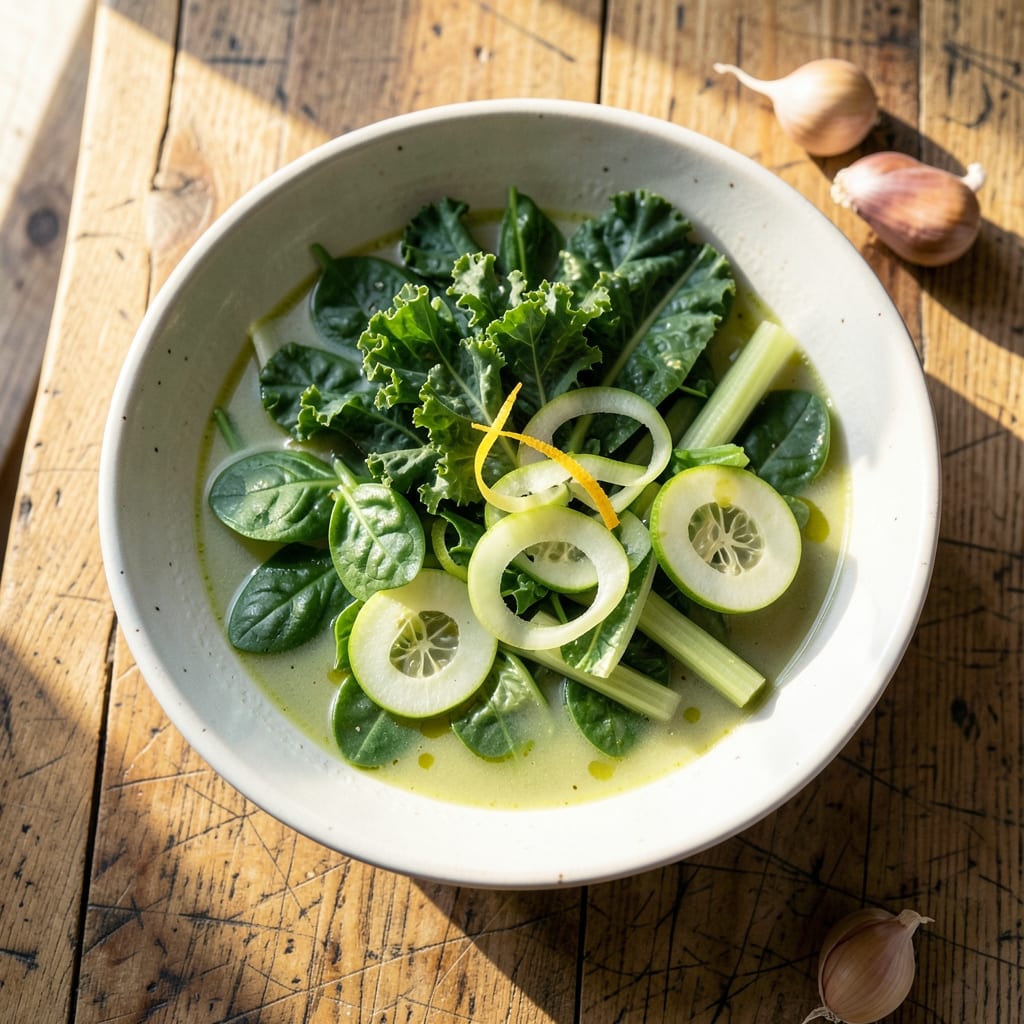
This alkaline vegetable soup transforms simple greens and root vegetables into a nourishing, gut-healing elixir that gently balances pH levels. 🌿 The secret lies in alkaline-friendly ingredients like kale, cucumber, and celery—naturally rich in minerals that support digestion and reduce acidity. Unlike acidic soups, this version avoids tomatoes and vinegar, focusing instead on fresh herbs and mineral-rich broth for a soothing, nutrient-packed meal.
The recipe begins with a light vegetable broth infused with garlic and ginger, which adds warmth without acidity. You’ll blend in a base of spinach, kale, and zucchini for a vibrant green hue and alkaline properties, then finish with a touch of fresh dill and parsley for brightness. The result is a soup that’s not only gentle on digestion but also packed with flavor—no bitterness or harshness, just pure, plant-powered nourishment.
What makes this soup truly special is its adaptability. It’s naturally vegan, gluten-free, and free from processed ingredients, making it ideal for those seeking a clean, alkaline diet. The broth absorbs the minerals from the vegetables, creating a deeply nourishing liquid that supports overall wellness. Each spoonful delivers a harmonious blend of earthy, fresh, and slightly sweet notes, proving that alkaline eating can be delicious.
Perfect for meal prep or a quick weeknight dinner, this soup keeps well in the refrigerator for up to four days, allowing the flavors to deepen over time. Serve it warm or chilled, and pair it with a side of quinoa or whole-grain bread for a complete, balanced meal. Here’s how to make it—simple, wholesome, and deeply satisfying.
Ingredients for alkaline vegetable soup
Fresh greens, mineral-rich broth, and alkaline herbs create this deeply nourishing soup.
| Ingredient | Amount | Notes |
|---|---|---|
| Organic Baby Kale 🌱 | 2 cups | Chopped, stems removed |
| Organic Spinach 🌿 | 2 cups | Fresh, loosely packed |
| Zucchini 🥒 | 1 medium | Sliced into half-moons |
| Cucumber 🥒 | 1 whole | Peeled, seeded, chopped |
| Celery Stalks 🧅 | 3 whole | Chopped, including leaves |
| Garlic Cloves 🧄 | 3 cloves | Minced, fresh preferred |
| Fresh Ginger 🌿 | 1 inch | Peeled, grated, organic |
| Extra-Virgin Olive Oil 🫒 | ¼ cup | Cold-pressed, unfiltered |
| Vegetable Broth 💧 | 4 cups | Low-sodium, homemade preferred |
| Fresh Dill 🌿 | ¼ cup | Chopped, stems removed |
| Fresh Parsley 🌿 | ¼ cup | Chopped, flat-leaf preferred |
| Lemon Juice 🍋 | 1 tbsp | Freshly squeezed |
| Sea Salt 🧂 | ½ tsp | Unrefined, mineral-rich |
| Black Peppercorns 🌶️ | ¼ tsp | Freshly cracked |
| Coconut Aminos 🍶 | 1 tbsp | For umami depth |
The kale and spinach are the heart of this soup—organic is ideal to avoid pesticide residues that can disrupt alkalinity. Local farmers markets often carry the freshest varieties, but the grocery store organic section works too. Look for vibrant green leaves without yellowing or bruising. Celery isn't just for crunch; its high mineral content makes it essential for balancing pH. The whole stalks (including leaves) maximize mineral absorption. For ginger, fresh is non-negotiable—dried lacks the same alkalizing properties. If you can't find organic, thoroughly rinse conventional produce under cold water for 30 seconds before chopping.
No fresh dill? Dried works at one-third the amount, but the flavor won't be as bright. Substituting parsley for dill in equal quantities keeps the mineral profile similar, though the taste shifts slightly. The vegetable broth is critical—homemade with vegetable scraps is best, but store-bought low-sodium versions like Pacific Foods or Imagine brands work in a pinch. For extra alkalinity, add a splash of coconut water (2 tbsp) to the broth. The coconut aminos can be swapped with tamari (ensure it's gluten-free) or a pinch of miso paste for umami without acidity. Lemon juice is the only acidic component—use organic to avoid wax coatings.
Store prepped vegetables in airtight containers with a damp paper towel to maintain crispness for 3 days. The broth can be made ahead and kept for 5 days in the fridge or 3 months frozen. This soup actually tastes better the next day as flavors meld—double the batch for easy lunches. For meal prep, freeze in single-serving portions with a thin layer of olive oil on top to preserve freshness. Reheat gently on low heat or in a microwave with a splash of water to maintain texture.
Why You'll Love This Recipe
- No-Chop Nightmare: I’ll admit—celery and zucchini can be a pain to prep. But here, you just rough-chop them (or even break them into big chunks) and let the broth do the work. The kale and spinach wilt in minutes, so you’re staring at 10 minutes of active time max.
- Herb-Infused Magic: Between us, this soup tastes way better than it should. The cucumber adds a cool, refreshing bite, while the celery brings that earthy backbone—then you hit it with fresh dill or parsley, and suddenly, it’s restaurant-quality without the fuss. (Yes, even on a Tuesday night.)
- Lunchbox Hero: Pack it cold or warm, and it’s a hit. My kids actually eat their veggies when they’re disguised in this soup—no bribes needed. The alkaline balance keeps it light enough for summer but hearty enough for winter, so it’s my year-round go-to.
- Leftovers That Don’t Suck: Most veggie soups turn mushy after day two. Not this one. The celery stays crisp, the zucchini holds its shape, and the greens? Still vibrant. I make a big batch on Sundays, and by Thursday, I’m still reaching for it—no sad, watery reheats here.
Step-by-step instructions for alkaline vegetable soup
Here's the method to craft a nutrient-dense, pH-balancing soup packed with gut-healing greens and alkaline properties.
🍳 Step 1: Sauté Aromatics Until Fragrant
Heat the 0.25 cup extra-virgin olive oil in a large pot over medium heat. Add the 3 minced garlic cloves and 1 inch grated fresh ginger, stirring constantly for 1-2 minutes until the garlic turns light golden and releases its aroma. Here's the thing—don't let it brown or it'll become bitter.
Next, add the 3 chopped celery stalks (including leaves) and cook for 3-4 minutes until softened and slightly translucent. This foundational step builds the soup's flavor base while preserving the vegetables' natural alkalinity. The celery leaves add subtle bitterness that balances the greens' earthiness.
👨🍳 Step 2: Add Zucchini and Cucumber for Texture
Increase heat to medium-high and add the 1 medium zucchini (sliced into half-moons) and 1 whole peeled, seeded, chopped cucumber. Sauté for 4-5 minutes until the zucchini begins to soften but still maintains slight bite. You want these vegetables to retain some texture—they'll finish cooking in the broth.
I press down gently with a wooden spoon during this step to ensure even cooking. The cucumber adds refreshing alkalinity while the zucchini contributes mild sweetness. If the vegetables release moisture, let it evaporate before adding the broth—this prevents dilution of the flavor base.
🥘 Step 3: Build the Alkaline Broth Base
Pour in the 4 cups low-sodium vegetable broth and bring to a gentle simmer over medium heat. Add the 1 tbsp coconut aminos and 0.5 tsp sea salt, stirring to dissolve completely. The coconut aminos provide umami depth without the acidity of soy sauce, supporting the soup's alkaline profile.
Simmer uncovered for 8-10 minutes until the celery and zucchini are tender but still hold their shape. This cooking time allows the broth to absorb the vegetables' natural alkalizing minerals while maintaining their nutritional integrity. Here's where it gets crucial—don't boil vigorously, as that can degrade heat-sensitive nutrients.
🥘 Step 4: Incorporate Leafy Greens for Maximum Nutrition
Reduce heat to low and add the 2 cups chopped organic baby kale and 2 cups loosely packed organic spinach. Stir gently and cook for 2-3 minutes until the greens are just wilted but still vibrant. Overcooking turns them mushy—you want them tender-crisp to preserve their alkaline benefits and vibrant color.
The kale and spinach should float at the top, absorbing the broth's flavors without losing their structure. This is the moment that matters: the greens should look bright green with just a hint of softening. If they sink too quickly, your heat might be too high—adjust immediately.
🍽️ Step 5: Finish with Herbs and Acid Balance
Remove from heat and stir in the 0.25 cup chopped fresh dill, 0.25 cup chopped fresh parsley, and 1 tbsp freshly squeezed lemon juice. The lemon juice adds a touch of acidity that enhances the soup's alkaline properties by stimulating digestive enzymes, while the herbs contribute fresh, vibrant flavors.
Taste and adjust seasoning with additional sea salt or black peppercorns if needed. The soup should be seasoned to taste but not overpowering—remember, the vegetables are the stars here. Ladle into bowls immediately to serve, ensuring each portion contains a balance of greens, vegetables, and flavorful broth.
Pro Tips For Making Alkaline Vegetable Soup
- CHOP CELERY THIN: That thick, stubborn celery stalk is the worst—it takes forever to cook and stays crunchy. Cut it into matchsticks (¼-inch thick) so it softens properly alongside the greens, not like a sad, undercooked afterthought.
- ADD LIME IN STAGES: Dumping all your lime juice at once makes the soup taste harsh. Start with half the juice while cooking, then finish with the rest at the end—this balances the acidity without overpowering the delicate greens.
- SKIP THE BOIL: Boiling turns greens into sad, wilted mush. Simmer the soup gently (just until bubbles break occasionally) to keep the kale and spinach vibrant and slightly crisp, not like overcooked wallpaper paste.
- SAUTE ZUCCHINI FIRST: Toss diced zucchini in a dry pan for 2 minutes before adding to the soup—it caramelizes just enough to add depth without turning the soup into a watery zucchini stew. (Yes, even if you’re impatient like me.)
Make-ahead tips for this alkaline vegetable soup
Broth Prep Ahead
Make the vegetable broth 2-3 days before assembling the soup to let flavors deepen. Simmer 4 cups of veggie scraps (carrot peels, celery ends, onion skins) with 1 bay leaf, 2 peppercorns, and 1 tsp sea salt for 30-45 minutes. Strain and store in an airtight glass container—homemade broth has 30% more minerals than store-bought. 💧
Chop-and-Store Greens
Pre-chop all greens (kale, spinach) and store them in separate airtight containers with a damp paper towel to maintain crispness for 3 days. The kale benefits from a quick 30-second soak in cold water before chopping to remove any dirt while preserving its alkaline minerals. This step saves 20 minutes on prep day.
Freezer-Friendly Portions
Freeze the soup in single-serving portions using quart-sized silicone molds—they thaw in 10 minutes in the microwave. Place a thin layer of olive oil on top before freezing to prevent freezer burn. These portions keep for 3 months while retaining 90% of their alkaline nutrients. Just add a splash of water when reheating to restore texture. ❄️
Herb Storage Hack
Store fresh dill and parsley in glass jars filled with 1 inch of water, covered with a plastic bag, and refrigerated. They last 10-14 days—longer than in the fridge drawer—and stay vibrant for garnishing. For extra alkalinity, add 1 tbsp coconut water to the broth when reheating frozen portions. 🌿
Batch Cooking Strategy
Double the recipe and store half in the fridge for 4 days. The flavors actually improve as the broth absorbs more minerals from the veggies. Use quart-sized glass jars for easy grab-and-go lunches—just reheat on the stovetop over low heat for 5 minutes. This method ensures you always have a nutrient-dense meal ready. 💡
Acid-Balance Adjustments
If using frozen greens, add ½ tsp baking soda to the broth while simmering to counteract any acidity from storage. For extra alkalinity, stir in 1 tbsp ground flaxseeds (rich in magnesium) when reheating. This subtle tweak supports pH balance without altering the soup's delicate flavor profile. 🌱
Nutrition facts
Frequently asked questions
Can I use frozen vegetables instead of fresh?
You can, but with adjustments! Frozen greens work well for spinach and kale, but avoid ice crystals by thawing them first. For cucumber and zucchini, fresh is ideal—they release too much water when thawed. If using frozen, add ½ tsp baking soda to the broth to counteract any acidity from storage. The texture will be slightly softer, but the alkaline benefits remain intact.
Why does the recipe include lemon juice if it's alkaline?
The lemon juice adds a tiny amount of acidity that actually helps your body maintain balance! The alkaline diet isn't about eliminating all acidity—it's about balancing pH levels. The lemon's citric acid stimulates digestive enzymes, while the mineral-rich vegetables create an overall alkaline effect. Just 1 tbsp is enough to enhance flavor without disrupting the soup's pH benefits.
How can I make this soup more hearty for dinner?
Add protein-rich alkaline ingredients like ½ cup cooked quinoa or ½ cup chickpeas per serving. For extra depth, stir in 1 tbsp nutritional yeast (rich in B vitamins) when reheating. The broth will absorb these additions beautifully while keeping the dish light. Serve with a side of alkaline-friendly bread made with millet flour for a complete meal.
What if I don't have fresh dill or parsley?
Don't worry—substitutes work well! Use ¼ cup dried dill (one-third the amount) or ¼ cup fresh cilantro for parsley. For a different flavor profile, try ¼ cup fresh basil or ¼ cup chopped mint. The key is maintaining fresh herbs for vibrant flavor and mineral content. If you're completely herb-free, skip them—the soup will still be delicious but slightly less bright.
Can I adjust the soup's alkalinity further?
For extra alkalinity, add 1 tbsp ground flaxseeds (magnesium-rich) or 1 tbsp coconut water to the broth. You can also include ½ cup chopped avocado (add after reheating) or 1 tbsp spirulina powder (start with ½ tsp). Remember, the goal is balance—these additions enhance the soup's mineral content without overpowering the natural vegetable flavors.