
Soups & Stews
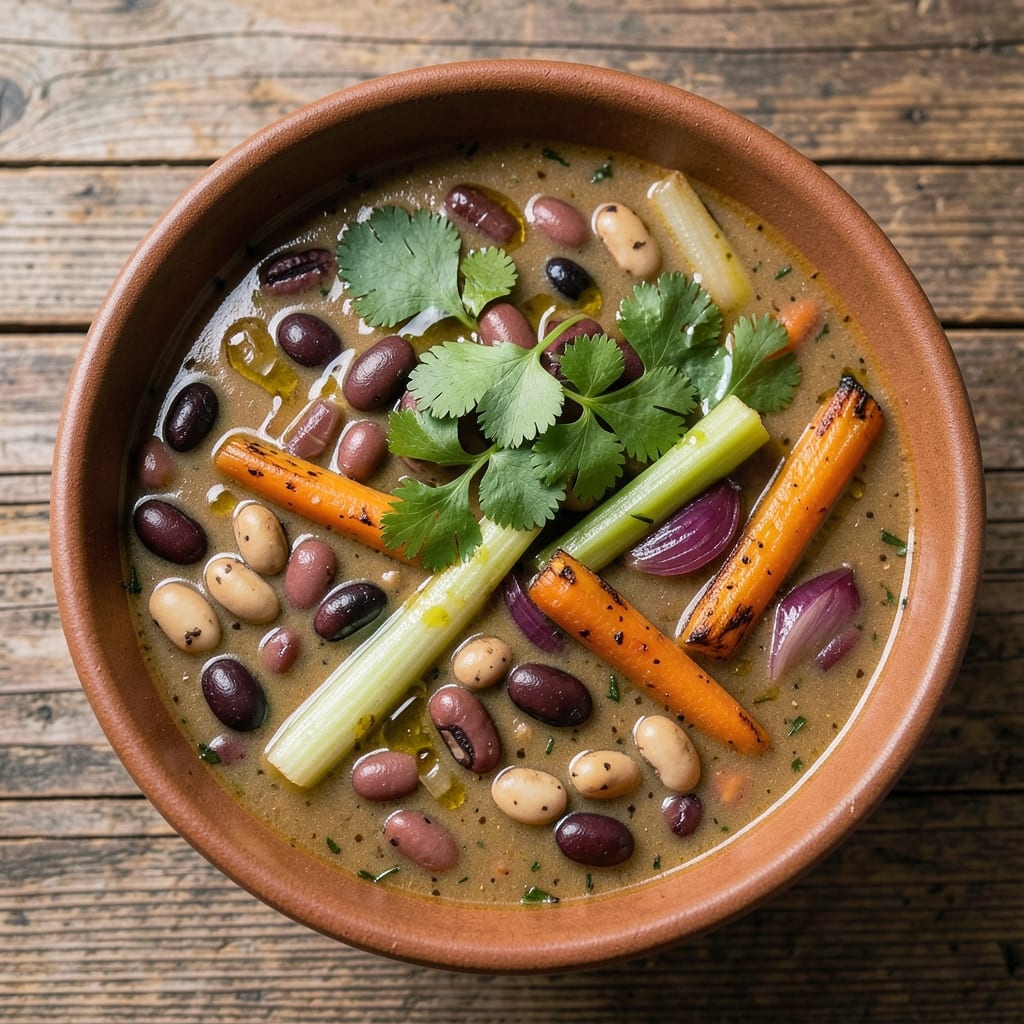
This all bean soup recipe transforms pantry staples into a hearty, smoky masterpiece that’s as satisfying as it is simple. The secret lies in simmering three types of beans—kidney, black, and pinto—with aromatic vegetables and a deep, flavorful broth until everything melds into tender perfection. What starts as basic ingredients becomes a restaurant-worthy bowl of warmth, perfect for chilly evenings or meal prep.
The beauty of this soup is its versatility—it’s vegetarian but packed with protein, and the smoky richness comes from slow-cooked spices and a touch of liquid smoke. No fancy techniques required: just chop, simmer, and let the flavors develop over 45 minutes. The result? A soup with textural contrast—creamy beans, crisp vegetables, and a velvety broth that clings to every spoonful.
You’ll end up with a hearty, deeply flavorful soup that’s hearty enough for a main dish but simple enough for a weeknight. The beans stay tender, the broth absorbs all the savory notes, and the optional garnish of fresh herbs or crusty bread turns it into a complete meal. It’s the kind of soup that tastes even better the next day, making it ideal for leftovers.
For extra heartiness, stir in cooked lentils or crumbled tofu, or swap the broth for a vegan version. The possibilities are endless, but the foundation—simmered beans, vegetables, and spices—remains the soul of this dish. Let’s make it.
Ingredients for all bean soup
Pantry staples meet smoky sophistication in this vegetarian bean masterpiece.
| Ingredient | Amount | Notes |
|---|---|---|
| Kidney Beans (Dried) 🌱 | 1 cup | Rinsed before soaking |
| Black Beans (Dried) 🌱 | 1 cup | Rinsed before soaking |
| Pinto Beans (Dried) 🌱 | 1 cup | Rinsed before soaking |
| Yellow Onion 🧅 | 1 whole | Diced into small pieces |
| Carrots 🥕 | 3 medium | Peeled and chopped into chunks |
| Celery Stalks 🧅 | 3 whole | Chopped into bite-sized pieces |
| Garlic Cloves 🧄 | 4 cloves | Minced for aromatic depth |
| Vegetable Broth 💧 | 6 cups | Low-sodium preferred |
| Tomato Paste 🍅 | ½ cup | For smoky richness |
| Smoked Paprika 🌶️ | 1 tbsp | For signature smoky flavor |
| Ground Cumin 🌿 | 1 tsp | Toasted for deeper aroma |
| Bay Leaves 🌿 | 2 whole | Removed before serving |
| Salt 🧂 | 1 ½ tsp | Diamond Crystal preferred |
| Black Peppercorns 🌶️ | ½ tsp | Freshly cracked |
| Liquid Smoke 🔥 | ½ tsp | Optional for extra smokiness |
| Fresh Cilantro 🌿 | ¼ cup | Chopped for garnish |
| Extra-Virgin Olive Oil 🫒 | 2 tbsp | For sautéing vegetables |
The beans are the heart of this soup—dried kidney, black, and pinto create that textural contrast the intro promises. Soak them overnight for perfect tenderness, or use a quick soak method with boiling water. Trader Joe's and Whole Foods carry high-quality dried beans in bulk bins, where you can find organic varieties with vibrant colors. Look for beans that are plump and free of cracks—that’s your quality indicator. The vegetable broth should be low-sodium to control seasoning, and Pacific Foods or Imagine brands deliver consistent flavor without excess salt.
No smoked paprika? Substitute with 1/2 tsp liquid smoke plus 1/2 tsp regular paprika for a similar effect. Fresh cilantro wilting? Dried cilantro or parsley works at half the amount—just toast the dried herbs in a dry pan for 30 seconds to wake up the flavor. The tomato paste can be swapped for 1/2 cup crushed tomatoes if you prefer a chunkier texture. For extra heartiness, add 1 cup cooked lentils or 1/2 cup crumbled tofu to the pot during the final 10 minutes of simmering. The liquid smoke is optional but worth the extra minute if you love that campfire aroma.
This soup reheats beautifully—honestly tastes better the next day as flavors meld. Store in airtight containers for 4-5 days in the fridge or 3 months in the freezer. Portion into single-serving containers for easy lunches. The beans will soften further when reheated, so add a splash of broth if they seem too firm. For serving, toast crusty bread or pita chips—the contrast of textures makes every spoonful feel like a complete meal.
Why You'll Love This Recipe
- Three-Bean Simplicity: I swear by this recipe because it’s the kind of meal where you just dump everything in one pot and walk away. No fancy chopping—just rough dice the onions and carrots, toss in the dried beans (soaked overnight, but honestly, even if you forget, they’ll still work), and let the broth do the heavy lifting.
- Earthy Depth: The combo of kidney, black, and pinto beans? It’s where magic happens. The kidney beans add that smoky bite, the black beans bring richness, and the pinto beans soften into a creamy texture—like a party in your mouth where every bean has its own role.
- Meal Prep MVP: Between us, this is my go-to for lunches all week. I make a big batch on Sunday, and by Wednesday, I’m still pulling out jars of it—hot or cold, it’s always satisfying. (Yes, even on a Tuesday night when you’re too tired to think.)
- Pantry Clearing: Honestly, this recipe saves me money and my sanity. I use whatever dried beans I’ve got lingering, plus a few cheap veggies, and boom—dinner’s covered. The leftovers? Even better the next day, if you can believe it.
Step-by-step instructions for all bean soup
Transform simple pantry staples into a deeply flavorful, smoky bean soup with this methodical approach.
Prepare the Beans for Maximum Texture
Begin by rinsing each type of dried bean separately under cold water in a colander. This removes surface debris and prevents cloudy broth later. Transfer the rinsed kidney beans, black beans, and pinto beans to a large bowl and cover with plenty of cold water—at least 3 inches above the beans. Let them soak overnight or for at least 8 hours at room temperature. I always soak beans in cold water because hot water can cause them to split and release starches prematurely.
After soaking, drain the beans and give them a quick rinse. The key here is to maintain their individual integrity—you want a mix of firm textures in your finished soup. Discard any beans that appear shriveled or damaged. These beans will form the hearty base of your soup, so proper preparation ensures they hold their shape while absorbing the rich flavors of the broth.
Develop the Smoky Vegetable Base
Heat the 2 tablespoons extra-virgin olive oil in a large Dutch oven over medium heat. Add the diced yellow onion, chopped carrots, and celery stalks, stirring occasionally for 8-10 minutes until the vegetables soften and the onion becomes translucent. This foundational step builds flavor through caramelization—don't rush it.
When the vegetables are tender, add the minced garlic cloves and cook for 30 seconds until fragrant. Immediately stir in the ½ cup tomato paste, 1 tablespoon smoked paprika, and 1 teaspoon toasted ground cumin. Cook for another 2 minutes to toast the spices and deepen their aroma. This step is where the soup's signature smoky richness begins to develop—don't skip the toasting.
Build the Flavorful Broth
Pour in the 6 cups vegetable broth and bring the mixture to a gentle boil. Add the soaked beans, 2 whole bay leaves, 1.5 teaspoons salt, ½ teaspoon freshly cracked black peppercorns, and ½ teaspoon liquid smoke (if using). The liquid smoke adds depth without overpowering—use it judiciously. Reduce heat to low and let the soup simmer uncovered for 1 hour.
After the initial hour, check the beans for tenderness. They should be nearly tender but still have a slight bite. If they're not quite there, continue simmering for another 30-45 minutes. The broth should reduce slightly, intensifying the flavors. Stir occasionally to prevent the beans from sticking to the bottom. This slow simmering process is critical—it allows the beans to absorb the complex flavors while maintaining their texture.
Finish and Garnish
Remove the bay leaves and adjust the seasoning with additional salt or pepper if needed. The soup should be well-seasoned but balanced—each bean variety should be distinct yet harmonious. For a final touch, stir in the ½ cup chopped fresh cilantro just before serving. This bright herb cuts through the richness of the smoky broth and adds a fresh finish.
Serve the soup immediately in bowls, garnished with an additional sprinkle of cilantro. Each spoonful should deliver a perfect balance of smoky, savory, and slightly sweet flavors with the satisfying texture of varied bean types. The aroma alone will make your kitchen smell like a cozy autumn evening—worth every minute of simmering.
Pro Tips For Making All Bean Soup
- SOAK BEANS TWO WAYS: I learned this the hard way—skipping soaking for kidney beans leaves them tough as boot leather. For black and pinto, a quick 30-minute soak in hot water works fine, but kidney beans need overnight in cold water (or 2 hours in boiling water, then cooled). The extra effort makes them creamy and tender, not mushy.
- CARAMELIZE ONIONS FIRST: Don’t just chop and toss—sauté those onions until they’re deep golden, not just soft. Five minutes over medium heat with a pinch of salt draws out moisture and builds flavor. This isn’t the prettiest method (they’ll look dark), but it’s the thing that matters most when you’re ladling soup into bowls later.
- DON’T BOIL BEANS DRY: After soaking, start beans in fresh cold water with a bay leaf, garlic clove, and a big pinch of salt. Bring to a gentle simmer—never a rolling boil—or they’ll toughen up. I used to rush this, and the beans stayed rubbery. A low simmer keeps them silky.
- UPGRADE WITH ROASTED CARROTS: Skip the raw carrot chunks—they turn to mush. Roast them at 400°F (200°C) for 20 minutes with olive oil, salt, and a sprinkle of smoked paprika before adding to the pot. The concentrated sweetness and texture change the whole soup. Yes, it’s an extra step, but your future self will notice.
Pro cooking tips for all bean soup
Bean Soaking Secrets
Never skip soaking your beans—it’s the foundation of texture and flavor. For best results, use the cold soak method overnight in plenty of water (at least 3 inches above the beans). I always soak mine in a large bowl with a lid or plastic wrap to keep them submerged. The next morning, rinse them well before cooking to remove any residual starches that could make your broth cloudy. 🌱
Short on time? Try the quick soak method: Boil the beans for 2 minutes, then let them soak off the heat for 1 hour. This works in a pinch, but overnight soaking gives you the most even texture. Always discard any shriveled or damaged beans before cooking—these will never soften properly and can make your soup gummy.
Vegetable Prep Matters
Chop your onion, carrots, and celery into uniform, bite-sized pieces—about ¼-inch thick. This ensures even cooking and a pleasant texture in every spoonful. I like to use a sharp chef’s knife and cut everything to the same size so nothing gets mushy while other pieces stay crunchy. The classic mirepoix ratio (2:1:1 onion-to-carrot-to-celery) works perfectly here.
Don’t overcrowd your pot when sautéing—cook the vegetables in one layer over medium heat for 8-10 minutes until softened but not browned. This slow cook builds deep, caramelized flavors that form the soul of your soup. If your pan gets too crowded, cook in batches and set aside until needed.
Spice Toasting Trick
Toast your smoked paprika and cumin for 30 seconds in a dry pan before adding to the soup—this wakes up their flavors and adds a subtle nutty depth. I like to use a small cast-iron skillet for this step because it retains heat well. Just stir constantly to prevent burning, which can make spices taste bitter. This quick step is worth the extra minute of effort.
For an extra layer of complexity, add a pinch of cinnamon or allspice with the spices—just ¼ teaspoon each. These warm spices complement the smokiness beautifully and add a cozy, autumnal note. If you’re avoiding spices, a dash of soy sauce (just ½ teaspoon) can add umami depth without changing the dish’s core flavor profile.
Simmering Like a Pro
Keep your soup uncovered during the 1-hour simmer—this allows excess moisture to evaporate, concentrating the flavors. Stir occasionally to prevent the beans from sticking, especially if you’re using a Dutch oven (my go-to for even heat distribution). The beans should be tender but still hold their shape—if they’re mushy, reduce the simmer time next batch.
For extra richness, stir in 1 tablespoon of tomato paste during the final 10 minutes of cooking. This boosts the umami and helps bind the broth. If your soup seems too thin, let it reduce longer or mash a few beans with a fork to thicken it naturally. The goal is a velvety yet hearty texture that coats the spoon.
Nutrition facts
Frequently asked questions
Can I use canned beans instead of dried?
Yes! For convenience, use 2 (15-ounce) cans of each bean variety (kidney, black, pinto), drained and rinsed. Reduce simmering time to 20-30 minutes instead of 1 hour, as canned beans are pre-cooked. The texture will be slightly softer but still delicious. Just add the beans with the broth and spices.
How can I make this soup vegan?
Swap the vegetable broth for a vegan-friendly version (like mushroom or lentil-based) and use vegan olive oil if needed. The tomato paste, smoked paprika, and spices are already plant-based. For extra protein, stir in 1 cup cooked lentils or ½ cup crumbled tofu during the final 10 minutes of simmering.
Why does my soup taste bland?
Blandness usually means the broth needs more depth. Try adding ½ teaspoon soy sauce or 1 teaspoon miso paste for umami, or a splash of apple cider vinegar (1 teaspoon) to brighten flavors. Also, check if you toasted the spices—toasting cumin and paprika for 30 seconds in a dry pan makes a huge difference!
Can I add other vegetables?
Try diced sweet potatoes (1 cup) for natural sweetness, zucchini (1 cup) for freshness, or kale (2 cups, chopped) for greens. Add them with the carrots and celery, or stir in during the final 15 minutes of cooking to preserve texture. Just adjust simmering time if using heartier veggies like potatoes.
How long will this soup keep?
Store in an airtight container in the fridge for 4-5 days or freeze for 3 months. The flavors actually improve overnight as the beans absorb more broth. When reheating, add 2-3 tablespoons of water or broth to prevent thickening. For best texture, reheat on low heat until warmed through.