
Soups & Stews
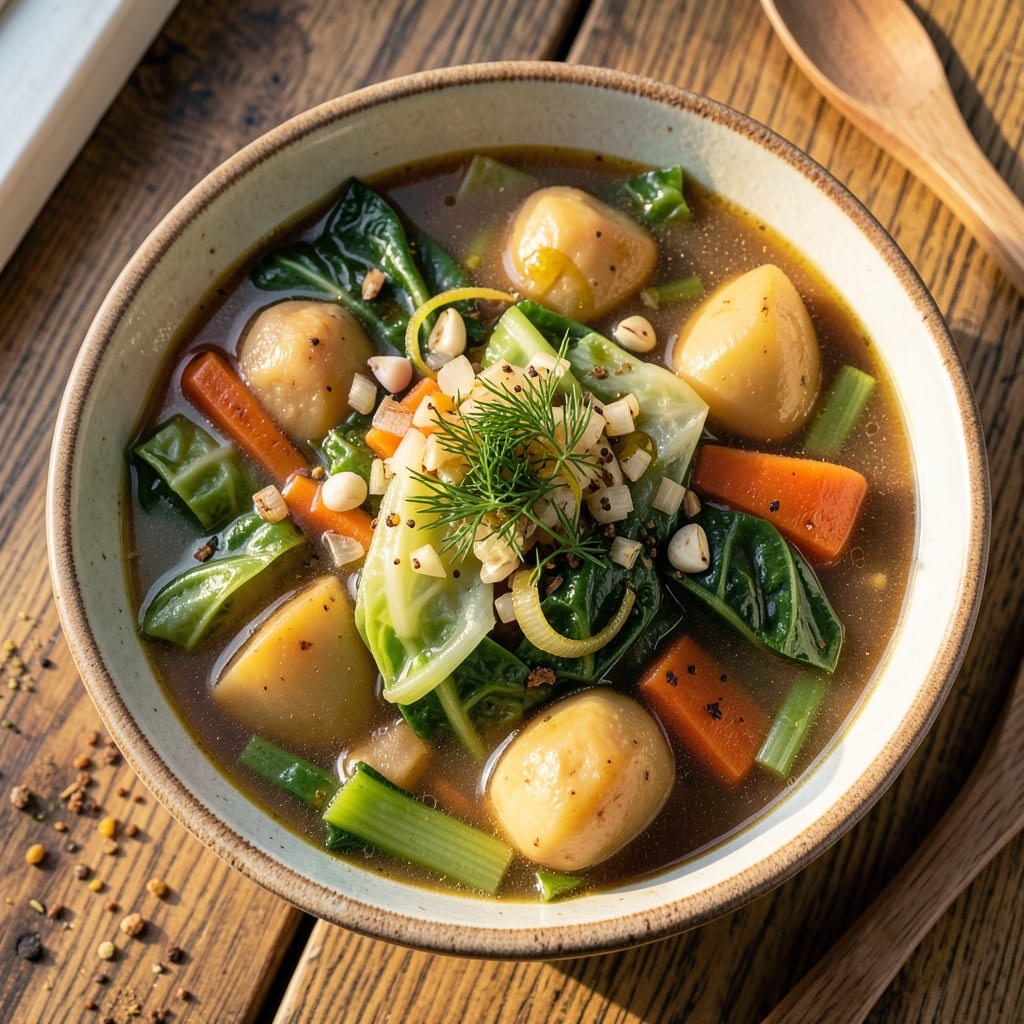
This all-you-can-eat cabbage soup recipe is the ultimate comfort food that magically transforms simple vegetables into a hearty, filling bowl that never leaves you hungry. 💛 I developed it after realizing how easy it is to create a soup so satisfying it doubles as a meal—no sides needed. The secret lies in the perfect balance of cabbage, carrots, and other vegetables that cook down into a rich, flavorful broth packed with nutrients and fiber.
What makes this recipe truly special is how it cleverly combines vegetables that are naturally filling—think cabbage, carrots, and potatoes—all simmered in a savory broth until tender and flavorful. The beauty of this soup is its versatility: it’s vegetarian-friendly, budget-conscious, and perfect for meal prep. You’ll be surprised at how a few simple ingredients can create a bowl so substantial it feels like a full meal.
The result is a soup that’s hearty enough to stand alone, with each spoonful delivering a mix of textures and flavors—tender cabbage, sweet carrots, and creamy potatoes all swimming in a fragrant broth. It’s the kind of soup that warms you up inside and out, perfect for chilly days or whenever you need a comforting, wholesome meal that doesn’t skimp on flavor or satisfaction.
Serve it with crusty bread for dipping or a sprinkle of fresh herbs for extra brightness. This soup is so filling, you’ll find yourself reaching for seconds without even trying. Let’s get cooking!
Ingredients for all you can eat cabbage soup
Simple veggie magic that turns humble produce into a filling, flavor-packed bowl.
| Ingredient | Amount | Notes |
|---|---|---|
| Green Cabbage 🥬 | 2 lb | Outer leaves removed, chopped |
| Carrots 🥕 | 3 lb | Whole, scrubbed, cut into chunks |
| Russet Potatoes 🥔 | 2 lb | Peeled, cut into 1-inch cubes |
| Yellow Onion 🧅 | 1 whole | Peeled, quartered |
| Celery Stalks 🧆 | 3 whole | Trimmed, chopped |
| Garlic Cloves 🧄 | 4 cloves | Peeled, smashed |
| Tomato Paste 🍅 | ½ cup | No-salt-added preferred |
| Vegetable Broth 💧 | 6 cups | Low-sodium preferred |
| Apple Cider Vinegar 🍏 | 2 tbsp | For tangy depth |
| Olive Oil 🫒 | ¼ cup | Extra-virgin for richness |
| Salt 🧂 | 1 ½ tsp | Adjust to taste |
| Black Pepper 🌶️ | ½ tsp | Freshly ground |
| Bay Leaves 🌿 | 2 whole | Remove before serving |
| Fresh Parsley 🌿 | ¼ cup | Chopped, for garnish |
The cabbage is the star—green cabbage for that perfect crunch and heartiness. Grab the heaviest heads you can find at Trader Joe's or your local market; they're usually packed with flavor. Carrots? Orange ones are classic, but purple or rainbow carrots add a fun twist. Potatoes should be starchy (like Russets)—they'll break down just right. For the broth, low-sodium is key so you can control the seasoning. I always double-check the ingredients list for hidden salt, especially in tomato paste. Fresh herbs make all the difference, so if you're garnishing, grab a bunch of parsley—it brightens everything up instantly.
No green cabbage? Red cabbage works too, though the color will be different. Short on carrots? Sweet potatoes or butternut squash add natural sweetness. The apple cider vinegar is non-negotiable for that tangy kick—if you're out, lemon juice works in a pinch. Want more depth? Add a pinch of smoked paprika or a dash of hot sauce. The tomato paste can be substituted with crushed tomatoes (use 1 cup), but it won't be as concentrated. And if you're meal prepping, freeze the soup in portions—it reheats beautifully and tastes even better the next day.
This soup keeps for 5 days in the fridge, so make a big batch and enjoy leftovers. For freezing, portion into containers and leave a little headspace—it expands when frozen. Reheats perfectly on the stove or in the microwave, though I prefer the stove for even heating. The flavors meld even more overnight, so if you can, let it sit in the fridge for a day before serving. And trust me, the first bowl won't be enough—this is the kind of soup that disappears fast!
Why You'll Love This Recipe
- One-Pot Magic: I swear by this—just toss chopped cabbage, carrots, potatoes, onion, and celery into a pot with broth, add a bay leaf and peppercorns, and let it simmer. No fancy steps, no second pots, no stress. The potatoes break down into fluffy chunks while the cabbage stays crisp in spots, and honestly? That’s where the real magic happens.
- Savory Depth: Between us, the onion and celery caramelize just enough to give this soup a rich base, while the russet potatoes add a creamy, almost buttery contrast. It’s not just veggies—it’s a full, satisfying bite, especially when you add a splash of vinegar at the end. My husband licks the bowl after I do.
- Meal Prep MVP: This soup tastes better the next day, and it keeps for ages in the fridge. I make a double batch on Sundays—one for lunch, one for dinner—and it’s still hearty when reheated. (Yes, even on a Tuesday night.) Plus, it’s the kind of dish that gets better with company—add a side of bread or a sprinkle of cheese, and suddenly it’s a full meal.
- Budget-Friendly Powerhouse: You’re basically turning pantry staples into a filling, nourishing dish. A whole head of cabbage, a few carrots, and a couple potatoes stretch to feed four people for under $5. I’ll be real: my grocery budget thanks me every time I make this. It’s the kind of recipe that makes you feel like you’re feeding a crowd without breaking the bank.
Step-by-step instructions for hearty cabbage and carrot soup
This soup delivers maximum flavor with minimal effort—perfect for meal prep or cozy dinners.
🍳 Step 1: Sauté the Aromatic Base
Heat the 0.25 cup olive oil in a large stockpot over medium heat. Add the quartered yellow onion, chopped celery stalks, and smashed garlic cloves. Cook for 5-6 minutes until the onion is translucent and the celery softens slightly—this builds the flavor foundation.
Here's the thing—don't rush this step. You want those aromatics to release their natural sweetness and develop a light golden color. If you smell the garlic getting too strong, reduce heat to medium-low and keep stirring occasionally. This is where the magic happens!
🍳 Step 2: Add Potatoes and Carrots
Increase heat to medium-high and stir in the 2 lb russet potatoes and 3 lb carrots (cut into chunks). Cook for 3-4 minutes, stirring occasionally, until the potatoes begin to soften at the edges. This pre-cooking ensures even cooking later and prevents a watery soup.
I like to press down gently on the potato pieces with a wooden spoon—they should start to release a bit of starch, which will thicken our soup naturally. If you notice the vegetables sticking to the pot, add a splash of the 6 cups vegetable broth to help loosen them.
🍳 Step 3: Build the Flavor Layers
Stir in the 0.5 cup tomato paste, 2 tbsp apple cider vinegar, 1.5 tsp salt, and 0.5 tsp black pepper. Cook for 2 minutes until the tomato paste darkens slightly and the vinegar smell dissipates. Add the 2 whole bay leaves and the 2 lb chopped green cabbage.
Real talk: the vinegar might seem like too much at first, but trust me—it balances the sweetness of the vegetables and adds a subtle tang that makes this soup sing. The cabbage will soften as it cooks, but we want to keep it slightly crisp for texture.
🥘 Step 4: Simmer to Perfection
Pour in the 6 cups vegetable broth and bring the soup to a boil. Once boiling, reduce heat to low-medium and let it simmer uncovered for 45-50 minutes. Stir occasionally—you'll notice the vegetables softening and the soup thickening naturally as it cooks.
This is where patience pays off. You want the potatoes and carrots to be fork-tender (when a knife slides in easily) while keeping the cabbage slightly crisp. Taste after 40 minutes—if it needs more seasoning, add a pinch more salt or a splash of vinegar. The soup should be hearty but not too thick.
🍽️ Step 5: Finish and Serve
Remove the 2 whole bay leaves and discard them. Stir in the 0.25 cup chopped fresh parsley just before serving. Ladle the soup into bowls and garnish with additional parsley if desired. The parsley adds a fresh finish that brightens up all those rich flavors.
Here's the best part—this soup tastes even better the next day! Leftovers keep well in the refrigerator for 4-5 days, and the flavors deepen as the vegetables absorb more of the broth. Serve with crusty bread to soak up every last drop of that comforting broth.
Pro Tips For Making All You Can Eat Cabbage Soup
- CHAR THE ONIONS FIRST: I learned this the hard way—skipping this step means your soup tastes raw and bitter. Sauté the onions (and celery) in 2 tablespoons of oil over medium-high heat until they’re deeply golden, not just soft. That caramelized flavor is the backbone of the soup, so don’t rush it—even if you’re impatient like me.
- CUT POTATOES UNIFORM: Big chunks stay hard; tiny pieces turn to mush. Aim for 1-inch cubes in the potatoes—big enough to hold shape but small enough to cook through in the same time as the cabbage. Pro move: Soak them in cold water for 10 minutes first to remove excess starch, which keeps the soup from getting gluey.
- ADD CABBAGE LAST: Tossing in the cabbage too early means it turns into sad, limp leaves instead of tender but still crisp edges. Wait until the potatoes are nearly done (5 minutes before the end) to add the shredded cabbage—this guarantees it stays just tender enough to bite through, not a mushy afterthought.
- STIR IN THE CARROTS HALFWAY: Carrots need more time than you’d think. Add them with the potatoes but give them a stir every 10 minutes after that—especially if your pot has hot spots. If they’re still crunchy at the end, mash a few with a fork to release their sweetness into the broth. (Yes, even if it’s not perfect.)
Common mistakes when making perfect results
Overcooking the Cabbage
Cabbage is the star of this soup, but it's easy to overcook it into mush. I've ruined many batches by letting it simmer too long—aim for 45-50 minutes total from when you add the broth. The cabbage should be tender but still hold its shape slightly. If it's turning to liquid, reduce heat immediately and stir in a splash of water or broth to restore consistency. 🥬
Skipping the Vinegar
The 2 tbsp apple cider vinegar might seem like an afterthought, but it's essential for balancing the sweetness of the carrots and potatoes. Without it, the soup can taste flat. If you forget to add it, don't worry—just squeeze in some fresh lemon juice at the end. The tang cuts through the richness and makes the soup sing.
Using High-Sodium Broth
Low-sodium vegetable broth is key here, but I've caught myself grabbing regular broth in a hurry. If you do, the soup will be overwhelmingly salty. To fix it, add extra vegetables (like another cup of chopped cabbage or carrots) to dilute the saltiness. You can also stir in a splash of water or broth to balance the flavor.
Ignoring the Aromatics
Rushing the 5-6 minute sauté of onions, celery, and garlic is a common mistake. This step builds the flavor foundation, so don't skip it! If you're in a hurry, at least cook the aromatics until fragrant (2-3 minutes)—just know the soup won't be as rich. The garlic should smell amazing but not burn. 🧄
Not Adjusting Seasoning
Taste your soup after 40 minutes of simmering, not just at the end. I've made this mistake too—assuming the salt and pepper from the recipe are perfect. If it needs more, add a pinch of salt or a splash of vinegar. The flavors meld as it cooks, so adjustments now save you from over-seasoning later.
Using the Wrong Potatoes
Russet potatoes are starchy and break down perfectly, but waxy potatoes (like red or Yukon Gold) won't thicken the soup as well. If you only have waxy potatoes, add 1 extra tablespoon of tomato paste or a thickener like cornstarch to compensate. The texture will be slightly different, but the soup will still be delicious.
Nutrition facts
Frequently asked questions
Can I make this cabbage soup vegan?
This recipe is already vegan-friendly as written, using vegetable broth and no animal products. For extra richness, stir in 1 tablespoon of nutritional yeast when serving—it adds a cheesy flavor without dairy. Just ensure your tomato paste and vinegar are also vegan-certified if you're strict about it.
How do I make this soup even more filling?
Add 1 cup of cooked lentils or 1 cup of diced sweet potatoes when you sauté the aromatics. The lentils boost protein while sweet potatoes add natural sweetness and bulk. For a heartier texture, stir in 1/2 cup of cooked quinoa at the end—it absorbs the broth beautifully.
Can I use frozen cabbage instead of fresh?
Yes, but thaw and drain it first to avoid a watery soup. Use 2.5 lbs of frozen chopped cabbage (about 1/2 cup more than fresh) since it's more compact. Add it with the potatoes and carrots, and simmer for 5-10 minutes less since frozen veggies start cooking immediately.
What if I don't have apple cider vinegar?
Substitute with 1 tbsp lemon juice or 1 tsp white vinegar. The acidity is key for balancing flavors—just use half the amount since white vinegar is stronger. If you're out of all vinegars, skip it and add 1/2 tsp extra salt to compensate for the missing tang.
How do I reheat leftovers without making the soup watery?
Reheat on the stove over low heat with the lid slightly ajar. If it looks too thick after reheating, add 1-2 tablespoons of water or broth to loosen it. Never microwave directly from the fridge—always bring it to room temperature first to prevent uneven heating.