
Soups & Stews
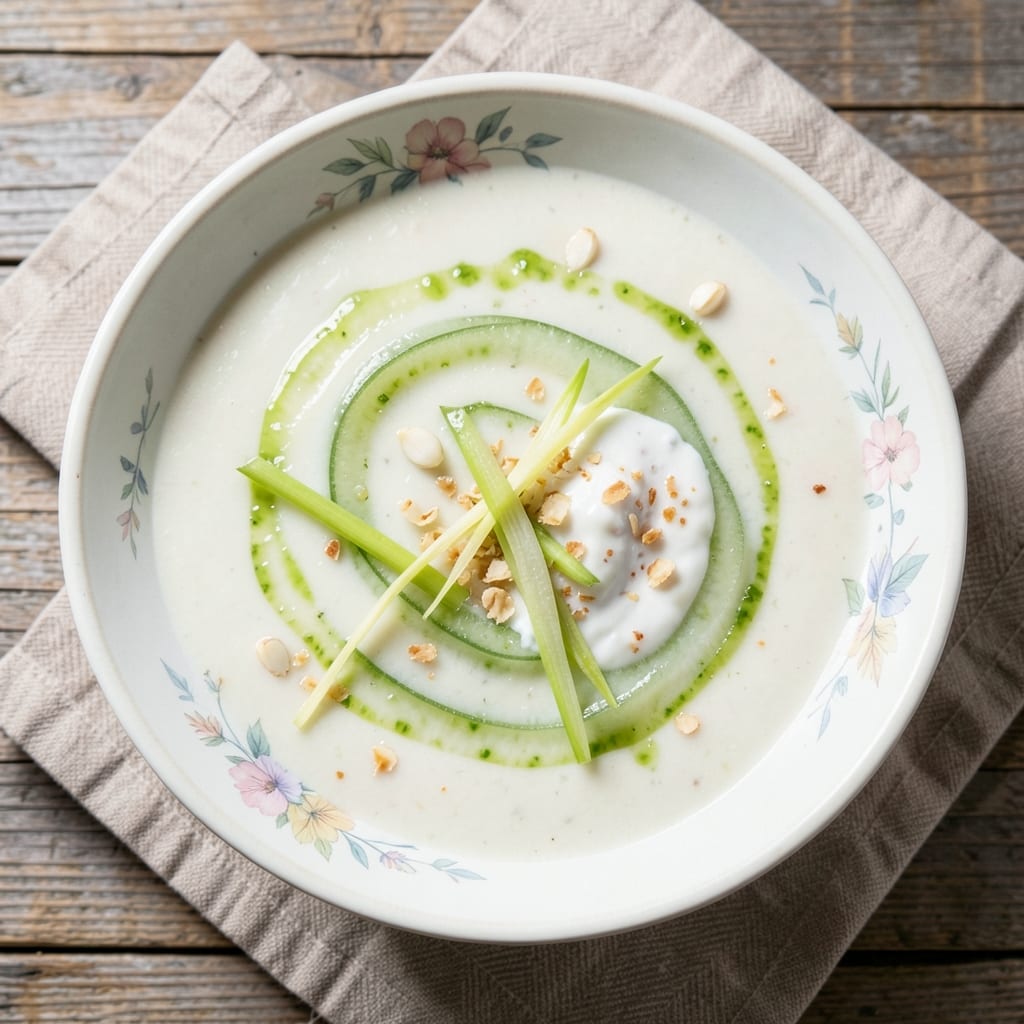
This aloe vera soup recipe transforms a wellness staple into a refreshing, vegan dish that soothes digestion while tantalizing your taste buds. The secret lies in balancing aloe's natural bitterness with bright citrus and savory umami—creating a silky, cooling broth that feels like a spa treatment for your palate. I developed this after realizing how versatile aloe vera could be beyond skincare, turning its gel into a culinary star.
The foundation starts with simmered aloe vera gel—strained to remove any bitterness—combined with ginger, garlic, and lemongrass for anti-inflammatory depth. A touch of coconut milk adds creamy richness without overpowering the soup's natural freshness. The texture is velvety yet light, with optional tofu or edamame for protein if you're looking to round out the meal. What makes this recipe special is how it marries wellness with flavor—no compromises, just pure satisfaction.
What you'll end up with is a cooling, citrus-infused soup that's perfect for hot days or post-meal digestion. The aloe vera provides a gentle detoxifying effect, while the lemon and lime zest add a zingy contrast to its natural sweetness. Garnish with fresh cilantro, lime wedges, or a drizzle of chili oil to elevate both visual appeal and flavor complexity. This isn't just a soup—it's a restorative experience in a bowl.
Whether you're serving it as a light lunch or a palate-cleansing starter, this recipe adapts effortlessly to your needs. The base can be made ahead and reheated gently to preserve its delicate flavors. For extra depth, try adding a splash of tamarind or a sprinkle of toasted sesame seeds. Let's bring this refreshing, health-forward dish to life—your body (and taste buds) will thank you.
Ingredients for aloe vera soup
Bright citrus meets soothing aloe—just these 15 ingredients transform wellness into flavor.
| Ingredient | Amount | Notes |
|---|---|---|
| Fresh Aloe Vera Gel 🌿 | 1 cup | Strained to remove bitterness |
| Young Coconut Milk 🥥 | 1 cup | Light variety preferred |
| Fresh Ginger Root 🧄 | 2 tbsp | Grated, organic preferred |
| Garlic Cloves 🧄 | 3 cloves | Minced, fresh preferred |
| Lemongrass Stalks 🌱 | 2 pieces | Bruised, lower part only |
| Fresh Lime Juice 🍋 | ¼ cup | Strained, organic preferred |
| Lemon Zest 🍋 | 1 tbsp | Fine, organic preferred |
| Fresh Cilantro Leaves 🌿 | ¼ cup | Chopped, stems removed |
| Red Chili Flakes 🌶️ | ½ tsp | Adjust to taste |
| Sea Salt 🧂 | ½ tsp | Diamond Crystal preferred |
| Black Peppercorns 🌶️ | ¼ tsp | Freshly ground |
| Organic Tamarind Paste 🍈 | 1 tbsp | Optional, for depth |
| Firm Tofu 🥬 | ½ lb | Optional, cubed |
| Edamame Pods 🌱 | ½ cup | Optional, shelled |
| Toasted Sesame Seeds 🌰 | 1 tbsp | For garnish |
Aloe vera gel is the star, so pick organic, thick leaves from the inner fillet—avoid the yellow outer layer. Trader Joe's often carries pre-packaged gel, but fresh is ideal. The gel should be translucent and slightly sweet; if it's bitter, strain it through cheesecloth. For the lemongrass, Latin markets sell it in bundles, but most grocery stores carry it in the Asian aisle. Ginger and garlic? Freshly grated and minced make all the difference here—pre-minced garlic loses its punch fast. The coconut milk should be young (light) variety—it's less sweet and more versatile for blending textures.
No aloe vera gel? Substitute with extra cucumber juice—it's hydrating and mild, though the texture won't be identical. Short on tamarind? A splash of lime juice plus a pinch of sugar mimics its tangy depth. The tofu and edamame are optional but add protein—firm tofu holds shape better when simmered. For extra umami, miso paste at half a teaspoon works wonders. The chili flakes can be swapped for fresh Thai chilies if you're feeling adventurous—just remove the seeds for less heat. And if you're out of lime zest, lemon zest works too, though it's slightly less floral.
This soup tastes even better the next day—store in airtight containers for up to 3 days in the fridge. For longer storage, freeze the base (without garnishes) for up to 2 months. Reheat gently on low heat, stirring occasionally, to preserve its silky texture. Garnishes like cilantro and sesame seeds should be added fresh right before serving—cilantro wilts fast, so keep it in a sealed container with a damp paper towel. The tofu and edamame can be pre-cooked and stored separately, then added back when reheating for extra convenience.
Why You'll Love This Recipe
- No-Chop Nightmare: I swear by this when I’m too tired to mince garlic—just smash those cloves with the flat side of my knife, toss in the whole lemongrass stalks (yes, even the tough ends), and let the pot do the work. The ginger? One quick grating, and boom—flavor without the fuss.
- Creamy-Ginger Zing: That first sip of coconut milk and ginger? It’s like a spa day in a bowl. The aloe vera gel adds this silky, almost custard-like texture, while the lemongrass lingers like a citrusy whisper. Honestly, it’s the kind of soup that makes you pause mid-slurp to wonder why you didn’t try it sooner.
- Lunchbox Hero: Between us, this is my secret weapon for meal prep. It reheats like a dream, keeps for days in the fridge, and even travels well in a thermos—no soggy bread here. Pack it for work or school, and you’ll be the office favorite (or the kid who actually eats their lunch).
- Budget Brightener: I use the outer rind of young coconuts for other dishes, and the leftover gel goes straight into this soup. Fresh ginger and garlic bulk up the flavor without breaking the bank, and a single aloe plant lasts me months. It’s the kind of recipe that stretches your grocery money further while still feeling special.
Step-by-step instructions for aloe vera soup
Let's transform fresh aloe vera into a vibrant, cooling soup brimming with citrus brightness and detoxifying properties.
Prepare the Aloe Vera Base
Begin by thoroughly rinsing the outer leaf of the aloe vera plant to remove any residual dirt. Using a sharp knife, carefully slice open the leaf lengthwise and scoop out the translucent gel with a spoon. Transfer the gel to a blender, discarding the skin and any yellow latex, which can be bitter. This step is crucial for removing any bitterness and ensuring a smooth texture.
Add the 1 cup of fresh aloe vera gel to the blender and set aside. I like to strain it through a fine-mesh sieve to eliminate any remaining fibrous bits. This ensures a silky, velvety texture in your soup. The aloe vera gel will serve as the foundational element, providing the signature cooling properties and mild sweetness that balances the other bold flavors in this dish.
Sauté Aromatics for Depth of Flavor
In a medium pot over medium heat, add the 2 pieces of lemongrass stalks, bruising them gently with the side of a knife to release their aromatic oils. Add the 3 cloves of minced garlic and the 2 tbsp of grated fresh ginger root. Sauté for 2-3 minutes until the mixture becomes fragrant and the ginger begins to soften slightly. This step is essential for building the flavor base that will carry through the entire soup.
Next, add the 0.5 tsp of red chili flakes and stir for an additional 30 seconds, allowing the spices to bloom and infuse the oil with their warmth. This creates a subtle heat that complements the cooling aloe vera. Be careful not to let the spices burn, as this can make the soup bitter. The aromatics should be fragrant but not browned.
Build the Soup with Citrus and Creamy Elements
Pour in the 1 cup of young coconut milk and stir to combine with the sautéed aromatics. Add the 1 tbsp of organic tamarind paste, which will add a tangy depth to the soup. Let the mixture simmer gently for 3-4 minutes, allowing the flavors to meld together. This is where the soup begins to take shape, with the coconut milk providing a creamy texture that balances the aloe vera's cooling properties.
Next, add the 0.25 cup of fresh lime juice and 1 tbsp of lemon zest. Stir well and let the soup simmer for another 2 minutes. The citrus elements will brighten the soup and cut through the richness of the coconut milk. Taste the soup at this stage and adjust the seasoning with the 0.5 tsp of sea salt and 0.25 tsp of freshly ground black peppercorns to your preference. The soup should be balanced, with a harmonious blend of sweet, tangy, and slightly spicy notes.
Add Protein and Vegetables
If using, add the 0.5 lb of firm tofu, cut into small cubes, and the 0.5 cup of shelled edamame pods to the pot. Simmer for an additional 5 minutes, allowing the tofu to heat through and the edamame to soften slightly. This step adds protein and texture to the soup, making it more substantial and satisfying. The tofu should be heated through but not crispy, maintaining a tender bite.
Stir in the 0.25 cup of chopped fresh cilantro leaves and let the soup simmer for another minute. The cilantro adds a fresh, herbaceous note that brightens the soup and ties all the flavors together. Remove the pot from heat and let the soup rest for 5 minutes, allowing the flavors to meld fully. This resting period is crucial for ensuring that all the components are perfectly integrated and ready to be served.
Serve with Garnish and Enjoy
Ladle the soup into bowls and garnish each serving with a sprinkle of the 1 tbsp of toasted sesame seeds. The sesame seeds add a nutty crunch that contrasts beautifully with the smooth, creamy texture of the soup. Serve immediately while the soup is still warm, allowing the cooling aloe vera and citrus elements to shine.
This aloe vera soup is a refreshing and detoxifying dish that combines the cooling properties of aloe vera with the vibrant flavors of citrus and coconut. The balance of textures and flavors makes it a perfect choice for a light yet satisfying meal, especially during warmer months or when you're looking to cleanse your palate with something fresh and invigorating.
Pro Tips For Making Aloe Vera Soup
- BLEND GEL FIRST: I learned this the hard way—adding aloe vera gel straight to hot broth turns it slimy. Instead, blend the gel with a splash of coconut milk first, then warm the mixture gently. This keeps the texture silky and prevents that rubbery aftertaste.
- PEEL GINGER THIN: Thick ginger chunks burn before they release flavor. Use a spoon to scrape off just the pale inner layer—about 1/8-inch thick—and slice it paper-thin. You’ll get aromatic depth without bitterness.
- STRAIN LEMONGRASS: Whole lemongrass stalks leave fibrous strings in your soup. After simmering, crush the stalks with the flat side of a knife, then strain through a fine-mesh sieve. Your soup will be smooth, not chewy.
- COOK COCONUT MILK LOW: Young coconut milk curdles fast when it boils. Once you add it to the soup, reduce heat to a bare simmer—just small, occasional bubbles—and stir constantly. No curdling, no wasted milk.
Make-ahead tips for this recipe
Base Prep Ahead
Make the aloe vera-coconut base 2 days in advance for deeper flavor development. After sautéing aromatics, blend the strained aloe vera gel with 1 cup coconut milk, 0.25 cup lime juice, and 1 tbsp tamarind paste. Store in a glass airtight container in the fridge. The aloe's natural enzymes mellow overnight, creating a smoother texture. 🌿
Protein Prep
Pre-cook tofu and edamame separately to save time. Press 0.5 lb firm tofu for 15 minutes (wrap in a towel, place a heavy pan on top), then cube and pan-fry until golden. Store with 0.5 cup shelled edamame in a sealed container. Reheat gently when adding to the soup—this prevents rubbery texture. ✨
Citrus Boost
Zest 1 lemon and juice 2 limes the night before. Store in small containers in the fridge. The citrus flavors intensify when chilled, adding vibrant brightness to the reheated soup. I like to add a splash of fresh lime juice just before serving for that restaurant-quality zing. 🍋
Garnish Strategy
Toast 1 tbsp sesame seeds in a dry pan for 2 minutes until golden and store in a small jar. Keep fresh cilantro in a sealed container with a damp paper towel to prevent wilting. These garnishes should be added right before serving—they're the finishing touches that elevate every bowl. 🌰
Reheating Secrets
Gently reheat the soup on low heat with a splash of water or coconut milk to restore its velvety texture. Never microwave—it breaks down the aloe's delicate structure. For extra freshness, stir in 1 tbsp fresh lime juice and a pinch of salt while reheating. The soup tastes even better the next day! 🔥
Freezer Hack
For longer storage, freeze the soup base (without garnishes) in ice cube trays for portion control. Transfer cubes to a freezer bag for up to 2 months. Thaw overnight in the fridge, then reheat gently. This method preserves the aloe's cooling properties perfectly. ❄️
Nutrition facts
Frequently asked questions
Can I use store-bought aloe vera gel instead of fresh?
Yes, but choose a high-quality, organic aloe vera gel without additives. For best results, select a 100% pure gel with no preservatives or artificial flavors. If the store-bought version tastes bitter, strain it through cheesecloth before using. Fresh aloe vera gel will always provide the most vibrant flavor and texture, but quality pre-made gel works in a pinch.
How do I remove the bitterness from aloe vera?
To eliminate bitterness, always use the clear gel from the inner leaf, avoiding the yellow latex. Strain the gel through a fine-mesh sieve or cheesecloth to remove any fibrous residue. If the soup still tastes bitter, add a splash of lime juice or a pinch of salt—citrus and salt help balance the flavor beautifully.
Is this soup spicy? Can I adjust the heat level?
The recipe includes just 0.5 tsp of chili flakes for subtle warmth, but you can easily adjust it. For milder heat, reduce to 0.25 tsp or omit entirely. For extra spice, add 1 tsp of flakes or a few slices of fresh chili. The cooling aloe vera and citrus will balance any spiciness perfectly.
Can I make this soup without coconut milk?
For a lighter version, replace coconut milk with 1 cup vegetable broth or cashew cream (blend ½ cup soaked cashews with ½ cup water). The soup will be less creamy but still refreshing. If you prefer a richer texture, try ½ cup coconut milk + ½ cup broth for a balanced compromise.
Why does my aloe vera soup taste bland?
Blandness often comes from insufficient seasoning or underdeveloped flavors. Ensure you're using fresh ginger, garlic, and citrus—these are flavor powerhouses. Let the soup simmer for 5-7 minutes to meld flavors, and taste as you go. A final boost of lime juice, salt, or a pinch of fish sauce (for umami) can elevate it. The aloe vera should complement, not overpower, the other ingredients.