
Soups & Stews
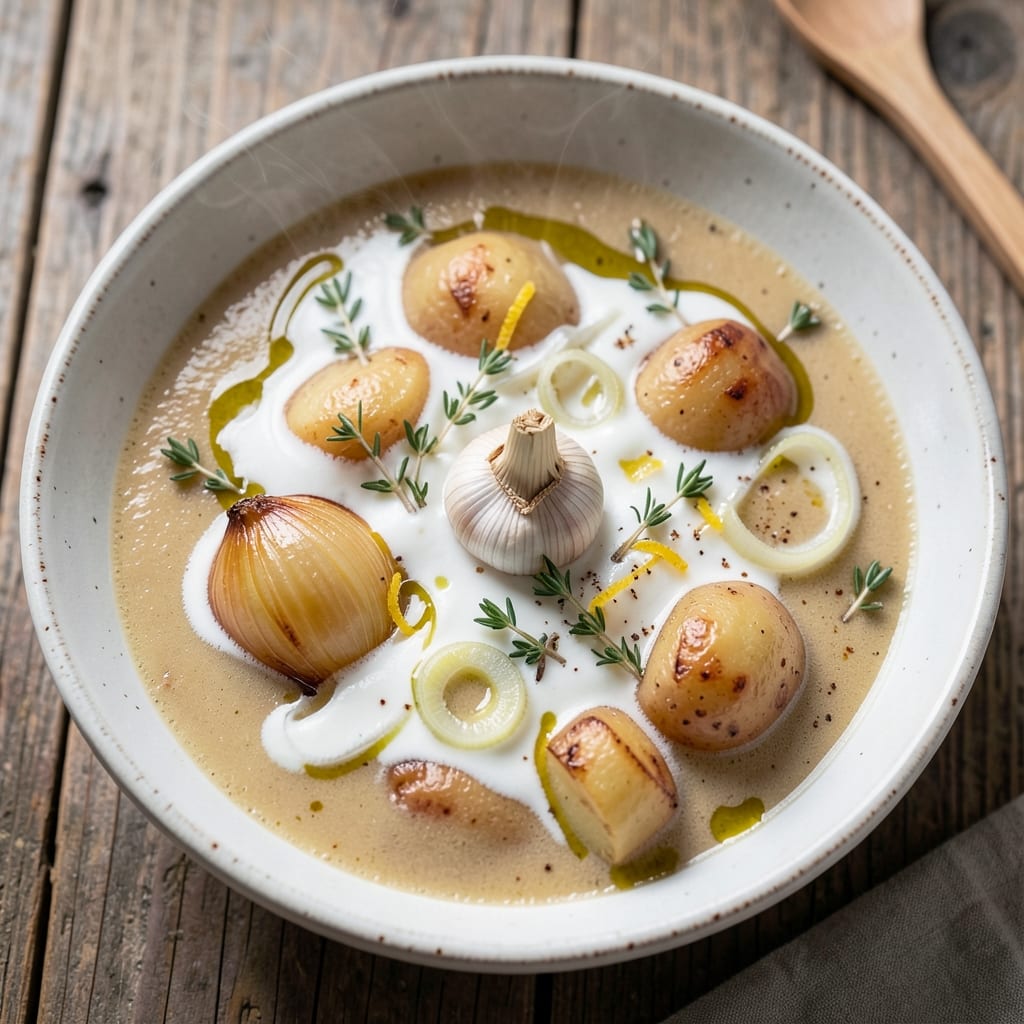
This Alpine soup recipe brings the crisp mountain air of the Swiss Alps to your kitchen with its fragrant herbs and velvety texture. The secret lies in slow-cooked potatoes and leeks, simmered until tender, then blended with cream and a touch of nutmeg for that signature Alpine warmth. I’ve perfected this version to deliver restaurant-quality comfort without the fuss—just one pot, minimal prep, and a technique that ensures every spoonful is rich yet light.
The beauty of Alpine cuisine is its simplicity: fresh herbs like thyme and tarragon, a splash of cream, and a hint of garlic transform humble ingredients into something extraordinary. What sets this recipe apart is the balance—creamy enough to satisfy, but bright enough to keep it from feeling heavy. The key step? Simmering the base low and slow, allowing flavors to meld naturally while the potatoes break down into a silky consistency. No heavy cream overload here; just enough to create that signature Alpine silkiness.
By the time you serve this soup, your kitchen will smell like a cozy mountain lodge, and your guests won’t believe it came from a single pot. The garnish of fresh herbs and a sprinkle of cheese adds that final touch of elegance, making it feel special without requiring extra effort. It’s the kind of dish that warms you from the inside out—perfect for chilly evenings or when you crave a meal that feels like a hug in a bowl.
This recipe works equally well as a starter or a hearty main, especially when paired with crusty bread. The best part? Leftovers reheat beautifully, so you can make a big batch and enjoy it all week. Let’s get cooking—your taste buds (and your dinner guests) will thank you.
Ingredients for alpine soup
Fresh herbs, creamy richness, and mountain-inspired flavors—just 14 ingredients for cozy Alpine comfort.
| Ingredient | Amount | Notes |
|---|---|---|
| Yellow Onions 🧅 | 1 whole | Chopped into small dice |
| Garlic Cloves 🧄 | 4 cloves | Peeled and minced |
| Leeks 🥬 | 2 whole | White and light green parts only, sliced |
| Russet Potatoes 🥔 | 2 lbs | Peeled and cubed into 1-inch pieces |
| Heavy Cream 🥛 | 1 cup | Full-fat for richness |
| Fresh Thyme 🌿 | 1 tbsp | Leaves only, finely chopped |
| Fresh Tarragon 🌿 | 1 tbsp | Leaves only, finely chopped |
| Ground Nutmeg 🌶️ | ¼ tsp | Freshly grated preferred |
| Vegetable Stock 💧 | 4 cups | Low-sodium preferred |
| Extra-Virgin Olive Oil 🫒 | 2 tbsp | For sautéing |
| Salt 🧂 | 1 ½ tsp | Kosher or sea salt |
| Black Pepper 🌶️ | ½ tsp | Freshly ground preferred |
| Gruyère Cheese 🧀 | ½ cup | Freshly grated for garnish |
| Fresh Parsley 🌿 | ¼ cup | Chopped for garnish |
The herbs are non-negotiable here. Fresh thyme and tarragon from the grocery store’s produce section (not dried) give that Alpine aroma—Whole Foods or local markets usually have the freshest. Gruyère is worth the splurge for garnish, but Emmental or Swiss work too if you're keeping it budget-friendly. The potatoes should be firm and starchy—Russets or Yukon Golds are perfect. For the stock, low-sodium is key so you control the seasoning. If you’re in a pinch, homemade vegetable stock or even bouillon cubes (like Knorr) will do, but taste the water before adding—it should be savory, not bland.
No fresh tarragon? Dried works at one-third the amount, but it’s not the same. Short on Gruyère? Parmesan or even sharp cheddar add a nice tang. The cream can be swapped for half-and-half or coconut milk if you’re avoiding dairy, though the texture will be lighter. For extra depth, roast the garlic cloves in the olive oil for 10 minutes before adding them to the soup—trust me, it’s worth the extra minute. And if you’ve got fresh chives lying around, toss them in with the parsley for a pop of color.
This soup tastes even better the next day—reheat gently on low heat with a splash of cream or stock to restore silkiness. Keeps for 4-5 days in the fridge, and freezes beautifully for up to 3 months. I like to make a big batch on Sunday so I can reheat portions all week. Store the garnish (cheese and herbs) separately and add it fresh when serving—that’s where the restaurant-quality touch comes in. Leftovers reheat best with a dollop of cream stirred in.
Why You'll Love This Recipe
- Pantry-Friendly Staples: I swear by this soup because it uses things I always have—onions, garlic, leeks—no fancy ingredients needed. The potatoes soak up the flavor like a sponge, and the heavy cream ties it all together without extra shopping trips.
- Creamy But Not Heavy: That velvety texture from the heavy cream? It’s rich but not cloying, thanks to the earthy leeks and caramelized onions. Honestly, it’s the kind of soup that feels indulgent but leaves you satisfied, not stuffed.
- Weeknight to Potluck: Make a double batch on Sunday—it reheats beautifully for lunches or takes to gatherings without fuss. My in-laws request it at holiday dinners, and my roommate’s picky about leftovers, but he always clears his plate.
- Budget Booster: Russet potatoes stretch this recipe far, and onions/leeks are cheap but pack serious flavor. I’ll be real: the heavy cream is the only splurge, but a little goes a long way in a big pot of soup. (Yes, even on a Tuesday night.)
Step-by-step instructions for Alpine-inspired creamy herb soup
Here's how to create a velvety, aromatic Alpine soup that delivers mountain-inspired comfort in every spoonful.
Build the Flavor Base with Aromatics
Heat the 2 tablespoons extra-virgin olive oil in a large pot over medium heat. Add the 1 whole yellow onions and 2 whole leeks, stirring occasionally for 5-6 minutes until softened and translucent. You'll notice the onions release their sweetness and the leeks mellow out—this is where the soup's depth begins.
Add the 4 cloves minced garlic, 1 tablespoon fresh thyme, and 1 tablespoon fresh tarragon, stirring for 30 seconds until fragrant. The kitchen should fill with that fresh, herbal aroma—this is your flavor foundation. Be careful not to let the garlic brown, as it can turn bitter quickly. Here's the thing—these herbs are what make this Alpine-inspired, so don't rush this step.
Develop the Soup's Rich Body
Add the 2 lbs cubed russet potatoes and 4 cups vegetable stock, bringing everything to a gentle boil. Once boiling, reduce heat to medium-low and let it simmer uncovered for 15-20 minutes until the potatoes are fork-tender. You'll know they're ready when you can easily pierce them with a knife—this ensures they'll break down completely while maintaining some structure.
Season with 1.5 teaspoons salt and 0.5 teaspoon black pepper, then stir in the 0.25 teaspoon ground nutmeg. The nutmeg adds that classic Alpine warmth that makes this soup so distinctive. Let the soup continue simmering for another 5 minutes to let all the flavors meld together. This is where the magic happens—the simple ingredients coming together to create something truly comforting.
Create the Creamy Alpine Texture
Use an immersion blender to purée the soup directly in the pot until completely smooth. If you don't have an immersion blender, carefully transfer the soup to a blender in batches, blending until silky smooth, then return to the pot. Add the 1 cup heavy cream and stir gently to combine. The soup should now have that luxurious, velvety texture that defines Alpine cuisine.
Return the soup to a gentle simmer over low heat for 5-7 minutes to heat through completely. Taste and adjust seasoning if needed—this is your chance to perfect the balance of flavors. Real talk: the cream might make the soup seem too rich at first, but trust me, the herbs and nutmeg will balance it perfectly. The goal is a soup that's rich but not heavy, creamy but not cloying.
Finish with Alpine Elegance
Ladle the soup into bowls and garnish each serving with 0.5 cup freshly grated Gruyère cheese and 0.25 cup chopped fresh parsley. The cheese adds a final touch of Alpine richness while the parsley provides a fresh contrast. Serve immediately while hot—this soup is best enjoyed fresh from the pot when all those flavors are at their peak.
Each spoonful should deliver that perfect combination of creamy texture, herbal brightness, and nutmeg warmth. The Gruyère melts slightly from the heat, creating little pockets of cheesy goodness that make this soup truly special. Don't forget to offer crusty bread on the side—it's perfect for soaking up every last drop of that delicious Alpine broth.
Pro Tips For Making Alpine Soup
- SWEAT THE LEEKS FIRST: I learned this the hard way—if you toss leeks in raw, they’ll turn to mush instead of caramelizing. Give them 8-10 minutes on medium-high heat with a pinch of salt, stirring occasionally, until the whites are translucent and the greens are just starting to darken. That’s when they’ll actually flavor the whole soup, not just sit there like sad, watery ghosts.
- CUT POTATOES UNIFORM: Russets break down unevenly, and nobody wants one perfect bite of creamy potato next to a chalky, undercooked lump. Aim for 1.5-inch chunks—big enough to hold shape but small enough to cook through in the same time as the onions and leeks. (Yes, even if you’re impatient like me, resist the urge to make them smaller.)
- DON’T RUSH THE CREAM: Heavy cream loves heat, but it also hates boiling. Once you stir it in, pull the soup off the heat the second it’s incorporated—even if it looks thin. Let it sit for 2-3 minutes while you taste; the residual heat will thicken it naturally. Trust me, you’ll regret rushing it if you end up with scrambled eggs instead of velvety soup.
- SAVE TIME WITH COLD POTATOES: I skip this when I’m lazy, but the dish is noticeably better when I don’t: Toss your peeled potato chunks in ice water for 10 minutes before cooking. The cold shock stops them from turning mealy while you sweat the aromatics, and they’ll absorb flavors faster. (Your future self will thank you—yes, even if you’re in a hurry.)
Best sauces and condiments for alpine soup
Herb-Infused Cream Sauce
Elevate your Alpine soup with a homemade herb cream sauce instead of just adding cream at the end. Sauté 1 tbsp fresh thyme and 1 tbsp fresh tarragon in 1 tbsp butter for 2 minutes before blending with ½ cup heavy cream and ¼ cup vegetable stock. Strain through a fine-mesh sieve for an ultra-smooth, fragrant sauce to swirl into your finished soup. This technique adds depth without overpowering the delicate Alpine flavors. 🌿
Gruyère Cheese Crust
For a restaurant-worthy touch, create a Gruyère cheese crust on top of each serving. Sprinkle 2 tbsp freshly grated Gruyère over the soup, then broil for 2-3 minutes until golden and bubbly. The cheese melts into a crispy, savory crust that contrasts beautifully with the creamy soup underneath. Use a microplane for the finest texture—it makes all the difference! 🧀
Tarragon-Infused Oil
Infuse your olive oil with tarragon for an aromatic base that enhances every spoonful. Gently heat 2 tbsp extra-virgin olive oil with 1 tbsp fresh tarragon leaves and 1 garlic clove (smashed) over low heat for 5 minutes. Strain and use this infused oil instead of plain olive oil for sautéing onions and leeks. The flavor is subtly complex and adds an Alpine sophistication. Store leftovers in the fridge for up to 1 week. 🌶️
Nutmeg-Butter Finish
Brighten the soup with a nutmeg butter finish that adds warmth and richness. Melt 1 tbsp butter in a small pan, whisk in ¼ tsp freshly grated nutmeg, and let it infuse for 1 minute. Drizzle this fragrant butter over each serving just before eating. The nutmeg’s earthy notes complement the creamy soup perfectly, making it taste like a mountain lodge. 🌟
Fresh Herb Garnish Blend
Create a custom herb garnish blend to elevate your soup’s presentation. Mix 2 tbsp chopped fresh parsley, 1 tsp chopped fresh tarragon, and ½ tsp chopped fresh chives. Sprinkle generously over the soup for a pop of color and freshness. For extra flair, lightly toast the herbs in a dry pan for 30 seconds before garnishing—they’ll release their oils and add an aromatic punch. 🌿
Crispy Shallot Topping
Add a crispy shallot topping for texture and depth. Thinly slice 2 shallots, fry in 1 tbsp olive oil over medium heat for 3-4 minutes until golden and crisp. Drain on paper towels and sprinkle over the soup just before serving. The contrast of crispy shallots against the creamy soup is pure Alpine magic. 🥔
Nutrition facts
Frequently asked questions
Can I make this Alpine soup without an immersion blender?
Transfer the hot soup to a regular blender in batches, blending until completely smooth. Just be extra careful—hot liquids can create steam pressure. For safety, leave a little space at the top of the blender and avoid overfilling. Return the blended soup to the pot and proceed with the recipe as written.
What's the best way to store leftovers?
Store in an airtight container in the fridge for up to 4-5 days. The soup actually tastes better the next day as flavors meld further. For longer storage, freeze for up to 3 months. Thaw overnight in the fridge and reheat gently on low heat, adding a splash of cream or stock to restore silkiness. Never microwave directly from frozen.
Can I substitute any of the fresh herbs?
Fresh thyme and tarragon are essential for authentic Alpine flavor, but you can make substitutions if needed. Use 1 tbsp dried thyme (1/3 the amount) and ½ tsp dried tarragon if fresh isn't available. For tarragon, basil or marjoram can work in a pinch, though the flavor will differ slightly. The nutmeg is also key—don't skip it, as it provides that signature Alpine warmth.
Is this soup suitable for a dairy-free diet?
With a few adjustments, yes! Replace the heavy cream with coconut milk or cashew cream (blend soaked cashews with water) for a dairy-free version. Use a dairy-free cheese alternative for garnish, like nutritional yeast or vegan Gruyère. The texture will be lighter, but the herby Alpine flavors will still shine through. Taste as you go to adjust seasoning.
Why does my soup look too thin after blending?
This usually happens if the potatoes weren't cooked long enough or if you over-blended. For a creamier texture, simmer the potatoes 5 minutes longer before blending. If it's still too thin, stir in 1-2 tbsp cornstarch mixed with water until the soup thickens to your preferred consistency. The soup should coat the back of a spoon but still be easy to ladle.