
Soups & Stews
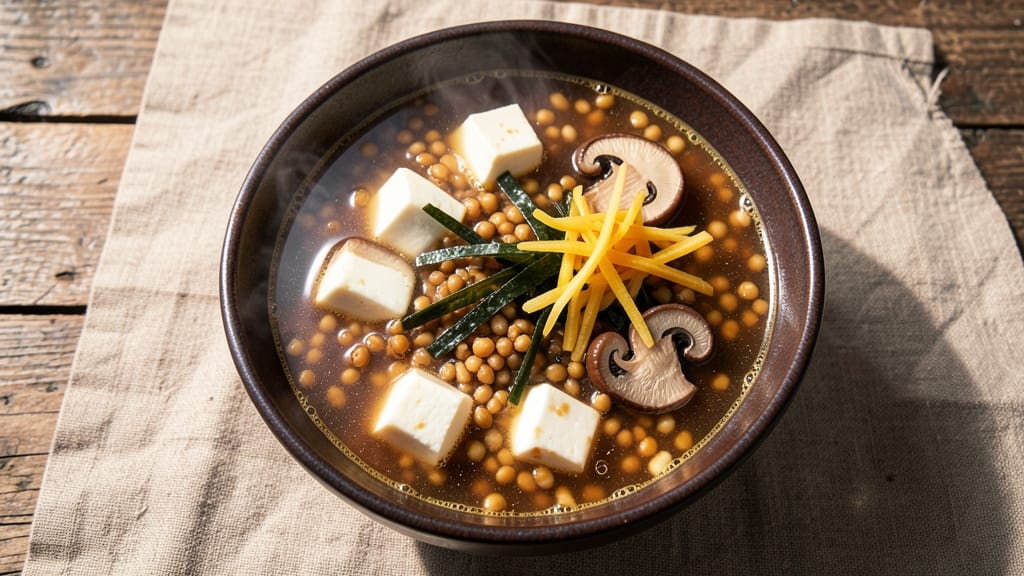
This amaranth and Chinese soup recipe blends ancient grains with wok-fried tradition, delivering a harmonious balance of nutty earthiness and crispy texture. The key lies in properly preparing amaranth—soaking it overnight to soften before simmering in a savory broth infused with ginger, garlic, and aromatic mushrooms.
Unlike quick-cooking grains, amaranth requires patience, but the reward is a soup that feels both rustic and refined.
The foundation is a rich, vegetarian-friendly broth made with shiitake mushrooms and kombu, deepened by a touch of soy sauce and sesame oil. Wok-fried amaranth adds a satisfying crunch, while soft tofu and fermented black beans contribute layers of umami.
This isn’t just a soup—it’s a textural experience, where each spoonful offers contrast between tender grains, crispy edges, and velvety broth.
What makes this recipe work is the balance of preparation and spontaneity. The amaranth must soak overnight, but the actual cooking unfolds in under an hour, making it perfect for weeknight dinners. Garnish with scallions and sesame seeds to brighten the dish, or add a fried egg for extra richness.
The result is a soup that honors Chinese culinary tradition while feeling fresh and approachable for home cooks.
This dish pairs beautifully with steamed rice or as a standalone meal, especially during cooler months when hearty, warming soups are most welcome. The nutty depth of amaranth complements the broth’s savory notes, creating a flavor profile that’s both familiar and unexpected. Let’s get cooking—your taste buds will thank you.
Ingredients for amaranth soup recipe chinese
Ancient grains meet wok-fried tradition in this vegetarian Chinese-inspired soup, balancing nutty amaranth with umami-rich broth and crispy textures.
| Ingredient | Amount | Notes |
|---|---|---|
| Amaranth Grains 🌾 | 1 cup | Rinsed and soaked overnight |
| Dried Shiitake Mushrooms 🍄 | 4 whole | Rehydrated in hot water |
| Kombu Seaweed 🌊 | 1 sheet | Cut into strips |
| Fresh Ginger Root 🌿 | 2 tbsp | Finely grated, organic preferred |
| Garlic Cloves 🧄 | 4 cloves | Minced for aromatic depth |
| Silken Tofu 🥬 | 8 oz | Cubed for delicate texture |
| Fermented Black Beans 🫘 | ½ cup | Rinsed and drained |
| Light Soy Sauce 🍶 | 2 tbsp | Kikkoman preferred |
| Sesame Oil 🫒 | 1 tbsp | Toasted for aroma |
| Scallions 🧅 | 3 whole | Thinly sliced for garnish |
| Toasted Sesame Seeds 🌰 | 1 tbsp | For final garnish |
| Vegetable Broth 💧 | 4 cups | Homemade or low-sodium |
| Rice Vinegar 🍶 | 1 tbsp | For brightness |
| Sesame Paste 🌰 | 1 tsp | For umami depth |
| Sea Salt 🧂 | 1 tsp | Diamond Crystal preferred |
The amaranth is the heart of this dish, and proper preparation is key. Store-bought amaranth from brands like Bob’s Red Mill works perfectly, but if you’re sourcing from specialty stores, look for organic varieties with a deep, earthy aroma. The overnight soak transforms the hard grains into tender, nutty bites—don’t skip this step. For the mushrooms, dried shiitake from Asian markets delivers the most robust flavor, though rehydrated canned shiitake in a pinch works. Kombu seaweed adds depth, so opt for thick, dark sheets from the bulk section of health food stores like Whole Foods or Sprouts. Fresh ginger and garlic should be vibrant—organic ginger from the produce section at Trader Joe’s or a local farmers' market ensures the brightest flavor.
No dried shiitake? Fresh shiitake mushrooms work in a pinch, but reduce the amount by half since they’re less concentrated. Short on kombu? Dulse flakes at one-third the amount provide a similar briny note, though the texture won’t be identical. The fermented black beans can be swapped for adzuki beans or black soybeans, but fermented delivers that signature funky umami. For the tofu, silken tofu is ideal, but firm tofu pressed and cubed adds a satisfying chew. The sesame oil is non-negotiable—toasted sesame oil from the Asian aisle at Walmart or Costco is the most budget-friendly option, but splurge on Kadoya for restaurant-quality depth. If you’re avoiding gluten, ensure your soy sauce is tamari-based.
Amaranth keeps best in an airtight container in the fridge for 5-7 days, though it’s best used within 24 hours of soaking. The rehydrated mushrooms and kombu can be stored in the broth for up to 3 days, but flavor peaks within the first day. For meal prep, assemble the soup without the tofu and garnishes—add those fresh when reheating to preserve texture. This soup reheats beautifully on the stovetop, but low and slow prevents the amaranth from turning mushy. Garnishes like scallions and sesame seeds should be added just before serving to maintain their vibrant color and crispness. Freeze the broth base (without amaranth) for up to 3 months—just reheat and add freshly cooked amaranth when ready to serve.
Why You'll Love This Recipe
- No-Soaking Needed: I’ll admit, I was skeptical about amaranth—until I realized you just rinse the grains, not soak them overnight. Toss them in boiling water with the kombu, and they soften into that perfect chewy texture while the seaweed infuses the broth with oceanic depth. Honestly, it’s the kind of recipe where you forget you’re doing anything complicated.
- Umami Bomb: That combo of dried shiitake and kombu? Next-level savory without a single drop of soy. The ginger and garlic hit like a warm hug, but the real magic is how the amaranth absorbs all the flavors—earthy, slightly nutty, with this subtle sweetness that makes you go back for more. (Yes, even on a Tuesday night.)
- Leftover Hero: This soup actually tastes better the next day. The amaranth thickens just enough to make it heartier, and the mushrooms get even more tender. I make a big batch on Sundays and reheat portions all week—it’s my go-to when I’m too tired to cook but still want something nourishing.
- Pantry Staple Power: Between us, this recipe uses ingredients you might already have lurking in your cupboards. Dried shiitake? Check. Kombu? Probably in your fridge. The rest are basics. It’s the kind of dish that won’t break the bank but still feels special—great for when you want to impress without stressing over a grocery haul.
Step-by-step instructions for amaranth and Chinese-inspired soup
This fusion of ancient grains and wok-fried techniques creates a soup where nutty amaranth meets umami depth.
Prepare the Umami Base with Kombu and Shiitake
Begin by cutting the 1 sheet Kombu Seaweed into thin strips and adding them to a clean pot with the 4 cups Vegetable Broth. Bring to a gentle simmer over medium heat for 5 minutes—this extracts the oceanic depth of kombu without overpowering the broth. Remove the kombu strips immediately after simmering, as they'll release bitterness if left too long.
While the broth simmers, prepare the 4 whole Dried Shiitake Mushrooms by rehydrating them in hot water for 20 minutes until pliable. Drain well, reserving ½ cup of the soaking liquid for added umami. Finely slice the mushrooms and set aside. The broth should now have a subtle seaweed aroma—this is your flavor foundation.
Toast the Amaranth for Nutty Depth
Drain and rinse the 1 cup Amaranth Grains thoroughly, then spread them on a dry skillet over medium-high heat. Toast for 3-4 minutes, stirring constantly, until they develop a toasted aroma and turn a deeper golden brown. This step is crucial—it removes the raw earthiness and develops the nutty flavor that defines this soup.
Transfer the toasted amaranth to a bowl and set aside. The grains should be fragrant and slightly crisp at the edges. If they smell too raw, toast for another 30 seconds—this is your quality checkpoint. The amaranth will absorb liquid later, so don't worry about over-toasting.
Build the Wok-Fried Aromatics Layer
Heat 1 tablespoon Sesame Oil in a wok or deep skillet over high heat until shimmering. Add the 2 tablespoons Fresh Ginger Root and 4 cloves Garlic Cloves, stirring for 30 seconds until fragrant but not browned. Add the sliced shiitake mushrooms and cook for 2 minutes until they release their moisture and develop a golden sheen.
Stir in the 0.5 cup Fermented Black Beans and 2 tablespoons Light Soy Sauce, cooking for another 1 minute until the beans soften slightly. The mixture should smell complex—earthy from the mushrooms, funky from the fermented beans, and salty from the soy. This aromatic base is what elevates the soup from simple to extraordinary.
Simmer the Soup to Perfect Texture
Return the simmering broth to medium heat and add the wok-fried aromatics along with the 1 teaspoon Sesame Paste and 1 teaspoon Sea Salt. Stir in the toasted amaranth and bring to a gentle boil. Reduce heat to low and simmer uncovered for 25-30 minutes, stirring occasionally, until the amaranth is tender but still holds its shape.
Taste and adjust seasoning—add more Light Soy Sauce if needed for saltiness or Rice Vinegar for brightness. The soup should be thick enough to coat the back of a spoon but still pourable. If it's too thick, stir in 2-3 tablespoons of water to reach your desired consistency.
Finish with Crispy Garnishes and Silken Tofu
Cubed 8 oz Silken Tofu and gently warm in the soup for the final 2 minutes of cooking. Ladle the soup into bowls and garnish with thinly sliced 3 whole Scallions and 1 tablespoon Toasted Sesame Seeds. The contrast of silky tofu against the nutty amaranth and crispy seeds creates the perfect textural balance.
Serve immediately with a drizzle of Rice Vinegar for brightness. Each spoonful should deliver layers of flavor: the nutty crunch of amaranth, the umami depth of kombu and shiitake, and the delicate creaminess of silken tofu. The toasted sesame seeds add a final crispy element that ties everything together.
Pro Tips For Making Amaranth Soup Recipe Chinese
- SOAK AMARANTH OVERNIGHT: I learned this the hard way—rushing amaranth soaking leaves it chalky and unappetizing. Toss 1 cup of grains in 3 cups water, cover, and let sit 12+ hours (yes, even if you’re impatient like me). The texture transforms from gritty to creamy, and the soup actually tastes like it belongs in a bowl.
- SIMMER KOMBU LOW AND SLOW: This isn’t the prettiest method, but it’s the tastiest. Kombu releases its umami best at a bare simmer—don’t boil it or it’ll turn bitter. Tuck a 4-inch strip into the pot with 4 cups water, heat to 180°F (just below a rolling boil), and let it steep for 10 minutes before removing. Your soup will thank you.
- SLICE SHIITAKES THIN AFTER SOAKING: I was skeptical until I tried it: dried shiitakes rehydrate unevenly, so I now slice them paper-thin after soaking (not before). Split the caps, slice into 1/8-inch pieces, and let them soak in hot water for 20 minutes. They’ll absorb flavor evenly and stay tender without turning to mush.
- SAVE TIME WITH GINGER-GARLIC PASTE: Skip chopping fresh ginger and garlic every time—make a paste. Blend 1-inch ginger and 3 garlic cloves with 2 tablespoons water until smooth. It keeps for a week in the fridge and cuts prep by half. Toss 1 tablespoon into the soup at the end; the heat mellows out perfectly.
Wine and beer pairings for this dish
Light White Wine
For this nutty, earthy amaranth soup, I recommend a crisp dry Riesling or Sauvignon Blanc from China’s Huadiao Valley region. The bright acidity and citrus notes cut through the soup’s richness while complementing the fermented black beans and kombu.
A 2022 Huadiao Riesling (around $12-$15) delivers the perfect balance—its mineral finish mirrors the oceanic depth of the seaweed. 🍷
Light Beer Pairings
A wheat beer like Snow Beer (China’s most popular lager) is ideal—its light body and subtle sweetness won’t overpower the soup’s complex flavors.
For a craft option, try a Chinese-style witbier (like Guinness’ Chinese-inspired brew), which adds a touch of coriander and orange peel to enhance the ginger and scallion garnishes. Serve chilled to highlight the beer’s crispness against the warm soup. 🍺
Fortified Wine Option
If you prefer something bolder, a dry Chinese Huangjiu (yellow wine) from Shaoxing adds an intriguing layer. These wines are fermented in clay pots and have a nutty, slightly smoky profile that pairs beautifully with the toasted amaranth.
Look for Shaoxing Daqu Huangjiu (around $18-$22)—its depth mirrors the soup’s umami-rich broth. Sip it slightly warmed to enhance its aromatic qualities. 🍷
Non-Alcoholic Pairings
For a refreshing non-alcoholic match, try jasmine green tea (chilled) or a ginger-infused sparkling water. The floral notes of jasmine tea complement the soup’s earthiness, while the ginger water echoes the dish’s aromatic base.
For a bolder option, yuzu soda (available at Asian markets) adds a citrusy contrast that brightens the fermented black beans. 💧
Nutrition facts
Frequently asked questions
Why does amaranth need to soak overnight in this recipe?
Unlike quick-cooking grains, amaranth has a tough outer shell that requires soaking to soften properly. Overnight soaking transforms hard grains into tender, nutty bites that hold their shape during simmering. Skipping this step results in a mushy texture that loses the satisfying chew this soup depends on.
Can I substitute amaranth with another grain?
While quinoa or brown rice work in a pinch, they lack amaranth’s distinctive nutty flavor and chewy texture. For the closest match, use buckwheat groats (toasted first) or farro, but expect a milder taste. The recipe’s depth comes from amaranth’s unique profile—don’t compromise on this key ingredient!
How do I adjust the spice level for sensitive palates?
This recipe is naturally mild, but you can reduce the fermented black beans to ¼ cup for a gentler flavor. Skip the sesame paste if you dislike its strong aroma, and use ½ teaspoon of mild soy sauce instead. The ginger and garlic can also be halved for a subtler taste.
Will this soup freeze well?
Freeze the broth base (without amaranth or tofu) for up to 3 months—just reheat and add freshly cooked amaranth when serving. The tofu and garnishes should be added fresh after thawing to preserve texture. For best results, reheat on low heat and stir occasionally to prevent sticking.
What’s the secret to getting crispy amaranth edges?
Toast the amaranth in a dry skillet over medium-high heat until golden brown and fragrant—this creates the crispy texture. After simmering, let the soup sit for 5 minutes off heat before serving. The residual heat helps maintain that satisfying crunch.