
Soups & Stews
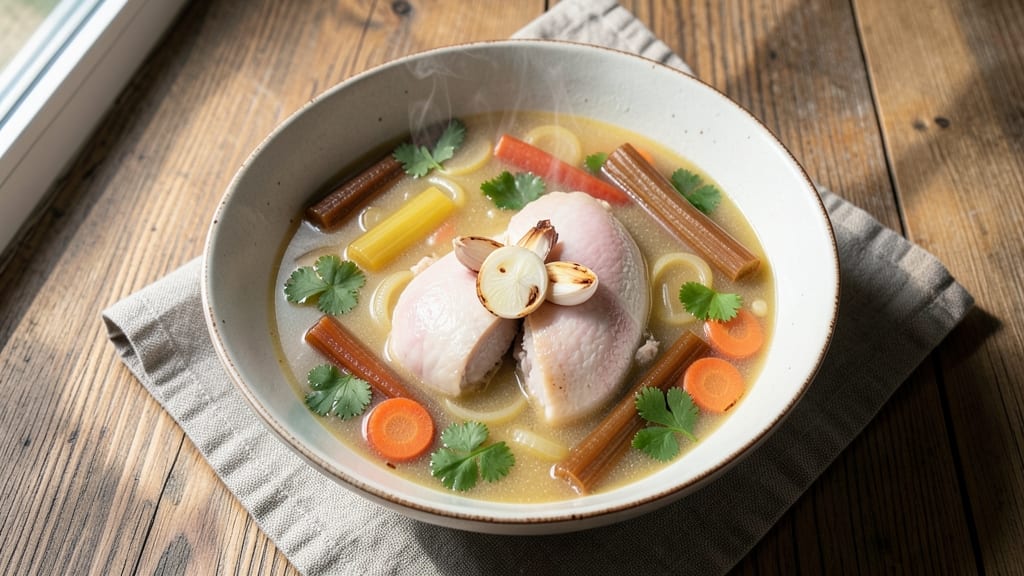
This American ginseng chicken soup transforms a simple comfort dish into a nourishing elixir, blending tender shreds of chicken with earthy adaptogen roots for a depth of flavor and health benefits.
The secret lies in slow-simmered broth that extracts ginseng's natural sweetness while keeping the chicken fork-tender—no tough, overcooked pieces here.
What sets this apart is the balance: rich umami from ginger and garlic, subtle heat from red pepper flakes, and the ginseng's earthy warmth that lingers long after the last spoonful.
The recipe begins with a 30-minute chicken base, where aromatics bloom in a hot pot before adding ginseng slices and vegetables. This isn't just soup—it's a one-pot meal built for busy nights, where every ingredient works in harmony.
The ginseng, whether fresh or dried, infuses the broth with its signature earthy notes, while carrots and celery add natural sweetness to complement the chicken's savory depth.
By the time you're serving steaming bowls, you'll have achieved restaurant-quality results at home—creamy without heavy cream, hearty without being heavy. The ginseng's adaptogenic properties make this more than just food; it's a comforting, health-boosting dish that warms both body and soul.
Garnish with green onions and sesame seeds for a touch of freshness that brightens each bite.
Perfect for cold evenings, post-illness recovery, or whenever you crave a soup that nourishes as much as it satisfies. The recipe scales effortlessly, making it ideal for meal prep or feeding a crowd. Let's get started—your taste buds (and immune system) will thank you.
Ingredients for american ginseng chicken soup
Earthy ginseng meets tender chicken in this nourishing one-pot elixir—simple ingredients, deep flavor.
| Ingredient | Amount | Notes |
|---|---|---|
| Boneless Chicken Thighs 🍗 | 1 ½ lb | Skin-on for better flavor |
| American Ginseng Root 🌿 | 1 oz | Fresh or dried, sliced thin |
| Carrots 🥕 | 3 medium | Peeled and cut into chunks |
| Celery Stalks 🧅 | 3 whole | Trimmed and chopped |
| Yellow Onion 🧅 | 1 whole | Peeled and sliced |
| Garlic Cloves 🧄 | 4 cloves | Peeled and minced |
| Fresh Ginger Root 🌿 | 2 tbsp | Grated finely |
| Red Pepper Flakes 🌶️ | ½ tsp | Adjust for heat preference |
| Chicken Broth 💧 | 4 cups | Low-sodium preferred |
| Green Onions 🌱 | 2 whole | Sliced for garnish |
| Toasted Sesame Seeds 🌰 | 1 tbsp | For garnish |
| Kosher Salt 🧂 | 1 ½ tsp | Diamond Crystal preferred |
| Black Peppercorns 🌶️ | ½ tsp | Freshly cracked |
| Extra-Virgin Olive Oil 🫒 | 2 tbsp | For sautéing |
The American ginseng root is the soul of this soup—look for fresh slices at specialty Asian markets or health stores like Whole Foods or Trader Joe's. If using dried, soak it for 20 minutes first. The skin-on chicken thighs stay juicier than breasts, and you can't beat Costco's pre-cut package for convenience. Fresh ginger? Penzeys sells it pre-grated, but a microplane works wonders if you've got whole root. The carrots and celery should be crisp—no mealy ones here. For the broth, Pacific Foods or Low Sodium Swanson are my go-tos, but homemade is worth the effort if you've got time.
No fresh ginseng? Dried works too—just double the amount. Short on chicken thighs? Breasts work in a pinch, but they dry out faster, so don't overcook. The red pepper flakes can be swapped for cayenne at half the amount if you prefer more heat. No sesame seeds? Toasted sunflower seeds add a similar crunch. The olive oil matters here—use something peppery and fruity (like California Extra Virgin), not the cheap stuff. For extra umami, add 1 tbsp soy sauce with the broth, but skip it if you're avoiding sodium. The green onions should be bright—wilted ones won't cut it for garnish.
This soup tastes even better the next day as flavors meld—double the batch and freeze half for lazy nights. Store in the fridge for 4-5 days or freeze for 3 months. The ginseng root can be reused once if you strain it carefully—simmer it again with water for a second infusion. For meal prep, portion into glass containers so leftovers reheat beautifully. Garnish with extra sesame seeds before serving—it's that easy.
Why You'll Love This Recipe
- 20-Minute Prep: I swear by this—just brown the chicken thighs, toss in chopped veggies and ginseng root, then let it simmer. No peeling carrots like some fancy recipe demands; the skin-on thighs add richness while you sip coffee.
- Earthy Depth Wins: That ginseng root—honestly, it’s the MVP. It turns ordinary chicken broth into something warm and slightly sweet, like a hug in a bowl. The celery and onion caramelize just enough to balance it.
- Meal Prep MVP: Between us, this is my freezer’s best friend. Cook a big batch, and you’ve got lunch for three days or a quick dinner after work. The ginseng keeps it flavorful even reheated—no sad, watery leftovers here.
- Budget-Friendly Powerhouse: Chicken thighs and root veggies stretch for miles. I make this for my whole family, and we still have enough for takeout containers. Plus, the ginseng root lasts months if you store it right—worth every penny.
Step-by-step instructions for American ginseng chicken soup
Transform simple ingredients into a deeply nourishing soup where earthy ginseng meets tender chicken.
Sauté the Aromatic Foundation
Heat the 2 tablespoons extra-virgin olive oil in a large pot over medium heat until shimmering. Add the 1 whole yellow onion and 3 whole celery stalks, cooking for 5-6 minutes until softened and translucent. Here's the thing—don't rush this step. The onion should become sweet and caramelized at the edges before you add anything else.
Push the vegetables to one side of the pot and add the 4 cloves garlic cloves and 2 tablespoons fresh ginger root. Stir for 30 seconds until fragrant—you'll smell that pungent, fresh aroma that signals they're ready. This aromatic base forms the flavor backbone of your soup, so take your time here. If you notice the garlic starts to brown too quickly, reduce the heat slightly to prevent bitterness.
Infuse with Ginseng and Spices
Add the 1 ounce American ginseng root (sliced thin) and 0.5 teaspoon red pepper flakes to the pot. Stir for 1-2 minutes until the ginseng begins to release its earthy aroma. The ginseng should soften slightly but maintain some texture—it's not meant to dissolve completely. This is where the soup gets its unique adaptogenic properties, so don't skip this infusion step.
Season with 1.5 teaspoons kosher salt and 0.5 teaspoon black peppercorns, crushing them lightly between your fingers first to release their oils. Taste the mixture—it should be vibrant and slightly spicy. If you're using dried ginseng, you might want to add it slightly earlier in the cooking process to ensure it fully rehydrates and infuses the broth.
Simmer Chicken Until Tender
Add the 1.5 pounds boneless chicken thighs to the pot, ensuring they're surrounded by the vegetable mixture. Pour in the 4 cups chicken broth until everything is just covered. Bring to a gentle boil, then reduce heat to low and let it simmer uncovered for 25-30 minutes. You're looking for the chicken to become fork-tender—when it's easy to shred with two forks.
Here's a pro tip: occasionally skim any foam that rises to the surface during the first 10 minutes of simmering. This keeps your broth clear and prevents bitterness. The chicken should float near the surface as it cooks, and you'll notice the broth developing a rich, golden color with subtle red undertones from the ginseng.
Add Vegetables and Finish Cooking
Add the 3 medium carrots (cut into chunks) to the pot. Return to a gentle simmer and cook for another 15-20 minutes, until the carrots are tender when pierced with a fork. The vegetables should absorb the flavors from the broth while maintaining some bite—you want them al dente rather than mushy.
Taste the broth again and adjust seasoning if needed. The ginseng should lend a subtle earthy sweetness, while the ginger and garlic add warmth. If the soup seems too thick, add ½ cup water to reach your preferred consistency. The vegetables should be cooked through but still hold their shape when lifted with a spoon.
Shred and Garnish
Using two forks, carefully shred the chicken thighs directly in the pot, discarding any bones or connective tissue. Stir the chicken into the broth along with the vegetables. Let the soup simmer for an additional 5 minutes to allow all the flavors to meld together completely.
Remove from heat and stir in the 2 whole green onions (sliced) and 1 tablespoon toasted sesame seeds. Ladle the soup into bowls, ensuring each serving gets a generous portion of chicken and vegetables. The finished soup should have a beautiful golden hue with visible ginseng slices and tender chicken shreds throughout. Serve immediately while hot for the full experience of this comforting, health-boosting dish.
Pro Tips For Making American Ginseng Chicken Soup
- SEAR THIGHS FIRST: Don’t just toss raw chicken into the broth—pat the thighs dry and sear them in a hot pot with a splash of oil for 3-4 minutes per side until golden. This locks in flavor and prevents them from turning rubbery later, especially important since American ginseng needs time to simmer and won’t overpower a bland base.
- SLICE GINSENG THIN: If your ginseng root is thick or knobby, slice it paper-thin (about 1/8-inch) before adding it to the broth. Thick slices take forever to soften and release their earthy notes, while thin slices melt into the soup in 20-30 minutes—no waiting for a miracle.
- DON’T BOIL THE VEGETABLES: Once carrots and celery hit the pot, keep the heat at a gentle simmer (small bubbles, not rolling). Boiling turns them mushy and dulls their flavor, while a low simmer keeps them crisp-tender and lets the ginseng’s bitterness mellow naturally.
- RESERVE THE BROTH: Strain the finished soup through a fine-mesh sieve into a clean pot, then return the broth to low heat. This removes fibrous ginseng bits that can make the soup gritty—especially useful if you’re using dried root instead of fresh. Reheat gently to avoid breaking the broth’s delicate balance.
Dietary considerations for this recipe
Gluten-Free Adaptation
This soup is naturally gluten-free as long as you use a certified gluten-free chicken broth. I always check the label on Pacific Foods or Annie's Homegrown broths to ensure they meet strict gluten-free standards.
The ginseng, vegetables, and chicken are all gluten-free ingredients, so no substitutions are needed—just verify your broth is safe. Always double-check seasoning packets too, as some contain hidden gluten. 🌱
Dairy-Free Considerations
The original recipe is already dairy-free, making it perfect for those avoiding lactose or following vegan diets. The creamy texture comes from the chicken and ginseng infusion, not dairy. For extra richness, you could add 1 tablespoon coconut milk at the end, but it's not necessary.
The broth develops natural body from the simmering process, so no dairy substitutes are required. 🥄
Low-Sodium Options
To reduce sodium, use low-sodium chicken broth and cut the salt to 1 teaspoon instead of 1.5 teaspoons. I also recommend omitting the red pepper flakes if your broth already contains added salt.
Freshly cracked black peppercorns add flavor without sodium. For extra umami without salt, add 1 teaspoon soy sauce or 1 tablespoon nutritional yeast when serving. 🧂
Ginseng Substitutes
If you can't find American ginseng, try reishi mushrooms (1 oz) for earthy depth or ginger root (double to 4 tbsp) for warmth. For a milder flavor, use 1 tbsp dried shiitake mushrooms—soak them first.
Each substitute changes the flavor profile slightly, but all maintain the soup's comforting qualities. The key is balancing the earthy notes with the other ingredients. 🌿
Vegetarian Adaptation
Replace chicken with 1.5 lbs extra-firm tofu or chickpeas (1 can, drained). For tofu, press and cube it, then pan-fry until golden before adding to the soup. Chickpeas add natural creaminess and protein.
Boost umami with 1 tbsp miso paste (dissolved in broth) or 1 teaspoon fish sauce (if not vegan). The ginseng remains the star, tying all flavors together. 🥜
Allergen-Friendly Notes
This soup is nut-free, egg-free, and soy-free (unless you add soy sauce). For sesame allergies, swap sesame seeds with toasted pumpkin seeds or hemp seeds.
Always check ginseng packaging for cross-contamination warnings, especially if you have severe allergies. The recipe's simplicity makes it easy to adapt for multiple dietary needs. 💡
Nutrition facts
Frequently asked questions
Can I use chicken breasts instead of thighs in this recipe?
Chicken breasts will work, but you'll need to adjust the cooking time to 15-20 minutes instead of 25-30 minutes to prevent drying out. The skin-on thighs stay juicier, but breasts work well if you prefer leaner protein. Just avoid overcooking—they should reach 165°F internally.
How do I store and reheat leftovers?
Store in an airtight container in the fridge for 4-5 days or freeze for up to 3 months. Reheat gently on the stove over medium-low heat or in the microwave (covered) until steaming hot. The ginseng flavor actually improves overnight as it infuses further!
What if I can't find American ginseng?
Try reishi mushrooms (1 oz) for earthy depth or doubled ginger (4 tbsp) for warmth. For a milder option, use 1 tbsp dried shiitake mushrooms (soaked first). Each substitute changes the flavor profile slightly, but the soup will still be delicious. The key is balancing the earthy notes with the other ingredients.
Can I make this soup in an Instant Pot?
Yes! Sauté the aromatics first, then add all ingredients except green onions and sesame seeds. Cook on high pressure for 10 minutes, then quick-release. Finish with the garnishes. The Instant Pot version cooks 40% faster while keeping the chicken tender. Just reduce the broth by ½ cup since it won't evaporate as much.
Why does my soup taste bitter?
Bitterness usually comes from overcooked chicken or ginseng. Simmer uncovered and skim foam during the first 10 minutes to prevent this. If using dried ginseng, soak it first. For extra depth without bitterness, add 1 tbsp soy sauce or 1 tsp fish sauce at the end. The broth should taste rich but balanced, not harsh.