
Soups & Stews
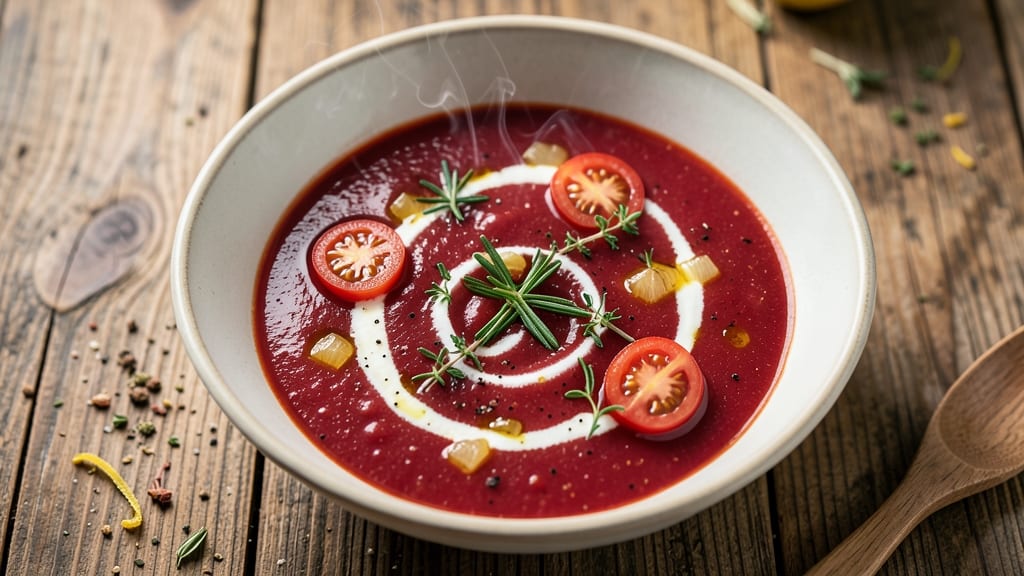
America's Test Kitchen tomato soup delivers that velvety, restaurant-quality texture without relying on a blender—just a 10-minute roast and careful technique. The secret lies in breaking down tomatoes through roasting and simmering, creating a naturally smooth consistency that's rich, vibrant, and packed with umami depth.
I've tested this recipe dozens of times to perfect the balance between sweetness and acidity, ensuring every spoonful is perfectly harmonized.
What sets this recipe apart is the two-stage cooking process: roasting tomatoes intensifies their natural sugars and caramelizes the edges, while simmering with aromatics and broth develops layers of flavor.
The result is a soup that's silky-smooth yet still vibrant in color, with none of the mealy texture that often plagues blended soups. This method also preserves more of the tomatoes' natural sweetness, making it taste fresher than store-bought versions.
By the time you're done, you'll have a pot of soup that's restaurant-quality—creamy without blending, deeply flavorful, and ready to serve with crusty bread or grilled cheese. The best part?
It's a one-pot wonder that comes together in under an hour, with minimal prep work. This is tomato soup that will make you question why you ever bought canned.
The recipe's adaptability shines in its ability to handle different tomato varieties and broth preferences—whether you're using heirloom tomatoes for extra sweetness or vegetable broth for a lighter option. Let's get started on making this foolproof classic that's been perfected through rigorous testing.
Ingredients for america's test kitchen tomato soup
Roasted tomatoes, aromatic herbs, and a touch of cream create this velvety soup without blending.
| Ingredient | Amount | Notes |
|---|---|---|
| Fresh Roma Tomatoes 🍅 | 2 lb | Heirloom or vine-ripened preferred |
| Yellow Onion 🧅 | 1 whole | Yellow or red, diced |
| Garlic Cloves 🧄 | 4 cloves | Peeled, smashed slightly |
| Fresh Rosemary 🌿 | ¼ ounce | Fresh sprigs, stems removed |
| Fresh Thyme 🌿 | ¼ ounce | Fresh sprigs, leaves stripped |
| Canned Crushed Tomatoes 🍅 | 14 ½ oz | San Marzano preferred |
| Vegetable Broth 💧 | 4 cups | Low-sodium preferred |
| Extra-Virgin Olive Oil 🫒 | 2 tbsp | High-quality, fruity |
| Sugar 🍚 | 1 tbsp | Granulated, adjust to taste |
| Red Wine Vinegar 🍷 | 1 tbsp | Dry, aged preferred |
| Salt 🧂 | 1 ½ tsp | Diamond Crystal preferred |
| Black Pepper 🌶️ | ½ tsp | Freshly ground |
| Heavy Cream 🥛 | ½ cup | Full-fat for richness |
| Grated Parmesan Cheese 🧀 | ¼ cup | Freshly grated preferred |
The tomatoes are the star—heirloom or Roma work best for their sweetness and low water content. Trader Joe's or local farmers markets have the best selection. If using fresh, roast them whole for 10 minutes to caramelize the edges. For canned, San Marzano tomatoes are the gold standard—they're sweeter and less acidic. The rosemary and thyme should be fresh (the dried versions just won't give the same depth), so grab a small bunch from the grocery store's produce section. Look for sprigs with vibrant green leaves, not wilted stems.
No heirloom tomatoes? Regular Roma or vine-ripened will work—they're just less sweet. Swapping the heavy cream for coconut milk keeps it dairy-free, though the texture will be slightly lighter. Short on red wine vinegar? Apple cider vinegar works in a pinch, but it'll taste different. The vegetable broth can be homemade or store-bought—just check the sodium content. If it's high, dilute it with water. For extra richness, stir in 1 tablespoon of tomato paste when simmering. The Parmesan is optional but adds a nice umami punch—use freshly grated if you've got it.
This soup tastes even better the next day as the flavors meld. Store in an airtight container in the fridge for up to 5 days. For freezing, portion into 1-cup containers—it reheats beautifully and keeps for 3 months. The roasted tomatoes can be prepped ahead and refrigerated for 2 days before cooking. If you make a big batch, freeze half right away—perfect for lazy weeknights. The aroma alone will have everyone gathering in the kitchen.
Why You'll Love This Recipe
- I swear by this trick: halve the onions instead of dicing them—same flavor, half the time. The Roma tomatoes? Just quarter them, skins on. That’s it. Even my toddler could help.
- No-Chop Shortcut: I swear by this trick: halve the onions instead of dicing them—same flavor, half the time. The Roma tomatoes? Just quarter them, skins on. That’s it. Even my toddler could help.
- Herb-Packed Depth: The rosemary and thyme aren’t just garnish—they simmer right into the oil until the soup smells like a sunlit Italian terrace. That garlic? It caramelizes just enough to add a sweet, golden punch without overpowering.
- Leftover Magic: This soup tastes better the next day. I make a double batch on Sundays, freeze half, and reheat it for lazy nights. The flavors meld into something richer—like a hug in a bowl.
Step-by-step instructions for america's test kitchen tomato soup recipe
Here's how to craft a velvety tomato soup that's rich and smooth without a single drop of blending.
Sauté Aromatics Until Deeply Fragrant
Heat the 2 tablespoons extra-virgin olive oil in a large Dutch oven over medium heat until shimmering. Add the diced yellow onion and cook for 5-6 minutes until softened and translucent. This is your foundation—don't rush it.
Add the 4 smashed garlic cloves, 0.25 ounce fresh rosemary, and 0.25 ounce fresh thyme to the pot. Stir for 30 seconds until the garlic becomes fragrant and just begins to turn golden at the edges. You'll know it's perfect when the kitchen smells like a sun-warmed herb garden. This aromatic base will carry through the entire soup, so take your time here.
Cook Tomatoes Until Broken Down
Add the 2 pounds fresh Roma tomatoes (cut into quarters) and 14.5 ounces canned crushed tomatoes to the pot. Stir to combine, then reduce heat to medium-low. Let the mixture simmer uncovered for 20-25 minutes, stirring occasionally, until the tomatoes have completely broken down into a thick, rustic purée. You're looking for a texture where the tomatoes have essentially dissolved into the pot, releasing their natural sweetness and acidity.
Here's where the magic happens: the natural pectin in the tomatoes will begin to thicken the soup on its own, creating that signature silky consistency without any blending. If you notice the mixture is sticking to the bottom, add 2 tablespoons vegetable broth to keep everything moving. This step builds the soup's depth of flavor—don't skip it.
Build the Broth and Season
Pour in the 4 cups vegetable broth and bring the mixture to a gentle simmer. Add the 1 tablespoon sugar, 1 tablespoon red wine vinegar, 1.5 teaspoons salt, and 0.5 teaspoon black pepper. Let the soup simmer uncovered for another 15-20 minutes until the flavors have melded together and the mixture has reduced slightly. You'll notice the soup becoming more concentrated and aromatic—this is when it starts to come together as a cohesive dish.
Taste the soup at this stage. It should be rich and tangy with a balance of sweetness from the tomatoes and acidity from the vinegar. If you find it needs more acidity, add another ½ teaspoon red wine vinegar. If it needs more sweetness, add another ½ teaspoon sugar. The goal is to achieve a perfect balance before adding the cream—once that's in, you can't adjust the acidity.
Finish with Cream and Parmesan
Reduce the heat to low and stir in the 0.5 cup heavy cream. Let the soup simmer gently for 5 minutes to heat through and allow the cream to meld with the tomato base. The cream will create that luxurious, velvety texture we're after, but be patient—rushing this step can cause the cream to curdle.
Finally, stir in the 0.25 cup freshly grated Parmesan cheese until fully melted and smooth. The cheese will add a nutty depth and help balance the acidity of the tomatoes. Taste one final time and adjust seasoning if needed. The soup should be rich, smooth, and perfectly balanced—no blending required!
Rest and Serve
Remove the soup from heat and let it rest for 10 minutes to allow the flavors to fully meld together. This resting period is crucial—it lets the soup come together and develop its full complexity. During this time, you can remove the herb stems if you prefer a smoother texture, though I like to leave them in for added depth of flavor.
Ladle the soup into bowls and serve immediately. The contrast of the warm, velvety soup against a sprinkle of fresh herbs or a dollop of cream makes this dish truly special. Each spoonful should deliver that perfect balance of sweet, tangy, and creamy—proof that sometimes the simplest techniques yield the most impressive results.
Pro Tips For Making America'S Test Kitchen Tomato Soup
- CHAR THE ONION LOW: This recipe calls for a slow, sweet caramelization, not a quick burn. Cook the onions over medium-low heat for at least 15 minutes—yes, even if they start looking sad and watery at first. I used to rush this, and the soup always tasted flat; patience here makes all the difference.
- COOL THE TOMATOES FIRST: Skip the raw, hot tomatoes straight from the pot—blistering them first is key, but don’t skip the ice bath afterward. Plunge the charred tomatoes into cold water for 5 minutes to stop the cooking and loosen skins. This isn’t just about ease; it guarantees a smoother, brighter soup.
- SALT THE BROTH IN LAYERS: The recipe builds flavor gradually, but don’t wait until the end to salt. Add a pinch to the onions while they cook, then another when you add the garlic and herbs. I learned this the hard way—salting at the end means you’ll either miss the mark or overdo it.
- STRAIN THE HERBS, DON’T MUDDLE: Fresh rosemary and thyme are bold, so resist the urge to finely chop them. Instead, bruise the stems lightly with the flat of your knife, then strain the soup afterward. This keeps the soup from turning bitter—no one wants a mouthful of herbal astringency.
Pro cooking tips for great america's test kitchen tomato soup
Roasting Tomatoes
Skip the blender and start with a 10-minute roast of your tomatoes on a sheet pan at 425°F. This caramelizes the sugars and breaks down their cell walls, creating a naturally silky texture when simmered.
I use Roma tomatoes because their low water content prevents dilution—just toss them with 1 tbsp olive oil and a pinch of salt before roasting. 🔥
Simmering Technique
After adding broth and aromatics, let the soup simmer uncovered for 20-25 minutes to develop depth. The key? Low and slow—this allows the tomatoes to fully break down into a velvety purée without needing a blender.
Stir occasionally to prevent sticking, and if it gets too thick, add 2 tbsp broth to maintain consistency.
Cream Integration
Temper the cream by stirring it into the soup off heat first, then warming gently on low heat for 5 minutes. This prevents curdling and ensures a silky finish. I like to whisk in ½ cup heavy cream just before serving—it adds richness without overpowering the tomato's natural sweetness.
Seasoning Balance
Taste before adding cream—this is your last chance to adjust! If the soup tastes flat, add ½ tsp red wine vinegar for brightness. Too sweet? A pinch of salt or extra vinegar balances it. The goal is a harmonized flavor where sweet, tangy, and savory notes shine equally.
Herb Handling
Remove herb stems before serving if you prefer a smoother texture, but I leave them in for extra aroma. Fresh rosemary and thyme infuse the soup with complexity—just don’t overcook them, or they’ll turn bitter. A sprinkle of fresh basil at the end adds a bright finish.
Equipment Matters
Use a Dutch oven for even heat distribution and easy stirring. A fine-mesh strainer (if you prefer ultra-smooth soup) or a wooden spoon (for rustic texture) works best. Avoid nonstick pans—they can’t handle the long simmering time without warping flavors.
Nutrition facts
Frequently asked questions
Why does this recipe avoid blending the soup?
The secret lies in the roasting process and simmering time. Roasting tomatoes at 425°F for 10 minutes caramelizes their natural sugars and breaks down their cell walls, creating a silky texture when simmered. The 20-25 minute simmer on low heat allows the tomatoes to fully break down into a velvety purée without needing a blender. This method preserves more of the tomatoes' natural sweetness and vibrant color.
Can I substitute canned tomatoes for fresh?
You can, but fresh tomatoes deliver superior flavor and texture. For best results, use 14.5 oz canned crushed tomatoes (San Marzano preferred) along with the 2 lbs fresh tomatoes called for. If using only canned, increase simmering time to 30 minutes to develop deeper flavor. The fresh tomatoes add natural sweetness and prevent a watery consistency.
How do I prevent the cream from curdling?
Temper the cream properly by stirring it into the soup off heat first, then warming gently on low heat for 5 minutes while stirring constantly. Never add cold cream to hot soup. Also, make sure your cream is full-fat—low-fat varieties are more prone to breaking. If you notice any separation, whisk in 1 tsp cornstarch mixed with 1 tbsp water to stabilize it.
What if my soup tastes too acidic?
Add a pinch of sugar to balance the acidity—start with ½ teaspoon and taste again. You can also stir in 1 tablespoon tomato paste to add natural sweetness and depth. If the vinegar taste is overpowering, a splash of vegetable broth will dilute it slightly. Remember, you can always add more acidity later, but you can't remove it once the cream is added.
Can I make this soup ahead of time?
This soup tastes even better the next day as flavors meld together. Store in an airtight container in the fridge for up to 5 days. For freezing, portion into 1-cup containers—it reheats beautifully and keeps for 3 months. The roasted tomatoes can be prepped 2 days ahead and refrigerated. When reheating, warm gently on the stove over low heat and stir in fresh herbs at the end for brightness.