
Soups & Stews
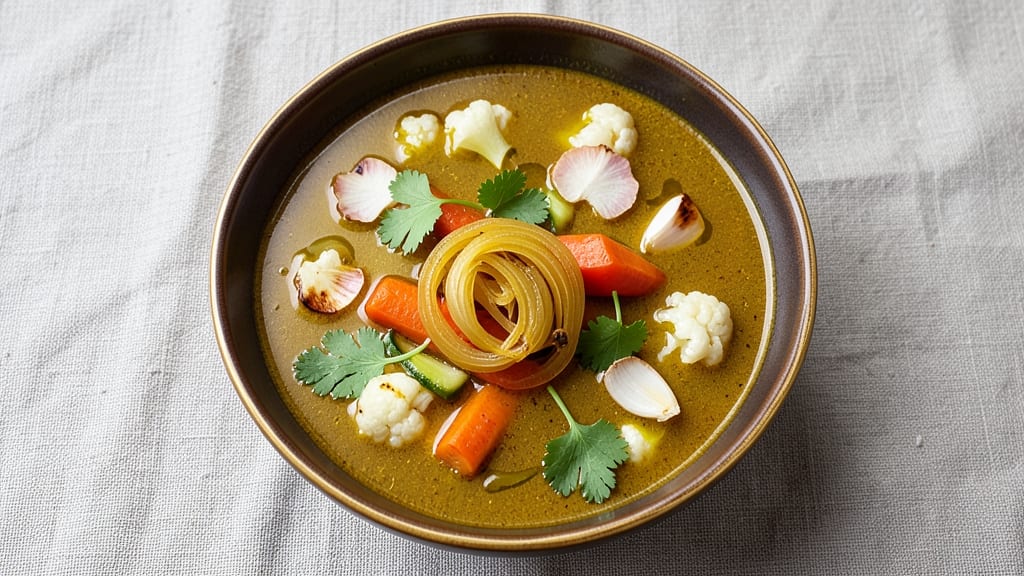
This anti-inflammatory vegetable soup recipe transforms simple ingredients into a gut-healing powerhouse that fights inflammation naturally. 💛 The secret lies in turmeric and ginger—both proven to reduce swelling and support digestion—paired with nutrient-dense vegetables like kale, carrots, and tomatoes.
What makes this recipe stand out is its ability to deliver restaurant-quality flavor while keeping prep simple and ingredients accessible.
The beauty of this soup is in its simplicity: no fancy techniques, just wholesome vegetables simmered with warming spices. Turmeric provides the golden hue and anti-inflammatory benefits, while ginger adds a zesty kick that enhances digestion.
The result is a comforting, nutrient-packed meal that’s perfect for lunch or dinner, especially when you’re focusing on healing or maintaining a balanced diet.
By the time you finish this recipe, you’ll have a vibrant, aromatic soup that’s rich in antioxidants and easy on the stomach. The turmeric and ginger work together to create a flavor profile that’s both bold and soothing, making every spoonful feel like a step toward better health.
Plus, it’s versatile enough to enjoy as-is or with optional garnishes like avocado or fresh herbs.
Whether you’re managing inflammation, looking for a light meal, or simply craving something nourishing, this soup delivers. The best part? It’s ready in under an hour and tastes even better the next day. Let’s get cooking!
Ingredients for anti inflammatory vegetable soup
Wholesome vegetables and potent spices create this gut-soothing, inflammation-fighting soup.
| Ingredient | Amount | Notes |
|---|---|---|
| Extra-Virgin Olive Oil 🫒 | ½ cup | High quality, fruity variety |
| Yellow Onion 🧅 | 1 whole | Medium size, diced finely |
| Garlic Cloves 🧄 | 4 cloves | Fresh, peeled, minced |
| Fresh Ginger 🌿 | 2 tbsp | Grated, organic preferred |
| Ground Turmeric 🌶️ | 1 tbsp | Freshly ground for potency |
| Carrots 🥕 | 2 cups | Medium, peeled, sliced thin |
| Celery Stalks 🥬 | 3 whole | Trimmed, chopped into bite-size |
| Kale Leaves 🌱 | 4 cups | Chopped, stems removed |
| Canned Diced Tomatoes 🍅 | 14 ½ oz | No salt added, drained |
| Vegetable Broth 💧 | 4 cups | Low-sodium preferred |
| Coconut Milk 🥥 | ½ cup | Full-fat for creaminess |
| Fresh Cilantro 🌿 | ¼ cup | Chopped, for garnish |
| Lemon Juice 🍋 | 1 tbsp | Freshly squeezed |
| Sea Salt 🧂 | 1 tsp | Diamond Crystal preferred |
| Black Pepper 🌶️ | ½ tsp | Freshly ground |
The turmeric and ginger are non-negotiable for anti-inflammatory benefits. Organic ginger from Whole Foods or your local farmers market delivers the most zing, while Penzeys turmeric ensures maximum potency. Fresh ginger is ideal, but powdered works in a pinch at half the amount. For the kale, baby kale is easiest to chop, but any variety works—just remove tough stems. Carrots should be vibrant orange, not pale or rubbery. The vegetable broth is the flavor base—Imagine brand is my go-to for clean, low-sodium quality.
No fresh ginger? Powdered ginger at half the amount works, though fresh is superior. Substitute kale with spinach or Swiss chard if needed—just reduce cooking time slightly. Coconut milk adds richness; full-fat canned coconut milk from Trader Joe's gives the best texture. For the tomatoes, San Marzano diced tomatoes elevate flavor, but any no-salt-added brand suffices. The cilantro is optional but adds freshness—dried cilantro at one-quarter the amount can substitute if you're out.
This soup tastes even better the next day as flavors meld. Store in an airtight container in the fridge for up to 5 days. Freezes beautifully for 3 months—portion into single servings for easy reheating. For extra anti-inflammatory benefits, stir in 1 tbsp of flaxseeds before serving. The broth can be made in advance and frozen, saving prep time on busy days.
Why You'll Love This Recipe
- Pantry to Bowl Fast: I swear by this soup because it’s the kind of recipe where you don’t even need to shop—just raid your spices and veggie drawer. Sauté onion, garlic, and ginger in olive oil until golden (about 5 minutes), toss in turmeric, and boom—foundation’s done. No chopping mountains of ingredients, no waiting for fancy prep.
- Golden Turmeric Magic: That first spoonful? Chef’s kiss. The turmeric doesn’t just add color—it brings a warm, earthy depth that pairs perfectly with the bright ginger and rich olive oil. Honestly, it’s the kind of flavor that makes you want to linger over a second bowl, even when you’re in a hurry.
- Meal Prep MVP: Between us, this is my go-to for busy mornings or post-work cravings. Make a big batch on Sunday, and you’ve got lunches for the week—just reheat and add a sprinkle of fresh herbs. (Yes, even on a Tuesday night when takeout feels impossible.)
- Budget-Busting Comfort: Olive oil, onions, and spices? That’s it for the heavy hitters. The rest—carrots, celery, whatever veggies you have—stretch the pot without breaking the bank. Plus, leftovers taste just as good cold the next day, packed in your lunchbox.
Step-by-step instructions for anti-inflammatory vegetable soup
Here's how to craft a vibrant, gut-soothing soup packed with anti-inflammatory power.
🍳 Step 1: Sauté the Aromatic Base
Heat the 0.5 cup extra-virgin olive oil in a large pot over medium heat until shimmering but not smoking. Add the 1 whole yellow onion and cook for 5-6 minutes until softened and translucent, stirring occasionally. You'll notice the onions release their sweet aroma—this is your foundation.
Add the 4 cloves minced garlic and 2 tbsp grated fresh ginger, stirring constantly for 30 seconds until fragrant. Here's the thing—ginger and garlic should smell pungent and warm, not burnt. If the oil starts to smoke, reduce heat immediately. Next, sprinkle in the 1 tbsp ground turmeric and stir for another 30 seconds until the spices bloom and the mixture turns a vibrant golden-yellow.
🥘 Step 2: Build the Vegetable Foundation
Add the 2 cups sliced carrots and 3 chopped celery stalks to the pot, stirring to coat with the spiced oil. Cook for 5 minutes until the carrots begin to soften slightly and release their moisture. This step develops the soup's depth of flavor through the Maillard reaction—those caramelized edges you'll see are pure taste.
Pour in the 14.5 oz canned diced tomatoes and 4 cups vegetable broth, scraping up any browned bits from the bottom of the pot. Bring the mixture to a gentle boil, then reduce heat to medium-low and let it simmer uncovered for 15 minutes. You want the vegetables to soften but retain their shape—this ensures texture contrast in every spoonful.
🍳 Step 3: Incorporate Leafy Greens and Finish
After 15 minutes, add the 4 cups chopped kale leaves and stir gently to distribute them evenly. The kale will wilt dramatically as it cooks—this is normal and indicates it's absorbing all those flavorful juices. Let the soup simmer for another 5-7 minutes until the kale is tender but still vibrant green.
Stir in the 0.5 cup coconut milk and 1 tbsp lemon juice, then season with the 1 tsp sea salt and 0.5 tsp black pepper. Taste and adjust seasoning—you want the flavors balanced between earthy, spicy, and tangy. The coconut milk adds creaminess without dairy, while the lemon brightens the whole dish.
🔪 Step 4: Garnish and Serve
Remove the soup from heat and let it rest for 5 minutes to allow flavors to meld. Before serving, ladle into bowls and garnish with 0.25 cup chopped fresh cilantro. The cilantro adds a fresh herbal note that cuts through the richness of the coconut milk and balances the earthy vegetables.
This soup delivers a potent anti-inflammatory profile through turmeric, ginger, and kale, while the coconut milk adds healthy fats for better nutrient absorption. Serve warm with crusty bread to soak up every flavorful drop—each spoonful is packed with gut-healing benefits and vibrant taste.
Pro Tips For Making Anti Inflammatory Vegetable Soup
- Sweat the Onion Low: I used to rush this step and end up with raw onion bits in my soup—bitter and uncooked. Instead, cook the diced yellow onion in olive oil over medium-low heat for 8-10 minutes until it’s soft, translucent, and just starting to caramelize. That’s where the flavor actually builds, especially when you’re pairing it with ginger and turmeric later.
- Grind the Ginger Fine: Fresh ginger is non-negotiable for anti-inflammatory benefits, but skip the thick slices—you’ll just taste it. Use a microplane or the smallest grating side of a box grater to turn it into a paste. This way, it blends seamlessly into the soup and releases its heat and zing evenly. (Pro move: Zest a little off the skin too—it’s packed with flavor.)
- Bloom the Turmeric First: If you add ground turmeric straight to the pot with the onions, you’ll end up with a bland, dusty flavor. Instead, toast it in the olive oil for 30 seconds until it smells earthy and aromatic—like curry powder waking up. Then add the garlic and ginger right after. This simple step makes the turmeric’s anti-inflammatory punch way more noticeable.
- Simmer, Don’t Boil: Anti-inflammatory soups aren’t about fast cooking—they’re about gentle extraction. Once everything’s in the pot, keep the heat at a bare simmer (tiny bubbles, occasional swirls) for at least 20 minutes. Boiling can turn the veggies mushy and strip away some of the beneficial compounds in turmeric and ginger. Patience here actually makes the soup work better for what you’re after.
Troubleshooting this recipe
Mushy Vegetables
Overcooking your vegetables is the #1 way to ruin this soup. Kale and carrots should stay tender-crisp, not mushy. I recommend adding kale in the last 5-7 minutes of cooking—any longer and it turns to sludge.
For carrots, keep them whole until the very end if you're worried about overcooking, then slice them before serving. 🥕
Bland Flavor Profile
If your soup tastes flat, it’s likely because the spices didn’t bloom properly. Always cook your turmeric, ginger, and garlic in oil for at least 30 seconds—this releases their aromatic compounds.
I like to add a pinch of black pepper (which contains piperine) to boost turmeric absorption by up to 2000%. Taste as you go and adjust with more salt or lemon juice if needed.
Oily or Greasy Texture
Too much oil makes the soup feel heavy. If your soup looks oily after simmering, skim off excess fat with a spoon or use a fat separator. For a lighter texture, reduce the olive oil to 0.25 cup—the vegetables and broth will still release enough moisture.
Adding coconut milk at the end helps balance richness without adding more fat upfront.
Sour or Overly Tangy
The lemon juice is meant to brighten, not dominate. If your soup tastes too sour, reduce the amount to 0.5 tbsp or skip it entirely. The natural acidity from tomatoes and ginger usually balances the flavors.
For a milder taste, use low-acid tomatoes like San Marzano, which have a sweeter profile.
Burnt Onions or Garlic
Burnt aromatics ruin the delicate balance of this soup. Keep your heat at medium and stir constantly when cooking onions and garlic. If you see browned bits sticking to the pot, add a splash of broth to deglaze immediately.
Fresh garlic should sizzle for 30 seconds max—any longer and it turns bitter.
Broth Too Salty
Store-bought broth can be surprisingly salty. If your soup tastes too strong, dilute it with 1 cup water or add more vegetables to balance the flavor. For future batches, always choose low-sodium broth—I swear by Imagine brand for clean, balanced flavor.
If you’re using homemade broth, taste it first and adjust seasoning before adding to the soup.
Nutrition facts
Frequently asked questions
Can I make this soup vegan?
This recipe is already vegan-friendly, but you can enhance it further by ensuring your vegetable broth contains no animal products. Double-check labels, and swap coconut milk for a plant-based alternative if needed (though coconut milk is naturally vegan). The turmeric, ginger, and kale provide all the anti-inflammatory benefits without any animal ingredients.
How do I boost the anti-inflammatory benefits?
Add 1 tbsp of flaxseeds or 1 tsp of black pepper (which contains piperine) to enhance turmeric absorption. You can also stir in 1 tsp of fresh parsley or 1/4 cup of chopped spinach for extra antioxidants. These small tweaks amplify the soup's gut-healing properties without altering the flavor profile.
Can I prep this soup ahead of time?
Yes! This soup tastes even better the next day as flavors meld. Store in an airtight container in the fridge for up to 5 days. For longer storage, freeze portions for 3 months. Reheat gently on the stove or microwave until steaming hot. The texture remains perfect when reheated properly.
What if I don't have fresh ginger?
Use 1 tsp of powdered ginger instead of fresh, but reduce the amount by half. Fresh ginger provides the most potent anti-inflammatory benefits, but powdered works in a pinch. For best results, combine it with extra turmeric (another 1/2 tsp) to maintain flavor depth.
Is this soup safe for people with nightshade sensitivities?
This recipe contains tomatoes, which are nightshades. For a nightshade-free version, replace the tomatoes with 2 cups of butternut squash or sweet potato, both of which add natural sweetness and anti-inflammatory properties. Adjust cooking time as needed—these vegetables soften more slowly than tomatoes.