
Soups & Stews
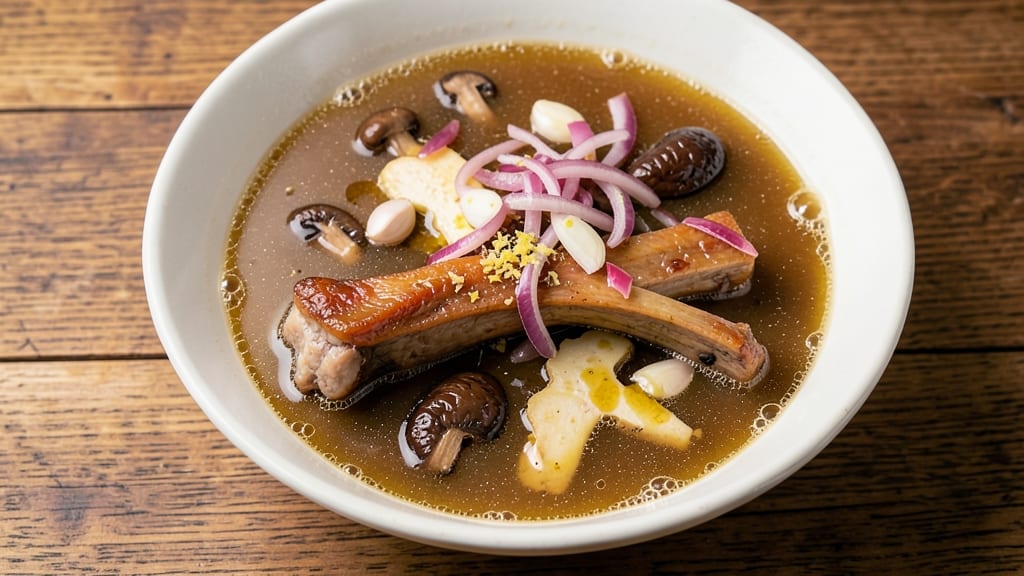
The Asian beef bone soup recipe delivers a velvety, collagen-rich broth that transforms ordinary meals into nourishing, comforting experiences. This dish, inspired by traditional Korean seolleongtang and Chinese beef bone soup techniques, focuses on slow-simmered bones to extract maximum gelatin and umami depth.
The result is a clear, golden broth with silky rice noodles that soak up every layer of flavor—perfect for cold weather or recovery days.
What sets this recipe apart is the balance of textures and flavors: tender beef slices, delicate rice noodles, and fresh herbs like cilantro and green onions. The broth’s clarity comes from skimming fat and impurities during simmering, while the collagen-rich base ensures a naturally thick, velvety consistency.
This method preserves the soup’s integrity for up to 3 days in the fridge, making it ideal for meal prep.
The dish is versatile—adjust spice levels with chili oil or soy sauce for personal preference, and garnish with soft-boiled eggs or mushrooms for added depth. Whether served as a light lunch or a hearty dinner, this soup combines tradition with practicality, delivering restaurant-quality results at home. Let’s get started.
Key to success is patience: simmering the bones for at least 4 hours unlocks the richest flavors. The rice noodles should be added just before serving to maintain their silky texture, and the broth should be seasoned gradually to achieve perfect harmony.
This recipe isn’t just a meal—it’s a comforting ritual that warms both body and soul.
Ingredients for asian beef bone soup
Six hours of simmering transform simple bones into golden, collagen-rich broth perfection.
| Ingredient | Amount | Notes |
|---|---|---|
| Beef Bones 🦴 | 3 lb | Kneecap and marrow bones preferred |
| Yellow Onions 🧅 | 2 whole | Medium size, sliced into wedges |
| Garlic Cloves 🧄 | 8 cloves | Smashed for deeper flavor |
| Fresh Ginger 🌿 | 2 tbsp | Grated, peeled (about 1 oz) |
| Dried Shiitake Mushrooms 🍄 | 4 whole | Rehydrated in hot water |
| Rice Vinegar 🍶 | ½ cup | Seasoned or unseasoned |
| Soy Sauce 🥢 | ¼ cup | Light or dark variety |
| Asian Beef Broth 💧 | 4 cups | Homemade or store-bought |
| Beef Slices 🥩 | 1 ½ lb | Thinly sliced, boneless |
| Rice Noodles 🍜 | 12 oz | Fresh or dried, thin variety |
| Fresh Cilantro 🌿 | ¼ cup | Chopped, for garnish |
| Green Onions 🧅 | 4 whole | Thinly sliced, white and green parts |
| Sesame Oil 🫒 | 1 tbsp | Toasted, for finishing |
| Salt 🧂 | 1 tsp | Kosher or sea salt |
| White Pepper 🌶️ | ½ tsp | Freshly ground preferred |
The bones are the foundation—marrow and kneecap bones deliver the richest gelatin and flavor. Local butchers often have these cut specifically for soup, or check the meat section of Whole Foods or Trader Joe's for pre-packaged bone mixes. If using frozen bones, thaw them overnight in the fridge—never at room temperature. The shiitake mushrooms should be dried (not fresh) for maximum umami depth; Asian markets carry these in bulk. Fresh ginger loses potency quickly, so buy it just before making the soup—the root should be firm and aromatic.
No rice noodles? Fresh egg noodles or udon work in a pinch, though the texture will differ slightly. Substitute dried shiitake with cremini mushrooms at double the amount, but they won’t add the same depth of flavor. For extra richness, add 1 tbsp of fish sauce (traditional in some versions) or 1 tsp of oyster sauce for umami complexity. The beef slices should be thinly cut—ask your butcher to slice them against the grain for maximum tenderness. If you can’t find rice vinegar, apple cider vinegar works too, though the flavor profile will shift slightly.
Broth keeps for 3 days in the fridge or 3 months in the freezer—portion into containers before freezing for easy reheating. The noodles should be cooked separately and added just before serving to maintain their silky texture. Store fresh herbs in damp paper towels in a sealed container to keep them vibrant. For meal prep, make a double batch of broth and freeze half—it reheats beautifully and gains even more depth over time.
Why You'll Love This Recipe
- No-Chop Nightmare: I swear, this soup only needs three things chopped—onions, garlic, and ginger. The shiitake mushrooms soak up water while I’m sipping tea, and the bones? Just rinse and toss. Honestly, my lazy Sundays thank me.
- Umami Bomb: That first sip—wow. The beef bones melt into the broth, turning it into this deep, savory ocean, while the shiitake mushrooms add this earthy kick. Between us, the ginger and garlic combo makes every spoonful feel like a little flavor explosion.
- Leftovers That Shine: Make a double batch and thank me later. This soup tastes even better the next day—richer, deeper, like it’s been simmering for hours. I freeze portions too; just reheat and serve. My college-student self would’ve cried happy tears.
- Budget-Friendly Powerhouse: Beef bones are cheap, and they pack so much flavor. A single bag stretches into multiple meals, and the mushrooms? Dried ones last forever. I’ll be real: this is how I feed my family without breaking the bank—no sad takeout nights here.
Step-by-step instructions for Asian beef bone soup
This method delivers a deeply flavorful broth with silky rice noodles and tender beef slices.
Prepare the Beef Bones and Aromatics
Rinse the 3 lb beef bones thoroughly under cold water to remove any impurities. Place them in a large stockpot and cover with cold water by about 2 inches. Bring to a boil over high heat, then immediately reduce to a simmer and skim off any foam that rises to the surface for the first 10 minutes. This ensures a clear broth.
While the bones simmer, peel and grate the 2 tbsp fresh ginger and smash the 8 cloves garlic. Slice the 2 whole yellow onions into wedges and rehydrate the 4 whole dried shiitake mushrooms in a separate bowl of hot water for 15 minutes. This preparation step builds the aromatic foundation of your soup.
Build the Broth Base
After skimming, add the grated ginger, smashed garlic, and onion wedges to the simmering bones. Cook for 45 minutes to allow the aromatics to infuse the broth. Then, add the rehydrated shiitake mushrooms (discard the soaking water), 0.5 cup rice vinegar, 0.25 cup soy sauce, and 1 tsp salt. Simmer uncovered for 2 hours to develop deep flavor and extract collagen from the bones.
Here's where patience pays off—the longer the bones simmer, the richer the broth becomes. You'll notice the broth gradually darkens and thickens slightly, signaling the release of gelatinous collagen. This is the secret to that signature silky texture.
Add Broth and Beef Slices
After 2 hours, strain the broth through a fine-mesh sieve into a clean pot, discarding the solids. Return the broth to the pot and add the 4 cups Asian beef broth and 1.5 lb beef slices. Bring to a gentle simmer and cook for 30 minutes until the beef is tender but not falling apart. The broth should now have a rich, amber color and a complex aroma.
Season with 0.5 tsp white pepper and adjust the salt if needed. The pepper adds a subtle, earthy note that balances the umami from the soy sauce and vinegar. Keep the broth at a gentle simmer—boiling can make the broth cloudy and break down the collagen.
Cook the Rice Noodles
While the beef simmers, prepare the 12 oz rice noodles according to package instructions. Most thin rice noodles cook in 3-5 minutes in boiling water until just tender. Drain immediately and rinse briefly under cold water to stop the cooking process. This prevents the noodles from becoming mushy when added to the hot broth.
Divide the noodles among 6 bowls. Ladle the hot beef broth and slices over the noodles, ensuring each serving gets an equal portion of beef. The noodles should absorb the broth gradually, creating a harmonious blend of textures.
Finish and Serve
Drizzle each bowl with 1 tbsp toasted sesame oil and garnish with chopped fresh cilantro and thinly sliced green onions. The sesame oil adds a nutty depth, while the herbs provide a fresh contrast. Serve immediately while the broth is steaming and the noodles are still tender.
This soup is best enjoyed fresh, with the broth's warmth and the noodles' slight chewiness complementing the tender beef. The balance of tangy rice vinegar, savory soy sauce, and earthy mushrooms creates a deeply satisfying bowl that highlights the umami richness of the bone broth.
Pro Tips For Making Asian Beef Bone Soup
- Char Bones First: Toss those bones straight into a screaming-hot pot—no water yet. The Maillard reaction on the bone surface unlocks deeper flavor, and you’ll smell it happening. I used to skip this, and the broth always tasted flat until I tried it.
- Soak Shiitake Properly: Dried shiitake need a good 20-minute soak in hot water before adding to the pot—don’t just toss them in dry. This rehydrates them fully, so they release their umami into the broth instead of just sinking to the bottom like sad, undercooked nuggets.
- Don’t Rush the Onions: Caramelize the onions low and slow until they’re deep golden, not just translucent. The longer they cook, the sweeter and richer the broth becomes—this is where the depth of flavor actually builds. I know, it takes time, but it’s worth it.
- Strain the Ginger: After simmering, strain out the ginger pieces—even if they look fine. Overcooked ginger turns bitter, and you don’t want that muddying your otherwise clean, bright broth. A fine-mesh sieve does the job perfectly.
Regional styles of asian beef bone soup
Korean Seolleongtang Style
For a lighter, more delicate version inspired by Korean seolleongtang, reduce the soy sauce to 2 tablespoons and increase the rice vinegar to ⅔ cup.
Add 1 tablespoon of gochujang (Korean chili paste) and 1 teaspoon of sesame seeds to the broth during the final 30 minutes of simmering. Garnish with soft-boiled eggs and thinly sliced pear for a traditional touch.
The broth should be clearer and slightly sweeter, with a subtle heat from the gochujang. 🌶️
Chinese Beef Bone Soup
Chinese versions often incorporate star anise, cinnamon sticks, and Sichuan peppercorns for warmth. Add these spices along with the ginger and garlic, then strain them out before adding the beef slices.
Use dark soy sauce (2 tablespoons) instead of light for a deeper color, and finish with a drizzle of chili oil and crushed peanuts for texture. The broth will have a more complex, aromatic profile with a hint of spice. 🌿
Japanese Nikujaga Twist
Transform this into a Japanese-inspired nikujaga by adding 1 cup of diced sweet potatoes and 1 cup of daikon radish to the broth during the final 1 hour of simmering. Replace rice noodles with thin udon noodles and serve with steamed white rice on the side.
Add 1 tablespoon of mirin and 1 teaspoon of sugar to balance the flavors. The result is a hearty, slightly sweet soup with a comforting, homey feel. 🍜
Thai-Inspired Spicy Version
For a Thai-inspired take, add 1 tablespoon of fish sauce and 1 tablespoon of palm sugar to the broth. Stir in 1-2 tablespoons of red curry paste during the final 20 minutes of simmering and finish with fresh Thai basil, lime wedges, and crushed ice for a refreshing contrast.
The broth will have a vibrant, aromatic depth with a subtle heat. Serve with jasmine rice instead of noodles for authenticity. 🌶️
Vegetarian Adaptation
Swap the beef bones and slices for mushroom stems (from rehydrated shiitakes) and king oyster mushrooms, simmered for 6 hours to extract umami. Use vegetable broth and add 1 tablespoon of soy sauce and 1 teaspoon of mushroom powder for depth.
Garnish with toasted sesame seeds and scallions. The broth will still be rich and collagen-like, thanks to the mushrooms. 🌱
Nutrition facts
Frequently asked questions
Why do Asian beef bone soups have such a clear broth?
Skimming foam during the initial boil and simmering uncovered removes impurities that cloud the broth. The collagen released from slow-simmered bones also creates a natural clarity. For extra transparency, strain the broth through a fine-mesh sieve after 2 hours of simmering.
Can I use chicken bones instead of beef bones?
Yes, but the flavor and texture will differ significantly. Chicken bones yield a lighter broth with less collagen. For a hybrid version, use 50% beef and 50% chicken bones and extend simmering to 6 hours for comparable richness. The result will be less gelatinous but still flavorful.
How do I prevent the broth from becoming too salty?
Start with half the recommended salt and taste as you go. The soy sauce and vinegar already contribute saltiness, so add salt gradually. For 6 servings, begin with just ½ tsp and adjust at the end. Taste the broth before adding noodles—it's easier to fix than overcorrect later.
What's the best way to reheat leftover broth?
Gently warm on the stove over low heat—never microwave, as it can make the broth cloudy. Add a splash of water if it thickens too much. For extra richness, stir in 1 tsp of toasted sesame oil when reheating. Store broth in airtight containers for up to 3 days.
Can I make this soup in an Instant Pot?
Yes, but with adjustments: Use the "High Pressure" setting for 90 minutes instead of simmering. After pressure cooking, strain and return to the pot for 30 minutes on "Keep Warm"**. The broth will be less gelatinous but still flavorful. For best results, combine with stovetop simmering for 1 hour afterward.