
Soups & Stews
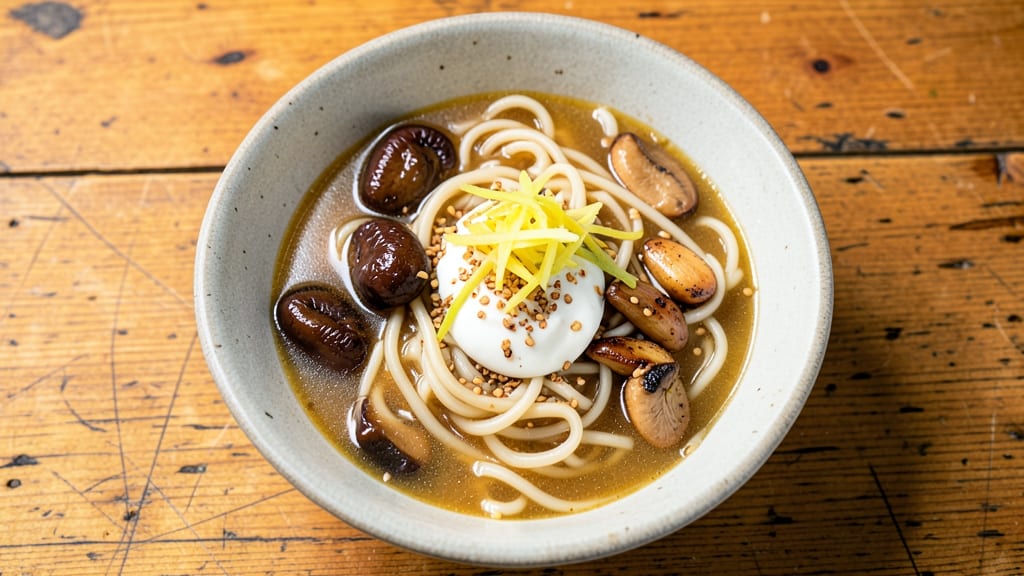
This Asian vegetarian noodle soup recipe delivers restaurant-quality depth without a single meat ingredient—just rich umami from shiitake mushrooms and a carefully balanced broth. The secret lies in slow-simmered vegetable stock infused with ginger, garlic, and a touch of miso for that signature savory punch.
What starts as a simple pot of broth transforms into a fragrant, aromatic soup that's as comforting as it is satisfying.
The recipe builds flavor through two key techniques: first, a deeply caramelized mushroom base that forms the umami foundation, and second, a layered assembly of fresh herbs, crisp vegetables, and chewy noodles that come together in perfect harmony.
Unlike quick instant soups, this method develops complex flavors through time—about 45 minutes of simmering—but the result is worth every moment. The broth becomes velvety, the mushrooms melt into the liquid, and the aromatics infuse the entire kitchen with warmth.
What you'll end up with is a bowl of golden, fragrant soup with tender mushrooms, silky noodles, and fresh garnishes that add both texture and color. The broth coats every noodle perfectly, while the mushrooms provide that meaty satisfaction vegetarians often crave.
This is the kind of dish that feels indulgent yet remains light enough for any meal—ideal for chilly evenings or as a quick, nourishing lunch.
Best served immediately with a sprinkle of fresh cilantro and a squeeze of lime, this soup keeps well in the refrigerator for up to 3 days, making it perfect for meal prep.
The flavors actually deepen as it sits, so leftovers taste even better the next day. Ready to transform simple ingredients into something extraordinary?
Ingredients for asian noodle soup recipe vegetarian
The secret to this umami-packed vegetarian noodle soup lies in shiitake mushrooms and slow-simmered aromatics.
| Ingredient | Amount | Notes |
|---|---|---|
| Dried Shiitake Mushrooms 🍄 | 8 whole | Rehydrated in hot water for umami depth |
| Vegetable Stock 💧 | 4 cups | Homemade or high-quality store-bought |
| Fresh Shiitake Mushrooms 🍄 | 8 oz | Sliced for caramelized texture |
| White Miso Paste 🍶 | 1 tbsp | For authentic umami richness |
| Fresh Ginger 🧄 | 2 tsp | Grated, finely for aromatic infusion |
| Garlic Cloves 🧄 | 4 cloves | Minced for deep flavor foundation |
| Rice Noodles 🍜 | 8 oz | Flat or round, uncooked |
| Green Onions 🧅 | 3 whole | Thinly sliced for garnish |
| Fresh Cilantro 🌿 | ¼ cup | Chopped for vibrant freshness |
| Lime Wedges 🍋 | 2 whole | For bright acidity finish |
| Sesame Oil 🫒 | 1 tsp | Toasted for nutty aroma |
| Soy Sauce 🥢 | 1 tbsp | For salty depth balance |
| Tofu 🧀 | 6 oz | Firm, cubed for protein boost |
| Red Bell Pepper 🌶️ | 1 whole | Thinly sliced for crunch |
| Sesame Seeds 🌾 | 1 tsp | Toasted for garnish crunch |
The mushrooms are non-negotiable—shiitake delivers that deep, meaty umami vegetarians crave. Fresh shiitake from the grocery store's produce section (look for plump, firm caps) caramelizes beautifully, while dried shiitake rehydrated in hot water adds concentrated umami punch. Trader Joe's or Whole Foods carry excellent dried varieties. For the tofu, grab firm or extra-firm—it holds shape better when cubed. The miso? White miso works here, but red miso
No fresh shiitake? Cremini mushrooms in a pinch, but they won't match the umami depth. Dried shiitake unavailable? Dried porcini mushrooms at half the amount work too. The rice noodles can be swapped for udon or soba if you prefer, but they cook faster. For extra richness, add 1 tbsp coconut milk when serving. The tofu can be marinated in 1 tsp soy sauce + 1 tsp sesame oil for 10 minutes before adding to the soup—game-changer for flavor. The bell pepper adds crunch, but baby spinach wilted in at the end works just as well. The broth keeps for 3 days in the fridge—flavors actually deepen! Store noodles separately and cook fresh when reheating. For meal prep, portion the soup into containers with a layer of sesame oil on top to preserve freshness. The mushrooms and tofu reheat beautifully, but the noodles are best cooked fresh. Garnishes like cilantro and lime should be added right before serving—they're not meant to sit. Freeze the broth base (without noodles) for up to 3 months—just thaw and reheat before adding fresh ingredients.
Why You'll Love This Recipe
- Here’s what sold me: it’s my go-to for both lazy afternoons and busy weeknights. Pack it for work, serve it to guests, or eat it straight from the pot—it’s that adaptable. Honestly, I’ve had it cold with rice too, and it still hits.
- Few Ingredients, Big Payoff: I swear by this recipe because it’s one of those magical dishes where the ingredients actually work together—no overcomplicating, no hunting for obscure spices. Dried shiitake soak up the broth while you prep the rest, and that white miso paste? One spoonful transforms everything into something rich and savory without extra effort.
- Umami Bomb: Between the dried shiitake’s deep earthiness and the fresh ginger’s bright kick, this soup is ridiculously flavorful. The miso adds this slow-simmered depth that makes it taste like it’s been cooking all day—even though it’s ready in 30 minutes.
- Lunch or Dinner Fix: Here’s what sold me: it’s my go-to for both lazy afternoons and busy weeknights. Pack it for work, serve it to guests, or eat it straight from the pot—it’s that adaptable. Honestly, I’ve had it cold with rice too, and it still hits.
Step-by-step instructions for umami-packed vegetarian noodle soup
Here's how to craft a soul-warming bowl that balances deep umami with bright, fresh flavors.
Rehydrate and Build the Mushroom Broth
Place the 8 whole dried shiitake mushrooms in a heatproof bowl and pour 4 cups hot vegetable stock over them. Let them soak for 20 minutes until fully rehydrated and plump. This step unlocks their concentrated umami essence that forms the broth's foundation.
Meanwhile, heat 1 tablespoon sesame oil in a large pot over medium heat. Add the 8 oz sliced fresh shiitake mushrooms and cook for 5 minutes until they release their moisture and begin caramelizing. Stir occasionally to prevent sticking—this develops their rich, meaty texture that mimics traditional broths.
Develop the Umami Base with Aromatics
Add the rehydrated dried shiitake mushrooms (with their soaking liquid) to the pot along with the 4 cloves minced garlic and 2 teaspoons grated fresh ginger. Cook for 3 minutes until fragrant, stirring constantly to prevent burning. The garlic should turn golden and the ginger should dissolve into the mixture.
Stir in the 1 tablespoon white miso paste and 1 tablespoon soy sauce, mixing until completely dissolved. This creates the umami backbone that transforms simple vegetable stock into a deeply flavorful broth. Let the mixture simmer gently for 10 minutes to allow the flavors to meld and deepen.
Prepare the Noodles and Protein
While the broth simmers, prepare the 6 oz firm tofu by pressing it between paper towels for 15 minutes to remove excess moisture, then cutting it into ½-inch cubes. Heat 1 teaspoon sesame oil in a separate pan over medium-high heat and cook the tofu for 4-5 minutes until golden brown on all sides. Set aside.
Slice the 1 whole red bell pepper into thin strips and the 3 whole green onions into 2-inch lengths. These will add vibrant color and contrasting textures to the finished soup. The bell pepper should be cooked separately for 2 minutes in the same pan used for the tofu to soften slightly while retaining its crunch.
Assemble and Finish the Soup
Add the 8 oz rice noodles to the simmering broth and cook according to package instructions (typically 3-5 minutes for al dente texture). The noodles should be tender but still hold their shape when drained. Reserve ½ cup broth before draining the noodles completely.
Return the drained noodles to the pot with the reserved broth and stir in the cooked tofu and bell pepper strips. Adjust the seasoning with additional soy sauce if needed—you want a balance of umami and saltiness that's satisfying but not overpowering. The soup should be vibrant with layers of flavor rather than any single taste dominating.
Garnish and Serve with Freshness
Divide the soup among 4 bowls and garnish each serving with 2 tablespoons chopped fresh cilantro and ½ teaspoon toasted sesame seeds. The cilantro adds a bright, herbal note that cuts through the richness, while the sesame seeds contribute nutty crunch and visual appeal.
Serve immediately with 2 lime wedges on the side for each bowl. The acidity from the lime juice will elevate all the flavors when squeezed in at the table. Each spoonful should deliver a perfect harmony of umami depth, fresh herbs, and subtle heat from the ginger and garlic.
Pro Tips For Making Asian Noodle Soup Recipe Vegetarian
- SOAK DRY SHIITAKES FIRST: Dried shiitakes hold dirt and grit—rinse them in cold water, then let them soak for 20 minutes before slicing. I learned this the hard way when a gritty bite ruined the whole bowl; now I always drain them, slice, and soak again if needed.
- STIR MISO LAST: Add white miso paste when the broth is simmering, not boiling—heat kills the probiotics and makes it bitter. Just a spoonful off the heat, stirred in until dissolved, keeps the flavor bright and alive.
- DON’T OVERCOOK GINGER: Fresh ginger loses its punch when boiled too long. Thinly slice it (no need to peel) and add it 5 minutes before serving—just enough to infuse the broth without turning it into wallpaper paste.
- UPGRADE WITH TOASTED SEEDS: Skip the store-bought seasoning packet and toast 1 tablespoon each of sesame and black sesame seeds in a dry pan for 2 minutes. Sprinkle over finished soup—it adds crunch and a nutty depth that cheap mixes can’t match.
Troubleshooting this dish
Broth Too Thin?
If your broth seems watery after simmering, reduce it by 10-15 minutes over medium-high heat uncovered. Stir occasionally to prevent burning. For extra richness, whisk in 1 tablespoon cornstarch mixed with 2 tablespoons water and simmer for 2 more minutes. This thickens without altering flavor. 💫
Mushrooms Overcooked?
Fresh shiitake mushrooms cook quickly—remove them from the pot when they're just tender (5 minutes). For dried mushrooms, strain out any tough stems before adding to the broth. If they turn mushy, reduce cooking time by 2 minutes next time. 🍄
Noodles Mushy?
Rice noodles absorb liquid fast—drain them 1 minute early and toss with a splash of sesame oil to prevent sticking. For extra chew, soak them in cold water for 10 minutes before cooking. 🍜
Lacking Umami?
Boost umami by adding ½ teaspoon fish sauce (vegan-friendly) or 1 teaspoon soy sauce to the broth. For depth, stir in 1 teaspoon nutritional yeast or ½ teaspoon mushroom powder at the end. 💪
Broth Too Salty?
Balance excess salt by adding ½ cup coconut milk or ¼ cup water to dilute. Fresh herbs like cilantro or basil also help neutralize saltiness. Taste as you go—adjust gradually. 🧄
Garnishes Wilted?
Add fresh garnishes like cilantro and lime wedges right before serving. For prepped-ahead soups, store garnishes separately and add them fresh. Toast sesame seeds in a dry pan for 30 seconds right before garnishing to keep them crisp. ✨
Nutrition facts
Frequently asked questions
Can I make this soup without mushrooms?
While mushrooms provide the umami depth, you can substitute with 1 cup finely chopped king oyster mushrooms or ½ cup soy sauce + 1 teaspoon mushroom powder for a similar savory punch. For a vegan option, add 1 cup chopped hearts of palm or ½ cup lentils cooked separately to maintain texture.
How do I adjust the spice level?
The recipe is mild, but you can add heat by stirring in ½ teaspoon chili flakes or 1 teaspoon sriracha at the end. For a smoky kick, add ½ teaspoon smoked paprika when caramelizing the mushrooms. Always taste first—you can't remove spice once added!
Can I use instant noodles instead of rice noodles?
Not recommended—they lack the delicate texture and absorb too much broth, making the soup watery. If you must, use high-quality fresh egg noodles and reduce cooking time by 1 minute. For best results, stick with rice or udon noodles—they hold up perfectly in the broth.
What's the best way to store leftovers?
Store the broth and solids separately in airtight containers for up to 3 days. Reheat the broth gently, then cook fresh noodles separately to avoid mushiness. Garnishes should be added fresh—cilantro and lime lose flavor when refrigerated. For longer storage, freeze the broth base (without noodles) for up to 3 months.
How can I make this soup gluten-free?
Swap soy sauce for tamari or coconut aminos and ensure your vegetable stock is gluten-free. Use rice noodles (already gluten-free) and check miso paste labels—some contain wheat. For extra umami, add 1 teaspoon nutritional yeast or ½ teaspoon white miso (ensure it's gluten-free certified).