
Soups & Stews
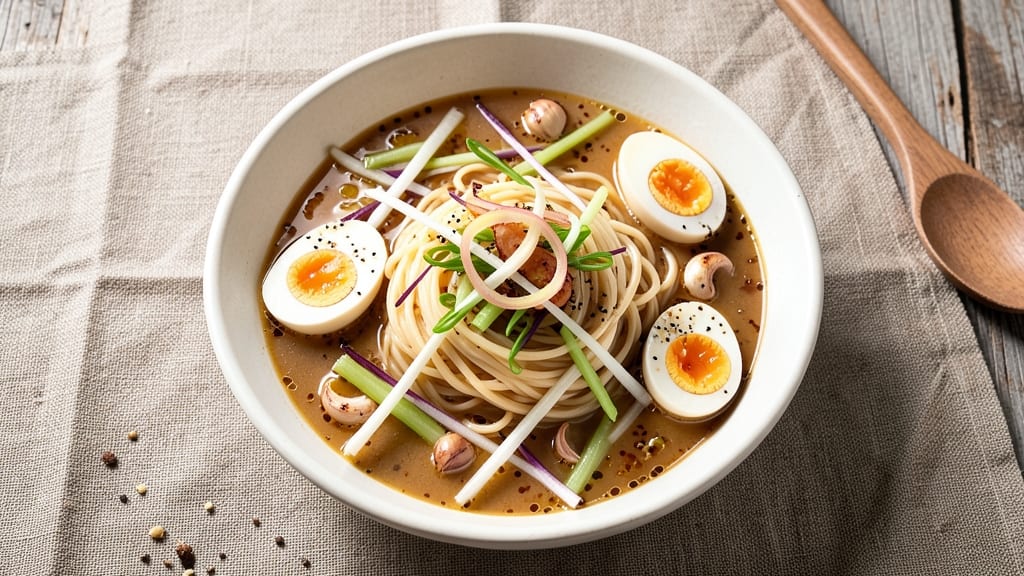
This Asian ramen noodle soup recipe delivers the perfect balance of slurp-worthy broth, silky noodles, and crispy celery that elevates every bite. 🌟 The secret lies in a rich, aromatic broth infused with ginger, garlic, and a blend of spices that simmer for hours to develop deep umami flavors.
Whether you're craving a comforting bowl or hosting a dinner party, this recipe brings restaurant-quality ramen to your kitchen with minimal effort.
The foundation of this dish is a foolproof broth that starts with a simple base of chicken or vegetable stock, then builds layers of flavor through slow simmering. Fresh ingredients like mushrooms, green onions, and a touch of sesame oil add complexity, while the noodles cook just until tender—never mushy.
The crispy celery, achieved through a quick pan-fry, provides the perfect textural contrast to the soft noodles and velvety broth.
What sets this recipe apart is the attention to detail in every component. The broth is clarified for a crystal-clear finish, the noodles are al dente, and the toppings are arranged for both visual appeal and maximum flavor.
Garnishes like soft-boiled eggs, chili oil, and nori sheets add depth, while a sprinkle of furikake or sesame seeds ties everything together. Each bowl is a harmonious blend of textures and tastes, designed to satisfy even the most discerning ramen lover.
Ready in under an hour but worth every minute of simmering, this ramen is perfect for weeknight dinners or special occasions. The recipe includes optional variations, such as miso or vegan adaptations, so you can customize it to your taste.
Let's dive into the steps to create your own bowl of perfection.
Ingredients for asian ramen noodle soup
Gather these fresh ingredients for a restaurant-quality ramen bowl bursting with flavor and texture.
| Ingredient | Amount | Notes |
|---|---|---|
| Ramen Noodles 🍜 | 8 oz | Fresh or dried, al dente preferred |
| Chicken Stock 🍗 | 6 cups | Homemade or high-quality store-bought |
| Vegetable Oil 🫒 | 2 tbsp | For crispy celery frying |
| Celery Stalks 🥬 | 4 whole | Thinly sliced for crispy texture |
| Garlic Cloves 🧄 | 6 cloves | Minced for aromatic base |
| Fresh Ginger 🌿 | 2 tbsp | Grated for umami depth |
| White Mushrooms 🍄 | 8 oz | Sliced for rich texture |
| Green Onions 🧅 | 4 whole | Thinly sliced for garnish |
| Sesame Oil 🫒 | 1 tbsp | For finishing aroma |
| Soy Sauce 🍶 | 2 tbsp | For savory balance |
| Sesame Seeds 🌾 | 1 tbsp | Toasted for crunch |
| Nori Sheets 🍣 | 4 pieces | For garnish and texture |
| Chili Oil 🌶️ | 1 tbsp | For spicy kick |
| Large Eggs 🥚 | 2 whole | Soft-boiled for topping |
| Furikake Seasoning 🌶️ | 1 tbsp | For umami finish |
The broth is where the magic happens. Homemade chicken stock is ideal, but Kitchen Basics or Pacific Foods brands work in a pinch. Fresh ginger and garlic are non-negotiable—they build that aromatic base. Look for organic ginger at Whole Foods or your local Asian market if you want extra punch. The mushrooms should be firm and white, not slimy. For the celery, crisp stalks make all the difference—skip the wilted ones at the back of the fridge. And those nori sheets? Marukyu brand is my go-to, but any good quality seaweed will do.
No fresh ginger? Dried works at half the amount, but it lacks that bright flavor. Short on mushrooms? Shiitake or oyster mushrooms add deeper umami. The ramen noodles can be fresh or dried—just don't overcook them. For the crispy celery, thin slices fry up best, so take your time slicing. The soy sauce matters here—Japanese-style like Kikkoman is perfect, but any good-quality soy will work. Want more heat? Double the chili oil. No chili oil? Sriracha or gochujang are great swaps. And if you're making this ahead, keep the broth and toppings separate until serving.
This ramen tastes even better the next day—3-4 days in the fridge, honestly. Store the broth separately from the noodles and toppings. The crispy celery stays crisp for about 2 hours after frying, so make it fresh when ready to serve. Soft-boiled eggs keep for 2 days in the fridge, and the nori sheets last weeks in a cool, dry place. I always double the broth and freeze half—perfect for quick ramen nights later. And those sesame seeds? Toast them in a dry pan for 30 seconds before adding to the bowl for maximum crunch.
Why You'll Love This Recipe
- I’ll be real: this makes the perfect packed lunch. Assemble the noodles, stock, and veggies the night before, and in the morning, just reheat with a splash of water. Cold or warm, it’s a hit—my kid brings it to school, and my coworker begs for the recipe. No thermos needed.
- Here’s what sold me: this recipe uses things I already have. Ramen noodles, stock, celery, garlic—no specialty items, no last-minute grocery runs. And leftovers? They taste just as good the next day, reheated in minutes. Budget-friendly? Absolutely. Reliable? You bet.
Step-by-step instructions for Asian ramen noodle soup
Let's build this slurp-worthy ramen from scratch—crispy celery, silky noodles, and rich broth that'll have you reaching for seconds.
🔥 Step 1: Crisp the Celery and Build the Broth Base
Heat the 2 tablespoons vegetable oil in a large pot over medium-high heat until shimmering. Add the 4 whole celery stalks, sliced into ¼-inch pieces, and fry for 3-4 minutes until deep golden brown and crispy. Remove with a slotted spoon and set aside—these will be your crunchy topping.
In the same pot, add the 6 cloves minced garlic and 2 tablespoons grated fresh ginger, cooking for 30 seconds until fragrant. Pour in the 6 cups chicken stock, bring to a gentle boil, then reduce heat to medium-low. Add the 8 ounces sliced white mushrooms and simmer for 8 minutes until they soften slightly. The broth should now smell like an aromatic hug—this is your flavor foundation.
🍳 Step 2: Season and Prepare the Noodles
While the broth simmers, add the 2 tablespoons soy sauce and 1 tablespoon furikake seasoning to the pot. Stir well to dissolve completely—this balances the umami depth. Bring the broth back to a gentle boil, then reduce heat to medium. Add the 8 ounces ramen noodles and cook for 3-4 minutes (or per package instructions for al dente texture).
Drain ½ cup of the broth into a separate bowl—you'll use this later to adjust consistency. The noodles should be tender but still slightly firm when bitten. If using dried noodles, rinse briefly under cold water to stop cooking, but don't overdo it—they'll finish in the hot broth.
🥘 Step 3: Assemble and Finish with Toppings
Return the drained noodles to the pot and stir in the reserved ½ cup broth. Divide the noodles among 4 bowls, ladling 1½ cups broth over each. Here's where it gets fun—add 1 soft-boiled egg (prepared by boiling 6 minutes in water, then shocking in ice water), 1 piece nori sheet (cut into strips), and 1 tablespoon crispy celery to each bowl.
Drizzle with 1 tablespoon sesame oil, 1 tablespoon chili oil, and sprinkle with 1 tablespoon toasted sesame seeds. Top with 1 whole green onion, sliced thinly on the bias. The contrast of crispy, silky, and soft textures in every bite is what makes this ramen irresistible.
🍽️ Step 4: Serve Immediately with Extra Crunch
Garnish each bowl with an extra sprinkle of furikake seasoning and a drizzle of chili oil for heat lovers. Serve with chopsticks and a small side of the extra crispy celery—because you can never have too much of that addictive crunch. The broth should coat the back of a spoon but still be light enough to slurp through the noodles.
Pro tip: If the broth seems too thin after assembly, stir in 1 tablespoon cornstarch mixed with 2 tablespoons cold water to thicken slightly. But honestly? The first slurp is the best part—enjoy while it's piping hot!
Pro Tips For Making Asian Ramen Noodle Soup
- Boil Noodles Separately: Tossing ramen directly into the stock? Bad move. Cook the noodles in a separate pot for 2 minutes less than the package says—al dente is key. Then drain, rinse briefly with cold water, and plunge them into the hot broth. This stops them from turning mushy and lets you control the texture perfectly.
- Char the Garlic: Minced garlic burns faster than you think. Heat your vegetable oil in the pot until it shimmers, then add the garlic cloves whole and fry them on medium-low for 3-4 minutes until golden and fragrant. Smash them with the back of a spoon before adding stock—this adds depth without bitterness.
- Salt the Stock Early: Don’t wait until the end to season. Add 1-2 teaspoons of salt to the chicken stock while it’s heating, and let it fully dissolve before adding anything else. This ensures even flavor distribution, especially if you’re using low-sodium broth or ramen seasoning packets.
- Slice Celery Thin: Thick celery stalks take forever to soften and just sit there like awkward guests. Cut them into matchsticks—about 1/8-inch thick—and they’ll cook through in minutes, releasing their bright flavor into the broth. No one notices the prep work, but they’ll taste the difference.
Storing and reheating this asian ramen noodle soup
Broth Storage Secrets
Store your ramen broth in an airtight container (I love mason jars for this) and refrigerate for up to 4 days. The flavors actually deepen overnight—this is when the umami really sings.
For longer storage, freeze the broth in 1-cup portions using silicone ice cube trays for easy single-serving use later. Label with the date to track freshness. ❄️
Noodle Prep Ahead
Cook your noodles 1 minute less than package instructions suggest, then shock them in ice water to stop cooking. Store them in the fridge for up to 2 days in a sealed container with a splash of cold water to prevent sticking.
When reheating, just add them to hot broth for 30 seconds—they’ll finish perfectly. 🍜
Crispy Celery Hack
Make your crispy celery fresh before serving—it loses crunch fast. Fry it in vegetable oil over medium-high heat for 3-4 minutes until golden. Store any extras in a paper towel-lined container at room temp for up to 2 hours (they won’t last long anyway!).
Pro tip: Double the batch—you’ll want leftovers. 🥬
Egg Prep Timeline
Soft-boil your eggs right before serving for the creamiest texture. Boil them for 6 minutes, then shock in ice water. They’ll keep in the fridge for 2 days if prepped ahead, but I find freshly boiled eggs taste best in ramen.
Store peeled eggs in a sealed container with a sprinkle of salt to preserve freshness. 🥚
Freezer-Friendly Toppings
Toast your sesame seeds and store them in a small airtight container for up to 1 month. Nori sheets last weeks in a cool, dry place—just keep them away from moisture.
For chili oil, store it in the fridge for 3 months (the heat mellows slightly over time). Freeze furikake seasoning in ice cube trays for easy single-use portions. ✨
Reheating Like a Pro
Reheat broth in a pot over medium-low heat until steaming, then add noodles and cook for 2-3 minutes. For microwave reheating, cover with a damp paper towel and heat in 30-second intervals—this prevents soggy noodles.
Add fresh crispy celery and a drizzle of sesame oil right before serving to revive that restaurant-quality crunch. 🔥
Nutrition facts
Frequently asked questions
Can I make this ramen with instant noodles?
Use 2 packets of high-quality instant ramen (like Nissin or Maruchan) instead of fresh noodles. Cook them in the broth for 2-3 minutes until tender, then rinse briefly in cold water to stop cooking. The broth's rich flavor will still shine—just skip the seasoning packet that comes with the noodles.
How do I make the broth clearer like in restaurants?
For a crystal-clear broth, strain the simmered ingredients through a cheesecloth-lined colander after cooking. Then, chill the broth overnight—fat will solidify on top. Scoop off the hardened fat before reheating. For extra clarity, add 1 egg white per quart of broth while simmering, then strain again.
What's the best way to adjust the spice level?
Start with 1 tablespoon chili oil and adjust to taste. For milder heat, reduce to ½ tablespoon or swap for 1 teaspoon gochujang (Korean chili paste) mixed with 1 teaspoon honey. Love spice? Add 1 sliced bird's eye chili to the broth while simmering. Always taste before serving!
Can I make this recipe vegetarian or vegan?
Yes! Replace chicken stock with vegetable or mushroom broth (at least 6 cups). Use tofu instead of eggs and swap furikake for nutritional yeast. For umami depth, add 1 tablespoon soy sauce and 1 teaspoon miso paste to the broth. Keep the crispy celery and sesame seeds for texture.
Why did my noodles turn mushy?
Overcooking is the most common mistake! Cook fresh noodles for 3-4 minutes max, or dried noodles for 1 minute less than package instructions. Always drain them immediately and rinse briefly in cold water to stop cooking. For reheating, add cold noodles to hot broth and cook just 30 seconds**.