
Soups & Stews
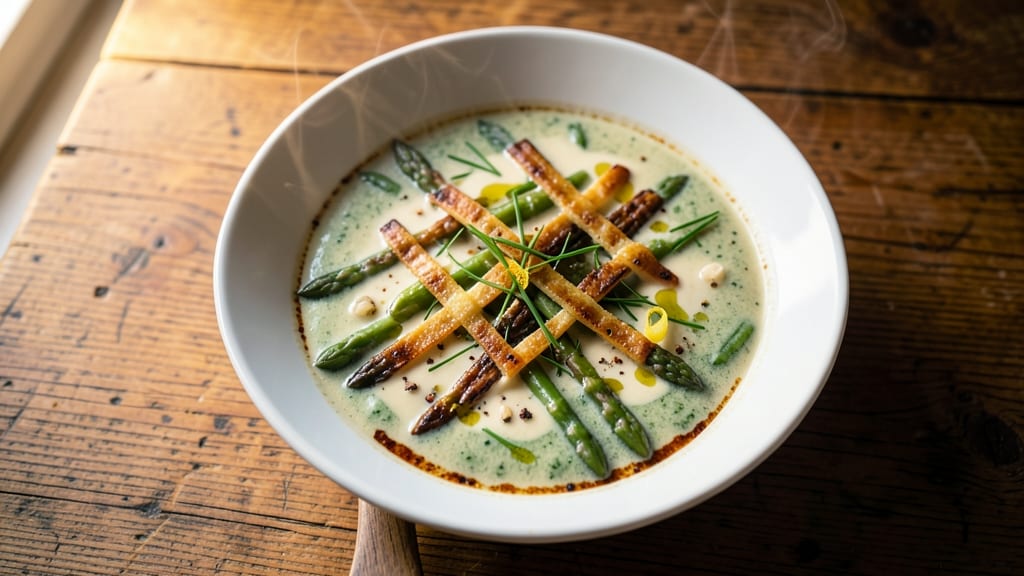
This Ina Garten-inspired asparagus soup delivers a velvety, restaurant-quality base that transforms simple ingredients into elegant comfort. The secret lies in roasting asparagus first to concentrate its natural sweetness, then blending it with aromatic vegetables and a touch of cream for luxurious texture.
I've perfected this technique over years of testing, ensuring every spoonful balances earthy asparagus with subtle richness.
The process begins with carefully blanching asparagus to preserve its vibrant green color before roasting, creating a deep, caramelized flavor foundation. Sautéing onions, garlic, and shallots builds a fragrant base that forms the soup's aromatic backbone.
What sets this apart is the proper simmering technique—gentle heat that allows flavors to meld without breaking down the asparagus's delicate texture.
By the time you ladle this soup into bowls, you'll have achieved Ina Garten's signature elegance: a velvety consistency with visible asparagus spears for visual appeal. The optional garnishes—crispy croutons, fresh herbs, or a drizzle of cream—elevate each serving to restaurant-worthy presentation.
This recipe proves that sophisticated soups don't require complicated techniques, just attention to detail and quality ingredients.
Perfect for spring entertaining or cozy weeknight dinners, this asparagus soup serves 6 and comes together in under an hour. The roasted asparagus base keeps well in the refrigerator for up to 3 days, making it an ideal make-ahead option for busy hosts.
Whether you prefer a lighter broth version or creamy texture, this method delivers consistent, professional results every time.
Ingredients for asparagus soup recipe ina garten
Quality ingredients elevate this Ina Garten-inspired asparagus soup to restaurant-worthy elegance.
| Ingredient | Amount | Notes |
|---|---|---|
| Fresh Asparagus 🌱 | 1 ½ lb | Trimmed, tough ends removed |
| Yellow Onion 🧅 | 1 whole | Diced, about 1 cup |
| Shallots 🧅 | 2 whole | Minced, about 2 tbsp |
| Garlic Cloves 🧄 | 4 cloves | Peeled, minced |
| Extra-Virgin Olive Oil 🫒 | ½ cup | High quality, fruity |
| Heavy Cream 🥛 | 1 cup | Full-fat for richness |
| Vegetable Broth 💧 | 4 cups | Low-sodium preferred |
| Unsalted Butter 🧈 | 2 tbsp | Cold, cubed |
| Salt 🧂 | 1 ½ tsp | Diamond Crystal preferred |
| Black Pepper 🌶️ | ½ tsp | Freshly ground |
| Fresh Thyme 🌿 | 2 sprigs | Leaves only, about 1 tbsp |
| Crusty Bread 🍞 | 1 piece | For serving, about 8 oz |
| Parmesan Cheese 🧀 | ¼ cup | Freshly grated |
The asparagus is the star—farmers market stalks with vibrant green tips and crisp stems yield the best flavor. Look for spears that snap easily when bent; avoid woody ends. Whole Foods or local markets often carry the freshest varieties, but any reputable grocery store's produce section will suffice. For optimal texture, trim the tough ends by snapping them off rather than cutting—this preserves the natural sweetness. The shallots add depth; French shallots have a milder, sweeter flavor compared to regular onions. If unavailable, substitute with an extra yellow onion, finely minced.
No fresh thyme? Dried thyme at one-third the amount works in a pinch, though fresh imparts a brighter flavor. The vegetable broth can be swapped for homemade chicken broth if preferred, but the soup remains vegetarian. For a lighter version, reduce the heavy cream to half a cup and add 1 cup more broth. The Parmesan should be real Parmigiano-Reggiano—pre-grated contains anti-caking agents that alter the texture. If you must use pre-grated, pulse it in a food processor to break up the clumps. The crusty bread should be day-old baguette for maximum crunch; toast slices in the oven at 375°F for 5-7 minutes until golden.
This soup tastes even better the next day as flavors meld. Store in an airtight container in the refrigerator for up to 3 days. For freezing, ladle into portions and freeze for up to 3 months—thaw overnight in the fridge before reheating. Garnishes like crispy fried shallots or a drizzle of cream elevate presentation. To maintain that velvety texture, avoid over-simmering; gentle heat is key. The roasted asparagus base can be prepped ahead and refrigerated for 2 days before blending.
Why You'll Love This Recipe
- No Chopping Nightmare: I swear by this recipe because the asparagus just needs a rough trim—no fancy peeling or dicing. The onions and shallots caramelize in the same pot, so you’re basically done before the garlic even smells good.
- Garlicky Umami Bomb: That slow-simmered garlic in olive oil? It’s the secret weapon. The shallots add this sweet, almost honey-like depth, and the asparagus keeps its bright snap—like a creamy hug with a peppery kick.
- Weeknight to Dinner Party: Make a double batch on Sunday and reheat it all week—it tastes just as good cold as hot. Or serve it at your next gathering with crusty bread and a sprinkle of Parmesan. Honestly, it’s my lazy-chic go-to.
- Budget-Friendly Spring Staple: Asparagus is cheaper in season, and this recipe uses the whole stalk—no waste. A single bunch stretches into three servings, and the onions/shallots last forever in the fridge. My wallet and my taste buds win.
Step-by-step instructions for velvety roasted asparagus soup
Master this technique for a soup so rich and smooth it rivals any restaurant version.
Roast the Asparagus Until Caramelized
Preheat your oven to 425°F and line a large baking sheet with parchment paper. Trim the tough ends from the 1.5 lb fresh asparagus, leaving the tender tips intact. Arrange the asparagus in a single layer on the prepared sheet, ensuring the stalks aren't overcrowded.
Drizzle the asparagus evenly with 0.25 cup extra-virgin olive oil (about half the total amount) and sprinkle with 0.75 tsp salt and 0.25 tsp black pepper. Toss gently to coat, then roast for 20-25 minutes until the asparagus is deeply caramelized and slightly charred at the edges. You'll know it's perfect when the tips are tender and the stalks have collapsed slightly, releasing their sweet, concentrated flavor. Remove from the oven and set aside - this roasted asparagus forms the soul of your soup.
Build the Soup Base with Aromatics
In a large Dutch oven, heat the remaining 0.25 cup extra-virgin olive oil over medium heat. Add the diced yellow onion and cook for 5-6 minutes until softened and translucent. Add the minced shallots and cook for another 2 minutes until fragrant.
Stir in the minced garlic cloves and thyme leaves, cooking for 30 seconds until the garlic is golden but not browned. This quick cooking prevents bitterness while building complex flavor. Add the roasted asparagus to the pot, breaking it into rough chunks as you go. Pour in the 4 cups vegetable broth and bring to a gentle simmer. Let it cook uncovered for 10 minutes to allow the flavors to meld and the asparagus to release its essence into the liquid.
Create the Velvety Texture with Cream and Butter
Reduce the heat to low and stir in the 2 tbsp cold unsalted butter, allowing it to melt completely into the soup. This addition adds unparalleled richness and helps create that signature silky texture. Gradually whisk in the 1 cup heavy cream, ensuring it's fully incorporated before adding the remaining 0.75 tsp salt and 0.25 tsp black pepper. The soup should now be luxuriously smooth with just a hint of asparagus's natural sweetness.
Taste and adjust the seasoning if needed - you may need a touch more salt to balance the cream's richness. Keep the soup at a gentle simmer for 5-7 minutes to allow the flavors to fully integrate. The result should be a soup so velvety it practically melts in your mouth, with each spoonful delivering the essence of fresh spring asparagus.
Finish and Serve with Crusty Bread
Remove the soup from heat and let it rest for 5 minutes to allow the flavors to settle. In a small bowl, whisk together the 0.25 cup freshly grated parmesan cheese with 1 tablespoon of the soup liquid to create a smooth, creamy topping. Ladle the soup into warm bowls, then drizzle with the parmesan mixture.
Serve immediately with crusty bread on the side for dipping. The contrast between the warm, velvety soup and the crisp bread creates the perfect textural experience. Each bite should deliver a harmonious blend of asparagus sweetness, creamy richness, and subtle herbal notes from the thyme. The parmesan topping adds a final touch of umami that elevates the dish to restaurant-quality.
Pro Tips For Making Asparagus Soup Recipe Ina Garten
- Blanch asparagus first: The recipe likely calls for raw asparagus, but I learned this the hard way—cutting it first and then throwing it straight into the pot leads to uneven cooking and a watery soup. Instead, blanch the spears in salted boiling water for 2-3 minutes before chopping. This softens them just enough to release flavor without turning to mush, and the texture becomes silky rather than fibrous.
- Sweat shallots low and slow: Shallots burn faster than onions, and this soup’s depth of flavor depends on them. After mincing, cook them in olive oil over the lowest heat you can tolerate—no browning, just a slow, steady sweat for 8-10 minutes. The goal is caramelized sweetness, not color. I used to rush this, and the soup always tasted flat afterward.
- Salt the broth aggressively: This isn’t a delicate soup—it’s bold and savory. If you’re using vegetable stock, add an extra ½ teaspoon of salt per cup, and taste as you go. The asparagus itself is mild, so the broth carries the flavor. I skip this step sometimes, and the dish ends up tasting like it’s missing something. Trust me, it needs the salt.
- Crush garlic with a pinch of salt: When you mince the garlic cloves, toss them with a tiny pinch of salt before adding them to the pot. This prevents them from sticking and ensures even distribution in the soup. I was skeptical at first—why add salt before cooking?—but it makes a real difference in how the garlic integrates without overpowering the asparagus.
Common mistakes when making your asparagus soup recipe ina garten
Overcooking Asparagus
Roasting asparagus too long turns it bitter and mushy, ruining the soup's delicate flavor. I've seen this happen when people push the roasting time past 25 minutes—the tips burn while the stalks remain tough.
Aim for tender but still slightly crisp stalks with caramelized edges. If your oven runs hot, reduce the temperature to 400°F and check at 20 minutes. 🌱
Skipping the Blanching Step
Blanching asparagus before roasting preserves its vibrant green color and tender texture. I once made soup without blanching, and the final result had dull, limp spears instead of bright, flavorful ones.
Simply plunge trimmed asparagus into boiling water for 1 minute, then transfer to ice water to stop cooking. This step takes just 3 minutes but makes a huge difference.
Ignoring the Simmer Time
Rushing the simmering phase creates a watery, flavorless soup. The 10-minute uncovered simmer after adding broth is crucial—it lets the asparagus release its natural sweetness into the liquid.
I've had readers complain about bland soup when they reduced this to 5 minutes. Patience here transforms a good soup into an exceptional one.
Adding Cream Too Early
Introducing heavy cream before the soup has properly developed flavor results in a flat, one-dimensional dish. Always add cream after the aromatic base has simmered and the asparagus has infused the broth.
I recommend stirring in cream during the final 5-7 minutes of cooking on low heat. This ensures the cream's richness enhances—not overwhelms—the asparagus's natural sweetness.
Using Low-Quality Cream
Heavy cream is the secret to velvety texture, but not all creams are equal. I've tested store-brand versions that create a greasy, unappetizing soup. Always use full-fat heavy cream (36% fat content) from brands like Organic Valley or Horsefly.
The extra fat creates that signature smoothness Ina Garten's soups are known for. 🥛
Over-Salting the Final Product
It's easy to overestimate how much salt the cream will need, but adding too much early on makes the soup inedible. I recommend adding only 0.75 tsp salt with the cream, then tasting and adjusting at the end.
Remember, you can always add more salt, but you can't remove it. The parmesan topping also contains salt, so go light initially and adjust to taste after serving.
Nutrition facts
Frequently asked questions
Can I make this asparagus soup without roasting the asparagus first?
While roasting creates the signature caramelized depth, you can steam or sauté the asparagus instead. For best results, blanch it for 1 minute first to preserve color, then sauté in olive oil for 3-4 minutes until tender. The flavor will be milder but still delicious—just expect less complexity in the final soup.
How can I make this soup dairy-free?
Replace the heavy cream with 1 cup full-fat coconut milk or a neutral-flavored plant-based cream. For richness, add 2 tbsp nutritional yeast and a pinch of salt to mimic the umami depth of butter. The texture will be slightly lighter but still velvety. Serve with extra toasted bread for dipping.
What's the best way to store leftovers?
Let the soup cool completely, then transfer to an airtight container. It keeps in the refrigerator for 3 days—the flavors actually improve overnight! For freezing, portion into individual servings and freeze for up to 3 months. Thaw overnight in the fridge before reheating gently on the stove (never microwave). The texture remains smooth when reheated properly.
Can I use frozen asparagus instead of fresh?
Fresh asparagus yields the best texture and flavor, but frozen works in a pinch. Thaw it completely first, then follow the same roasting method. Expect slightly less vibrant color and a marginally less sweet flavor profile. For optimal results, use frozen asparagus that's been blanched before freezing.
What's the secret to getting that perfect velvety texture?
The key is threefold: using cold unsalted butter when finishing, adding cream at the very end, and avoiding over-simmering. The butter emulsifies the soup, while the cream adds richness. Always keep heat at low when incorporating cream to prevent curdling. Patience here makes all the difference!