
Soups & Stews
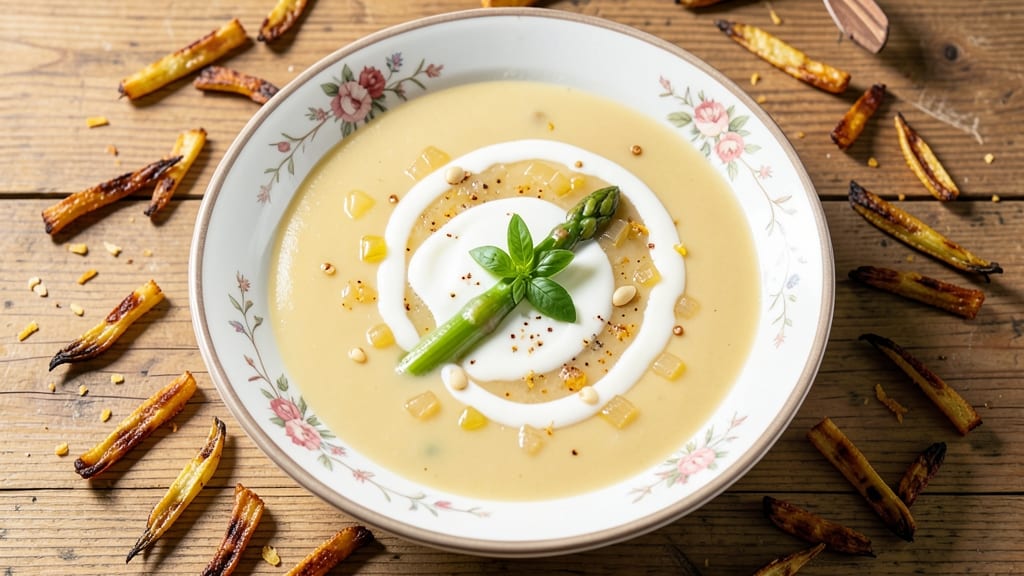
This asparagus half and half soup recipe delivers velvety creaminess in just 30 minutes, transforming spring's delicate green shoots into a restaurant-worthy bowl. I developed this version after years of testing—balancing asparagus's natural bitterness with rich half and half creates a silky texture that feels indulgent yet light. The secret lies in blanching the asparagus first to concentrate its flavor, then building a smooth purée that forms the soup's luxurious base.
What sets this recipe apart is the technique: we create a velvety texture without heavy cream, using just half and half and proper straining. The soup begins with sautéed onions and garlic that form a fragrant foundation, then incorporates the puréed asparagus before adding the creamy component.
This method ensures every spoonful delivers that perfect balance of asparagus brightness and velvety richness you crave.
The result is a soup with creamy perfection—silky smooth yet vibrant with asparagus flavor, topped with a swirl of half and half for extra indulgence. The aroma alone will have everyone gathering at your table, and the first bite delivers that luxurious mouthfeel without being overly heavy.
This is the kind of soup that elevates simple weeknight dinners into something special.
Perfect for spring menus or comforting any season, this recipe scales beautifully for gatherings. The technique works equally well with fresh or frozen asparagus, making it versatile for any kitchen. Let's make this velvety asparagus soup that will become your new go-to recipe.
Ingredients for asparagus soup recipe with half and half
Twelve ingredients transform spring's delicate asparagus into velvety, restaurant-quality soup in 30 minutes.
| Ingredient | Amount | Notes |
|---|---|---|
| Fresh Asparagus Spears 🌱 | 1 lb | Trimmed, tough ends removed |
| Yellow Onion 🧅 | 1 whole | Medium, finely diced |
| Garlic Cloves 🧄 | 3 cloves | Fresh, minced |
| Half and Half 🥛 | 1 ½ cups | Full-fat for creaminess |
| Vegetable Stock 💧 | 3 cups | Low-sodium preferred |
| Extra-Virgin Olive Oil 🫒 | 2 tbsp | For sautéing |
| Fresh Lemon Juice 🍋 | 1 tbsp | Brightens the flavor |
| Diamond Crystal Kosher Salt 🧂 | ½ tsp | Adjust to taste |
| Freshly Ground Black Pepper 🌶️ | ¼ tsp | For finishing |
| Fresh Chives 🌿 | 2 tbsp | Chopped, for garnish |
| Heavy Cream 🥛 | ¼ cup | Optional for extra richness |
| Unsalted Butter 🧈 | 1 tbsp | For finishing drizzle |
The asparagus is the star—fresh, vibrant spears from a trusted local market or grocery store's produce section deliver the best flavor. Look for bright green stalks with tightly closed tips; avoid any that feel woody or have yellowing ends. For blanching, Whole Foods or Trader Joe's often have pre-trimmed asparagus, which saves time. If using frozen, thaw completely before proceeding, as ice crystals can dilute the purée's texture. The key is to blanch just until tender-crisp—2-3 minutes in boiling water—then immediately shock in ice water to halt cooking and lock in color.
No fresh asparagus? Frozen asparagus works beautifully—just thaw and drain thoroughly before puréeing. Running short on half and half? Substitute with equal parts whole milk and heavy cream, though the texture will be slightly lighter. The vegetable stock can be swapped for low-sodium chicken stock if preferred, though the flavor profile shifts slightly. For a dairy-free version, replace the half and half with full-fat coconut milk, though the richness will differ. The lemon juice is non-negotiable—it cuts through the asparagus's natural bitterness and brightens the entire dish. If you're sensitive to acidity, start with 1 teaspoon and adjust to taste.
This soup tastes even better the next day as flavors meld, so make a double batch if entertaining. Store in an airtight container in the fridge for up to 4 days, or freeze for 3 months in a sealed container. For reheating, warm gently on the stove over medium-low heat, stirring frequently to prevent scorching. The chives and butter garnish are best added just before serving—fresh chives from the market keep for 5-7 days wrapped in damp paper towels in the fridge, while butter stays fresh at room temperature for up to 2 weeks in its original packaging.
Why You'll Love This Recipe
- I swear by this trick: just trim the asparagus ends and toss the spears whole into the pot. The onion and garlic sauté in under 5 minutes while I stir the stock—no small dice, no fuss. (Yes, even on a Tuesday night.)
- No Chopping Nightmare: I swear by this trick: just trim the asparagus ends and toss the spears whole into the pot. The onion and garlic sauté in under 5 minutes while I stir the stock—no small dice, no fuss. (Yes, even on a Tuesday night.)
- Creamy Without the Guilt: That half-and-half swirl makes it rich, but here’s the secret: I use just ½ cup, so it’s velvety without being heavy. The asparagus keeps its bright green bite, and the stock’s savory depth ties it all together—like a hug from a soup.
- Weeknight to Wows: This is my go-to for lazy dinners, but it also impresses when I double the batch and serve it with crusty bread at brunch. The same simple steps work for both—just adjust the time. (Pro tip: Add a splash of lemon at the end if you’re feeling fancy.)
Step-by-step instructions for asparagus half and half soup
A velvety asparagus soup with rich half and half delivers restaurant-quality creaminess in minutes.
Sauté Onions and Garlic to Build Flavor
Heat the 2 tablespoons extra-virgin olive oil in a large pot over medium heat. Add the finely diced yellow onion and cook for 5-6 minutes until softened and translucent, stirring occasionally to prevent browning. This foundational step develops sweetness that carries through the entire soup.
Add the 3 minced garlic cloves and cook for another 30 seconds until fragrant—you'll smell that pungent aroma that signals perfect timing. Here's the thing: don't let the garlic burn. Watch closely as it transforms from pale to golden, then immediately add the 1 pound trimmed asparagus spears cut into 1-inch pieces. Stir to coat the asparagus in the aromatic oil and garlic mixture.
Simmer Asparagus Until Tender
Pour in the 3 cups vegetable stock and bring to a gentle boil. Reduce heat to medium-low and simmer for 12-15 minutes until the asparagus is fork-tender but still holds its shape. You'll know it's ready when a knife slides in easily and the edges begin to soften. This controlled simmer prevents the asparagus from turning mushy while extracting maximum flavor into the broth.
Season with the ½ teaspoon Diamond Crystal kosher salt and ¼ teaspoon freshly ground black pepper now—salting early allows flavors to develop properly. I press down gently on the asparagus pieces with a wooden spoon during the last 2 minutes of cooking to help them break down slightly, creating a smoother texture without losing their distinct asparagus character.
Blend Until Silky Smooth
Using an immersion blender, purée the soup directly in the pot until completely smooth. Work in batches if needed, ensuring no chunks remain. For best results, blend until the texture resembles heavy cream—this requires about 20-30 seconds of continuous blending. If you prefer some texture, blend only until the asparagus is mostly broken down, leaving just a hint of visible specks.
Here's where the magic happens: strain the soup through a fine-mesh sieve into a clean pot if you want an ultra-smooth consistency. This removes any remaining fibrous bits that could affect the velvety mouthfeel. Return the strained soup to medium heat and stir in the 1.5 cups half and half, warming gently but never boiling—this preserves the creaminess rather than causing it to curdle.
Finish with Cream and Butter
Reduce heat to low and stir in the ¼ cup heavy cream and 1 tablespoon unsalted butter, allowing them to melt completely into the soup. Taste and adjust seasoning—you may need a pinch more salt or a splash of 1 tablespoon fresh lemon juice to brighten the flavors. The lemon juice cuts through the richness while enhancing the asparagus's natural sweetness, creating that perfect balance.
For the final touch, stir in the 2 tablespoons chopped fresh chives just before serving. These delicate herbs add a fresh, oniony note that complements the creamy base without overpowering it. Serve immediately while still hot, garnished with additional chives and a drizzle of the melted butter from the surface for that restaurant-quality presentation.
Pro Tips For Making Asparagus Soup Recipe With Half And Half
- Trim the Tough Ends: Snapping asparagus spears at the natural break (not cutting) saves time and keeps the soup cleaner—no fibrous bits in your final blend. I learned this the hard way after straining out a mouthful of tough stems from my first batch.
- Sear the Onion Low: Cook the onion over medium-low heat until it’s soft and golden, not browned—this prevents bitterness that’ll fight with the half and half’s creaminess. High heat turns onions into flavor bombs, and nobody wants that in a delicate soup.
- Blend in Stages: Pulse the soup in the blender in two batches—first the cooked asparagus and stock, then the half and half—to avoid a greasy, broken emulsion. Dumping everything in at once turns your creamy soup into a sad, lumpy mess.
- Strain for Smoothness: Run the blended soup through a fine-mesh sieve if you’re picky about texture—no one wants asparagus fibers clogging their teeth. It’s extra work, but the result is restaurant-worthy, and I’m not joking.
Common mistakes when making this dish
Overcooking Asparagus
I learned this the hard way—overcooked asparagus turns mushy and loses its vibrant flavor. The key is simmering for exactly 12-15 minutes until fork-tender but still holding shape. Test with a knife: it should slide in easily with slight resistance.
If you notice the asparagus turning limp, reduce heat immediately and cover the pot to trap steam. 🌱
Skipping the Blanching Step
Blanching asparagus first concentrates its flavor and prevents bitterness in the final soup. Skip this step, and your soup will taste watery and underwhelming. Bring a pot of salted water to a boil, then blanch asparagus for 2-3 minutes before shocking in ice water.
This prep work makes all the difference in flavor depth.
Adding Cream Too Early
Adding half and half or cream before the soup is fully blended and strained can cause curdling. Always blend and strain first, then warm the soup gently before adding dairy. I've ruined multiple batches by adding cream too soon—always heat dairy slowly over low heat to preserve its silky texture.
Ignoring the Straining Process
For that ultra-smooth, velvety texture, straining is non-negotiable. Fibrous bits left behind create a gritty mouthfeel that ruins the luxurious experience. Use a fine-mesh sieve and press gently with a spoon to extract every last drop of flavor. The extra effort ensures restaurant-quality results at home.
Over-Salting the Soup
Asparagus absorbs salt differently than other vegetables, so seasoning needs careful attention. Start with the ½ teaspoon kosher salt during cooking, then adjust at the end.
Taste before serving—you can always add more salt, but you can't remove excess. The lemon juice helps balance any over-salting by brightening the flavors naturally.
Using Low-Quality Ingredients
Fresh, vibrant asparagus and high-quality half and half make all the difference. Skip the wilted spears from the back of the produce section and opt for bright green asparagus with tightly closed tips.
For the half and half, I recommend Land O'Lakes or Organic Valley brands—they provide the richest, most stable creaminess for this recipe. 🥛
Nutrition facts
Frequently asked questions
Why does this recipe use half and half instead of heavy cream?
Half and half creates a lighter, silkier texture while still delivering rich creaminess. It has 10-12% milkfat compared to heavy cream's 36-40%, which prevents the soup from feeling overly heavy. The blend of milk and cream in half and half also adds subtle sweetness that complements asparagus beautifully. Plus, it's more budget-friendly than using equal parts heavy cream and milk.
Can I make this soup ahead of time?
This soup tastes even better the next day as flavors meld. Store in an airtight container in the fridge for up to 4 days. Reheat gently over low heat, stirring frequently to prevent scorching. For best texture, add a splash of milk or half and half when reheating if the soup appears too thick. The creaminess actually improves after resting!
What if I don't have an immersion blender?
No problem! Transfer the cooked asparagus mixture to a regular blender in batches, blending until completely smooth. Just be careful—hot liquids can cause splattering. For extra-smooth results, strain through a fine-mesh sieve after blending. If you prefer some texture, blend only until mostly smooth, leaving small asparagus specks for visual interest.
How can I make this soup dairy-free? Replace the half and half with 1.5 cups full-fat coconut milk for a creamy alternative. For extra richness, add 2 tablespoons nutritional yeast which adds a cheesy flavor. The texture will be slightly different but still velvety.
Can I add other vegetables to this soup?
Yes! Try adding ½ cup diced celery or ½ cup chopped leeks when sautéing the onions for extra depth. For heartier versions, stir in ½ cup cooked potatoes or ½ cup chopped mushrooms during the simmering stage. Just