
Soups & Stews
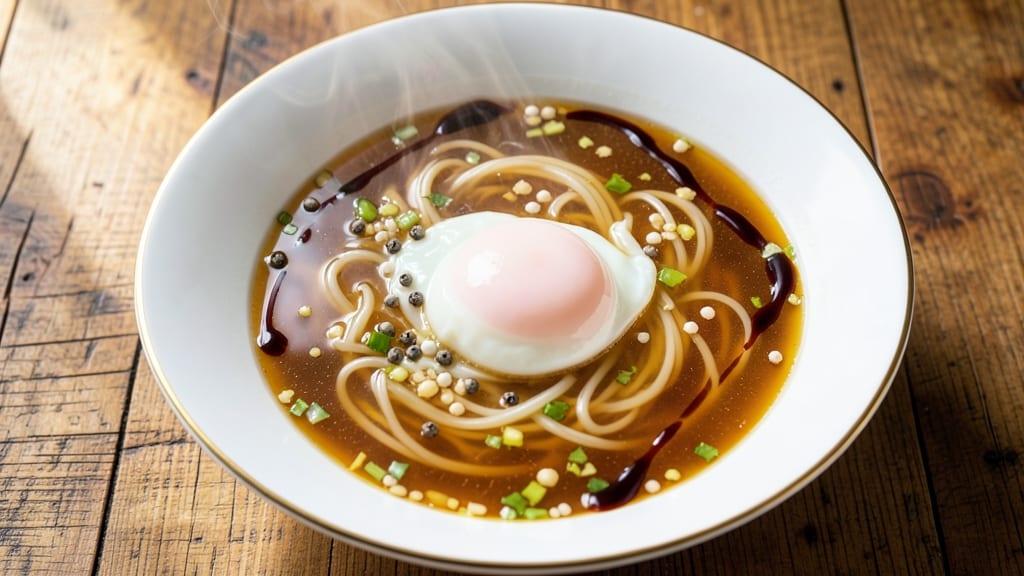
This authentic Chinese egg drop soup delivers the delicate balance of silky egg ribbons and fragrant ginger broth that defines home-style Chinese cuisine. The secret lies in a clear, light broth—whether chicken or vegetarian—and the precise technique of slowly drizzling beaten eggs into simmering liquid.
I’ve perfected this recipe over years of testing, ensuring every spoonful captures that signature harmony of savory, umami, and subtle spice.
What sets this recipe apart is the attention to traditional details: a gentle simmer to preserve clarity, the right ratio of soy sauce and white pepper for depth without overpowering, and the final touch of toasted sesame oil for aromatic richness.
The broth must remain crystal-clear, achieved by skimming impurities and avoiding heavy starches that cloud the essence of the dish.
By the time you finish, you’ll have a bowl of perfectly balanced soup—silky egg strands suspended in a fragrant broth that’s light yet deeply flavorful. The texture is delicate yet satisfying, with each sip revealing layers of ginger, garlic, and a whisper of white pepper.
This is the kind of soup that warms both body and soul, served best with a sprinkle of green onions or cilantro for freshness.
Whether you’re preparing for a family meal or a quiet weeknight dinner, this recipe delivers authentic results without shortcuts. The process is straightforward but demands patience—especially when it comes to the egg incorporation and broth clarity. Trust in the method, and you’ll achieve restaurant-quality egg drop soup at home.
Ingredients for authentic chinese egg drop soup
Gather these essential ingredients for a bowl of restaurant-quality egg drop soup.
| Ingredient | Amount | Notes |
|---|---|---|
| Chicken Broth 🍲 | 4 cups | Homemade or high-quality store-bought |
| Large Eggs 🥚 | 4 whole | Freshly beaten, room temperature |
| Fresh Ginger Root 🌿 | 1 tbsp | Finely minced, peeled |
| Garlic Cloves 🧄 | 2 cloves | Minced, peeled |
| Light Soy Sauce 🥄 | 1 tbsp | High-quality, low-sodium preferred |
| White Peppercorns 🌶️ | ¼ tsp | Freshly ground, light touch |
| Sesame Oil 🫒 | 1 tsp | Toasted, for aroma |
| Green Onions 🧅 | 2 whole | Thinly sliced, for garnish |
| Vegetable Oil 🫒 | 1 tbsp | Neutral flavor, for simmering |
| Cornstarch 🌾 | ½ tsp | Dissolved in 1 tbsp water |
| Salt 🧂 | ½ tsp | Adjust to taste |
| Sesame Seeds 🌰 | ½ tsp | Toasted, optional garnish |
The broth is the foundation—homemade chicken broth delivers the richest flavor, but Kitchen Basics or Pacific Foods brands work well if you're short on time. Look for low-sodium options to control seasoning better. Fresh ginger and garlic are non-negotiable here; pre-minced jars lack the aromatic depth. For ginger, peel only the outer skin and use a microplane for fine texture. The eggs should be fresh—older eggs won't ribbon properly. If you're making a vegetarian version, mushroom broth with added umami (like a splash of soy sauce) works beautifully.
No light soy sauce? Dark soy sauce at half the amount gives similar depth. White pepper can be tricky to find—substitute black pepper at half the quantity if needed, but the color will differ slightly. The cornstarch slurry is optional but helps thicken the broth just enough to coat the egg ribbons. Diamond Crystal kosher salt dissolves best, but any fine sea salt works. For sesame oil, toasted varieties add more aroma—Trader Joe's carries excellent options. The green onions should be bright green with no wilt; store them in the fridge with stems submerged in water to keep them crisp.
Broth can be made ahead and stored for up to 3 days in the fridge or 3 months frozen. Eggs should be beaten just before cooking to prevent curdling. Garnishes like green onions and sesame seeds keep best in the fridge for 5-7 days when stored properly. For leftovers, reheat gently on low heat—adding a splash of water helps maintain clarity. This soup tastes even better the next day as flavors meld, so double the batch if you're serving a crowd.
Why You'll Love This Recipe
- Minimal Chopping Required: I swear by this—just slice ginger and crush garlic. No dicing, no fuss. The broth does all the heavy lifting while you stand there looking like a pro.
- Silky Egg Magic: That first ribbon of egg hitting the broth? Pure satisfaction. The way it swirls into delicate strands—no overcooking, no lumps—just perfect, melt-in-your-mouth texture every time.
- Crowd-Pleaser Basics: Honestly, it’s my go-to for sick days, lazy Sundays, or when friends drop by unannounced. Warm, comforting, and no one ever leaves hungry. (Yes, even the picky eaters.)
- Budget-Friendly Staples: Chicken broth, eggs, and a little soy sauce? This soup stretches for days. I make a big batch, freeze portions, and still have leftovers that taste just as good reheated as they did fresh.
Step-by-step instructions for authentic Chinese egg drop soup
Here's how to create silky egg ribbons in fragrant ginger broth—just like from your favorite Chinese restaurant.
Prepare the Aromatic Base
Heat the 1 tablespoon vegetable oil in a clean soup pot over medium heat. Add the 1 tablespoon finely minced fresh ginger root and 2 minced garlic cloves, cooking for 30 seconds until fragrant—you should smell the bright, zesty aroma of ginger and the subtle sweetness of garlic.
Immediately add the 4 cups chicken broth and bring to a gentle simmer. Stir in the 1 tablespoon light soy sauce and 0.25 teaspoon freshly ground white peppercorns, then reduce heat to low. Let it simmer uncovered for 5 minutes to allow flavors to meld. The broth should remain clear with no visible bubbles—this ensures the delicate egg ribbons will form properly later.
Season and Thicken the Broth
In a small bowl, dissolve the 0.5 teaspoon cornstarch in 1 tablespoon cold water until completely smooth. Stir this slurry into the simmering broth while gently whisking. The broth will begin to thicken slightly—you're aiming for a consistency that coats the back of a spoon but remains fluid enough to ribbon the eggs.
Add the 0.5 teaspoon salt and taste—adjust if needed, remembering that soy sauce already contributes some saltiness. The broth should be seasoned but not overly salty, allowing the egg's natural flavor to shine. Keep the broth at a gentle simmer—if it boils vigorously, the eggs will scramble instead of ribbon.
Create Silky Egg Ribbons
Separate the 4 whole large eggs into a small bowl, beating lightly with a fork until just combined. Here's the key technique: hold a small whisk or fork over the simmering broth and slowly drizzle the egg mixture in a thin, steady stream while gently stirring the broth with the other hand.
The heat from the broth will cook the egg into delicate ribbons as it falls. Work in batches if needed—don't add all the egg at once, or the broth will become too thick. You'll see beautiful, translucent strands forming as they cook. Keep the broth at a gentle simmer—if it's too hot, the eggs will curdle; if too cool, they won't set properly.
Finish with Fragrant Touches
Once all the egg mixture is incorporated, stir in the 1 teaspoon toasted sesame oil. This adds a nutty aroma that's essential for authenticity. Taste again and adjust seasoning if needed—the broth should be perfectly balanced between the ginger's heat, soy's umami, and the egg's mild sweetness.
Divide the soup among bowls and garnish each serving with 2 thinly sliced green onions and a sprinkle of 0.5 teaspoon toasted sesame seeds. The green onions add freshness while the sesame seeds provide texture and visual appeal. Serve immediately while the egg ribbons remain silky—this soup doesn't reheat well.
Pro Tips For Making Authentic Chinese Egg Drop Soup
- Heat the broth fast: Get that broth screaming hot—like 180°F (82°C)—before adding the egg. Cold broth means broken ribbons, and nobody wants a soup that looks like scrambled eggs drowned in water. I used to rush this, and the egg would just blob out. Now I wait until the surface is actively bubbling before I even think about the egg.
- Mince ginger like confetti: Skip the thick slices or grated clumps—this isn’t a ginger tea. Use a sharp knife to mince it into tiny, almost powdery bits (about 1/8-inch pieces). It dissolves faster, infuses the broth evenly, and won’t leave you picking out chewy chunks. My first attempt used julienned ginger, and the texture was all wrong—like eating a soup with hidden vegetables.
- Whisk eggs like your life depends on it: Beat the eggs until the yolks and whites are fully blended—no streaks, no marbling. Then, when you drizzle them in, do it slowly at first, letting the hot broth set the ribbons before adding more. I learned this after a disaster where I poured too fast and ended up with a gray, lumpy mess. Patience here makes the difference between restaurant-quality and "I made this?" soup.
- Salt the broth in stages: Taste the broth after simmering the garlic and ginger, then add just a pinch of soy sauce first. Let it cook for 2 minutes before adding more—this balances the flavors without overpowering. I used to dump in all the soy at once, and the soup would taste flat or one-note. Start light, adjust as you go, and save the rest for finishing.
Troubleshooting this recipe
Broth Too Cloudy?
If your broth looks murky instead of crystal clear, you likely added too much starch or didn't skim impurities. For a fresh start, strain the broth through a fine-mesh sieve or cheesecloth after simmering. I recommend using homemade chicken broth—store-bought varieties often contain additives that cloud the liquid.
Simmer uncovered at low heat to prevent foam buildup, and skim any surface scum with a ladle or fine-mesh skimmer. 🌟
Eggs Curdling or Scrambling?
This happens when the broth is too hot or you're adding eggs too quickly. The broth should be at a gentle simmer—not boiling—when you drizzle the eggs. Use a small whisk or fork to slowly add the egg mixture in a thin stream while stirring the broth continuously.
If the eggs start to clump, remove the pot from heat for 10-15 seconds to cool slightly before continuing. Fresh eggs work best—older eggs are more likely to break apart.
Broth Too Thin or Watery?
A watery broth can result from using low-quality broth or over-diluting it. For extra thickness, dissolve ½ teaspoon cornstarch in 1 tablespoon cold water and whisk it into the simmering broth. Alternatively, reduce the broth by 5-10 minutes on medium heat before adding the eggs.
If using store-bought broth, opt for low-sodium, high-quality brands like Pacific Foods or Kitchen Basics—they have better body and flavor. 💡
Egg Ribbons Too Thick?
Thick, chunky egg strands usually mean the broth wasn't hot enough or the eggs were added too quickly. To fix this, ensure your broth is at a gentle simmer (small bubbles breaking the surface) before adding the eggs.
Use a smaller whisk or fork to drizzle the egg mixture in an even, thin stream. If the soup is already made, gently reheat it on low heat while stirring—this can help soften the strands slightly. For next time, work in smaller batches of egg to maintain the perfect consistency.
Overpowering Soy Sauce Flavor?
Too much soy sauce can make the soup taste salty or bitter. Start with 1 tablespoon light soy sauce and adjust to taste—remember, soy sauce adds both saltiness and umami.
If it's too strong, balance it with a splash of chicken broth or a pinch of white pepper to mellow the flavor. For a lighter touch, try low-sodium soy sauce or reduce the amount to ½ tablespoon and add extra ginger or garlic for depth.
Taste as you go—this soup should be savory, not salty.
Broth Losing Clarity After Adding Eggs?
This often happens when the broth cools too quickly or the eggs aren't fully incorporated. Keep the broth at a steady simmer while adding the eggs, and stir gently but continuously. If the broth becomes cloudy, strain it through a fine-mesh sieve before serving.
To prevent this in the future, avoid letting the broth boil vigorously—low and slow is key. If you're reheating leftovers, do so gently on low heat and stir frequently to maintain clarity. 💫
Nutrition facts
Frequently asked questions
Can I make this with vegetarian broth?
Yes! Use a rich vegetarian mushroom broth or a blend of vegetable and seaweed broths. Add 1 teaspoon soy sauce and ½ teaspoon MSG (optional) to boost umami depth—this mimics the savory quality of chicken broth. For extra flavor, sauté ½ cup shiitake mushrooms with the ginger and garlic before adding the broth.
Why does my egg drop soup look different from restaurant versions?
Restaurant versions often use hotter broth temperatures and slightly thicker egg mixtures for dramatic presentation. For home cooking, focus on a gentle simmer and thin, steady egg drizzling. The key is patience—rushing causes curdling. The broth should remain clear with delicate ribbons, not thick chunks.
How do I make the egg ribbons extra silky?
Use fresh, cold eggs (straight from the fridge) and beat them lightly with a fork—overmixing creates tough strands. The broth must be at a gentle simmer (small bubbles) when adding eggs. For extra silkiness, whisk the eggs with 1 teaspoon cold water before drizzling. Work in small batches to maintain broth temperature.
Can I prepare this ahead of time?
Make the broth and season it up to 2 days ahead, then refrigerate. Reheat gently on low heat before adding eggs—never boil. For the full soup, prepare it fresh since egg ribbons lose texture when reheated. If serving later, keep the eggs separate until serving and drizzle them into pre-warmed broth.
What's the secret to balancing the flavors?
Start with 1 tablespoon light soy sauce and ½ teaspoon white pepper—this creates the classic umami-spice balance. Taste as you go: the broth should be savory, not salty. For depth, add a pinch of sugar (½ teaspoon) to offset any bitterness. The sesame oil at the end adds aromatic complexity without overpowering.