
Soups & Stews
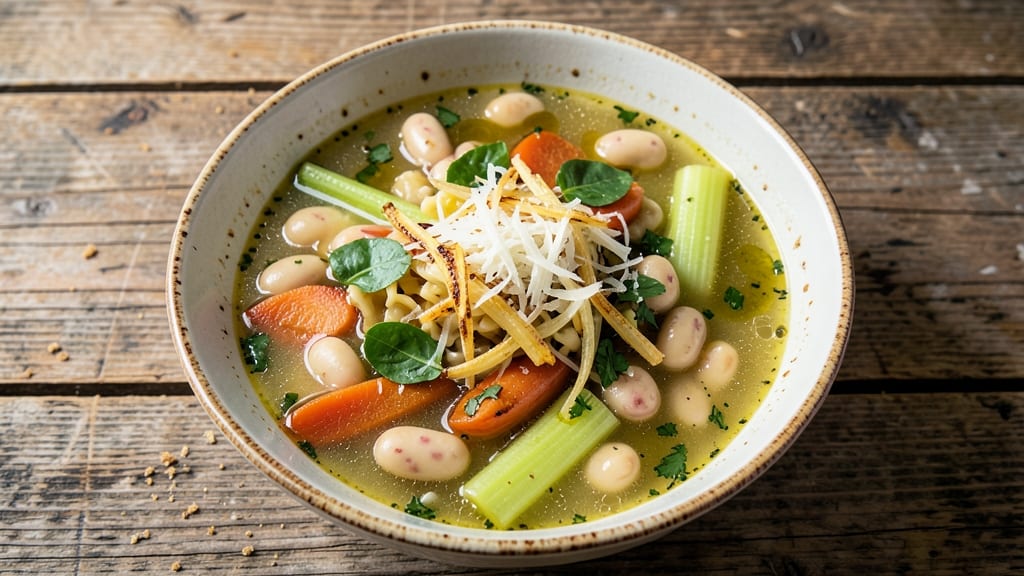
This authentic Italian minestrone soup recipe—vegetarian brings the hearty, vegetable-packed tradition of Italy to your kitchen—without meat, but with all the soulful flavor. ✨ After years of perfecting the balance between rustic simplicity and rich depth, I've created a version that honors the classic while adapting it for modern home cooks.
The secret lies in using cannellini beans for creaminess, kale for earthiness, and a slow simmer that lets every ingredient shine.
What makes this recipe truly special is its adaptability—just like the Italian nonnas who've been making minestrone for generations. You'll start with a base of aromatic vegetables sautéed in olive oil, then build layers of flavor with tomatoes, herbs, and broth.
The key is patience; letting the soup simmer for at least 45 minutes transforms simple ingredients into something deeply satisfying.
I've included tips for sourcing authentic Italian ingredients, like San Marzano tomatoes and dried porcini mushrooms, but don't worry if you can't find them—this recipe works beautifully with pantry staples too.
By the time you're ready to serve, you'll have a steaming bowl of minestrone that's hearty enough to stand alone or pair perfectly with crusty bread. The broth will be rich and savory, the beans tender yet substantial, and the vegetables perfectly cooked—no mushy textures here.
Garnish with grated Parmesan and fresh basil for that final touch of authenticity that makes every spoonful taste like a warm Italian kitchen.
This is the kind of soup that improves with leftovers, making it ideal for meal prep or feeding a crowd. Whether you're serving it at a family gathering or simply craving a comforting weeknight meal, this vegetarian minestrone delivers on tradition without compromise. Let's get cooking!
Ingredients for authentic italian minestrone soup recipe vegetarian
Pantry staples meet Italian tradition—simple ingredients that transform into soulful minestrone.
| Ingredient | Amount | Notes |
|---|---|---|
| Extra-Virgin Olive Oil 🫒 | ¼ cup | For sautéing vegetables |
| Yellow Onion 🧅 | 1 whole | Diced into small pieces |
| Carrots 🥕 | 3 medium | Peeled and sliced into rounds |
| Celery Stalks 🥬 | 3 whole | Diced, including leaves |
| Garlic Cloves 🧄 | 4 cloves | Minced for aromatic base |
| Cannellini Beans 🌾 | 2 cups | Dried, soaked overnight |
| Ditalini Pasta 🍝 | 1 ½ cups | Uncooked, broken in half |
| San Marzano Crushed Tomatoes 🍅 | 2 cups | Or high-quality canned tomatoes |
| Vegetable Broth 💧 | 6 cups | Homemade or quality store-bought |
| Kale Leaves 🥬 | 4 cups | Chopped, stems removed |
| Zucchini 🥒 | 2 medium | Sliced into half-moons |
| Dried Porcini Mushrooms 🍄 | ¼ cup | Rehydrated in broth |
| Fresh Basil Leaves 🌿 | ¼ cup | Chopped for garnish |
| Fresh Parsley 🌿 | 0.1 cup | Chopped for garnish |
| Parmesan Cheese 🧀 | ½ cup | Freshly grated for serving |
| Sea Salt 🧂 | 1 ½ tsp | Diamond Crystal preferred |
| Freshly Ground Black Pepper 🌶️ | ½ tsp | For seasoning |
The San Marzano tomatoes and dried porcini mushrooms take this minestrone from good to extraordinary. San Marzano tomatoes are worth the splurge—they're sweeter and less acidic than regular canned tomatoes, and their flavor really shines in this soup. If you can't find them, Whole Foods or Italian specialty stores usually carry them. For the porcini, Trader Joe's sells them dried in small bags, and they add an incredible umami depth. Look for mushrooms that are plump and dark brown, not shriveled or dusty. The cannellini beans? Dried is best—soak them overnight for perfect texture, but if you're in a hurry, use canned beans (just drain and rinse them well).
No porcini mushrooms? Shiitake mushrooms work in a pinch, but they won't have the same depth of flavor. Short on kale? Spinach or Swiss chard are great swaps, but add them later so they don't turn mushy. The zucchini can be skipped if you're out, but the carrots and celery are non-negotiable—they form the aromatic base. For the pasta, broken in half before cooking so it finishes faster and absorbs all that delicious broth. The broth itself is crucial—homemade is ideal, but even a quality store-bought vegetable broth will work. Just avoid anything with added salt or preservatives.
This soup tastes even better the next day—plan ahead. Store leftovers in the fridge for up to 5 days, or freeze for 3 months. I like to portion it into containers so I can grab a bowl for lunch all week. The Parmesan and basil are for serving, not cooking—add them right before eating so the basil stays bright and the Parmesan doesn't get soggy. If you're making this ahead for a crowd, reheat gently on the stove with a splash of broth to keep everything tender.
Why You'll Love This Recipe
- No Chopping Chaos: I swear by the "sofrito shortcut"—just dice onion, carrots, and celery into rough chunks (no fancy juliennes here) and let them melt into the olive oil. That golden base? Pure flavor without the fuss.
- Garlic-Kissed Depth: Between us, the garlic cloves—lightly toasted in that olive oil until fragrant—are the secret weapon. They don’t overpower, but they layer the soup with warmth that lingers. (Yes, even on a Tuesday night.)
- Leftover Love: This soup begs to be made in bulk. The flavors deepen overnight, and reheating it? Just a splash of water and a stir. My freezer’s full of portions because I can’t resist making it twice.
- Budget-Friendly Pantry Hero: Carrots, celery, onions—these are the ingredients that don’t judge your wallet. Swap in whatever beans or greens you have, and suddenly you’ve got a restaurant-worthy meal for pennies. (No guilt, just satisfaction.)
Step-by-step instructions for authentic Italian vegetarian minestrone soup
Here's how to craft a traditional Italian minestrone that honors its rustic roots while delivering rich, layered flavor.
🍳 Step 1: Build the Flavor Base with Sautéed Vegetables
Heat the 0.25 cup extra-virgin olive oil in a large Dutch oven over medium heat. Add the 1 whole diced yellow onion, 3 medium sliced carrots, and 3 whole diced celery stalks (including leaves). Cook for 8-10 minutes until the vegetables soften and the onion becomes translucent.
Here's where the magic happens: add the 4 cloves minced garlic and cook for 30 seconds until fragrant. Don't let it brown—just release those aromatic oils. Stir occasionally to prevent burning. This foundational step creates the complex vegetable base that defines authentic minestrone.
🍳 Step 2: Develop Depth with Porcini and Tomatoes
Add the 0.25 cup rehydrated dried porcini mushrooms (soaked in warm broth for 20 minutes) and their soaking liquid to the pot. Stir well and let it simmer for 3 minutes to infuse the earthy mushroom flavor. Then add the 2 cups San Marzano crushed tomatoes and cook for another 5 minutes until slightly thickened.
This is the moment that matters: the porcini adds umami depth that elevates the entire soup. The tomatoes provide acidity that balances the richness. Taste the mixture now—it should be vibrant and complex, not bland. If needed, adjust seasoning with a pinch of 1.5 tsp sea salt or 0.5 tsp freshly ground black pepper.
🥘 Step 3: Simmer the Bean and Vegetable Medley
Add the 2 cups soaked cannellini beans, 6 cups vegetable broth, and bring the mixture to a gentle boil. Reduce heat to low-medium and let it simmer uncovered for 20 minutes. This is where the flavors meld together—don't rush this step.
After 20 minutes, add the 4 cups chopped kale leaves and 2 medium sliced zucchini. The kale should wilt completely and the zucchini should be tender but still hold its shape. If the soup looks too thick, add ½ cup water to reach your desired consistency. Real talk: your kitchen should smell like a Tuscan countryside at this point.
🍲 Step 4: Finish with Pasta and Fresh Herbs
Add the 1.5 cups broken ditalini pasta and cook for 8-10 minutes until al dente. The pasta should be tender but still have a slight bite. Don't overcook—it will continue cooking when you remove it from heat.
In the final 2 minutes of cooking, stir in the 0.25 cup chopped fresh basil leaves and 0.1 cup chopped fresh parsley. These herbs add bright, fresh notes that cut through the heartiness of the soup. Taste again and adjust seasoning if needed—authentic Italian soups are always well-seasoned, never bland.
🍽️ Step 5: Serve with Traditional Garnishes
Ladle the minestrone into bowls and top each serving with 0.5 cup freshly grated Parmesan cheese. The cheese should be freshly grated—pre-shredded won't melt as beautifully. Serve immediately while steaming hot, as this soup is best enjoyed fresh from the pot.
Here's the thing—authentic minestrone is meant to be hearty and satisfying. Each spoonful should deliver tender beans, al dente pasta, and a medley of vegetables in a rich, flavorful broth. The Parmesan adds a salty, umami finish that ties everything together. This is comfort food at its finest, straight from Italy's countryside.
Pro Tips For Making Authentic Italian Minestrone Soup Recipe Vegetarian
- Sweat, Don’t Burn: The onion-carrot-celery mix (sofritto) is the flavor base—treat it like a slow dance, not a sprint. Cook it over medium-low heat with a splash of water to steam it gently for 10-12 minutes until the veggies are soft and translucent, not browned. I learned this the hard way when my first batch tasted bitter from overcooking.
- Slice Celery Thin: Thin, even slices (about 1/8-inch) cook faster and blend into the broth without gumminess. Skip the thick stalks—your soup will thank you with a smoother texture and deeper flavor. (Yes, it takes 2 minutes extra to chop properly, but trust me.)
- Salt the Water Late: Add salt to the broth only after the beans and pasta have cooked for 10 minutes. Early salting toughens beans and makes pasta gummy. Taste the broth before finishing—adjust seasoning then, not mid-cook.
- Use Pasta Water: When adding cooked pasta, reserve a ladle of starchy pasta water and toss it in. It binds everything together, making the soup richer and the texture silkier. (Pro move: Save this water from the start—don’t waste it!)
Creative variations of this dish
Seasonal Swaps
Spring brings tender greens and fresh herbs—swap kale for asparagus or fava beans and add peas for sweetness. In summer, zucchini and tomatoes are abundant; use heirloom tomatoes instead of San Marzano and add bell peppers for crunch.
For fall, roast sweet potatoes and butternut squash with the carrots before adding to the pot. Winter calls for heartier veggies like cabbage or rutabaga, and dried beans like white beans add extra substance. 🍂
Protein Upgrades
Keep it vegetarian with crispy chickpeas (toss canned chickpeas with olive oil and bake until golden) or tofu cubes (press and pan-fry for texture). For a vegan option, replace Parmesan with nutritional yeast or cashew cream.
If you're open to dairy, add ricotta cheese dollops at the end for creaminess—it melts beautifully into the hot broth. 🧀
Gluten-Free Twist
Swap ditalini for gluten-free pasta like brown rice penne or chickpea pasta. I love Barilla gluten-free pasta because it cooks up al dente and holds its shape. For extra texture, add quinoa (cook separately and stir in at the end) or millet.
The broth will still be rich and flavorful—just ensure your pasta is labeled gluten-free to avoid cross-contamination. ✨
Spice It Up
For a spicy kick, add ½ tsp red pepper flakes with the garlic or stir in 1 tbsp hot sauce (like Cholula) at the end. Love heat? Toss in 1-2 fresh chili peppers (like jalapeños) with the zucchini.
For warmth without spice, add ½ tsp smoked paprika when sautéing the vegetables. Balance is key—start with less and adjust to taste. 🌶️
Make-Ahead Magic
This soup tastes even better the next day, so prep ahead! Cook the base (vegetables, beans, and broth) up to 2 days in advance and refrigerate. When ready to serve, reheat gently with the pasta and fresh herbs.
For freezing, cool completely, portion into airtight containers, and freeze for up to 3 months. Thaw overnight in the fridge, then reheat on the stove with a splash of broth to restore texture. Perfect for busy weeknights! ⏰
Nutrition facts
Frequently asked questions
Can I substitute canned beans for dried in this minestrone?
Yes, you can use canned beans for convenience! Just drain and rinse 2 (15-ounce) cans of cannellini beans well to remove excess sodium. For best texture, add them with the broth and simmer for 15 minutes to let flavors meld. Dried beans create a creamier soup, but canned works perfectly in a pinch.
What's the secret to keeping the pasta al dente in minestrone?
Break the ditalini in half before adding to the pot, then cook it for 8-10 minutes in the simmering soup. The pasta continues cooking off the heat, so remove it when it still has a slight bite. For extra insurance, taste a piece—it should be tender but not mushy.
How do I make this soup more flavorful if I don't have porcini mushrooms?
Try these umami boosters: Add 1 teaspoon soy sauce or ½ teaspoon miso paste when sautéing vegetables, or stir in 1 tablespoon tomato paste with the tomatoes. For depth, use shiitake mushrooms (sautéed first) or a splash of vegetable bouillon paste.
Can I make this soup in an Instant Pot?
Sauté the vegetables, garlic, and porcini first, then add all ingredients except fresh herbs and Parmesan. Cook on high pressure for 10 minutes, then quick-release. Stir in pasta and cook for 3-4 minutes more. The Instant Pot cuts cooking time by half while keeping flavors concentrated.
Why did my minestrone turn out watery?
This usually happens when too much liquid is added or the pasta overcooks. For next time, simmer uncovered to reduce excess liquid, or add pasta last and cook it separately. If needed, stir in a spoonful of cornstarch mixed with water to thicken. The perfect minestrone should coat a spoon but still be ladle-friendly.