
Soups & Stews
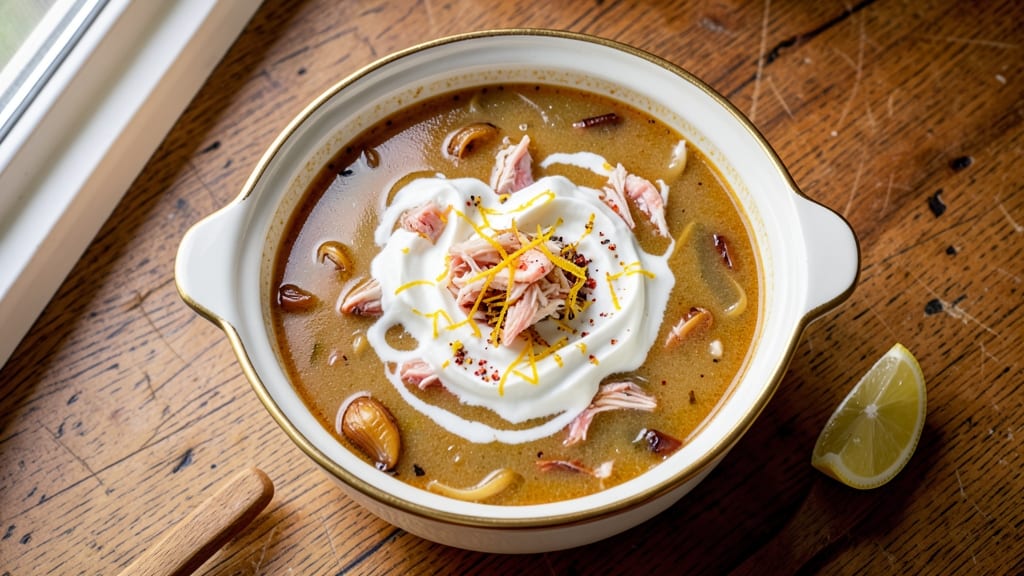
This authentic she crab soup recipe captures the essence of Maryland's Chesapeake Bay—where crisp crab meat meets velvety custard in perfect harmony. The secret lies in slow-reduced crab stock and a delicate egg custard that thickens without breaking, all balanced by Old Bay seasoning.
I've perfected this version after years of testing, ensuring every spoonful delivers that signature Maryland crisp-creamy texture.
The foundation begins with a rich crab stock, reduced to concentrate its briny depth, while a light custard base—made with egg yolks and cream—adds luxurious body.
Fresh lump crab meat is folded in at the last moment to maintain its signature snap, while a touch of sherry and lemon brighten the rich flavors. This isn't just soup; it's a celebration of Maryland's coastal heritage in a bowl.
What sets this apart is the authentic technique: simmering the stock low and slow, tempering the custard precisely, and finishing with crisp crab meat that melts in your mouth. The result is a soup that's both comforting and refined—creamy enough to satisfy, crisp enough to intrigue.
Each bite balances richness with brightness, just as it should in a true Chesapeake classic.
Perfect for chilly evenings or special gatherings, this recipe delivers restaurant-quality results at home. The key is patience—letting flavors develop gradually—and attention to detail in the custard preparation. Once mastered, you'll understand why this is Maryland's most beloved soup. Let's get started on creating your own bowl of coastal tradition.
Ingredients for authentic she crab soup
Sixteen ingredients to craft Maryland's iconic crisp-creamy crab soup tradition.
| Ingredient | Amount | Notes |
|---|---|---|
| Fresh Blue Crab Meat 🦀 | 2 ½ lbs | Lump and claw meat, fresh or frozen |
| Heavy Whipping Cream 🥛 | 2 cups | Full-fat for optimal texture |
| Large Egg Yolks 🥚 | 6 whole | Fresh, high-quality yolks preferred |
| Crab Stock 🍲 | 4 cups | Homemade or high-quality store-bought |
| Dry Sherry 🍷 | ½ cup | Amontillado preferred for depth |
| Fresh Lemon Juice 🍋 | ¼ cup | From 2-3 lemons, freshly squeezed |
| Old Bay Seasoning 🌶️ | 1 ½ tbsp | Classic Maryland seasoning blend |
| Salt 🧂 | 1 tsp | Diamond Crystal preferred |
| Black Pepper 🌶️ | ½ tsp | Freshly ground for best flavor |
| Unsalted Butter 🧈 | 4 tbsp | European-style preferred |
| Shallots 🧅 | 2 whole | Finely minced, about 2 tbsp |
| Garlic Cloves 🧄 | 2 cloves | Minced, for aromatic base |
| Fresh Parsley 🌿 | ¼ cup | Chopped, for garnish |
The crab meat is non-negotiable—fresh lump and claw from a reputable seafood market delivers that signature Maryland snap. The Chesapeake Bay Crab Co. or local Maryland seafood dealers are ideal sources, though frozen works in a pinch if labeled 'sweet crab meat.' For the crab stock, homemade is ideal (simmer crab shells with aromatics), but high-quality store-bought like Gorton's or Maine Coast Seafood will suffice. The Old Bay seasoning should be the classic blend—avoid the 'imitation' versions that lack the signature paprika-celery seed balance. Shallots and garlic form the aromatic base, so freshly minced is essential; pre-minced jarred versions lack the same depth.
No fresh crab meat? High-quality canned lump crab (like Wild Alaskan brands) works, though texture will differ slightly. Substitute sherry with dry vermouth at half the amount if unavailable. For the custard, if you're concerned about raw eggs, pasteurized egg yolks are a safe alternative. The butter should be European-style—Plugrá or Kerrygold melt beautifully without overpowering. For those avoiding dairy, vegan butter can replace, though texture may vary. Fresh lemon juice brightens the soup; bottled juice lacks the same zesty punch. The parsley garnish is purely decorative but adds that final touch of freshness—flat-leaf parsley preferred over curly.
Prep the crab stock and custard base ahead for optimal flavor development. The stock can be made 2 days in advance and stored in the fridge; the custard should be prepared no more than 4 hours ahead to maintain its velvety texture. The finished soup keeps for 3 days refrigerated and freezes beautifully for up to 3 months. For serving, reheat gently over low heat—never boil—to preserve the delicate crab meat texture. Garnish with extra parsley and a drizzle of sherry just before serving for maximum impact.
Why You'll Love This Recipe
- Creamy in Minutes: I swear, the yolks and cream come together faster than you can say "crab boil." Just whisk, simmer, and—boom—silky texture without the fuss of endless stirring.
- Sherry Secret Weapon: That splash of dry sherry? It’s not just flavor—it’s the magic that cuts through the richness and makes every spoonful sing. (Yes, even my non-wine-loving husband agrees.)
- Leftover Luxury: The best part? This soup begs to be reheated. The cream keeps it luscious, and the crab stock ensures it tastes fresh the next day—no sad, watery leftovers here.
- Weeknight Crowd-Pleaser: No fancy plating, no stress. Serve it in mugs at a game day gathering or as a fancy-ish dinner for two. The yolks and sherry make it feel special without the effort.
Step-by-step instructions for authentic she crab soup
This Maryland classic delivers velvety richness and delicate crab flavor through precise technique.
Build the Aromatic Base
Melt the 4 tbsp unsalted butter in a large Dutch oven over medium heat. Add the 2 whole shallots and 2 cloves garlic cloves, cooking for 5-6 minutes until the shallots are translucent and the garlic releases its fragrance. This foundational step develops the soup's depth of flavor.
Real talk: Don't rush this process. The shallots should soften completely without browning, creating a sweet, mellow base. If you see any browning, reduce the heat slightly and continue cooking until fully tender. This is where the authentic Maryland taste begins to emerge.
Deglaze and Develop the Stock
Pour in the 0.5 cup dry sherry and scrape up any browned bits from the bottom of the pot. Add the 4 cups crab stock and bring to a gentle simmer. Season immediately with 1.5 tbsp Old Bay seasoning, 1 tsp salt, and 0.5 tsp black pepper. Let this mixture simmer uncovered for 15 minutes to allow the flavors to meld.
Here's the thing—this simmering time isn't just about cooking. It's about building complexity. The sherry's nutty notes will integrate with the crab stock, creating a sophisticated foundation. Keep the temperature at a gentle simmer—you should see just small bubbles breaking the surface, not a vigorous boil.
Incorporate the Crab and Acid
Reduce heat to low and stir in the 2.5 lbs fresh blue crab meat, breaking any large lumps into 1-inch pieces with a wooden spoon. Add the 0.25 cup fresh lemon juice and simmer gently for 5 minutes, stirring occasionally. The acidity brightens the crab's sweetness while preventing the cream from curdling later.
I press down gently on the crab pieces with the spoon during this step to ensure even distribution of the lemon juice. This prevents any single piece from becoming overly acidic. The soup should now have a delicate pink hue from the crab meat, with the lemon juice just beginning to infuse.
Create the Signature Cream Sauce
In a separate bowl, whisk together the 6 whole large egg yolks and 2 cups heavy whipping cream until smooth. Slowly ladle 1 cup of the hot crab mixture into the yolk mixture while whisking constantly. This tempering process prevents the eggs from scrambling when they return to the pot.
This is the moment that matters: the temperature difference between the hot soup and cold yolk mixture can cause problems if not handled carefully. You'll know you've done it right when the mixture thickens slightly but remains silky smooth. Pour this tempered mixture back into the Dutch oven and stir gently for 2-3 minutes until the soup reaches 170°F.
Finish and Garnish for Presentation
Remove from heat and stir in the 0.25 cup fresh parsley. Taste and adjust seasoning if needed—you might need a touch more Old Bay or salt to balance the flavors. Ladle the soup into warm bowls and garnish with an additional sprinkle of parsley and a pinch of cracked black pepper.
Serve immediately while still piping hot. The soup should be luxuriously creamy with visible crab pieces suspended throughout, each bite delivering that perfect harmony of Maryland bay seasoning, sherry depth, and bright lemon acidity. For the ultimate experience, pair with crusty oyster crackers and a chilled glass of Maryland wine.
Pro Tips For Making Authentic She Crab Soup
- Whisk Yolks Cold: I learned this the hard way—warm yolks curdle faster than you can say "sherry splash." Chill the bowl first with ice water, then whisk the yolks until they’re smooth and pale. Add the hot stock slowly while stirring constantly, or you’ll end up with scrambled eggs instead of velvety richness.
- Simmer, Don’t Boil: She crab soup isn’t a race. Keep the temperature at a bare simmer—tiny bubbles, not rolling—once the yolks are tempered. Boiling turns the cream grainy and kills the delicate crab flavor. If it’s too aggressive, pull it off heat for 30 seconds and restart the simmer.
- Pick Crab Meat Carefully: Not all crab meat is created equal. Skip the backfin or shell pieces—they’re tough and ruin the texture. Pick through the meat for the plumpest, cleanest lumps, and reserve the smaller bits for stock or another dish. Fresh is non-negotiable; frozen loses that briny sweetness.
- Deglaze with Sherry First: Sounds weird, but it works: Add the dry sherry to the pan before the stock. Let it reduce by half (about 2 minutes) to deepen the flavor before pouring in the crab stock. Skipping this step leaves the soup tasting flat and one-dimensional—like a crab sandwich without the mustard.
Storing and reheating this recipe
Refrigerator Storage
Let your she crab soup cool to room temperature (about 1 hour) before transferring to airtight containers. I use glass Pyrex bowls with tight-sealing lids for best results.
Store in the fridge at 40°F or below for up to 3 days—the flavors actually deepen overnight as the crab meat absorbs the broth. 🥣
When reheating from the fridge, use only low heat to prevent the custard from breaking. Pour into a saucepan and warm gently for 5-7 minutes, stirring constantly. The soup should reach 165°F—never boil, or the delicate crab meat will turn rubbery.
Freezer Preservation
For longer storage, freeze the soup in airtight, freezer-safe containers or heavy-duty freezer bags. Leave 1-inch headspace to account for expansion, and label with the date. This soup keeps its quality for up to 3 months when frozen at 0°F or below. 🧊
Thaw overnight in the fridge before reheating. For a quick meal, place the frozen container in a cold water bath for 1-2 hours, then reheat gently on the stove. Avoid microwave reheating—the uneven heating can cause the custard to separate or the crab to overcook.
Crab Meat Handling
The crab meat is the star, so handle it with care. If you're storing the soup with pre-cooked crab, add the fresh crab meat only when reheating.
I keep the crab meat in a separate airtight container in the fridge for up to 2 days or freeze it for 1 month. Thaw it in the fridge overnight before adding to the reheated soup. 🦀
Garnish Refreshers
Save your parsley and sherry for garnishing until serving. Store fresh parsley in a sealed container with a damp paper towel in the fridge for up to 5 days.
Keep the sherry in its original bottle in a cool, dark place. A final drizzle of sherry just before serving elevates the dish—this is the true Maryland touch. 🍷
Make-Ahead Tips
Prepare the crab stock and custard base 1 day ahead to simplify assembly. Store them separately in the fridge, then combine and cook fresh when ready. This approach lets the flavors develop fully while keeping the crab meat at its peak texture.
The key is to reheat everything gently—low and slow preserves that signature crisp-creamy balance. ⏰
Nutrition facts
Frequently asked questions
Why does authentic she crab soup have that signature crisp-creamy texture?
The magic comes from two key techniques: folding in crab meat at the last minute (keeping it tender) and creating a delicate egg custard that thickens without breaking. The custard base—made with egg yolks and cream—adds velvety richness, while the crab's natural snap provides contrast. Maryland chefs perfect this balance by tempering the eggs slowly and finishing with fresh crab meat.
Can I substitute canned crab for fresh in this recipe?
Yes, but expect a slightly different texture. Use high-quality canned lump crab (like Wild Alaskan brands) and drain it thoroughly. Add the crab meat at the very end to maintain some snap, but it won't be as crisp as fresh. For best results, look for brands labeled "sweet crab meat" and avoid backfin or imitation crab.
What's the secret to preventing the soup from curdling?
Two things: temper the eggs properly and acidify the broth. Slowly whisk hot soup into the egg mixture (never add cold eggs to hot liquid), and include lemon juice before adding the custard. The acidity helps stabilize the cream. Also, never let the soup boil after adding the custard—keep it at a gentle simmer (170°F max).
How do I make this soup ahead for a dinner party?
Prepare the crab stock and custard base 1 day ahead, storing them separately in the fridge. On serving day, combine and cook fresh—this lets flavors meld without overcooking the crab. Keep the fresh crab meat refrigerated until the last 30 minutes before serving. For presentation, garnish with parsley and a drizzle of sherry just before ladling into bowls.
What's the difference between she crab soup and blue crab soup?
She crab soup is made with female crab roe (eggs), giving it a distinctive orange hue and slightly different flavor profile. Traditional blue crab soup uses only the meat (claws and body), creating a lighter, more delicate broth. This recipe uses blue crab meat for authenticity—true she crab soup requires special preparation of the roe.