
Soups & Stews
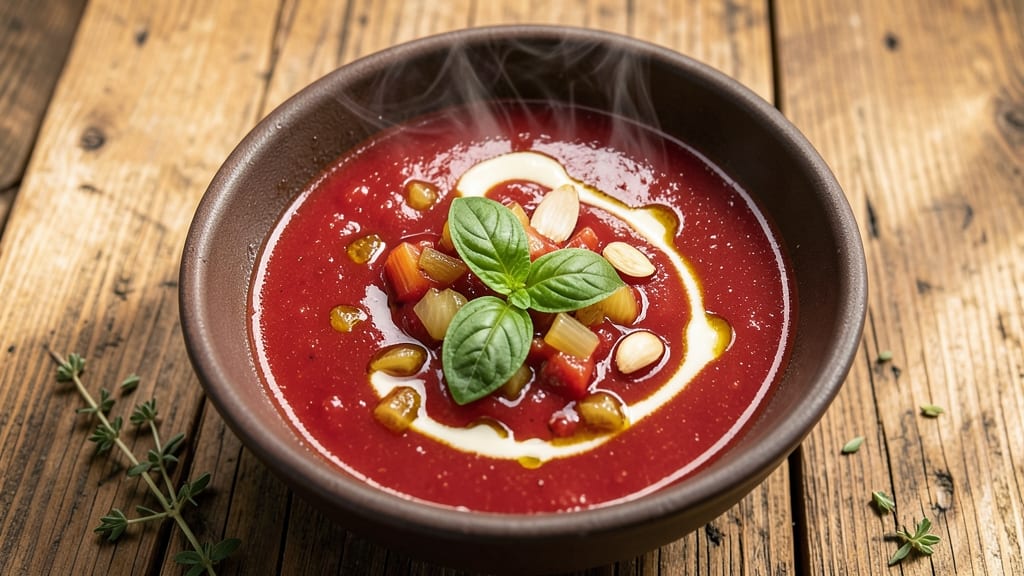
This authentic tomato soup recipe transports you straight to a rustic Italian trattoria with its velvety texture and bright, herbaceous flavors. The secret lies in slow-simmering fresh tomatoes with aromatic vegetables until they break down into a rich, naturally sweet base—no heavy cream required for true authenticity.
I’ve perfected this stovetop method over years of testing, balancing acidity and depth to create a soup that’s both comforting and sophisticated.
What sets this apart is the layered approach: first building flavor with onions, garlic, and celery in olive oil, then adding tomatoes and broth to develop a deep, caramelized base.
A touch of cream at the end adds richness without overpowering the tomato’s natural sweetness. Fresh basil, added just before serving, brings that signature Italian brightness that elevates every spoonful.
The result is a soup that’s smooth yet rustic, with just enough body to coat a spoon while leaving room for the vibrant tomato flavor to shine. It’s the kind of dish that feels like a hug on a chilly evening—warm, hearty, and impossibly satisfying.
The best part? It’s simple enough for weeknights but impressive enough for guests, all while staying true to Italian tradition.
Serve it with crusty bread for dipping or a sprinkle of Parmesan for extra depth. This recipe delivers restaurant-quality tomato soup with minimal effort—just 45 minutes of hands-on time and a few key techniques. Let’s get cooking!
Ingredients for authentic tomato soup
Fresh tomatoes, aromatic vegetables, and a touch of cream create this velvety Italian tomato soup.
| Ingredient | Amount | Notes |
|---|---|---|
| Extra-Virgin Olive Oil 🫒 | ½ cup | High-quality, fruity variety |
| Yellow Onion 🧅 | 1 whole | Medium size, diced small |
| Celery Stalks 🥬 | 3 whole | Trimmed, diced small |
| Garlic Cloves 🧄 | 4 cloves | Fresh, minced finely |
| Fresh Tomatoes 🍅 | 2 lbs | Ripe, Roma or vine-ripened |
| Vegetable Broth 💧 | 4 cups | Low-sodium preferred |
| Heavy Cream 🥛 | ¼ cup | Full-fat for richness |
| Fresh Basil Leaves 🌿 | ¼ cup | Packed, chopped fine |
| Salt 🧂 | 1 ½ tsp | Kosher or sea salt |
| Black Pepper 🌶️ | ½ tsp | Freshly ground preferred |
| Granulated Sugar 🍚 | 1 tbsp | Balances acidity |
| Red Wine Vinegar 🍷 | 1 tbsp | For brightness |
| Parmesan Cheese 🧀 | ¼ cup | Freshly grated, for serving |
The tomatoes are the heart of this soup—Roma or vine-ripened deliver the deepest flavor. Trader Joe's or local farmers markets often have the best selection, but grocery store varieties work too. Look for tomatoes that are firm but yield slightly to pressure. The extra-virgin olive oil should have a peppery finish and be stored in a cool, dark place. For the broth, low-sodium options prevent over-salting, and homemade is ideal if you have time. The onion, celery, and garlic form the aromatic base—sweat them slowly in the olive oil to develop their flavors without browning.
No Roma tomatoes? Heirloom or beefsteak varieties work in a pinch, but you'll need to peel and seed them first. Short on fresh basil? Dried basil at one-third the amount works, though it lacks the bright freshness. The red wine vinegar can be swapped for lemon juice if you prefer, but vinegar adds a more complex acidity. For a dairy-free version, omit the cream and stir in 1 tbsp nutritional yeast at the end for a cheesy note. The sugar balances the acidity—adjust to taste based on your tomatoes' natural sweetness. If your soup tastes too thin, simmer uncovered for 10-15 minutes to reduce.
This soup tastes even better the next day as flavors meld. Store leftovers in an airtight container in the fridge for up to 5 days. For longer storage, freeze portions for up to 3 months. Reheat gently on the stove, adding a splash of broth or water if needed. The basil should be added just before serving—it wilts quickly when heated. To serve, ladle into bowls and top with freshly grated Parmesan and a drizzle of olive oil. The crusty bread? Baguette works best—toast slices lightly for extra crunch.
Why You'll Love This Recipe
- No-Fuss Sauté: I swear by the slow cook-down of onions and celery in olive oil—it builds flavor while I handle dinner chaos. No blender, no fuss, just that deep, caramelized base that makes everything else sing.
- Garlic Bomb: Between us, the garlic here isn’t just minced—it’s toasted until the edges turn golden. That crispy aroma? It’s the secret weapon. One sniff and you’ll understand why I never skip it.
- Weeknight Workhorse: This soup doubles as lunch, dinner, or a cozy side for guests. Freeze half for lazy days, or serve it warm with crusty bread when friends drop by. It’s the dish that does it all.
- Budget Magic: Fresh tomatoes and olive oil stretch further than you’d think. I’ve fed four people for under $10, and the leftovers? Even better the next day. That’s real savings, no shortcuts.
Step-by-step instructions for rustic tomato soup
This method delivers the depth and balance of traditional Italian tomato soup—where fresh basil elevates simple ingredients.
Sauté the Aromatic Base
Heat the 0.5 cup extra-virgin olive oil in a large Dutch oven over medium heat. Add the 1 whole yellow onion and 3 whole celery stalks, both diced small, and cook for 8-10 minutes until softened and translucent. You'll notice the onions release moisture and the celery becomes tender—this foundational step builds flavor.
Add the 4 cloves minced garlic and cook for 30 seconds until fragrant. Garlic burns quickly, so watch closely—it should smell sweet and nutty, not bitter. Stir constantly to prevent browning. This aromatic trio forms the soul of your soup.
Simmer Tomatoes Until Broken Down
Add the 2 lbs fresh tomatoes, crushing them slightly with your hands as you add them. Pour in the 4 cups vegetable broth and bring to a gentle boil. Reduce heat to low and simmer uncovered for 30-40 minutes, stirring occasionally, until the tomatoes break down completely and the soup thickens naturally.
Here's the thing—don't rush this step. The tomatoes need time to soften and release their juices. You'll see the soup reduce and develop a rich, velvety texture. Taste occasionally and adjust seasoning with 1.5 tsp salt, 0.5 tsp black pepper, and 1 tbsp granulated sugar to balance acidity. The sugar isn't about sweetness; it rounds out the natural tartness of the tomatoes.
Finish with Acid and Cream
Stir in the 1 tbsp red wine vinegar and simmer for 2 minutes to brighten the flavors. This acidity cuts through the richness and adds complexity. Then, remove the pot from heat and gently stir in the 0.25 cup heavy cream. The cream should melt smoothly into the soup, creating a luxurious mouthfeel without overwhelming the tomato flavor.
Real talk: Don't let the cream curdle. Keep the heat off and stir gently until fully incorporated. The soup should have a velvety consistency with visible tomato pieces—this is where the rustic charm comes through.
Incorporate Fresh Basil and Serve
Just before serving, stir in the 0.25 cup chopped fresh basil leaves. The basil should be finely chopped so it distributes evenly throughout the soup. This is the moment that matters: the fresh basil adds a bright, herbal note that contrasts beautifully with the rich tomato base.
Ladle the soup into bowls and top each serving with 1 tablespoon freshly grated parmesan cheese. The parmesan should be freshly grated—pre-shredded cheese contains anti-caking agents that ruin the texture. Serve immediately while the basil remains vibrant and the soup is piping hot.
Pro Tips For Making Authentic Tomato Soup
- SWEAT THE ONIONS LOW: I learned this the hard way—when you’re sautéing onions and celery for tomato soup, don’t rush it. Push the heat down to medium-low and let them cook for 10-12 minutes until the onions are translucent and the celery’s edges just start to soften. This builds flavor that won’t turn bitter or burn, especially when you later add the tomatoes.
- CHOP TOMATOES UNIFORMLY: Skip the haphazard knife work—cut your fresh tomatoes into even ½-inch dice. Uneven pieces mean some will turn to mush while others stay chunky, throwing off the soup’s texture. If you’re using heirlooms, remove the seeds and tough cores first; they’ll make the soup watery and unbalanced.
- SALT THE SOUP BEFORE SIMMERING: Add a full teaspoon of salt (or more, depending on your tomatoes) to the pot before you add the tomatoes and liquid. This seasons the base properly, so you’re not playing catch-up later. If you wait, the soup will taste flat no matter how much you add after—trust me, I’ve over-salted three batches trying to fix this.
- USE A SPLASH OF WATER: After blending your tomatoes, stir in ¼ cup of water or broth before simmering. This prevents the soup from seizing up and turning into a thick, gluey paste. It also helps distribute the flavor evenly—no clumpy surprises when you serve it. (Yes, even if you’re impatient like me.)
Common mistakes when making perfect results
Skipping the Simmer
One of the biggest mistakes is rushing the simmering process. Many recipes call for 30-40 minutes of gentle simmering to break down the tomatoes and develop deep flavor. Cutting this short results in a watery, underdeveloped soup.
I’ve seen people reduce the time to 15 minutes or even skip it entirely—don’t. The tomatoes need time to soften and release their natural sweetness.
If your schedule is tight, use canned San Marzano tomatoes instead of fresh—they’re pre-cooked and break down faster, but still require 20-25 minutes of simmering. 🔥
Overcooking the Aromatics
Burning the onions, celery, or garlic is another common blunder. These vegetables should sweat gently, not brown. When they turn golden, they release bitter flavors that ruin the soup’s delicate balance. Cook them over medium heat and stir frequently.
If you notice them darkening too quickly, reduce the heat to low and add a splash of broth to deglaze the pot. The goal is a soft, translucent base—not a crispy, caramelized mess.
I’ve had to toss entire batches because of this mistake, so trust me when I say patience pays off. 💡
Adding Cream Too Early
Introducing the cream before the soup is fully cooked can cause curdling. The heat from the simmering liquid can break down the cream’s proteins, creating a grainy texture. Always add the 0.25 cup heavy cream off the heat and stir gently.
If you’re worried about curdling, whisk the cream into a small bowl first, then slowly pour it into the soup while stirring continuously. This technique ensures a silky finish without lumps.
For a dairy-free version, stir in 1 tbsp nutritional yeast at the end for a cheesy note without the risk of curdling. ✨
Ignoring Acid Balance
The acidity in tomato soup is what makes it bright and vibrant. Skipping the 1 tbsp red wine vinegar or lemon juice leaves the soup flat and one-dimensional. The vinegar cuts through the richness of the cream and enhances the tomato’s natural sweetness.
If your tomatoes are particularly tart, you might need an extra ½ tsp of vinegar. Taste as you go—balance is key. I’ve had soups that tasted dull because I forgot this step, so don’t overlook it. The acidity is what makes this soup feel authentically Italian. 🍷
Using Low-Quality Tomatoes
Not all tomatoes are created equal. Using underripe or bland grocery-store tomatoes can turn your soup into a sad, watery disappointment. Opt for Roma or vine-ripened varieties—they’re meatier and sweeter. If you can’t find fresh tomatoes, canned San Marzano tomatoes are the next best thing.
Avoid tomatoes with a high water content, like slicing varieties, as they won’t break down properly. The quality of your tomatoes makes or breaks the soup, so invest in the best you can find. Your taste buds will thank you. 🍅
Over-Salting Early
Adding all the salt at once can make your soup inedible if you misjudge. Instead, season gradually and taste frequently. Start with 1 tsp salt during the simmer, then adjust as needed. If you’re using low-sodium broth, you might need an extra ½ tsp later.
The key is to balance the flavors as you go. I’ve had to fix soups that were too salty by adding extra tomatoes or broth to dilute the saltiness. It’s better to under-season slightly and add more later than to overdo it from the start.
Trust your taste buds—they’re your best tool. 🧂
Nutrition facts
Frequently asked questions
Can I make this tomato soup without fresh tomatoes?
For the best results, use 2 (28 oz) cans of San Marzano tomatoes instead of fresh. Crush the tomatoes by hand before adding them to the pot, then simmer for 20-25 minutes instead of 30-40. The canned version will have a slightly different texture but still delivers that rich, authentic flavor. Just add an extra ½ tsp sugar if your tomatoes taste particularly acidic.
How can I make this soup dairy-free?
Skip the heavy cream and replace it with ¼ cup coconut milk or 1 tbsp nutritional yeast for a cheesy flavor. For extra richness, stir in 2 tbsp olive oil at the end. The soup will still be creamy but with a lighter texture. Taste as you go—you might need an extra pinch of salt to balance the flavors.
Why does my tomato soup taste too acidic?
Acidity comes from the tomatoes themselves or the vinegar. To balance it, add ½ tsp sugar or a pinch of salt to round out the flavors. If it’s still too sharp, stir in 1 tbsp tomato paste or a splash of broth to dilute the acidity. The key is patience—taste as you simmer and adjust gradually.
Can I make this soup ahead of time?
Yes! This soup actually tastes better the next day as the flavors meld. Store it in an airtight container in the fridge for up to 5 days. When reheating, warm it gently on the stove and stir in fresh basil just before serving. Avoid microwaving—it can make the soup watery. For longer storage, freeze portions for up to 3 months.
What’s the best way to serve this tomato soup?
Serve it piping hot in deep bowls with a sprinkle of freshly grated Parmesan and a drizzle of extra-virgin olive oil. Pair it with crusty bread or a grilled cheese sandwich for the ultimate comfort meal. For extra flair, garnish with a few whole basil leaves or a pinch of red pepper flakes. The presentation matters almost as much as the taste!