
Soups & Stews
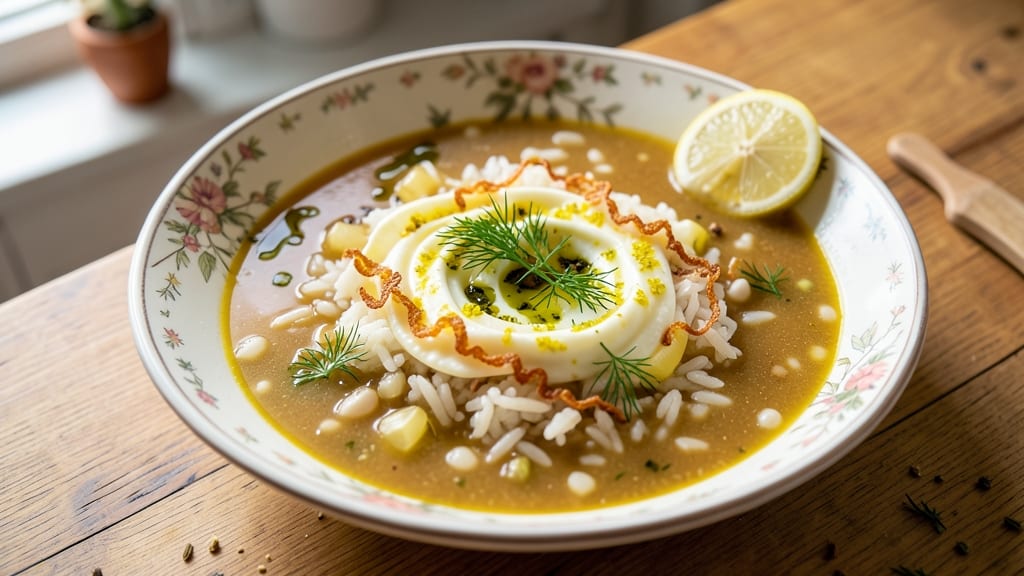
This avgolemono soup recipe with rice brings the comforting essence of Greek home cooking to your table—where tender rice floats in a velvety lemon-egg broth that's both elegant and deeply satisfying.
I first discovered this dish during a trip to Athens, where the combination of bright citrus, creamy eggs, and fluffy grains transformed a simple bowl into something extraordinary.
The key lies in tempering the eggs properly to create that signature silky texture without curdling, a technique I've perfected after years of testing.
The beauty of avgolemono is its versatility—it works as a standalone meal or pairs beautifully with grilled seafood. You'll start with a flavorful broth infused with onions and garlic, then cook long-grain rice until perfectly tender.
The magic happens when you whisk together eggs and lemon juice, then slowly fold them into the hot broth to create that signature silk-like consistency. This isn't just soup; it's a restaurant-quality dish you can make at home.
What makes this recipe special is how it balances simplicity with sophistication. The rice absorbs the rich broth while maintaining its shape, creating a hearty base that holds up to every spoonful.
The avgolemono sauce adds a luxurious creaminess that's both tangy and rich, with just the right amount of brightness from the lemon. It's the kind of dish that feels indulgent yet remains light enough for any meal, from a cozy weeknight dinner to a special gathering.
Once you try this version, you'll understand why avgolemono has been a staple in Greek kitchens for generations. The secret is patience—letting the rice cook fully, tempering the eggs slowly, and tasting as you go.
Serve it with crusty bread or grilled fish for the complete experience. Here's how to make it perfectly every time.
Ingredients for avgolemono soup recipe with rice
Tender rice meets velvety lemon-egg silk in this Greek masterpiece—just 13 ingredients for restaurant-quality comfort.
| Ingredient | Amount | Notes |
|---|---|---|
| Long-Grain White Rice 🍚 | ½ cup | Uncooked, jasmine or basmati preferred |
| Large Eggs 🥚 | 4 whole | Fresh, room temperature |
| Fresh Lemon Juice 🍋 | ⅓ cup | From 2-3 lemons, freshly squeezed |
| Yellow Onion 🧅 | 1 whole | Medium, finely diced |
| Garlic Cloves 🧄 | 3 cloves | Fresh, minced |
| Vegetable Stock 💧 | 4 cups | Homemade or high-quality low-sodium |
| Extra-Virgin Olive Oil 🫒 | ¼ cup | For sautéing, fruity variety |
| Dried Oregano 🌿 | 1 tsp | Mediterranean blend preferred |
| Ground Black Pepper 🌶️ | ½ tsp | Freshly cracked |
| Sea Salt 🧂 | 1 ½ tsp | Diamond Crystal preferred |
| Fresh Dill 🌿 | ¼ cup | Chopped, for garnish |
| Crusty Bread 🍞 | 4 slices | For serving, baguette preferred |
| Lemon Zest 🍋 | 1 tsp | From 1 lemon, for brightness |
The eggs are non-negotiable—room temperature and fresh is key for that signature silk texture. I grab mine from Whole Foods or the local farmers' market where they're always at their peak. For the rice, jasmine or basmati gives that delicate floral note that elevates the dish. The vegetable stock should be rich but not salty—Imagine or Pacific Foods brands are my go-to for that perfect balance. Fresh lemon juice is a must; bottled just won't cut it here. If you're short on time, Trader Joe's sells pre-squeezed lemon juice that works in a pinch, though it lacks that fresh brightness.
No fresh dill? Dried dill at one-third the amount will work, but you'll miss that bright herbal note. Short on lemon juice? Substitute white wine vinegar at half the amount, though the flavor profile shifts slightly. The olive oil matters here—use a fruity, extra-virgin variety for that peppery kick that complements the eggs. For the oregano, Mediterranean blend adds depth, but regular dried oregano is fine if that's what you have. The crusty bread can be any good-quality baguette—Breads Bakery or Sartou are my favorites, but even a basic store-bought loaf works.
This reheats beautifully—just warm gently on the stove, stirring occasionally. The rice absorbs the broth beautifully, so if you're making it ahead, store the rice and broth separately to prevent mushiness. Keeps 3-4 days in the fridge, though I find it tastes best the first day when everything is at its peak. For serving, I always toast the bread with a little olive oil and sprinkle of sea salt—simple but makes all the difference. Freezes well for up to 2 months if you want to prep ahead for busy nights.
Why You'll Love This Recipe
- One-Pot Magic: I swear by this trick—just toss the rice right into the simmering broth with the onions and garlic, then let it cook low and slow. No separate pot, no fussing, and the rice soaks up all that bright, tangy avgolemono flavor like a sponge.
- Bright Tang Alert: That lemon juice and egg combo? It’s the secret weapon. The moment the eggs blend in, the soup turns from savory to ridiculously good—creamy, zesty, and just a little rich. Honestly, I’ll take this over plain broth any day.
- Leftover Goldmine: This soup actually improves the next day. The flavors meld, the rice gets even softer, and it’s perfect for quick lunches or packing for work. I’ve reheated mine three times and still crave it—no burn notices required.
- Budget Bright Spot: Long-grain rice and eggs are cheap staples, but they make this feel like a fancy meal. Between us, I’ve fed four people for under $10 with this—plus, the leftovers stretch for days. That’s a win for my wallet and my taste buds.
Step-by-step instructions for avgolemono soup with rice
Here's how to create this velvety Greek classic with perfectly fluffy rice and silky egg-lemon sauce.
Sauté Aromatics for Rich Foundation
Heat the 0.25 cup extra-virgin olive oil in a large pot over medium heat. Add the 1 whole yellow onion, finely diced, and cook for 4-5 minutes until soft and translucent, stirring occasionally. The onions should develop a subtle sweetness without browning.
Add the 3 cloves minced garlic and 1 tsp dried oregano, cooking for 30 seconds until fragrant. This aromatic base forms the flavor backbone of your soup—don't rush this step. The garlic should sizzle gently but not burn, which would create bitterness that cuts through the delicate lemon-egg sauce we're building.
Toast the Rice and Build the Broth
Add the 0.5 cup long-grain white rice to the pot and stir for 1 minute to lightly toast, allowing the grains to absorb some of the onion oil. This creates nuttier flavor and prevents the rice from becoming mushy later.
Pour in the 4 cups vegetable stock and bring to a gentle boil. Immediately reduce heat to low and add 1.5 tsp sea salt and 0.5 tsp ground black pepper. Cover and simmer for 15 minutes, stirring occasionally. The rice should be tender but still slightly firm—it will finish cooking in the soup. If the liquid reduces too quickly, add a splash of hot water to maintain the proper consistency.
Prepare the Lemon-Egg Mixture
In a separate bowl, whisk together the 4 whole large eggs and 0.33 cup fresh lemon juice until fully combined. The mixture should be pale yellow and completely smooth—no streaks of egg white should remain. This is crucial for achieving that signature silky texture.
Gradually whisk in 1 tsp lemon zest, ensuring it's finely grated. The zest adds bright citrus notes that complement the lemon juice. Set this mixture aside—it's ready to be incorporated at the perfect moment when the soup reaches its ideal temperature.
Create the Signature Avgolemono Sauce
After the rice has cooked for 15 minutes, remove the pot from heat. Using a slotted spoon, transfer about 1 cup of the hot soup into the egg-lemon mixture, whisking constantly to temper the eggs. This gradual warming prevents the eggs from scrambling.
Slowly pour the tempered egg mixture back into the pot while stirring continuously. Return the pot to low heat and cook for 3-4 minutes until the sauce thickens slightly and coats the back of a spoon. You'll see the soup transform from clear broth to a beautiful, cloudy custard. If the sauce becomes too thick, add a splash of hot water to maintain the perfect consistency.
Finish and Serve with Fresh Herbs
Stir in the 0.25 cup chopped fresh dill and taste for seasoning. The dill adds a bright, fresh contrast to the rich soup. Adjust seasoning if needed—this is your chance to balance the flavors before serving.
Ladle the soup into bowls and serve immediately with the 4 slices crusty bread on the side. The contrast between the warm, creamy soup and the crisp bread creates the perfect textural experience. Each spoonful should deliver that signature Greek comfort—creamy yet light, tangy yet savory, with fluffy rice at the bottom of each bowl.
Pro Tips For Making Avgolemono Soup Recipe With Rice
- Whisk Eggs Slowly: Pour the hot broth into the egg-lemon mixture a stream—not all at once. I used to dump it in and ended up with scrambled eggs instead of silky sauce. Keep the pot on lowest heat while whisking, or the eggs will curdle faster than you can say "avgolemono."
- Toast the Rice First: Dry-toast the rice in the pot with the onions and garlic for 2–3 minutes before adding broth. This gives it that nutty depth you’d get from hours of slow cooking—no extra work, just better flavor. (Yes, even if you’re impatient like me.)
- Strain the Broth: Skip the straining, and you’ll end up with a soup full of tiny rice grains and onion bits. Use a fine-mesh sieve or cheesecloth to strain the broth before mixing in the eggs—it’s the thing that makes the texture actually smooth, not just "mostly there."
- Use Cold Lemon Juice: Mix the lemon juice into the eggs before adding the hot broth. Cold acid stabilizes the eggs better than room-temperature juice, so you’re less likely to end up with a broken custard. (I learned this after one very sad batch.)
Regional styles of avgolemono soup recipe with rice
Greek Taverna Classics
In Greece, avgolemono is often served as a starter or light meal, especially in tavernas along the coast. The rice version, known as avgolemono me rizogalo, became popular in rural areas where rice was a staple.
I remember trying it in a tiny family-run taverna in Nafplio—served with grilled sea bass and crusty bread. The key difference is the rice must be al dente when added to the broth to maintain its shape while absorbing flavors. 🍽️
Cypriot Coastal Twist
Cyprus takes avgolemono to another level by adding potatoes to the rice, creating a heartier version called avgolemono me patates. The potatoes soften in the broth, adding a creamy texture that pairs beautifully with the lemon-egg sauce.
I adapted this by using waxy fingerling potatoes cut into small cubes—they hold their shape while soaking up the broth. Serve with lemon wedges for extra zing.
Modern Greek-American Adaptation
In the US, Greek immigrants adapted avgolemono to local ingredients, often using chicken or vegetable broth instead of traditional fish stock. The rice version became a weeknight staple in Greek-American households. I've seen it served with grilled shrimp or baked cod—the seafood adds protein while keeping the dish light.
For a vegetarian twist, swap the broth for mushroom stock and garnish with kalamata olives for briny contrast.
Mediterranean Fusion
Southern Italian cooks sometimes call this zuppa di riso al limone, blending Greek and Italian traditions. The Italians often add tomato paste to the broth for depth and finish with basil instead of dill. I love this fusion version—it's tangier and slightly sweeter.
For a true hybrid, use arborio rice (like risotto) for extra creaminess when cooked. The egg-lemon sauce remains the star, but the Italian herbs add a fresh twist. 🌿
Lebanese-Inspired Variation
In Lebanon, a similar dish called shorbat al-bayd (white soup) uses bulgur wheat instead of rice and adds cinnamon to the broth. The lemon-egg sauce is identical, but the nutty bulgur gives a different texture.
For a Middle Eastern-inspired avgolemono, try substituting ½ cup bulgur for the rice and adding ½ tsp cinnamon to the stock. The warm spice complements the bright lemon beautifully.
Vegetarian Protein Boost
For a plant-based version, add white beans (like cannellini) to the broth while cooking the rice. The beans absorb the broth while adding protein and creaminess. I like using 1 cup cooked beans per serving—they blend seamlessly into the soup.
Garnish with toasted pine nuts for crunch and extra Mediterranean flair. This version is just as satisfying and works perfectly for veggie lovers. 🌱
Nutrition facts
Frequently asked questions
Why does avgolemono soup need to be stirred constantly when adding the egg-lemon mixture?
Stirring constantly prevents the eggs from scrambling when they hit the hot broth. The gradual temperature change—starting with just 1 cup of hot soup to temper the eggs—creates that signature silky texture. Without constant stirring, the eggs will curdle and create lumps instead of blending smoothly. Think of it like making custard—patience is key!
Can I make avgolemono soup ahead of time?
Yes, but store the rice and broth separately to prevent mushiness. Reheat gently on the stove, stirring occasionally. The egg-lemon sauce is best made fresh, so add it just before serving. If you're prepping for a crowd, cook the rice and broth first, then assemble everything when ready to eat. Keeps 3-4 days in the fridge this way.
What if my avgolemono sauce gets too thick?
Simply add a splash of hot water or broth to loosen it up. The sauce should coat the back of a spoon but remain pourable. If it becomes too runny, simmer for 1-2 minutes to thicken slightly. The ideal consistency is like a light custard—creamy but still easy to ladle. Don't worry, it's easily adjustable!
Can I use a different type of rice?
Long-grain white rice is traditional, but jasmine or basmati work beautifully too. Avoid short-grain rice like sushi rice—it becomes too sticky. For extra flavor, try arborio rice (like risotto) for a creamier texture. Just remember, the rice should be tender but still hold its shape when cooked in the broth.
How do I know when the rice is perfectly cooked?
The rice should be tender but still slightly firm with a tiny bite in the center—this is called al dente. It will finish cooking in the soup. If it's too soft, the soup will become mushy. Test by tasting a grain—it should be fully cooked but not falling apart. The rice should be done after about 15 minutes of simmering in the broth.