
Soups & Stews
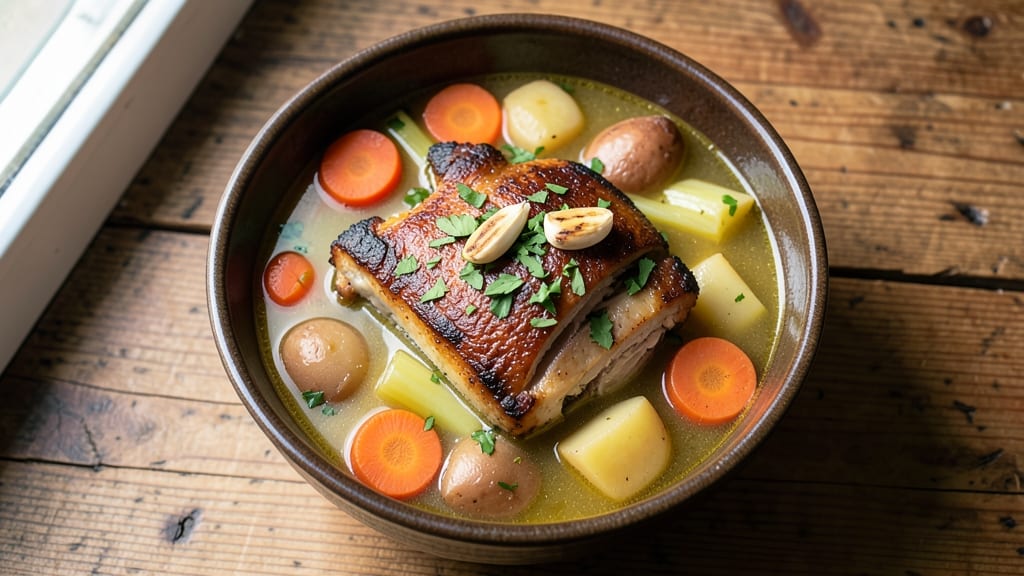
Avila's chicken soup recipe brings comfort to any table with its rich, herbed broth and tender chicken—perfect for healing and homestyle gatherings. This traditional recipe transforms simple ingredients into a deeply flavorful dish that warms both body and soul.
The secret lies in slow simmering and fresh herbs, creating a broth that's aromatic and nourishing.
What sets this soup apart is its balanced blend of savory chicken, hearty vegetables, and fragrant herbs like parsley and thyme. The recipe emphasizes clarity in the broth while maintaining a velvety texture, ensuring every spoonful delivers both flavor and satisfaction.
Whether you're following a classic Spanish/Avilés-style approach or adapting it to your preferences, the result is always comforting.
By the time you serve this soup, you'll have a dish that's tender, aromatic, and packed with layers of flavor—ideal for cold days or when you need a meal that feels like home.
The slow cooking process ensures the chicken is perfectly tender, while the vegetables retain their natural sweetness and texture. Garnish with fresh herbs to elevate both presentation and taste.
Pair this soup with crusty bread or a simple green salad to complete the meal. The recipe scales easily, making it perfect for feeding a family or sharing with neighbors. Here's how to create this homestyle classic in your own kitchen.
Ingredients for avila's chicken soup
Simple, hearty ingredients that transform into Avila's comforting, aromatic chicken soup.
| Ingredient | Amount | Notes |
|---|---|---|
| Chicken Thighs 🍗 | 2 ½ lb | Bone-in, skin-on preferred |
| Carrots 🥕 | 4 medium | Peeled, cut into chunks |
| Yellow Onion 🧅 | 1 whole | Diced, yellow or white |
| Celery Stalk 🥬 | 3 whole | Chopped, fresh preferred |
| Garlic Cloves 🧄 | 6 cloves | Peeled, minced |
| Russet Potatoes 🥔 | 2 lb | Peeled, cubed |
| Fresh Parsley 🌿 | ¼ cup | Chopped, stems removed |
| Fresh Thyme 🌿 | 1 tbsp | Leaves only, fresh preferred |
| Bay Leaves 🍃 | 2 whole | Dried, standard size |
| Olive Oil 🫒 | ¼ cup | Extra-virgin, for sautéing |
| Chicken Broth 💧 | 8 cups | Low-sodium preferred |
| Salt 🧂 | 1 ½ tsp | Kosher or sea salt |
| Black Peppercorns 🌶️ | ½ tsp | Freshly ground |
| Lemon Juice 🍋 | 1 tbsp | Freshly squeezed |
The chicken thighs are key here—they stay tender and flavorful during the long simmer. Look for bone-in, skin-on pieces at your local butcher or grocery store's meat counter. Costco often has great deals on family packs, but any reputable supermarket will carry them. Avoid pre-cut, pre-seasoned pieces—they can muddy the broth. For the carrots, organic ones from the produce section have better flavor, but conventional works too. The potatoes should be firm and starchy—Russets are ideal, but Yukon Golds add creaminess if you prefer.
No fresh thyme? Dried works at one-third the amount, but fresh is ideal. The parsley can be dried too, but it loses some of its bright flavor. Running low on chicken broth? Vegetable broth plus a splash of soy sauce gets you close. For the potatoes, if you can't find Russets, red potatoes work too—they hold their shape better. The bay leaves are non-negotiable though; they add that classic herbal depth. If you're short on time, pre-chop the vegetables while the chicken simmers—they cook quickly at the end.
This soup tastes even better the next day as flavors meld. Store in an airtight container in the fridge for up to 5 days. For longer storage, freeze portions for 3 months. I like to portion it into 2-cup servings so it's ready for quick lunches. The broth can be made ahead too—just store it separately and add the cooked chicken and veggies later. Garnish with fresh parsley right before serving to keep that vibrant touch.
Why You'll Love This Recipe
- No Chopping Chaos: I swear by this recipe—just rough-chop the onions, celery, and carrots (no fancy dicing). The garlic gets minced fast, and the chicken thighs? Toss them in whole or cut them once if you’re feeling fancy. Honestly, my board looks like a crime scene, but the soup still tastes like a hug.
- Thighs Win Always: Those juicy chicken thighs stay tender while the edges get just crispy enough—no dry, sad meat here. The fat renders into the broth, making it rich without needing extra oil. I’ll be real: I’ve tried breast, but thighs? They’re the MVP of this soup.
- Leftovers That Beg: This soup only gets better the next day—flavors meld, broth deepens, and the carrots soften into sweet perfection. I freeze half the batch because my kids demand it for school lunches (yes, even on a Tuesday). Packed with protein and veggies, it’s my go-to for lazy mornings.
- Weeknight Magic: Throw everything in one pot, simmer, and forget it. No stirring every five minutes, no fancy techniques—just 45 minutes of hands-off cooking. Between us, this is the recipe I pull out when I’ve had enough of “adulting” for the day. Simple. Reliable. Exactly what you need.
Step-by-step instructions for Avila's chicken soup
This homestyle soup delivers rich, comforting flavors with fresh herbs and tender chicken.
Sear the Chicken Thighs for Deep Flavor
Heat the 0.25 cup olive oil in a large Dutch oven over medium-high heat until shimmering. Pat the 2.5 lb chicken thighs completely dry with paper towels—this ensures a proper sear. Working in batches if needed, add the chicken thighs skin-side down and cook undisturbed for 6-8 minutes until the skin is deep golden brown and crispy.
Flip the thighs and cook for another 4-5 minutes until the internal temperature reaches 165°F. Remove the chicken from the pot and set aside. The browned skin will release into the pot, forming a rich foundation for your soup. Don't wipe out the pot—those flavorful bits are essential for building depth.
Sauté the Vegetable Base
In the same Dutch oven, add the diced yellow onion, chopped celery stalk, and peeled, cubed russet potatoes. Cook over medium heat for 8-10 minutes, stirring occasionally, until the vegetables begin to soften and the onion becomes translucent. This step develops their natural sweetness and removes excess moisture.
Add the peeled, minced garlic cloves and cook for 30 seconds until fragrant. Stir in the 2 whole bay leaves and 1 tbsp fresh thyme leaves, letting them toast briefly for 1 minute. This aromatic blend will infuse the entire soup with herbal brightness. If the vegetables stick, add a splash of chicken broth to deglaze.
Simmer the Soup Until Tender
Pour in the 8 cups chicken broth and bring to a gentle boil. Return the seared chicken thighs to the pot, skin-side up. Reduce heat to low and cover partially, leaving a small gap for steam to escape. Simmer for 30-35 minutes until the chicken is fork-tender and the potatoes are easily pierced with a knife.
Check for doneness by gently lifting a potato—it should collapse easily when pressed. The broth should now be infused with rich, savory flavors. If the soup seems too thick, add ½ cup water to reach your desired consistency. Avoid over-simmering, as this can make the chicken dry.
Finish with Fresh Herbs and Brightness
Remove the chicken thighs from the pot and let them rest on a cutting board for 5 minutes. Once cool enough to handle, shred the meat using two forks, discarding any bones or skin. Return the shredded chicken to the pot and stir in the 0.25 cup chopped fresh parsley and 1 tbsp fresh lemon juice. Season generously with 1.5 tsp salt and 0.5 tsp freshly ground black peppercorns.
Taste and adjust seasoning—this is where the soup comes together. The lemon juice brightens the dish, cutting through the richness of the chicken and herbs. If the broth tastes flat, add a pinch more salt or a splash of lemon juice. Serve immediately, garnished with extra parsley, for the most vibrant flavors.
Pro Tips For Making Avila'S Chicken Soup
- Brown the Thighs Hard: Don’t just sear them—get those chicken thighs deep golden, even if it takes 8-10 minutes. I learned this the hard way: undercooked skin means bland broth. Use medium-high heat and flip once; let the fat render slowly. The extra effort makes the soup taste like it simmered all day.
- Chop Celery Like a Pro: Skip the rough dice—slice the celery stalk into thin half-moons (¼-inch thick) instead. It cooks faster, blends into the broth better, and won’t turn to mush. (Yes, it looks weird, but trust the process.) This keeps the texture bright and the flavor balanced with the carrots.
- Salt the Water Generously: The broth starts in the pot, not just the seasoning at the end. Add 1½ teaspoons of salt to the water before the chicken goes in—it penetrates the meat and carrots while they simmer. I used to skimp, and the soup always tasted flat until I fixed this.
- Strain for Clarity: After simmering, strain the broth through a fine-mesh sieve lined with cheesecloth. It removes stray bits of celery and onion that muddy the flavor. (I know, it’s extra work, but the difference is night and day.) Save the solids for another use—like a quick stir-fry or frittata.
Troubleshooting great avila's chicken soup
Broth Too Cloudy?
If your broth looks murky after simmering, it’s likely from starch released by the potatoes or overcooked vegetables. To fix this, strain the soup through a fine-mesh sieve or cheesecloth into a clean pot, then return the solids to the broth for another 10 minutes of gentle simmering.
For extra clarity, skim excess fat from the surface with a fat separator spoon or chilled spoon before serving. 💧
Chicken Not Tender?
Overcooked chicken is the most common issue—it happens when simmering too long or at too high a temperature. To prevent this, always use a meat thermometer and remove the thighs when they reach 165°F internal temperature.
For extra tenderness, add 1 tsp apple cider vinegar to the broth while simmering, which helps break down collagen in the chicken. If you’ve already overcooked it, shred the meat finely and add a splash of chicken broth to keep it moist.
Vegetables Overcooked?
Potatoes and carrots can turn mushy if left too long in the broth. To avoid this, add them only 15 minutes before the chicken is done. For a creamier texture, partially cook the potatoes in boiling water for 5 minutes before adding them to the soup.
If your veggies are already too soft, blend a portion of the soup (without the chicken) until smooth to create a velvety base, then stir it back in.
Flavor Too Mild?
A lackluster flavor often means the herbs or seasoning needs a boost. Taste the broth before adding the chicken—if it’s bland, stir in 1 extra bay leaf or ½ tsp smoked paprika while simmering.
For brightness, add 1 tbsp fresh lemon juice or a pinch of fish sauce (just ½ tsp) at the end. If the soup still tastes flat, simmer it uncovered for 5-10 minutes to concentrate the flavors.
Skin Not Crispy?
If the chicken skin isn’t golden and crispy, it likely didn’t sear long enough. To fix this next time, pat the thighs extra dry and sear them skin-side down for 8-10 minutes until deeply browned.
For already-cooked soup, broil the chicken skin under a preheated broiler for 2-3 minutes until crispy again. A quick fix is to top the soup with toasted breadcrumbs or crushed potato chips for crunch.
Soup Too Thick?
If your soup is too thick, it’s probably from the potatoes releasing starch. Thin it out by adding ½ cup warm water or broth at a time, stirring well after each addition.
For a creamier texture without thinning, blend 1 cup of the soup (with veggies) until smooth, then stir it back in. Avoid adding cold liquid directly—always use warm to prevent shocking the broth and separating the flavors.
Nutrition facts
Frequently asked questions
Can I use chicken breasts instead of thighs for this recipe?
Chicken breasts will work, but thighs are ideal for this soup because they stay moist and flavorful during the long simmer. If using breasts, cut them into 1-inch pieces and reduce simmering time to 20-25 minutes to prevent drying out. For extra tenderness, marinate the breasts in 1 tbsp olive oil, 1 tsp lemon juice, and ½ tsp salt for 30 minutes before cooking.
How can I make this soup vegetarian?
Swap the chicken for 1.5 cups cooked chickpeas or lentils and use vegetable broth instead of chicken broth. Add 1 tbsp soy sauce or miso paste for umami depth. For a heartier texture, include ½ cup diced mushrooms and 1 tbsp tomato paste when sautéing the vegetables. Garnish with fresh parsley and a squeeze of lemon to keep it bright.
What’s the best way to reheat leftovers?
Reheat gently on the stove over low heat for 5-7 minutes, stirring occasionally, until warmed through. Avoid microwaving as it can make the broth watery. For extra flavor, add 1 tbsp fresh lemon juice or a splash of broth while reheating. Store leftovers in an airtight container in the fridge for up to 5 days or freeze for 3 months.
Can I add noodles to this soup?
Add 1 cup egg noodles or small pasta during the last 10 minutes of simmering. For a lighter option, use ½ cup orzo or quinoa. Avoid adding noodles too early—they’ll absorb too much broth and become mushy. If using gluten-free pasta, check the package for the correct cooking time, as it may vary.
Why does my soup taste different from the recipe?
Flavor variations happen due to ingredient quality, water hardness, or cooking methods. Use low-sodium broth and adjust seasoning to taste. For richer flavor, toast the spices (like thyme and bay leaves) for 1 minute before adding broth. If the soup tastes bland, simmer uncovered for 5 minutes to concentrate flavors or add a pinch of smoked paprika.