
Soups & Stews
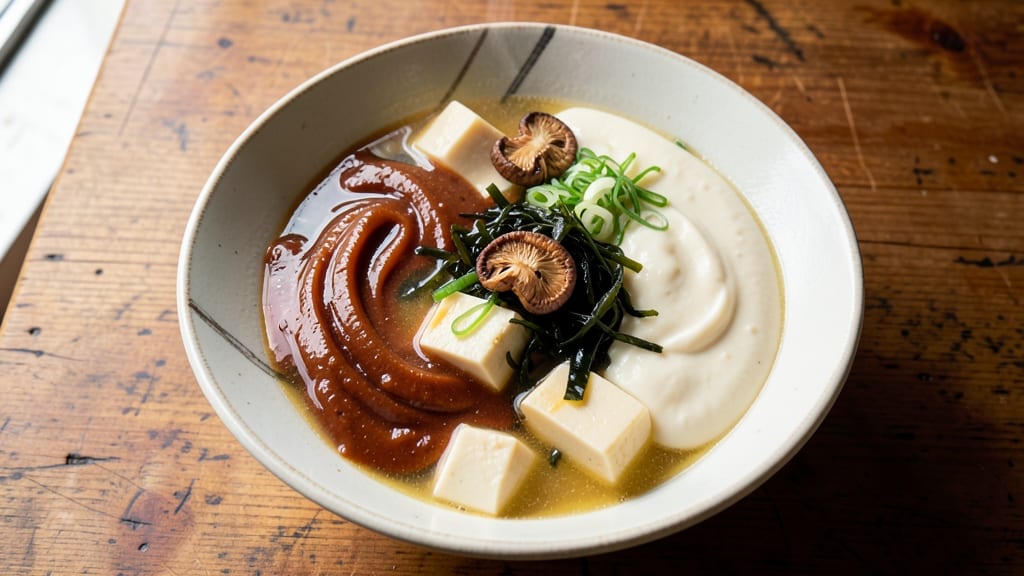
This awase miso soup recipe delivers the perfect balance of umami richness and delicate flavors in just 15 minutes—a comforting staple that bridges tradition and simplicity.
The secret lies in combining two miso pastes (red and white) for depth, while silky tofu and tender wakame create harmony in every sip. I’ve refined this technique over years, ensuring the broth stays velvety without overpowering the ingredients.
The foundation begins with dashi stock—traditional or vegetarian—simmered to extract maximum flavor, then tempered with miso paste dissolved in a ladle of hot broth. This method prevents clumping and preserves the paste’s natural complexity.
Tofu cubes and wakame add texture and body, while green onions provide a fresh finish that brightens each spoonful.
What you’ll achieve is a soup that’s both restaurant-quality and deeply comforting—silky broth, tender tofu, and layers of umami that linger. The miso’s earthy notes blend seamlessly with the dashi’s savory depth, creating a bowl that feels like a warm embrace.
Perfect for chilly evenings or as a light yet satisfying meal.
This recipe adapts effortlessly to dietary needs—swap fish-based dashi for kombu or shiitake broth for a vegetarian version, or adjust the miso ratio to suit your taste. The technique remains the same, ensuring every bowl delivers that perfect harmony. Let’s get started.
Ingredients for awase miso soup
Two miso pastes, silky tofu, and wakame—simple ingredients that create restaurant-quality harmony.
| Ingredient | Amount | Notes |
|---|---|---|
| White Miso Paste 🧂 | 2 tbsp | High-quality, smooth texture |
| Red Miso Paste 🌶️ | 1 tbsp | For deeper umami richness |
| Vegetarian Dashi Stock 🍃 | 3 cups | Kombu or shiitake-based preferred |
| Silken Tofu 🍲 | 8 oz | Firm, block-style preferred |
| Dried Wakame Seaweed 🌿 | ½ oz | Rehydrated in hot water |
| Green Onions 🧅 | 2 whole | Thinly sliced, white and green parts |
| Extra-Virgin Olive Oil 🫒 | 1 tsp | For tofu coating |
| Sesame Seeds 🌰 | 1 tsp | Toasted for garnish |
| Salt 🧂 | ¼ tsp | Adjust to taste |
| Water 💧 | 1 cup | For wakame rehydration |
The miso pastes are the heart of this soup—white for delicate sweetness and red for bold umami. Marukome or Honten brands are my go-to for authentic flavor, but any quality paste works. For the dashi, kombu-based vegetarian stock is ideal—simmer kombu sheets in water for 15 minutes, then remove. If you're short on time, Trader Joe's kombu dashi granules are a great shortcut. The silken tofu should be firm, not jiggly—Natto or House Foods brands are reliable. And wakame? Japanese specialty stores carry the best, but any dried seaweed will work if rehydrated properly.
No red miso? Double the white miso plus 1/2 tsp red pepper flakes mimics the depth. Short on wakame? Spinach or nori strips add color and texture. The tofu can be cubed or left whole—I prefer cubes for even cooking. For extra richness, add a dash of mirin or a pinch of sugar to the broth. And if you're using pre-made dashi, always simmer it first to deepen the flavor. The green onions? Fresh is best, but dried will work in a pinch—just rehydrate in warm water first.
This soup tastes even better the next day—store in the fridge for up to 3 days, reheating gently. For quick servings, prep the broth and tofu ahead, then assemble when ready. The wakame rehydrates in 5 minutes of hot water, so keep it in a separate container until serving. Garnish with sesame seeds right before eating—they add a nutty crunch that disappears as you sip. Freezes beautifully too—portion into containers for easy lunches.
Why You'll Love This Recipe
- Five-Ingredient Magic: I swear, this is the kind of soup where you measure, pour, and stir—no chopping, no fuss. The miso pastes do all the work, blending into that silky broth while the wakame soaks up flavor in seconds.
- Umami Bomb: That first spoonful? Chef’s kiss. The red miso adds a deep, almost caramelized richness, while the white keeps it bright and clean—like a perfect balance of smoky campfire and fresh ocean breeze.
- Weeknight Superstar: Between us, this is my go-to when I’m too tired to cook. It reheats beautifully, so I make a big batch on Sundays and sip it all week—hot or cold, it’s always welcome.
- Budget-Friendly Staple: Dried wakame and miso paste last forever, and tofu stretches into meals for days. Honestly, I’ve fed a houseful of people with one bag of each—minimal cost, maximum satisfaction.
Step-by-step instructions for awase miso soup
Here's how to create a perfectly balanced awase miso soup with rich layers of umami and silky texture.
Rehydrate the Wakame Seaweed
Place the 0.5 oz dried wakame seaweed in a small heatproof bowl. Pour the 1 cup water over it and let it soak for 5 minutes. You'll see the wakame unfurl and soften dramatically—this is when it releases its oceanic sweetness and mineral richness. After soaking, gently squeeze out any excess water while keeping the wakame intact.
I like to use a fine-mesh strainer for this step to remove any debris that might have been in the dried seaweed. The wakame should now be tender but still hold its shape—this texture contrast makes the soup truly special. Set it aside for now; we'll add it back later when the soup is ready.
Prepare the Tofu and Aromatics
Cut the 8 oz silken tofu block into ½-inch cubes—this size gives you the perfect balance of bite and creaminess. Arrange them on a plate and lightly drizzle with the 1 tsp extra-virgin olive oil, then gently toss to coat. This creates a subtle barrier that prevents the tofu from absorbing too much of the miso broth later.
While the tofu soaks up the oil, thinly slice the 2 whole green onions, separating the white and green parts. The whites will cook down and add depth, while the greens will provide fresh color and crunch at the end. Keep them separate for now—we'll add the whites to the soup and reserve the greens for garnish.
Create the Miso Paste Mixture
In a small bowl, combine the 2 tbsp white miso paste and 1 tbsp red miso paste. Using a fork or small spatula, gently stir until fully blended—you want to create a smooth, cohesive paste without any streaks. The red miso adds a deeper, slightly sweeter umami that pairs beautifully with the lighter white miso.
Here's the thing—never use metal utensils with miso paste as they can react with the alkaline paste. The mixture should be thick but spreadable, like a rich peanut butter. Set this aside; we'll add it to the hot broth just before serving to preserve its delicate flavors.
Assemble and Simmer the Soup
In a small saucepan, bring the 3 cups vegetarian dashi stock to a gentle simmer over medium heat. Once it reaches a steady bubble, reduce the heat to low—you want to maintain a gentle simmer, not a rolling boil, to prevent the broth from becoming cloudy. Add the rehydrated wakame and the white parts of the green onions.
Let the soup simmer for 3-4 minutes until the wakame is fully tender and the broth has warmed through. Taste and adjust seasoning with the 0.25 tsp salt if needed—remember, the miso paste will add significant saltiness, so go easy here. The broth should be warm but not boiling when you add the miso.
Finish and Serve with Perfect Garnish
Remove the pan from heat and let it cool slightly for 1 minute. Then, using a small whisk or fork, gently stir in the miso paste mixture until fully dissolved. The soup should take on a beautiful, glossy sheen as the miso emulsifies with the broth. Add the tofu cubes and let them warm through for 1-2 minutes—just enough to heat them gently without breaking them apart.
Ladle the soup into bowls and garnish immediately with the toasted 1 tsp sesame seeds and the reserved green onion tops. The contrast of textures—silky broth, tender tofu, crisp wakame, and fresh greens—is what makes this soup truly special. Serve while hot for the ultimate umami experience!
Pro Tips For Making Awase Miso Soup
- Bloom Wakame First: Dump dried wakame into cold water for 5 minutes before adding to the broth—it softens faster and absorbs flavor better. I used to toss it in hot stock and end up with chewy, underwhelming strands every time.
- Balance Miso Ratios: Start with 2:1 white to red miso (e.g., 2 tbsp white, 1 tbsp red) and adjust to taste—red miso’s saltiness can overpower if you’re not careful. My first batch turned out too salty because I eyeballed it.
- Heat Stock Low: Warm the dashi to a bare simmer (just small bubbles breaking the surface) before dissolving miso—boiling kills the probiotics and makes the soup bitter. Think "gentle hum," not "rolling boil."
- Cube Tofu Thick: Cut silken tofu into 1-inch cubes so they hold shape when added last—thin slices turn to mush. I learned this after watching my grandmother’s perfectly firm tofu dissolve into a sad, watery puddle.
Best sauces and condiments for this dish
Umami Boosters
Elevate your awase miso soup with these umami-rich additions. A splash of 1 tbsp soy sauce or 1 tsp fish sauce (if using traditional dashi) deepens the savory profile without overpowering.
For extra complexity, stir in ½ tsp grated ginger or 1 tsp mirin into the hot broth before adding miso—this balances the earthiness beautifully. 🌟
Texture Contrasts
Experiment with textures to make each spoonful exciting. Try adding ¼ cup thinly sliced shiitake mushrooms (rehydrated if dried) for an earthy chew, or ½ cup baby spinach that wilts gently in the hot broth.
For crunch, top with toasted nori strips or crispy fried shallots—these add a satisfying contrast to the silky tofu and wakame.
Sweet-Savory Balance
Adjust the sweetness to complement your miso. A drizzle of 1 tsp honey or ½ tsp maple syrup in the broth enhances the red miso’s natural sweetness. For a more complex flavor, add ½ tsp grated daikon radish>—it caramelizes slightly in the hot broth, adding a subtle sweetness.
Taste as you go; the goal is harmony, not overpowering the umami.
Herbaceous Finishes
Fresh herbs brighten the soup’s depth. A sprinkle of chopped parsley or cilantro adds a fresh, almost citrusy note that cuts through the richness. For a Japanese-inspired finish, use shiso leaves>—their minty aroma pairs wonderfully with miso. Add herbs just before serving to preserve their vibrant flavors and textures.
Spicy Kick
For heat lovers, add a pinch of red pepper flakes or a few drops of chili oil> to the broth. Start with ¼ tsp>—you can always add more. If you’re using red miso, this enhances its natural warmth.
For a smoother heat, blend 1 tsp gochujang (Korean chili paste)> into the miso paste before dissolving it in the broth.
Dairy Twists
Surprisingly, a touch of dairy can round out the flavors. Stir in 1 tbsp coconut milk> or ½ tsp cream cheese> into the hot broth just before serving—this adds a subtle creaminess that balances the saltiness.
For a richer version, top with a dollop of whipped cream> or crumbled feta>, but keep it minimal to avoid overwhelming the delicate miso flavors.
Nutrition facts
Frequently asked questions
What's the difference between awase miso and regular miso soup?
Awase miso soup stands out because it combines both white and red miso pastes—white for delicate sweetness and red for deeper umami. Regular miso soup typically uses just one type. The blend creates a more complex flavor profile with a subtle sweetness that regular miso lacks. This technique originated in Kyoto to showcase seasonal ingredients.
Can I make this soup without dashi stock?
For a vegetarian version, use kombu (dried kelp) broth or substitute with shiitake mushroom broth. If you're short on time, even a well-seasoned vegetable broth works—just add ½ tsp soy sauce and ¼ tsp sugar to mimic dashi's depth. The key is maintaining that savory base that complements the miso.
Why does my miso paste clump when added to hot broth?
This happens when you add miso directly to boiling water. Always dissolve the paste in a ladle of hot broth first, then stir it into the soup while off heat. The miso's alkaline nature reacts with boiling water, causing clumping. For extra smoothness, whisk the miso mixture vigorously before adding it to the broth.
How do I adjust the spice level if I don't like red miso?
Skip the red miso and use 2.5 tbsp white miso plus ½ tsp red pepper flakes for heat. For a milder version, reduce the white miso to 1.5 tbsp and add ½ tsp mirin to balance the flavor. The key is maintaining the same total amount of miso paste to keep the soup's characteristic depth.
Can I prepare awase miso soup ahead of time?
Yes! Store the broth separately from the tofu and wakame in airtight containers. Reheat the broth gently, then add the miso paste just before serving. The tofu and wakame can be added immediately before eating to maintain their texture. This soup actually tastes better the next day as the flavors meld together—just give it a quick stir before reheating.