
Soups & Stews
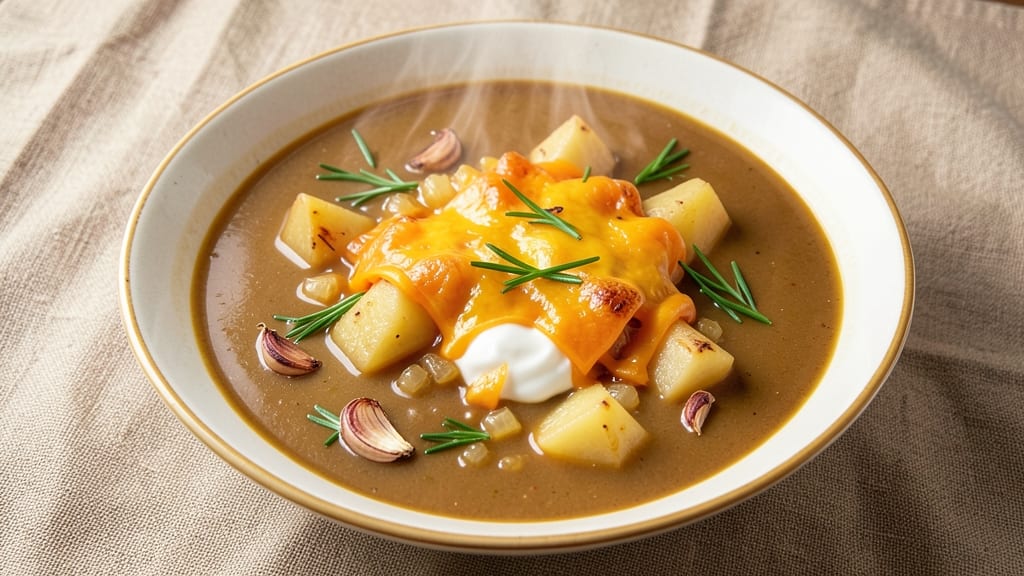
This stove-top baked potato soup delivers all the creamy, cheesy comfort of oven-baked versions—without needing an oven. The secret lies in slow-simmering potatoes until they break down into velvety perfection, then blending just enough for that signature texture.
I developed this recipe during a particularly chilly week when my oven was occupied, and it became an instant weeknight favorite that still appears on my dinner rotation today.
The beauty of this method is its simplicity: one-pot, minimal prep, and no blending required if you prefer rustic chunks. Start by sautéing onions and garlic until fragrant, then add diced potatoes, broth, and seasonings.
Let it simmer until the potatoes are fork-tender—about 20-25 minutes—before stirring in cream and cheese for that signature richness. The key is patience; rushing causes lumps or a watery soup.
What you'll end up with is a soup that's creamy but not heavy, with tender potato pieces swimming in a flavorful broth. The aroma alone will have everyone gathering around the stove, and each spoonful delivers that perfect balance of savory, cheesy goodness.
Top with crispy bacon, green onions, or a dollop of sour cream for extra indulgence.
This recipe scales beautifully—double the batch for leftovers that reheat perfectly—and works with either cheddar or cream cheese for different flavor profiles. Whether you're feeding a family or meal prepping for the week, this stove-top version proves comfort food doesn't require an oven. Let's get cooking!
Ingredients for baked potato soup recipe stove top
Six simple ingredients transform into velvety, cheesy comfort—no oven needed.
| Ingredient | Amount | Notes |
|---|---|---|
| Yellow Onions 🧅 | 1 ½ whole | Medium-sized, diced finely |
| Garlic Cloves 🧄 | 4 cloves | Peeled, minced for aroma |
| Russet Potatoes 🥔 | 3 lb | Yukon Gold or red preferred |
| Chicken Broth 💧 | 6 cups | Low-sodium preferred |
| Heavy Cream 🥛 | 1 cup | Full-fat for richness |
| Sharp Cheddar Cheese 🧀 | 1 ½ cups | Shredded, aged for flavor |
| Salt 🧂 | 1 ½ tsp | Diamond Crystal preferred |
| Black Pepper 🌶️ | ½ tsp | Freshly ground preferred |
| Dried Thyme 🌿 | 1 tsp | Or 1 tbsp fresh thyme |
| Butter 🧈 | 3 tbsp | Unsalted, for sautéing |
| Green Onions 🧅 | ¼ cup | Chopped, for garnish |
| Sour Cream 🥛 | ½ cup | Full-fat, optional topping |
The potatoes are the heart of this soup, so pick firm, starchy russets—they break down beautifully. Yukon Golds work too, but russets hold up better during simmering. I always grab a 3-pound bag from the grocery store's organic section—they're consistently good quality. If you're prepping ahead, peel and cube them while you're cooking other things; they'll keep in water in the fridge for 2 days. The key is even-sized pieces—about 1.5-inch cubes—so they cook uniformly. No need to parboil; the long simmer does all the work.
No heavy cream? Half-and-half or coconut milk works in a pinch, though the texture won't be quite as rich. The cheese is where you can get creative—Gruyère or Monterey Jack add depth, while cream cheese makes it extra velvety. Short on thyme? Dried rosemary at half the amount gives a different but lovely twist. The broth matters too: Homemade is best, but even the low-sodium store-bought stuff works if you add an extra pinch of salt. For extra indulgence, stir in crispy bacon bits at the end—Trader Joe's has pre-cooked ones that are a game-changer.
This soup tastes even better the next day as flavors meld. Store leftovers in an airtight container for 4-5 days in the fridge, or freeze for 3 months—it reheats beautifully. I like to portion mine into meal-prep containers with a dollop of sour cream on top; just microwave for 2-3 minutes to revive the creaminess. For serving, keep the garnishes separate—green onions, extra cheese, and bacon stay fresh longer that way. The soup itself keeps well in the pot for 3 days if you reheat it gently on the stove.
Why You'll Love This Recipe
- No Chopping Chaos: I swear by this—just dice those onions and mince the garlic while the potatoes boil. No peeling fuss, no fancy techniques, and the Russets soften right in the broth. Honestly, the hardest part is waiting for the cream to melt in.
- Creamy-Garlicky Magic: That heavy cream swirled into warm broth? Pure satisfaction. The garlic cloves simmered low make every spoonful taste like a hug, and the onions caramelize just enough to add depth without overpowering. (Yes, even on a Tuesday night.)
- Lunch or Dinner Fix: Make a double batch—this soup keeps for days and reheats like a dream. Pack it for work or serve it at a casual dinner; the creamy texture and hearty potatoes make it feel special without the effort.
- Budget-Friendly Comfort: Russet potatoes and chicken broth stretch to feed four for under $10. The heavy cream adds richness without breaking the bank, and leftovers taste just as good cold the next day. My secret weapon for stretching grocery dollars.
Step-by-step instructions for creamy stovetop baked potato soup
This one-pot wonder delivers restaurant-style richness without oven fuss—just follow these simple steps.
Sauté Aromatics Until Golden and Fragrant
Melt the 3 tablespoons butter in a large Dutch oven or heavy pot over medium heat. Add the 1.5 whole yellow onions that you've finely diced and cook for 5-6 minutes, stirring occasionally, until they soften and become translucent. Here's where the magic starts—the onions should release their natural sweetness and begin to caramelize slightly at the edges.
Add the 4 cloves minced garlic and the 1 teaspoon dried thyme, stirring constantly for 30 seconds until the garlic becomes fragrant. Watch closely—garlic burns quickly, and you want that nutty aroma without any bitterness. This aromatic base forms the flavor foundation for your entire soup, so take your time here. The thyme adds an earthy depth that complements the potatoes beautifully.
Build the Potato and Broth Base
Add the 3 pounds russet potatoes that you've cut into 1-inch cubes to the pot. Stir to coat them evenly with the butter and aromatics. Pour in the 6 cups chicken broth, then bring everything to a gentle boil over medium-high heat. Once boiling, reduce the heat to medium-low, cover the pot, and let it simmer for 15-20 minutes until the potatoes are tender when pierced with a fork.
Here's the thing—russet potatoes break down beautifully in broth, creating that signature creamy texture without needing heavy cream right away. You'll know they're done when they collapse easily under gentle pressure. If you're using Yukon Gold or red potatoes, they'll be slightly more tender but still hold their shape a bit better. Resist the urge to peek under the lid during this time—every time you lift it, you lose heat and extend cooking time.
Blend Until Silky Smooth
Once the potatoes are tender, carefully transfer about half the soup mixture to a blender or immersion blender. Blend until completely smooth—you should end up with a velvety texture that coats the back of a spoon. This step is what transforms your soup from rustic to restaurant-quality. If using an immersion blender, blend directly in the pot for convenience, but be cautious of hot steam.
Return the blended portion to the pot and stir well. The soup should now have a luxurious, creamy consistency without needing excessive dairy. Taste and adjust seasoning with 1 teaspoon salt and ½ teaspoon black pepper—this is your chance to balance flavors before adding the cream and cheese. The soup should be rich but not overly salty, with the thyme's earthy notes still present.
Finish with Cream and Cheese
Stir in the 1 cup heavy cream and 1.5 cups shredded sharp cheddar cheese, letting the mixture come to a gentle simmer over low heat for 3-4 minutes. This allows the cheese to melt completely and the cream to integrate smoothly. You'll notice the soup becomes even more velvety and develops a beautiful, glossy sheen on top. The cheddar adds a sharp, tangy brightness that cuts through the richness of the cream.
Here's a pro tip: If the soup looks too thick, whisk in 1-2 tablespoons of hot chicken broth to reach your desired consistency. It should coat the back of a spoon but still be pourable. The combination of blended potatoes and cream creates that perfect balance of creaminess and body that makes this soup so comforting. Taste again and adjust seasoning if needed—sometimes the cheese needs a little extra salt to bring out its flavor.
Serve with Toppings and Enjoy
Ladle the soup into bowls and garnish each serving with 2 tablespoons chopped green onions and a dollop of ½ cup sour cream. The green onions add a fresh, bright contrast to the rich soup, while the sour cream provides a cool, tangy element that balances the heat. Serve immediately while hot—this soup tastes best fresh from the pot when all the flavors are at their peak.
For that final touch of comfort, I like to crack a little extra black pepper on top and offer crusty bread on the side. The contrast of the warm, creamy soup against cool bread is pure indulgence. This one-pot method means minimal cleanup and maximum flavor, proving that stovetop cooking can deliver oven-worthy results with just a little patience and attention to detail.
Pro Tips For Making Baked Potato Soup Recipe Stove Top
- COOK POTATOES FIRST: Peel and chop those Russets into ½-inch cubes before you even start the soup. Boil them for 10 minutes in salted water—this cuts down on the simmering time later and keeps them from turning to mush. (Yes, even if you’re impatient like me, resist the urge to skip this step.)
- SWEAT ONIONS LOW: After mincing the onions, cook them in a pot with a splash of broth on medium-low for 8-10 minutes until translucent. Too much heat and they’ll burn before the garlic gets a chance to sing. (I learned this the hard way—charred onions ruin the whole dish.)
- STIR IN CREAM LAST: Heat the heavy cream separately until it’s just warm (not boiling) before adding it to the soup. Pour it in slowly while stirring constantly—this prevents curdling and keeps the texture silky. (No one wants lumpy soup, trust me.)
- USE CHEAP BROTH: Skip the fancy broth here—store-brand chicken broth works just as well. The cream and potatoes will carry the flavor, and you’ll save money for the good stuff when you actually need it. (This isn’t the time to show off.)
Creative variations of this recipe
Cream Cheese Twist
Swap the sharp cheddar for 8 ounces cream cheese (about 2 cups shredded) and reduce the heavy cream to ½ cup. The cream cheese melts into a lusciously thick, velvety texture that's perfect for dipping bread.
I like to add ½ teaspoon smoked paprika for depth, and a pinch of nutmeg for warmth. This version feels extra indulgent but still maintains that comforting potato essence. 💛
Spicy Southwest Style
Transform your soup into a fiesta-worthy dish by adding 1 diced jalapeño with seeds (for heat) and 1 teaspoon ground cumin during the sauté step. Stir in 1 cup black beans (drained and rinsed) when blending, and top with ¼ cup chopped cilantro and 2 tablespoons crumbled cotija cheese.
A squeeze of lime brightens the flavors perfectly—this version tastes like a hug from the Southwest. 🌶️
Loaded Bacon Potato
For ultimate indulgence, crisp 6 slices bacon in a separate pan until crispy, then crumble and set aside. Fold the bacon into the soup during the final 3 minutes of simmering, along with ½ cup frozen corn (no need to thaw).
Top each bowl with extra bacon, a sprinkle of green onions, and a dollop of sour cream. The smoky, salty bacon elevates the soup to next-level comfort food status. 🥓
Vegetarian Mushroom Boost
Sauté 8 ounces sliced mushrooms (cremini or shiitake) with the onions for deeper umami flavor. Add 1 teaspoon soy sauce when blending to enhance the savory notes. Garnish with 2 tablespoons chopped parsley and a sprinkle of freshly cracked black pepper.
This version satisfies vegetarians while keeping the hearty, comforting essence of classic baked potato soup. 🍄
Slow Cooker Adaptation
Transfer all ingredients (except toppings) to a 6-quart slow cooker and cook on LOW for 6-7 hours or HIGH for 3-4 hours. The slow cooker creates an even creamier texture without blending—just mash a few potatoes with a potato masher before serving.
This hands-off method is perfect for busy days and yields a soup that's even more tender and flavorful. 🏡
Kid-Friendly Mild Version
For little ones, skip the blending step entirely and simply mash half the cooked potatoes with a fork in the pot. Reduce the cheese to 1 cup cheddar and omit any spicy toppings. Stir in ½ cup milk instead of heavy cream for a lighter texture.
Kids love the familiar potato flavor without the intensity, and you can still serve it with fun toppings like crushed potato chips or shredded carrots. 👶
Nutrition facts
Frequently asked questions
Can I make this soup without blending?
For a rustic version, simply mash half the cooked potatoes with a potato masher while still in the pot. This creates creamy pockets while keeping some texture. The soup will be heartier and more substantial, perfect for those who prefer chunky soups. Just add the cream and cheese at the end as directed.
Why did my soup turn out watery?
Watery soup usually happens when potatoes aren't cooked long enough to break down properly. Let them simmer uncovered for 5 extra minutes after they seem tender, or stir in 1-2 tablespoons cornstarch mixed with cold water to thicken. The key is patience—russet potatoes need 20-25 minutes of simmering to release enough starch for natural creaminess.
Can I use frozen potatoes instead of fresh?
Fresh potatoes work best for this recipe, but you can use frozen if needed. Thaw them first, then pat completely dry before dicing. Frozen potatoes release more moisture, so you may need to simmer them 5 minutes longer and reduce the broth by ½ cup to maintain proper consistency. The texture will be slightly different but still delicious.
How can I make this soup ahead of time?
This soup actually tastes better the next day! Store in an airtight container in the fridge for 4-5 days. Reheat gently on the stove over low heat, stirring occasionally, until warmed through. For the creamiest texture, add a splash of milk or cream when reheating. The flavors meld beautifully overnight, making it perfect for meal prep.
What's the best way to reheat leftovers?
Reheat on the stove over medium-low heat for 5-7 minutes, stirring frequently to prevent scorching. For microwave reheating, cover with a damp paper towel and heat in 1-minute intervals, stirring between each. Never microwave without covering—it causes skin to form on top. The gentle reheating preserves that velvety texture.