
Soups & Stews
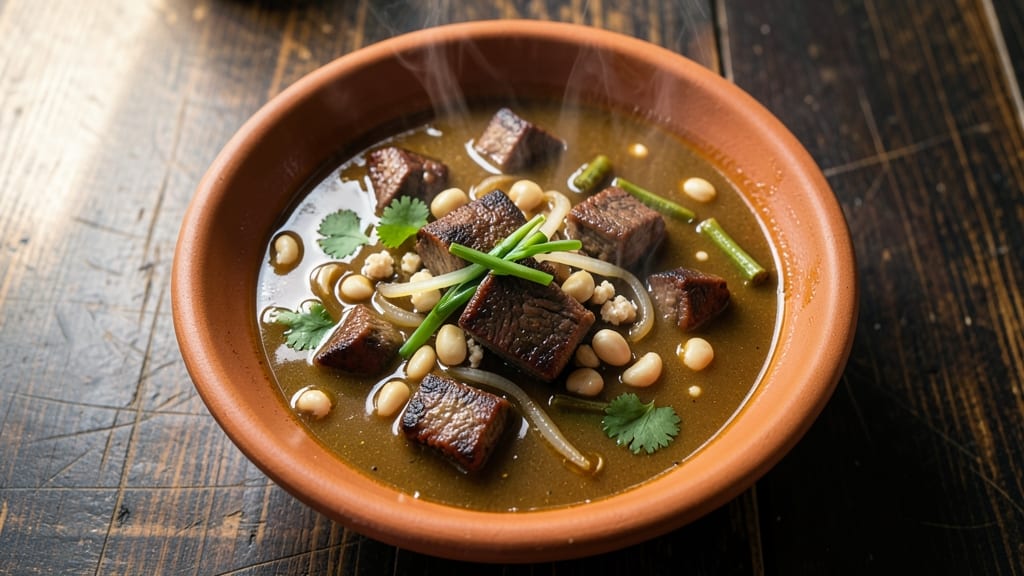
This Banga soup recipe Cameroon brings the heart of West African cuisine to your kitchen with its rich, smoky depth and tender meat. 🌟 The soul of Cameroonian cooking lies in this okra and peanut stew, where the nutty, earthy flavors of palm oil and ground peanuts blend seamlessly with tender fish or meat.
What sets Banga apart is its balance—creamy yet light, spicy yet comforting, and deeply satisfying in every spoonful.
The foundation of Banga begins with a fragrant broth infused with palm oil, garlic, and onions, then enriched with blended okra and peanuts for that signature creamy texture. The key to achieving tender meat lies in slow simmering, allowing the flavors to meld while keeping the protein succulent.
This dish isn’t just a meal; it’s a celebration of Cameroon’s culinary heritage, where every ingredient plays a role in creating harmony.
By the time you’re done, you’ll have a steaming pot of Banga that’s as visually appealing as it is delicious—golden from the palm oil, flecked with herbs, and brimming with chunks of perfectly cooked meat or fish.
The aroma alone will transport you to the bustling markets of Yaoundé, where this dish is a staple for gatherings and family meals.
Serve it with fufu, plantains, or steamed rice to soak up every last drop of that flavorful broth. This recipe is your gateway to authentic Cameroonian flavors—rich, comforting, and impossible to resist. Let’s get cooking!
Ingredients for banga soup recipe cameroon
Sixteen ingredients for a flavor-packed Banga that tastes like Cameroon's heart.
| Ingredient | Amount | Notes |
|---|---|---|
| Beef Chuck Roast 🥩 | 2 lb | Cut into 1.5-inch cubes |
| Dried Okra 🌿 | 1 cup | Soaked in warm water 1 hour |
| Peanuts 🥜 | 1 cup | Raw, unsalted, skinless |
| Palm Oil 🫒 | ½ cup | Red palm oil preferred |
| Onions 🧅 | 2 whole | Medium, chopped |
| Garlic Cloves 🧄 | 8 cloves | Minced |
| Fresh Ginger 🌿 | 2 tbsp | Grated, fresh |
| Scotch Bonnet Peppers 🌶️ | 2 whole | Seeds removed, chopped |
| Fresh Thyme 🌿 | ¼ cup | Chopped |
| Bay Leaves 🍃 | 2 whole | Dried |
| Salt 🧂 | 1 ½ tsp | Kosher or sea salt |
| Black Pepper 🌶️ | ½ tsp | Freshly ground |
| Vegetable Oil 🫒 | 2 tbsp | For browning meat |
| Water 💧 | 4 cups | For soaking okra |
| Tomato Paste 🍅 | 2 tbsp | For depth of flavor |
The beef is non-negotiable here—chuck roast stays tender while absorbing all those rich flavors. Costco or your local butcher usually have it pre-cubed, which saves time. For palm oil, African markets or specialty stores carry the real stuff—avoid the red-dyed vegetable oil substitutes. The peanuts? Raw, unsalted, and skinless—roast them lightly in a dry pan first to deepen their flavor. Okra can be dried or fresh; dried is easier to find and just as effective when soaked. Fresh ginger and scotch bonnet peppers are the secret to that signature heat and aroma—don't skip them.
No palm oil? Coconut oil at half the amount works in a pinch, though it won't be identical. Out of fresh thyme? Dried thyme at one-third the quantity gets you close. The scotch bonnet too spicy? Swap for jalapeños or habaneros—just adjust the seeds. For a vegetarian version, replace the beef with chickpeas or tofu. The tomato paste can be skipped if you're avoiding it, but it adds that umami depth that makes this dish sing. And if your peanuts are salted, rinse them well—you don't want to over-salt the whole pot.
This soup tastes even better the next day—make a double batch if you can. Store in the fridge for up to 5 days, or freeze portions for 3 months. The broth thickens as it cools, so add a splash of water when reheating. For serving, keep the meat warm in the broth and serve with fufu or steamed rice. The leftovers reheat beautifully—just stir in a little water if it's too thick. And if you're feeling fancy, garnish with extra chopped peanuts and fresh thyme before serving.
Why You'll Love This Recipe
- One-Pot Wonder: I swear by this—just a heavy pot, a few chopped onions, and the beef goes in whole (yes, you can even leave it on the bone). The okra thickens the broth naturally, so no slaving over a stove for hours.
- Rich, Nutty Magic: That palm oil gives it a deep, golden hue and a flavor you won’t find in everyday soups. The peanuts add crunch and a buttery richness that turns this into something special—like a hug in a bowl.
- Weeknight to Party: Honestly, it’s my go-to when I need to feed a crowd but don’t want to stress. Simmer it long, and it only gets better. Serve it with rice for a casual dinner or ladle it over fufu for a weekend feast—no judgment either way.
- Budget-Friendly Feast: Between us, this recipe stretches a beef roast into three meals without breaking the bank. The dried okra and peanuts are cheap staples, and the leftovers? Even better the next day—if there are any. (Spoiler: There won’t be.)
Step-by-step instructions for Banga soup Cameroon
Here's how to craft this rich, smoky stew with melt-in-your-mouth meat.
🔥 Step 1: Sear the Beef for Deep Flavor
Heat the 2 tablespoons vegetable oil in a large pot over medium-high heat until shimmering. Add the 2 lb beef chuck roast cut into 1.5-inch cubes and sear for 5-7 minutes, turning occasionally, until the meat develops a deep brown crust. This step builds the foundation for your soup's rich flavor.
Don't overcrowd the pot—work in batches if needed. You're looking for a good sear, not fully cooked meat. Once browned, remove the beef and set it aside on a plate. The meat will finish cooking later in the simmering liquid.
🍳 Step 2: Build the Flavor Base with Aromatics
In the same pot, add the 0.5 cup palm oil and swirl to coat the bottom. Add the 2 chopped onions and cook for 5 minutes until softened and golden. Stir in the 8 minced garlic cloves, 2 tablespoons grated fresh ginger, and 2 chopped Scotch bonnet peppers (seeds removed). Cook for another 2 minutes until fragrant.
Here's where the magic happens: add the 2 tablespoons tomato paste and stir vigorously for 1 minute to toast it slightly. This creates a deep, caramelized flavor that forms the backbone of your soup. Don't skip this step—it's what gives banga its signature richness.
🥘 Step 3: Simmer the Okra and Peanuts
Add the 1 cup soaked dried okra (drained), 1 cup raw peanuts, 0.25 cup chopped fresh thyme, 2 bay leaves, 1.5 teaspoons salt, and 0.5 teaspoon black pepper to the pot. Pour in 4 cups water and bring to a gentle boil over medium heat.
Once boiling, reduce heat to low and let it simmer uncovered for 30 minutes. You'll notice the okra releases its natural slime, which thickens the soup beautifully. Stir occasionally to prevent sticking, but don't over-stir—you want those peanuts to soften naturally.
🔪 Step 4: Finish with Tender Meat
Return the seared beef to the pot and increase heat to medium-low. Let it simmer uncovered for 1.5 to 2 hours until the meat is fork-tender. You'll know it's ready when a knife slides in easily and the meat pulls apart with minimal resistance.
Taste and adjust seasoning if needed—sometimes the Scotch bonnet peppers need a little more salt to balance their heat. The soup should have a thick, velvety consistency with the okra's natural sliminess and the peanuts adding their signature nuttiness.
⏰ Step 5: Rest and Serve
Remove the pot from heat and let the soup rest for 10 minutes. This allows all the flavors to meld together beautifully. Skim off any excess fat that rises to the surface if desired, though many traditionalists leave it for extra richness.
Serve the banga soup hot, traditionally with fufu, garri, or plantains. The tender beef should pull apart easily, the okra should be soft but still slightly textured, and the peanuts should be creamy rather than crunchy. Each spoonful should deliver that perfect balance of smoky, spicy, and nutty flavors that make this dish so special.
Pro Tips For Making Banga Soup Recipe Cameroon
- SEAR THE BEEF FIRST: Banga soup isn’t just a stew—it’s a layered flavor bomb, and skipping the sear means missing the deep, caramelized base. Slice the beef chuck into 1-inch chunks, pat them dry, then hit a screaming-hot pot with oil (palm oil works, but vegetable oil works too) until every piece gets a dark crust. I used to rush this, and the soup always tasted flat until I learned to walk away and let it brown properly.
- SOAK DRIED OKRA: That gummy, undercooked okra texture? It’s a dealbreaker. Toss your dried okra in warm water for at least 20 minutes before adding it to the pot—this plumps it up and chops it down. After soaking, give it a quick rinse and rough chop (no need to be precise). Trust me, your soup will thank you when it dissolves into creamy, silky strands instead of stubborn clumps.
- CONTROL THE PEANUTS: Peanuts in banga soup aren’t just garnish—they’re the texture contrast that makes the dish. Toast them separately in a dry pan over medium heat until they’re golden and fragrant (about 5 minutes), then crush about half of them into small bits. Add the whole peanuts at the end for crunch, but blend the crushed ones into the soup for thickness. Skipping this step means missing the perfect balance of creaminess and bite.
- LOW AND SLOW FOR THE BEEF: Chuck roast is forgiving, but banga soup demands patience. Once the beef is seared and the onions are soft, add just enough water to cover the meat, then simmer uncovered at a gentle bubble—no rolling boil. I’ve seen people crank the heat to speed things up, but that turns the beef tough. Aim for 2.5–3 hours, checking occasionally to add water if needed. The meat should fall apart when prodded with a fork.
Storing and reheating your banga soup recipe cameroon
Fridge Storage Tips
Let your Banga soup cool to room temperature (about 30-45 minutes) before transferring to airtight containers. I use glass Pyrex containers with tight-sealing lids to preserve flavors for up to 5 days.
The soup thickens as it cools, so add 2-3 tablespoons water when reheating to restore its creamy texture. 💫
Freezer-Friendly Method
For long-term storage, portion Banga into quart-sized freezer bags or airtight containers, leaving 1-inch headspace for expansion. Label with the date—it keeps quality for 3 months. Thaw overnight in the fridge before reheating. I find freezing works best when the soup is fully cooled and all meat is tender.
Reheating Like a Pro
Stovetop reheating gives the best results: transfer soup to a pot over medium-low heat and stir occasionally, adding ¼ cup water if needed. Bring to a gentle simmer for 10-15 minutes until heated through.
For microwave reheating, cover with a damp paper towel and heat in 1-minute intervals on 50% power to prevent overcooking the meat.
Reviving Texture
If your reheated Banga seems too thick, stir in 1-2 tablespoons water or beef broth to restore its velvety consistency. For extra richness, add a teaspoon of palm oil or a splash of coconut milk.
The peanuts and okra will soften further, but the meat should remain tender. This trick works wonders for leftovers that need a flavor boost! 🔥
Serving Leftovers
Banga tastes even better the next day—its flavors deepen as the spices meld. Serve with fufu or garri to soak up every last drop of that flavorful broth. For a quick lunch, pair with steamed jollof rice or fried plantains.
The key is keeping the meat warm in the broth until serving to maintain its tenderness.
Nutrition facts
Frequently asked questions
Can I substitute beef with another protein in Banga?
While beef is traditional, you can use chicken thighs (bone-in for flavor) or pork shoulder—both work beautifully. For seafood lovers, try firm white fish like snapper or tilapia (simmer for 10-12 minutes instead of hours). Just adjust cooking times to avoid overcooking delicate proteins.
Why does my Banga turn out too thin?
Thin Banga usually means the okra didn't release enough natural slime or the peanuts didn't soften properly. Try blending ½ cup of the cooked okra and peanuts with ¼ cup water before adding back to the pot. Simmer uncovered to thicken naturally—never add flour or cornstarch, as it changes the authentic texture.
What's the secret to authentic palm oil flavor?
Real red palm oil (not vegetable oil substitutes) gives Banga its signature smoky depth. If you can't find it, coconut oil works in a pinch (use half the amount), but the flavor will be milder. For extra richness, add 1 teaspoon smoked paprika when building your flavor base. The oil should coat the pot completely—don't skimp!
Can I make Banga without okra?
Yes, but the texture will be different. Replace okra with ½ cup blended pumpkin or butternut squash for creaminess, or add 1 tablespoon cornstarch mixed with water to thicken the broth. The peanut base will still shine, but okra's natural sliminess is what gives Banga its signature body.
How spicy should Banga be?
Traditional Banga has a moderate heat from Scotch bonnet peppers, but adjust to taste! Remove seeds for milder heat or keep them for extra kick. For non-spicy versions, swap peppers with bell peppers or mild jalapeños. Always taste as you cook—you can add more heat later, but you can't remove it!