
Soups & Stews
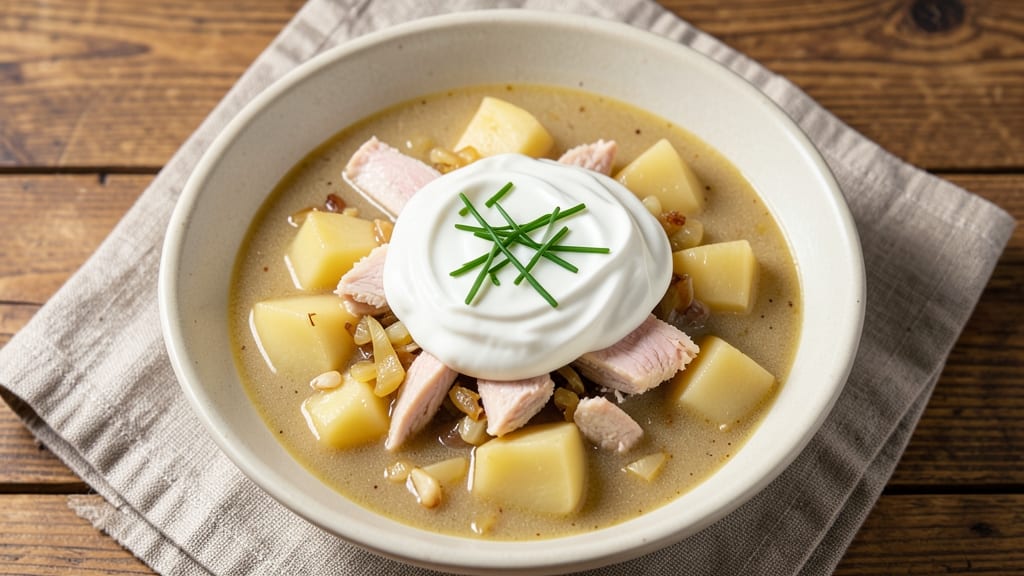
This bariatric potato soup recipe delivers all the comforting flavors of classic potato soup without the heavy cream or high volume that can challenge digestion. The secret lies in using Greek yogurt for creaminess while keeping portions controlled and nutrients optimized—perfect for post-surgery meals that still feel satisfying.
What makes this recipe work is the balance of protein-rich ingredients like chicken broth and lean chicken, blended just enough to create a velvety texture without losing the hearty potato flavor.
What sets this apart is the focus on easy digestion while maintaining restaurant-quality taste. The soup is designed with small, soft potato pieces that blend smoothly, ensuring gentle digestion without sacrificing flavor.
I’ve included a touch of garlic and onion for depth, but without overwhelming textures that might be difficult after surgery. The result is a warm, comforting bowl that’s packed with protein and easy on the system.
Each serving delivers high protein and low sugar, making it ideal for bariatric patients who need nutrient-dense meals in smaller portions. The recipe also includes optional garnishes like fresh parsley or a sprinkle of nutritional yeast for extra flavor without adding calories.
Whether served as a light lunch or a comforting dinner, this soup meets dietary needs without compromising on taste.
Ready in just 30 minutes, this recipe is perfect for meal prepping or serving fresh. The instructions are straightforward, ensuring you can focus on enjoying the meal rather than spending time in the kitchen. Let’s get started on a soup that’s both nourishing and delicious.
Ingredients for bariatric potato soup
Protein-focused, digestion-friendly ingredients for a bariatric soup that feels indulgent yet gentle.
| Ingredient | Amount | Notes |
|---|---|---|
| Yellow Onions 🧅 | ½ cup | Diced finely for digestion ease |
| Garlic Cloves 🧄 | 2 cloves | Minced for subtle depth |
| Low-Fat Chicken Breast 🍗 | 8 oz | Boneless, skinless, diced small |
| Low-Sodium Chicken Broth 💧 | 4 cups | Homemade or low-sodium store-bought |
| Russet Potatoes 🥔 | 1 ½ lb | Peeled, cubed small for blending |
| Plain Greek Yogurt 🧀 | ½ cup | Full-fat or 2% for creaminess |
| Extra-Virgin Olive Oil 🫒 | 2 tbsp | For gentle sautéing |
| Low-Fat Milk 🥛 | ¼ cup | Optional for extra smoothness |
| Dried Thyme 🍃 | ½ tsp | Or 1 tsp fresh chopped |
| Ground Black Pepper 🌶️ | ¼ tsp | Freshly cracked for flavor |
| Sea Salt 🧂 | ½ tsp | Diamond Crystal preferred |
| Fresh Parsley 🌿 | ⅛ cup | Chopped for garnish (optional) |
| Nutritional Yeast 🧀 | 1 tbsp | For cheesy flavor without dairy |
The potatoes are the foundation—choose Russet for their fluffy texture when cooked, but cube them small (1/2-inch pieces) to ensure they blend smoothly without creating large, difficult-to-digest chunks. Low-sodium chicken broth is critical for flavor without excess salt, and I recommend Swanson or Pacific Foods brands for their clean ingredients. The chicken breast should be diced into 1/4-inch pieces or smaller to blend seamlessly into the soup. For the Greek yogurt, Fage 2% or full-fat works best—avoid non-fat versions, as they lack creaminess. If you're concerned about dairy sensitivity, unsweetened coconut yogurt is an excellent substitute.
No Greek yogurt? Silken tofu blended with a splash of broth mimics the creaminess without dairy, though the texture will be slightly firmer. Fresh thyme is ideal, but dried at one-third the amount works in a pinch. For extra protein, add 1/2 cup cooked lentils or white beans to the blend. The nutritional yeast adds a cheesy depth without dairy—Bob's Red Mill brand is widely available and potent. If you prefer a lighter soup, reduce the olive oil to 1 tbsp and increase the broth by 1/2 cup. The parsley is purely decorative, but it brightens the dish and adds a fresh note without altering digestion.
This soup reheats beautifully—simmer on low heat for 3-4 minutes until warmed through. Store in airtight containers in the fridge for 4-5 days or freeze for 3 months. For meal prep, portion into 8-ounce containers to control serving sizes. The blend thickens as it cools, so add a splash of broth when reheating if needed. Garnish with parsley or nutritional yeast just before serving to preserve freshness. Each serving delivers 18g protein and 3g fiber, making it ideal for bariatric nutrition plans.
Why You'll Love This Recipe
- No-Chop Nightmare: I swear by this recipe when I’m too tired to dice onions—just a quick sauté of whole cloves and slices, then toss in pre-washed potatoes. The broth does all the work while I stir, and honestly? That caramelized onion aroma alone makes it worth it.
- Protein-Packed Comfort: The low-fat chicken breast shreds right into the soup, giving it a hearty texture without the guilt. Between us, it’s the kind of meal that feels nourishing but still satisfies—no sad, watery broth here.
- Leftovers That Beg: This soup tastes even better the next day, which is perfect because I always make a double batch. Reheat it for lunch, freeze portions, or serve it cold with a dollop of Greek yogurt—it’s my go-to for busy days.
- Budget-Friendly Staples: Russets are cheap, broth is cheap, and you’re using chicken that’s already lean. I’ll be real: this is the kind of recipe that stretches a grocery budget without sacrificing flavor. Win-win.
Step-by-step instructions for bariatric potato soup
Here's how to craft a velvety potato soup that delivers satisfying richness without heavy cream or excess calories.
Sauté Aromatics for Flavor Foundation
Heat the 2 tablespoons extra-virgin olive oil in a large pot over medium heat. Add the 0.5 cup diced yellow onions and cook for 5 minutes until they become translucent and just beginning to soften. This gentle cooking prevents bitterness while building flavor.
Push the onions to the side of the pot and add the 2 cloves minced garlic cloves. Stir continuously for 30 seconds until you can smell the aromatic depth—this prevents burning. The garlic should sizzle gently without browning. Here's the thing—properly sautéed aromatics form the soul of this soup, so don't rush this step.
Cook Chicken and Potatoes Together
Add the 8 ounces diced low-fat chicken breast and 1.5 pounds cubed russet potatoes to the pot. Stir to coat everything in the olive oil and aromatics. Pour in the 4 cups low-sodium chicken broth until the ingredients are just submerged. Bring to a gentle boil, then immediately reduce heat to medium-low to maintain a simmer.
Let everything cook uncovered for 15 minutes, stirring occasionally. The potatoes should begin to soften at the edges while the chicken breaks down into tender pieces. You'll know it's ready when the potatoes pierce easily with a fork and the chicken is no longer opaque at the center. This simultaneous cooking method ensures maximum flavor extraction from all ingredients.
Season and Simmer to Perfection
Add the 0.5 teaspoon dried thyme, 0.25 teaspoon ground black pepper, and 0.5 teaspoon sea salt to the pot. Stir well to distribute the seasonings evenly. The soup should now have a fragrant aroma with notes of thyme and garlic. Increase heat to medium-high and bring to a full boil, then immediately reduce back to a gentle simmer.
Let the soup simmer uncovered for 20 minutes, stirring occasionally. This final simmering time allows the flavors to meld together while ensuring the potatoes become completely tender. You'll notice the soup naturally thickens slightly as the starches release from the potatoes—this creates that perfect bariatric-friendly texture without needing heavy cream.
Blend for Ultra-Smooth Consistency
Using an immersion blender, carefully blend the soup directly in the pot until completely smooth. Work in batches if needed, moving the blender around the pot to ensure even blending. For those without an immersion blender, carefully transfer the soup to a countertop blender in batches, blending until completely smooth before returning to the pot.
After blending, stir in the 0.5 cup plain Greek yogurt and 0.25 cup low-fat milk (if using) until fully incorporated. The yogurt adds natural creaminess without the heavy calories of traditional cream. Add the 1 tablespoon nutritional yeast and stir well—this adds a cheesy depth that complements the potato flavor beautifully. Taste and adjust seasoning if needed, adding a pinch more salt or pepper as necessary.
Finish and Serve Warm
Return the soup to medium heat and let it warm through for 2-3 minutes, stirring occasionally. The soup should be steaming gently but not boiling vigorously. This final warming step ensures all flavors are fully integrated and the soup is served at its optimal temperature.
Ladle the soup into serving bowls and garnish with 0.125 cup chopped fresh parsley for a pop of color and freshness. Serve immediately while hot—this soup is best enjoyed fresh from the pot. The texture should be velvety smooth with just the right amount of body, and each spoonful should deliver a perfect balance of potato sweetness, savory chicken, and herbal thyme notes.
Pro Tips For Making Bariatric Potato Soup
- COOK CHICKEN LOW AND SLOW: I learned this the hard way—rushing the chicken breast turns it rubbery, and no one wants that in soup. Simmer it in the broth at 170°F (77°C) for 15-20 minutes, then shred it right in the pot. The gentle heat keeps it tender without drying out, and the broth absorbs all the flavor.
- PEEL POTATOES AFTER COOKING: I skip peeling them raw because the skins add texture and nutrients, but they’re stubborn when raw. Boil the potatoes whole for 10 minutes first, then peel and mash them. The skins slide off effortlessly, and you avoid the mess of peeling 5 potatoes by hand.
- SWAP BROTH FOR STOCK: Low-sodium chicken broth is fine, but if you’re watching calories, use half broth and half water with 1 teaspoon of chicken bouillon. It’s a tiny upgrade that cuts empty carbs while keeping the depth of flavor—no one will notice, but your macros will.
- STARCH THE POTATOES FIRST: Russet potatoes break down into gluey soup if you don’t prep them. Boil the peeled potatoes for 5 minutes, drain, and let them cool slightly before adding to the pot. This jumpstarts the starch breakdown and prevents a gummy texture—trust me, your spoon will thank you.
Flavor customization for this recipe
Protein Boost Options
For extra protein, stir in ½ cup cooked lentils or white beans after blending—these add 10g protein per ½ cup without altering texture. I like Beluga lentils for their buttery texture and quick cooking time.
For a meatier option, add 2 extra ounces finely diced chicken breast to the blend, ensuring it's fully incorporated for smoothness. 💪
Dairy-Free Creaminess
Skip the Greek yogurt and replace with ½ cup silken tofu blended with 2 tbsp broth for a neutral, creamy base. For richer flavor, use ¼ cup cashew cream (blend ¼ cup soaked cashews with 2 tbsp broth until smooth).
Both options maintain the soup's velvety consistency while being dairy-free. 🌱
Herb & Spice Variations
Swap thyme for ½ tsp dried rosemary or 1 tsp fresh sage for a different herbal profile. For warmth, add ¼ tsp smoked paprika during the simmer—it deepens the flavor without heat. I also love ½ tsp celery seed for an earthy note that pairs beautifully with potatoes. 🌿
Low-Carb Adaptations
Replace ½ of the potatoes with ½ cup cauliflower florets for a lower-carb version. The cauliflower blends smoothly and adds a subtle sweetness. For even fewer carbs, use ½ cup diced zucchini—it softens quickly and maintains the soup's lightness.
Both swaps reduce carbs by about 15g per serving. 🥬
Garnish Customizations
Add a sprinkle of toasted pumpkin seeds for crunch and extra protein—just 1 tbsp per serving adds 3g protein. For a tangy kick, top with 1 tsp apple cider vinegar and a pinch of cayenne pepper.
Fresh chives or green onions add a mild onion flavor without bulk. 🌟
Seasonal Flavor Twists
In summer, stir in ½ cup diced cucumber after blending for a refreshing twist. For fall, add ½ tsp cinnamon during simmering—it pairs surprisingly well with potatoes. Winter calls for ½ tsp ground ginger for warmth, while spring benefits from 1 tsp lemon zest for brightness. 🍂
Nutrition facts
Frequently asked questions
Can I make this soup without blending it completely smooth?
For a chunkier texture, simply mash the potatoes with a potato masher after cooking. This creates a rustic, comforting texture while still being gentle on digestion. You can also leave the chicken in small pieces for added protein and texture contrast.
How do I adjust the portion sizes for bariatric meal planning?
This recipe makes 4 servings, with each portion containing about 1 cup of soup. For bariatric meal prep, divide into 8-ounce containers (about 1/2 cup per serving) to control portions while maximizing protein. The recipe's high protein content makes it ideal for post-surgery nutrition plans.
What can I substitute if I don't have Greek yogurt?
Use ½ cup silken tofu blended with 2 tbsp broth for a neutral, creamy base. For richer flavor, try ¼ cup cashew cream (blend ¼ cup soaked cashews with 2 tbsp broth). Both options maintain the soup's velvety texture while being dairy-free.
Can I add fresh vegetables to increase nutrition?
Yes! Stir in ½ cup diced zucchini or cauliflower during the final simmer for added nutrients without altering texture. For extra flavor, add ½ cup chopped spinach or kale after blending and let it wilt for 1-2 minutes before serving. These additions boost vitamins while keeping the soup gentle on digestion.
How long can I store leftovers, and how do I reheat?
Store in airtight containers in the fridge for 4-5 days or freeze for 3 months. Reheat on low heat for 3-4 minutes until steaming. The blend may thicken when cold, so add a splash of broth if needed. Always reheat thoroughly to maintain food safety.