
Soups & Stews
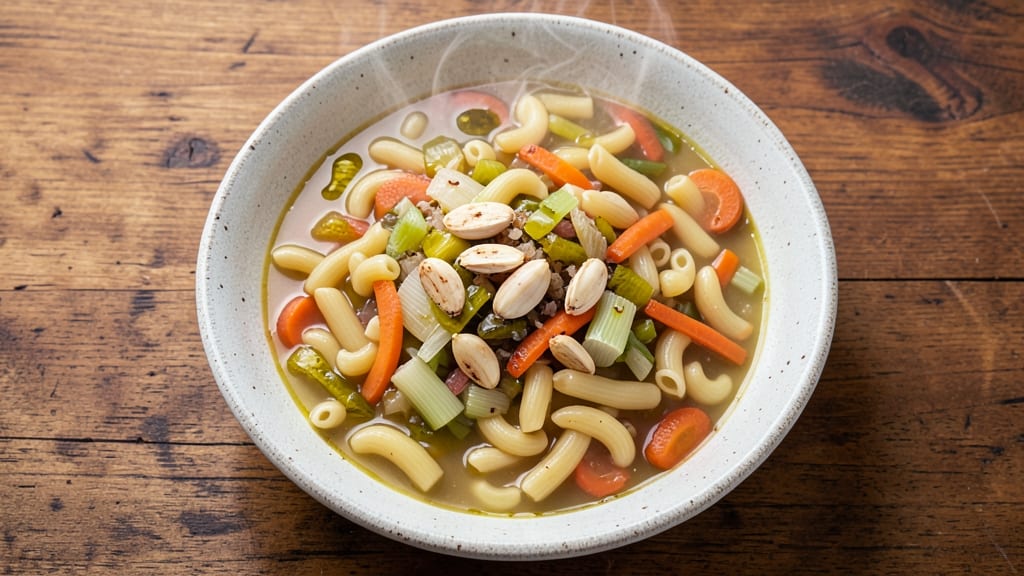
This Barilla ditalini vegetable soup delivers restaurant-quality depth in just 30 minutes, transforming simple ingredients into a hearty, flavor-packed bowl that feels like a warm hug on a chilly day.
The secret lies in properly sautéing vegetables to build flavor before simmering them in a rich broth—no fancy techniques required, just attentive timing. I developed this recipe after realizing how quickly ditalini absorbs broth while maintaining its satisfying bite, making it perfect for both weeknight dinners and meal prep.
The beauty of this soup is its adaptability—swap in seasonal vegetables, adjust herbs to taste, and even add plant-based protein like white beans or lentils for extra staying power. What makes it special is the balance of textures: tender pasta, crisp-tender vegetables, and a velvety broth that coats every spoonful.
The key steps—sautéing, simmering, and finishing with fresh herbs—ensure maximum flavor without requiring advanced skills.
By the time you're done, you'll have a hearty soup that's rich enough to satisfy but light enough to enjoy year-round. The ditalini holds its shape beautifully while soaking up the aromatic broth, and the vegetables retain their natural sweetness without turning mushy.
This is the kind of soup that disappears faster than you can say "second bowl," yet remains simple enough for even novice cooks to master.
Customize it with your favorite vegetables or herbs, or keep it classic with the original combination. The recipe scales effortlessly for larger gatherings, and leftovers taste even better the next day. Let's get cooking—your taste buds will thank you.
Ingredients for barilla ditalini vegetable soup
Simple ingredients that build into a restaurant-worthy bowl of Barilla ditalini vegetable soup.
| Ingredient | Amount | Notes |
|---|---|---|
| Barilla Ditalini Pasta 🍝 | 8 oz | Uncooked, al dente preferred |
| Extra-Virgin Olive Oil 🫒 | ½ cup | High quality, fruity flavor |
| Yellow Onion 🧅 | 1 whole | Medium size, finely diced |
| Carrots 🥕 | 2 medium | Peeled, sliced into thin rounds |
| Celery Stalks 🌿 | 2 whole | Fresh, cleaned, chopped |
| Garlic Cloves 🧄 | 3 cloves | Fresh, minced |
| Vegetable Broth 💧 | 4 cups | Low-sodium preferred |
| Canned Diced Tomatoes 🍅 | 1 can | 14.5 oz, San Marzano preferred |
| Fresh Spinach 🌱 | 3 cups | Packed, roughly chopped |
| Kosher Salt 🧂 | 1 ½ tsp | Diamond Crystal preferred |
| Black Pepper 🌶️ | ½ tsp | Freshly ground |
| Fresh Basil Leaves 🌿 | ¼ cup | Chopped, for garnish |
| Grated Parmesan Cheese 🧀 | ¼ cup | Freshly grated from block |
The vegetables here are the flavor foundation. Fresh celery, carrots, and onions from the produce section—look for vibrant color, not wilted or bruised. I always grab the organic carrots at Whole Foods when I'm feeling fancy, but regular grocery store carrots work perfectly fine. The garlic? Fresh is non-negotiable—jarred minced garlic has no soul. For the spinach, baby spinach leaves are easiest to chop, but a bunch of fresh spinach works too if you trim the stems. The key is to chop everything uniformly—this ensures even cooking and maximum flavor release when sautéed.
No fresh basil? Dried basil at half the amount works in a pinch, though fresh is ideal for that bright finish. Short on spinach? Kale or Swiss chard holds up beautifully—just chop it finely. The vegetable broth can be homemade (always better) or a quality store-bought like Pacific Foods or Imagine. The diced tomatoes? San Marzano cans have that perfect balance of sweetness and acidity, but any good-quality canned tomatoes will do. For the Parmesan, freshly grated from a block makes all the difference—pre-grated clumps up and loses flavor. If you're avoiding dairy, nutritional yeast gives a similar umami punch.
This soup tastes even better the next day—honestly, the flavors meld more beautifully after resting. Store leftovers in an airtight container for up to 4 days in the fridge, or freeze for 3 months. I like to portion it into individual containers so I can grab and reheat a single serving. For freezing, let it cool completely first to prevent ice crystals. The pasta holds up well when reheated with a splash of water or broth—never reheat dry pasta, or it'll turn gummy.
Why You'll Love This Recipe
- I’ll be real: I’ve made this with whatever was in my fridge—frozen peas, spinach, even a splash of white wine. The base is foolproof, the ingredients are cheap, and it stretches to feed four for under $8. Budget win, every time.
- No-Chop Shortcuts: I swear by the "mirepoix hack"—just dice onion, carrots, and celery once into one bowl, then toss it straight into the pot. That’s it. No peeling, no measuring cups, no mess. The Barilla ditalini handles the rest like a dream.
- Umami Bomb: Here’s what sold me—the slow-simmered veggies caramelize into something rich, then the pasta soaks up all that deep flavor. That first bite? Crispy edges, tender pasta, and a broth so satisfying it feels like a hug in a bowl.
- Lunchbox Hero: Between us, this soup is my go-to for meal prep. Pack it in jars the night before—pasta stays al dente, veggies hold their texture, and the olive oil keeps everything from getting soggy. My kids actually ask for leftovers.
Step-by-step instructions for Barilla ditalini vegetable soup
This hearty soup comes together faster than you'd expect—simple steps, bold flavors.
Sauté the Aromatic Vegetable Base
Heat the 0.5 cup extra-virgin olive oil in a large pot over medium heat. Add the 1 whole finely diced yellow onion, 2 medium sliced carrots, and 2 whole chopped celery stalks. Cook for 5-6 minutes, stirring occasionally, until the vegetables soften and begin to release their natural juices.
Here's the thing—don't rush this step. You want those vegetables to develop a gentle sweetness and lose their raw edge. When they're tender but still holding their shape, add the 3 minced garlic cloves and cook for another 30 seconds until fragrant. The garlic should perfume the whole pot—this is where the foundation of your soup's flavor begins to build.
Build the Flavorful Broth Base
Pour in the 4 cups vegetable broth and add the 1 can diced tomatoes (with juices). Stir everything together and bring to a gentle boil. Once boiling, reduce heat to medium-low and let it simmer uncovered for 10 minutes. This allows the flavors to meld and intensify.
Season with the 1.5 teaspoons kosher salt and 0.5 teaspoon black pepper now—salting early lets the flavors develop properly. Taste the broth at this stage. It should be rich and savory, with the vegetables' sweetness balanced by the tomatoes' acidity. If it needs more depth, a pinch of red pepper flakes would work wonders here.
Cook the Pasta to Al Dente Perfection
Add the 8 oz uncooked Barilla ditalini pasta to the simmering broth. Stir gently to prevent sticking, then increase heat to medium-high and bring back to a boil. Cook for 8-9 minutes, stirring occasionally, until the pasta is al dente—firm to the bite with a slight resistance.
Real talk: Don't overcook the pasta. It'll finish cooking in the soup's residual heat. The ideal texture is when the pasta absorbs the broth but still has a satisfying bite. You can test this by tasting a piece—it should be tender but not mushy. If you're unsure, check the package directions for al dente timing and adjust accordingly.
Finish with Spinach and Fresh Herbs
Stir in the 3 cups roughly chopped fresh spinach and cook for 2-3 minutes until just wilted. The spinach should blend seamlessly into the soup, adding vibrant color and a fresh, slightly bitter note that balances the richness. Remove from heat and let sit for 1 minute to allow the flavors to settle.
Ladle the soup into bowls and top each serving with 0.25 cup chopped fresh basil leaves and 0.25 cup freshly grated Parmesan cheese. The basil adds a bright, aromatic finish, while the Parmesan contributes a salty, umami depth. Serve immediately while the pasta is still hot and the broth is steaming—this is when the soup tastes its absolute best.
Adjust Consistency and Serve
If the soup seems too thick after adding the spinach, thin it with hot water or additional broth, 1 tablespoon at a time, until you reach your preferred consistency. The soup should coat the back of a spoon but still be easy to ladle. Taste and adjust seasoning one final time—sometimes the fresh herbs and cheese need a little extra salt to balance their flavors.
This soup is perfect for a cozy weeknight dinner or a comforting lunch. The combination of al dente pasta, tender vegetables, and fresh herbs creates a harmonious balance of textures and flavors. Pair it with crusty bread to soak up every last drop of that flavorful broth—you'll want to make this again before you even finish your first bowl.
Pro Tips For Making Barilla Ditalini Vegetable Soup
- SWEAT THE VEGETABLES: I learned this the hard way—ditch the boiling water for your carrots and celery. Instead, chop them into ½-inch pieces, toss with a drizzle of olive oil, and cook them low and slow in a pot for 8-10 minutes until they’re soft and golden. This builds flavor right into the soup instead of letting it leach away.
- SALT THE PASTA WATER: Yes, even if you’re adding broth later. Toss the Barilla ditalini into boiling, well-salted water (about 1½ tablespoons salt per gallon) before adding it to the soup. The pasta will absorb flavor faster, and you’ll avoid that bland, underseasoned bite—especially important since ditalini can taste neutral on its own.
- STIR THE ONION: Don’t just dump the diced onion into the pot and walk away. Keep it moving over medium heat until it’s translucent and just starting to caramelize (about 5 minutes). I skip this step half the time, and the soup always tastes duller—like I missed a whole layer of depth.
- RESERVE PASTA WATER: Before draining the ditalini, scoop out ½ cup of starchy pasta water and fold it into the soup at the end. It’s the glue that binds everything together—especially if your broth is thin or you’re using a lot of vegetables. (Pro move: Keep a small bowl nearby while draining to catch it.)
Troubleshooting this dish
Broth Too Watery?
If your soup ends up too thin, don't panic! Simmer uncovered for an extra 5-10 minutes to let the liquid reduce naturally. For quicker results, mash 1-2 cooked ditalini noodles against the pot's side to release starch, which thickens the broth instantly.
This trick works especially well if you're short on time but want that perfect consistency. 💫
Pasta Overcooked?
Overcooked pasta ruins the texture, but you can salvage it by adding 1-2 tablespoons of cold water or broth and simmering for 1-2 minutes to firm it up slightly. If the soup tastes too starchy, stir in 1 tablespoon of olive oil to balance the flavors.
The key is to remove it from heat immediately after reaching al dente—this prevents overcooking in the first place.
Vegetables Too Soft?
To keep your vegetables crisp-tender, reduce the simmering time to 8-10 minutes total (including the initial 10-minute simmer with broth). For heartier veggies, add zucchini or bell peppers only in the last 3 minutes of cooking.
These varieties hold up better to shorter cooking times and add freshness to the dish.
Flavor Too Mild?
Boost your soup's depth by adding 1 teaspoon of soy sauce or Worcestershire sauce (for umami), or a pinch of red pepper flakes (for heat). A splash of balsamic vinegar (1 tablespoon) brightens the flavors, while a bay leaf during simmering adds aromatic complexity.
Taste as you go—this soup is all about balancing flavors!
Spinach Not Wilted?
If your spinach stays stubbornly bright green, it needs more time. Cook it uncovered over medium heat for an extra 1-2 minutes until just wilted. For a smoother texture, pulse the spinach in a food processor before adding it to the soup. This ensures even distribution and prevents clumps.
Pasta Sticking?
Stir your pasta frequently during the final cooking phase—especially in the first 2 minutes after adding it to the broth. If it starts sticking, add ½ cup of hot water or broth and stir vigorously.
A well-seasoned pot also helps prevent sticking. For extra insurance, toss the uncooked pasta in 1 teaspoon of olive oil before adding it to the pot.
Nutrition facts
Frequently asked questions
Can I use a different type of pasta instead of Barilla ditalini?
While ditalini's tube shape holds broth beautifully, you can swap for penne, rigatoni, or even small shells. Avoid long pasta like spaghetti—it breaks easily in soups. For a lighter option, try whole wheat or chickpea pasta (just reduce cooking time by 1-2 minutes to prevent mushiness).
How can I make this soup vegan?
Skip the Parmesan and use nutritional yeast (2 tablespoons) for a cheesy flavor. Replace vegetable broth with mushroom or lentil broth, and ensure all ingredients (like canned tomatoes) are vegan. For extra protein, stir in white beans or lentils during the final 5 minutes of cooking.
Why does my soup taste bland?
Most likely, the vegetables weren't sautéed long enough to develop flavor. Next time, cook them for 8-10 minutes until deeply caramelized. Boost umami with 1 teaspoon soy sauce or 1 bay leaf during simmering. Always taste as you go—seasoning builds gradually in soups!
Can I prep this soup ahead of time?
Yes! Make it up to 3 days ahead and store in an airtight container. Reheat gently on the stove with a splash of water or broth. For freezing, cool completely first, then freeze for up to 3 months. The pasta may soften slightly when reheated—add a pinch of salt and fresh herbs to revive flavors.
What's the best way to reheat leftovers?
Reheat gently on the stove over medium-low heat, stirring occasionally, until steaming (3-5 minutes). Avoid microwaving—it makes the pasta mushy. For extra freshness, stir in 1 tablespoon of olive oil and a pinch of salt. If too thick, thin with hot water or broth.