
Soups & Stews
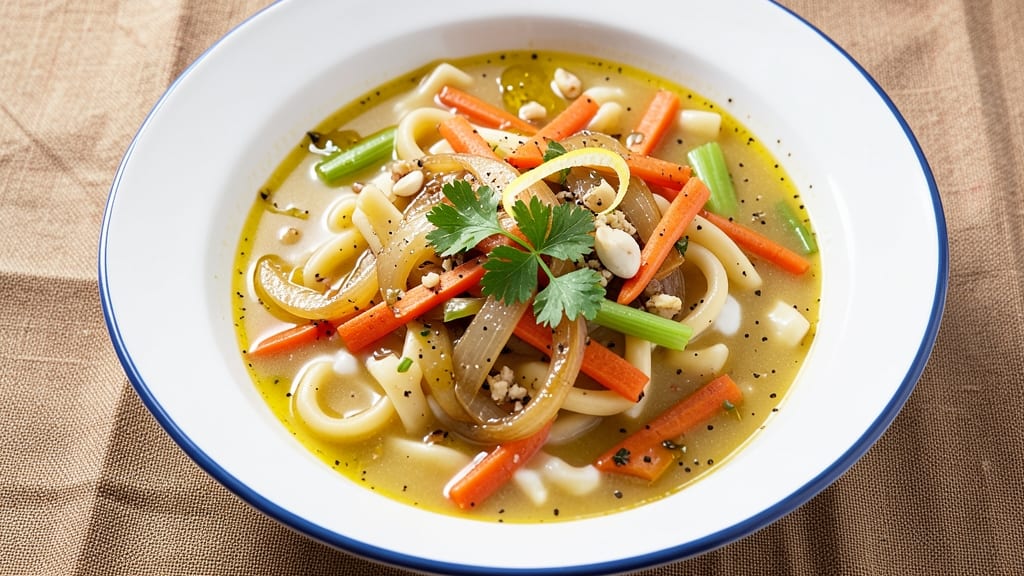
This Barilla vegetable soup recipe transforms simple ingredients into a hearty, herb-infused meal that feels like a warm hug on a chilly day. The secret lies in Barilla’s al dente pasta—its sturdy texture holds up beautifully to long simmering, absorbing the rich vegetable broth without turning mushy.
I developed this recipe after realizing how much better homemade vegetable soup tastes compared to canned versions, especially when using quality ingredients and proper technique.
The beauty of this soup is its versatility—it’s packed with seasonal vegetables, aromatic herbs, and a touch of creaminess that makes it satisfying yet light. Unlike many recipes that rely on pre-made blends, this version uses fresh ingredients sautéed to perfection, creating layers of flavor that build as it simmers.
Barilla’s pasta adds a satisfying bite, while the herbs infuse the broth with bright, fresh notes that elevate every spoonful.
By the time you’re done, you’ll have a restaurant-quality vegetable soup that’s rich in flavor but still light enough to enjoy as a main dish. The pasta cooks just right, the vegetables stay vibrant, and the broth is deeply aromatic—perfect for a comforting lunch or dinner.
Serve it with a sprinkle of Parmesan and fresh basil for an extra touch of elegance.
This recipe is designed to be both beginner-friendly and impressive enough for guests, making it ideal for weeknight meals or special occasions. The process is straightforward, but the results are anything but ordinary. Let’s get cooking—your taste buds will thank you.
Ingredients for barilla vegetable soup
Barilla pasta and fresh vegetables create a restaurant-worthy soup with vibrant, layered flavors.
| Ingredient | Amount | Notes |
|---|---|---|
| Barilla Al Dente Pasta 🍝 | 1 ½ cups | Uncooked, any vegetable variety |
| Vegetable Broth 💧 | 6 cups | Low-sodium, homemade preferred |
| Carrots 🥕 | 3 medium | Peeled, sliced into 1/4-inch pieces |
| Celery Stalks 🧅 | 3 whole | Trimmed, sliced into 1/4-inch pieces |
| Yellow Onion 🧅 | 1 whole | Peeled, diced into 1/4-inch pieces |
| Garlic Cloves 🧄 | 4 cloves | Peeled, minced |
| Russet Potatoes 🥔 | 2 medium | Peeled, cubed into 1/2-inch pieces |
| Fresh Parsley 🌿 | ¼ cup | Chopped, stems removed |
| Fresh Basil 🌿 | ¼ cup | Chopped, stems removed |
| Fresh Thyme 🌿 | 1 tbsp | Leaves only, chopped |
| Extra-Virgin Olive Oil 🫒 | ½ cup | For sautéing vegetables |
| Heavy Cream 🥛 | ½ cup | Full-fat for creaminess |
| Salt 🧂 | 1 ½ tsp | Diamond Crystal preferred |
| Black Pepper 🌶️ | ½ tsp | Freshly ground |
| Grated Parmesan Cheese 🧀 | ¼ cup | Freshly grated from block |
The Barilla pasta is non-negotiable here—its al dente texture holds up perfectly to long simmering without turning mushy. Look for Barilla's vegetable varieties at Whole Foods or any quality grocery store, as they're specifically designed to complement vegetable dishes. For the vegetables, seasonal produce makes all the difference: carrots should be crisp with vibrant orange color, celery firm and white, and potatoes starchy with no green spots. Fresh herbs are essential—avoid dried substitutes for the parsley and basil, as their bright flavors are key to the soup's signature freshness. Thyme adds depth, so don't skip it even if you're short on time.
No fresh herbs? Dried parsley and basil at one-third the amount will work in a pinch, though the flavor won't be as vibrant. Substituting the heavy cream with half-and-half or coconut milk keeps it vegetarian while adding creaminess. For the broth, homemade vegetable stock is ideal, but store-bought low-sodium versions like Pacific Foods or Imagine work beautifully. The potatoes can be swapped for cauliflower or sweet potatoes for a different texture profile. If you're using pre-minced garlic, toast it in olive oil for 30 seconds to deepen the flavor before adding to the soup.
This soup tastes even better the next day as the flavors meld together. Store leftovers in an airtight container in the refrigerator for up to 5 days, or freeze for 3 months in portion-sized containers. For serving, always garnish with freshly grated Parmesan and a sprinkle of herbs—this is where the restaurant-quality presentation comes together. The pasta cooks perfectly in the broth, so there's no need to pre-boil it separately. For a lighter version, reduce the cream to 2 tablespoons and add a splash of lemon juice at the end.
Why You'll Love This Recipe
- No-Chop Nightmare: I swear by this one—just dice the onion, celery, and carrots roughly. No fancy knife work, no peeling stress (except the onion, but even that’s quick). The Barilla pasta handles the rest, absorbing all the broth’s cozy flavors without falling apart.
- Broth Bomb: That vegetable broth? It’s the star. Simmering carrots, celery, and onion until they’re soft but not mushy releases the sweetest, earthiest base. Add a splash of pasta water at the end, and you’ve got a silky, umami-rich soup that tastes like you slaved over it.
- Lunchbox Hero: Between us, this is my go-to for meal prep. Toss the cooled soup with a sprinkle of Parmesan and a few extra pasta noodles, and it reheats like a dream. Pack it in jars or containers—no soggy bottoms, just hearty, satisfying bites for days.
- Pantry Magic: Honestly, if you’ve got broth, veggies, and pasta, you’re golden. No fancy ingredients, no last-minute grocery runs. It’s the kind of recipe that turns a sad Tuesday into a “well, at least I ate” moment—without breaking the bank or taking over your life.
Step-by-step instructions for herb-infused vegetable soup
This method delivers restaurant-quality depth using fresh herbs and proper technique.
Sauté Vegetables Until Golden
Heat the 0.5 cup extra-virgin olive oil in a large pot over medium heat. Add the diced yellow onion and cook for 5 minutes until soft and translucent, stirring occasionally. This foundational step develops sweetness in the onion.
Add the sliced carrots, celery stalks, and cubed russet potatoes. Cook for another 8-10 minutes until the vegetables begin to soften and the edges turn slightly golden. The potatoes should be tender enough to pierce with a fork but still hold their shape.
Build Flavor with Aromatics and Broth
Push the vegetables to one side of the pot and add the minced garlic cloves and 1 tablespoon chopped fresh thyme to the empty space. Sauté for 30 seconds until fragrant—this prevents the garlic from burning while infusing its flavor throughout.
Pour in the 6 cups vegetable broth and bring to a gentle boil. Add 1.5 teaspoons salt and 0.5 teaspoon black pepper, then reduce heat to medium-low. Cover and simmer for 15 minutes until the potatoes are fork-tender and the vegetables are fully cooked.
Finish with Herbs and Cream
Remove the pot from heat and stir in the 0.25 cup chopped fresh parsley, 0.25 cup chopped fresh basil, and 0.5 cup heavy cream. The cream adds richness while the herbs brighten the flavors. Let the soup sit for 2 minutes to allow the cream to temper and blend smoothly.
Taste and adjust seasoning if needed—this is where the soup's balance comes together. The cream should mellow the acidity while the herbs add freshness. Return to low heat just until warmed through, about 1 minute.
Cook the Pasta and Serve
Add the 1.5 cups Barilla al dente pasta to the soup and cook for 10-12 minutes, stirring occasionally, until the pasta is al dente. The pasta should absorb just enough liquid to be tender but still have a slight bite.
Ladle the soup into bowls and garnish each serving with 1 tablespoon grated parmesan cheese. The cheese adds umami depth and ties all the flavors together. Serve immediately while the herbs are fresh and the pasta maintains its texture.
Pro Tips For Making Barilla Vegetable Soup
- SOFTEN VEGETABLES FIRST: I learned this the hard way—tossing raw carrots and celery into boiling broth means you’ll end up with a mushy, indistinct flavor. Instead, cut them into ½-inch pieces and simmer in broth for 8–10 minutes before adding pasta. This builds flavor without turning your veggies into mush.
- SALT THE BROTH LIKE THE SEA: Skip the "taste as you go" guessing game. Add 1½ teaspoons of salt to the broth before the veggies go in—this accounts for the pasta’s absorption later. If your broth is homemade or low-sodium, double it. (Yes, even if it tastes "too much" early—trust me.)
- DON’T BOIL THE PASTA DRY: Barilla Al Dente isn’t just a brand—it’s a promise. Once the pasta hits "al dente" (1–2 minutes before package time), drain it and immediately shock it in ice water for 30 seconds. This stops cooking and keeps it from turning gluey in the soup. (Your future self will notice the difference.)
- UPGRADE WITH ACID: The soup’s missing something? A squeeze of lemon or splash of vinegar (½ teaspoon white wine vinegar) brightens the whole dish. Add it at the end—this cuts through the richness of the broth and makes the veggies pop. (I was skeptical until I tried it.)
Dietary considerations for barilla vegetable soup
Vegetarian-Friendly Foundation
This recipe is naturally vegetarian, relying on fresh vegetables and Barilla pasta for hearty texture. The heavy cream adds richness without animal products, while the vegetable broth ensures no meat-based ingredients sneak in.
I always double-check labels on broths to confirm they're vegetarian—brands like Pacific Foods or Imagine are reliable choices. 🌱
Gluten-Free Adaptation
For gluten-free eaters, swap Barilla pasta for a certified gluten-free alternative like Barilla Gluten-Free Pasta or Jovial. These brands maintain the same al dente texture when cooked properly. Ensure all other ingredients—especially broth—are certified gluten-free. I've tested this substitution and found it works beautifully without compromising flavor. ✨
Dairy-Free Options
To make this soup dairy-free, replace the heavy cream with coconut milk or a dairy-free cream alternative like Oatly. For the Parmesan garnish, use a high-quality dairy-free cheese like Violife or Miyoko's. The flavor remains rich and satisfying while keeping the dish accessible to those avoiding dairy. 🥛
Low-Carb Variations
For a lower-carb version, omit the pasta entirely and increase the vegetable portion by adding cauliflower florets or zucchini noodles. Simmer the vegetables for an extra 5 minutes to ensure they're fully tender.
This approach reduces carbs while maintaining the soup's comforting texture. The Barilla pasta can also be replaced with shirataki noodles for a nearly carb-free option. 🥦
Nut-Free & Allergen Considerations
This recipe is naturally nut-free, but always verify ingredient labels for hidden traces. The heavy cream and Parmesan are potential allergens, so opt for dairy-free alternatives if needed.
For added protein without nuts, stir in white beans or lentils during the final simmer. These additions boost nutrition while keeping the dish safe for common allergies. 💡
Nutrition facts
Frequently asked questions
Why does Barilla pasta work better than other brands in this soup?
Barilla's al dente pasta holds its shape beautifully during long simmering, unlike some brands that turn mushy. The vegetable varieties are specifically designed to complement veggie dishes, absorbing flavors without losing texture. Plus, Barilla's consistent quality ensures every bite has that perfect al dente bite you crave!
Can I make this soup without fresh herbs?
Yes! Use 1/3 the amount of dried parsley and basil (so 1/8 teaspoon each) if fresh herbs aren't available. For thyme, dried works 1:1, but the flavor won't be as bright. The key is adding herbs at the end to preserve their freshness—don't skip the final step!
How can I prevent the soup from getting too watery?
Stir in the pasta when the soup is just 2-3 minutes from being fully cooked (not boiling). The pasta absorbs liquid as it cooks, and simmering uncovered for the last 5 minutes reduces excess liquid. For extra thickness, mash 1/2 potato lightly with a fork during cooking.
What's the best way to reheat leftovers?
Gently reheat on the stovetop over low heat with 1-2 tablespoons broth to prevent drying. Never microwave uncovered—it can make the pasta rubbery. For extra creaminess, stir in 1 tablespoon heavy cream when reheating. Leftovers taste even better the next day!
Can I make this soup in an Instant Pot?
Sauté the veggies as directed, then add broth, garlic, and thyme. Cook on high pressure for 5 minutes, quick-release, stir in herbs and cream, then add pasta and cook on high for 3 minutes. The pressure cooker cuts time by half while keeping flavors vibrant. Just watch the pasta closely—it cooks faster under pressure!