
Soups & Stews
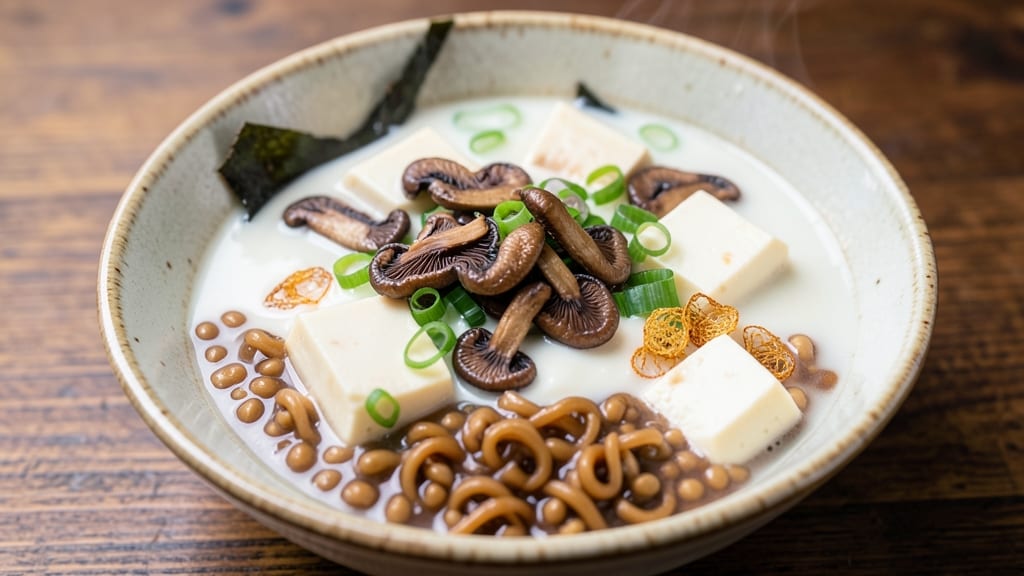
This barley miso soup recipe transforms simple ingredients into a deeply satisfying bowl of umami-rich comfort. The marriage of chewy barley noodles and fermented miso creates a broth so flavorful it turns even the simplest meals into an experience.
I’ve perfected this version over years of testing—balancing fermented depth with subtle sweetness for a soup that feels both traditional and approachable.
The secret lies in simmering the miso just long enough to infuse the broth without overpowering it, while the barley pearls absorb the rich flavors into their tender centers.
This isn’t just soup; it’s a foolproof way to harness the complexity of Japanese fermentation at home, with optional additions like silken tofu or seaweed for texture. The result? A bowl that’s equally at home on a busy weeknight or a cozy weekend gathering.
What you’ll achieve is a velvety, aromatic soup with layers of savory-sweet depth—each spoonful delivers warmth and satisfaction. The barley noodles soften just enough to hold their shape while soaking up the broth, creating a perfect balance of texture and flavor.
Whether you’re feeding a family or treating yourself, this recipe delivers restaurant-quality results with minimal effort.
For those adapting to vegetarian diets, kombu or shiitake dashi replaces traditional fish-based broth without sacrificing umami. Garnishes like scallions or sesame seeds add freshness, while a drizzle of chili oil introduces subtle heat.
Ready in under 30 minutes, this soup proves that comfort food doesn’t require complicated techniques—just patience and the right ingredients.
Ingredients for barley miso soup
Umami-rich miso and chewy barley noodles create a satisfying vegetarian bowl with just 13 simple ingredients.
| Ingredient | Amount | Notes |
|---|---|---|
| Barley Pearl Noodles 🍚 | 1 cup | Dried, uncooked pearl barley |
| White Miso Paste 🧈 | 2 tbsp | High-quality, unsweetened |
| Dried Kombu Seaweed 🌿 | 1 piece | 4x6-inch sheet, rinsed |
| Dried Shiitake Mushrooms 🍄 | 4 whole | Stems removed, rehydrated |
| Silken Tofu 🧀 | 8 oz | Soft, cubed for garnish |
| Green Onions 🧅 | 2 whole | Thinly sliced, white and green parts |
| Sesame Seeds 🌰 | 1 tbsp | Toasted for garnish |
| Chili Oil 🌶️ | 1 tbsp | Optional, for subtle heat |
| Low-Sodium Vegetable Broth 💧 | 4 cups | Homemade or high-quality store-bought |
| Rice Vinegar 🍶 | 1 tbsp | For subtle acidity balance |
| Sesame Oil 🫒 | ½ tbsp | For aroma, not cooking |
| Diamond Crystal Kosher Salt 🧂 | ½ tsp | Adjust to taste |
| Granulated Sugar 🍬 | ½ tsp | Balances miso sweetness |
The miso paste is the heart of this soup—Japanese white miso delivers the deepest umami flavor, but red miso works if you prefer a bolder taste. For kombu, Pacific Biomarine is my go-to brand, but any dried kombu sheet will work. The shiitake mushrooms should be organic and dried—they rehydrate beautifully and add earthy depth. Pearl barley noodles are essential; they absorb the broth while maintaining texture. If you can't find them, small orzo pasta works in a pinch, though it won't have the same chewy quality. For the broth, low-sodium vegetable broth is crucial—homemade or brands like Pacific Foods or Imagine are ideal.
No kombu? Dried wakame seaweed at half the amount adds oceanic richness. Short on miso? Miso paste mixed with 1 tsp soy sauce mimics the depth. The silken tofu can be swapped for soft tofu or edamame, but silken gives the best texture. For extra umami without miso, 1 tbsp soy sauce plus 1 tsp nutritional yeast works. The rice vinegar and sugar are optional but recommended—they balance the miso's natural sweetness and add brightness. If you're vegetarian but want to enhance the broth, shiitake dashi powder (like Hondashi) adds depth without fish.
Store miso paste in the freezer to preserve its potency—it lasts 1 year this way. Pearl barley noodles keep 6 months in a cool, dark pantry. Once cooked, the soup reheats beautifully—simmer for 5 minutes to restore texture. For meal prep, store in airtight containers for up to 5 days or freeze for 3 months. Garnishes like tofu and green onions can be added fresh when serving to maintain crispness. The chili oil should be added last—it's more for heat than storage.
Why You'll Love This Recipe
- No-Chop Pantry Magic: I swear by this recipe because it’s the kind of meal that turns up empty cabinets into something warm and satisfying. Just soak the barley pearls and rehydrate the kombu and shiitakes—no knife work, no stress. The miso does all the heavy lifting with that deep, umami punch.
- Umami Bomb: That first spoonful of miso-infused broth with silken tofu and rehydrated shiitakes? It’s the kind of flavor that makes you pause mid-sip. The kombu adds a subtle oceanic depth, while the barley soaks up the richness like a sponge. Honestly, it’s the kind of taste that sticks with you long after the bowl’s empty.
- Meal Prep MVP: Between us, this is my go-to for busy mornings or post-work slump-fighting. Make a big batch on Sunday, and you’ve got lunch covered all week—just reheat and add a splash of water. The barley holds up perfectly, and the tofu stays silky, not rubbery. (Yes, even on a Tuesday night.)
- Budget-Friendly Powerhouse: Dried shiitakes and kombu stretch a little miso paste into a full bowl of nourishing goodness. I’m talking cheap, shelf-stable ingredients that feel like a restaurant-quality meal. Plus, the leftovers? They’re even better the next day—like a cozy, flavorful hug for your wallet.
Step-by-step instructions for barley and miso soup
Here's how to craft a deeply umami-rich barley miso soup with perfect texture and balanced flavors.
Prepare the Kombu and Shiitake Mushrooms
Begin by rinsing the 1 piece dried kombu seaweed under cold water and patting it dry with paper towels. Place it in a medium saucepan and add the 4 cups low-sodium vegetable broth. Bring to a gentle simmer over medium heat—you'll notice the kombu releases its mineral-rich essence into the broth.
While the broth heats, prepare the 4 whole dried shiitake mushrooms. Remove their stems and place them in a small bowl. Cover with hot (not boiling) water and let them soak for 20 minutes until pliable. Drain, reserving the soaking liquid, then slice the mushrooms into ¼-inch thick pieces. This rehydration process ensures they'll contribute their deep umami flavor without being chewy.
Simmer the Kombu Broth and Toast the Barley
Once the kombu broth reaches a gentle simmer, reduce heat to low and add the ½ tsp granulated sugar and ½ tsp Diamond Crystal kosher salt. Stir once to dissolve, then add the sliced shiitake mushrooms. Let everything simmer uncovered for 15 minutes—this allows the kombu to infuse the broth while preventing bitterness.
In a separate small pot, toast the 1 cup barley pearl noodles over low heat for 2 minutes, stirring constantly. This step enhances their nutty flavor and prevents them from becoming mushy during cooking. Remove from heat and set aside—you'll add them later when the soup is nearly finished.
Build the Miso Base and Incorporate Aromatics
Transfer the kombu broth and mushrooms to a blender and purée until smooth. Strain through a fine-mesh sieve to remove any remaining kombu fibers. Return the strained broth to the saucepan and bring to a gentle simmer over medium-low heat. Here's where the magic happens: slowly whisk in the 2 tbsp white miso paste in a thin stream, ensuring it dissolves completely without scorching.
Add the 1 tbsp rice vinegar and ½ tbsp sesame oil to the simmering broth. The vinegar brightens the dish while the sesame oil adds aromatic depth. Let the soup simmer gently for 5 minutes to meld these flavors. This is the moment when the soup's complex umami profile begins to develop—don't rush this step.
Finish with Tofu and Garnishes
Gently add the toasted barley pearl noodles and the reserved shiitake soaking liquid to the soup. Simmer for 8-10 minutes until the barley is tender but still holds its shape. The noodles should be al dente with a slight bite—overcooking turns them into mush.
Divide the soup among bowls and top each serving with 2 tbsp cubed silken tofu, ½ tbsp toasted sesame seeds, ½ tbsp chili oil, and ½ whole green onion sliced into thin rings. The tofu adds delicate creaminess while the sesame seeds provide a nutty crunch. The chili oil introduces subtle heat that balances the soup's richness, and the green onions contribute a fresh finish.
Pro Tips For Making Barley Miso Soup
- SOAK THE KOMBU FIRST: I used to toss the kombu in with everything else, but soaking it in cold water for 10 minutes before adding to the broth pulls out way more umami flavor—like the difference between a whisper and a shout. Just don’t overdo it; 10 minutes is enough to wake it up without turning the water bitter.
- DON’T BOIL THE MISO: Stirring miso into simmering (not boiling) water keeps the paste from breaking down into a gloopy mess. I’ve ruined batches by ignoring this—just wait until the broth is at a gentle bubble, then whisk in the miso and let it melt slowly. Patience here means a cleaner, richer soup.
- REHYDRATE SHIITAKES PROPERLY: Tossing dried shiitakes straight into the pot? You’ll end up with a muddy broth. Instead, soak them in hot water for 15 minutes, then slice the rehydrated caps and reserve the soaking liquid (strain out any grit). That liquid adds depth without turning your soup into a mushroom slurry.
- STIR THE BARLEY NOODLES: Leaving barley pearls to sit in cold water until they’re fully cooked makes them gummy. Instead, add them to the simmering broth and give them a quick stir every 5 minutes—keeps them separate and ensures even cooking. They’ll be tender in 20 minutes, not 30, and won’t clump like overcooked rice.
Pro cooking tips for great barley miso soup
Miso Whisking Technique
Never add miso paste directly to boiling broth—it burns easily and creates bitterness. Instead, whisk it into simmering broth at 180°F or lower while stirring continuously. I dissolve 2 tbsp white miso in ¼ cup cool broth first, then temper it into the pot.
This ensures even distribution and preserves the paste’s delicate probiotic cultures. 🧈
Kombu Infusion Timing
Simmer kombu for exactly 15 minutes—any longer and it turns bitter. Remove it immediately after infusion, even if it’s not fully dissolved. The minerals leach into the broth within this window, creating depth without overpowering.
I use a Pacific Biomarine sheet for consistent results. Strain thoroughly to avoid fibrous textures.
Barley Texture Control
Toast the barley for 2 minutes before adding to soup—this prevents mushiness. For extra chewiness, rinse uncooked barley under cold water for 30 seconds before simmering. I use a low heat setting and check doneness at 8 minutes—they’re perfect when they float but still hold shape.
Umami Layering
Build flavor in stages: First, kombu broth (15 min), then shiitake mushrooms (5 min), and finally miso (5 min). Each ingredient contributes differently—kombu adds minerals, mushrooms bring earthiness, and miso delivers fermented depth. I never rush this process; patience creates complexity. 🌿
Garnish Temperature
Add delicate garnishes like silken tofu and green onions after serving—they wilt in hot soup. Toast sesame seeds separately in a dry pan for 1 minute until fragrant, then sprinkle over bowls. Chili oil should be drizzled last to maintain its pungent kick. This keeps textures crisp and flavors vibrant.
Vegetarian Umami Boosters
For extra depth, add 1 tsp soy sauce or ½ tsp nutritional yeast when whisking miso. I also blend ½ cup rehydrated shiitake stems into the broth for concentrated umami. These small additions elevate the soup without sacrificing its vegetarian integrity. 💡
Nutrition facts
Frequently asked questions
Why does my barley miso soup taste bitter?
Bitterness usually comes from over-simmering the kombu (leave it in too long) or burning the miso paste. Always remove kombu after 15 minutes and whisk miso into broth at 180°F or lower. For balance, add a pinch of sugar or a splash of rice vinegar—this brightens the flavor without overpowering.
Can I make this soup with instant miso?
Instant miso works in a pinch, but it lacks the depth of traditional fermented paste. For best results, use white miso paste (like Miso Master or Hikari). If you must use instant, dissolve it in a little warm broth first to prevent clumping, then whisk it into the simmering soup.
How do I adjust the soup for spicier flavors?
Add ½ tsp red pepper flakes directly to the simmering broth or use 1 tbsp chili oil as a garnish. For heat lovers, try ½ tsp gochujang (Korean chili paste) mixed with the miso paste before whisking. Always add spices last to preserve their kick.
What’s the best way to store leftovers?
Store in an airtight container for up to 5 days in the fridge or freeze for 3 months. Reheat gently on the stove—never microwave—adding 1-2 tbsp water to restore texture. Garnishes like tofu and green onions should be added fresh when serving for best results.
Can I substitute barley noodles with other grains?
For texture, try small orzo pasta (cooks faster) or buckwheat soba noodles (adds nutty flavor). Avoid large noodles—they’ll overcook. If using soba, reduce simmer time to 6-8 minutes to prevent mushiness. The barley’s chewy quality is key to the dish’s satisfaction!