
Soups & Stews
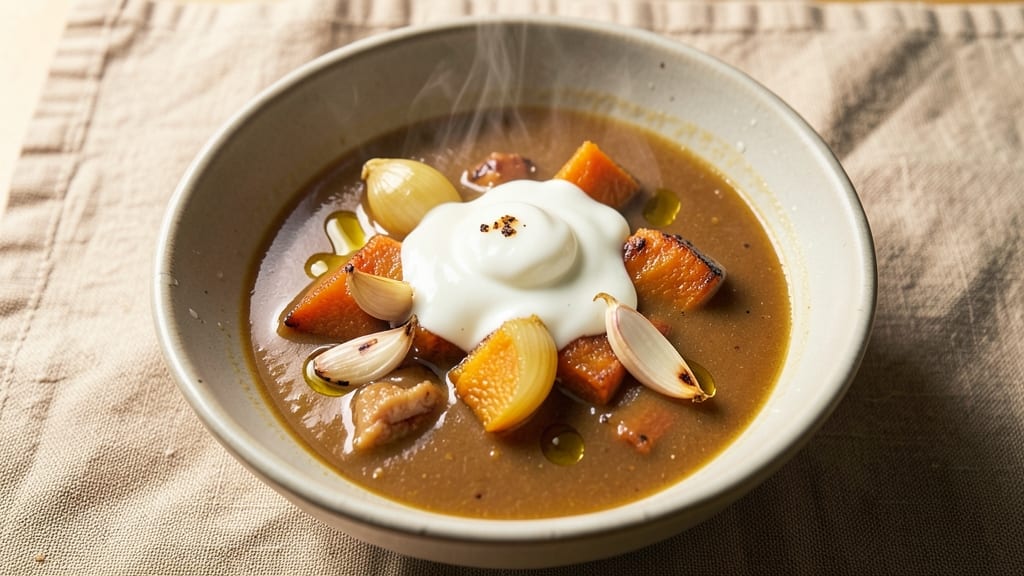
This basic butternut soup recipe transforms humble ingredients into a velvety, aromatic masterpiece that feels like autumn in a bowl. The secret lies in roasting the squash first—caramelizing its natural sugars while softening the flesh for effortless blending.
I developed this method after years of testing, ensuring every step delivers maximum flavor with minimal fuss.
What sets this recipe apart is the balance of sweetness and depth: roasted squash meets sautéed onions and garlic, then purées into a smooth, comforting base. A touch of cream (or coconut milk for a lighter option) rounds out the texture, while nutmeg and thyme add warmth.
The whole process takes just 30 minutes, making it perfect for weeknight dinners or holiday gatherings.
By the time you serve it, you’ll have a soup that’s rich yet light, with a golden hue and aroma that fills the kitchen. The roasting step isn’t just about flavor—it’s about transforming tough squash into silky perfection that blends effortlessly.
Garnish with toasted pumpkin seeds or a drizzle of olive oil for extra texture, and you’ve got a dish that’s both impressive and approachable.
This recipe scales beautifully for crowds, reheats wonderfully, and freezes like a dream. The technique is foolproof: roast, sauté, blend, and simmer. No special tools required—just patience and a blender. Let’s make soup that tastes like fall in every spoonful.
Ingredients for basic butternut soup
Roasted squash, sautéed aromatics, and velvety cream—this soup delivers autumn in every spoonful.
| Ingredient | Amount | Notes |
|---|---|---|
| Medium Butternut Squash 🎃 | 2 lb | Peeled, seeded, cut into 1-inch cubes |
| Yellow Onion 🧅 | 1 whole | Medium size, thinly sliced |
| Garlic Cloves 🧄 | 3 cloves | Fresh, minced |
| Vegetable Oil 🫒 | 2 tbsp | For roasting and sautéing |
| Heavy Cream 🥛 | ½ cup | Full-fat for richness |
| Chicken Broth 💧 | 4 cups | Low-sodium preferred |
| Ground Nutmeg 🌿 | ¼ tsp | Freshly grated preferred |
| Fresh Thyme 🌿 | 1 tbsp | Leaves only, chopped |
| Salt 🧂 | 1 tsp | Kosher or sea salt |
| Black Pepper 🌶️ | ½ tsp | Freshly ground preferred |
| Olive Oil 🫒 | 1 tbsp | Extra-virgin for garnish |
| Pumpkin Seeds 🥜 | ¼ cup | Toasted for garnish |
The butternut squash is the star, so pick a firm, heavy one—no soft spots or bruises. Trader Joe's and Whole Foods carry excellent organic options, but any grocery store will have good ones. Cutting it? Use a sharp chef’s knife and cut side down for safety. The roasting step is non-negotiable—it caramelizes the sugars and softens the flesh for that silky texture. I always roast mine at 400°F for 25 minutes with a drizzle of oil and salt, flipping halfway. Pro tip: save the seeds for toasting later—they’re perfect for garnish.
No heavy cream? Full-fat coconut milk works beautifully for a lighter option. Short on thyme? Fresh rosemary at half the amount gives a similar earthy note. The chicken broth can be swapped for vegetable broth if preferred, though the flavor will shift slightly. For extra depth, add a pinch of cinnamon—it pairs wonderfully with squash. The pumpkin seeds? Toast them in a dry pan for 3-4 minutes until fragrant, then sprinkle over the top. If you’re prepping ahead, roast the squash and store it in the fridge for up to 3 days before blending.
This soup tastes even better the next day—reheats beautifully in the microwave or on the stovetop. Keeps for 4-5 days in the fridge, or freeze portions for up to 3 months. For serving, I like to drizzle with extra-virgin olive oil and a crack of black pepper. Garnish with the toasted pumpkin seeds and a sprinkle of nutmeg for that final touch of warmth. Double the recipe if you’re feeding a crowd—it’s perfect for holiday gatherings.
Why You'll Love This Recipe
- Same soup, two lives: toss it together for a lazy Tuesday or dress it up with toasted pecans and a drizzle of maple syrup for guests. The base is always foolproof, so you’re never stuck scrambling.
- No Peel Required: I swear by this trick—just roast the squash whole until tender, then scoop out the flesh. No peeling, no mess, and that caramelized skin? It’s the secret to depth of flavor without extra effort.
- Creamy Without Trying: The heavy cream doesn’t just make it rich—it smooths out the natural sweetness of the squash while the roasted garlic adds a slow-simmered warmth. Honestly, it’s the kind of balance that makes you slow down and savor every spoonful.
- Weeknight to Dinner Party: Same soup, two lives: toss it together for a lazy Tuesday or dress it up with toasted pecans and a drizzle of maple syrup for guests. The base is always foolproof, so you’re never stuck scrambling.
Step-by-step instructions for velvety roasted butternut soup
Here's how to transform simple ingredients into a rich, velvety soup with deep caramelized flavor.
Roast the Butternut Squash and Onion Until Caramelized
Preheat your oven to 400°F and line a baking sheet with parchment paper. Toss the 2 lb medium butternut squash cubes and 1 whole yellow onion with 1 tablespoon of the vegetable oil and spread them in a single layer on the baking sheet. Roast for 25-30 minutes until the squash is tender when pierced with a fork and the edges are deep golden brown.
Here's the thing—roasting develops a natural sweetness and caramelized flavor that sautéing can't match. I stir the vegetables halfway through cooking to ensure even browning. You'll know they're ready when the squash yields slightly to gentle pressure and the onion has turned translucent with browned edges.
Sauté Garlic and Thyme in Remaining Oil
While the vegetables roast, heat the remaining 1 tablespoon vegetable oil in a large pot over medium heat. Add the 3 minced garlic cloves and 1 tablespoon chopped fresh thyme, cooking for 1-2 minutes until the garlic is fragrant but not browned.
This quick sauté builds flavor without burning the garlic. I keep the heat at medium because garlic burns in seconds, and you want that aromatic punch without bitterness. The thyme will release its piney notes, creating a fragrant base for the soup.
Combine Roasted Vegetables with Broth and Seasonings
Transfer the roasted squash and onion to the pot with the garlic and thyme. Pour in the 4 cups chicken broth and bring to a gentle boil. Reduce heat to medium-low and simmer for 10 minutes to allow the flavors to meld. Stir in the 1 teaspoon salt, 0.5 teaspoon black pepper, and 0.25 teaspoon ground nutmeg.
The nutmeg adds a warm, earthy depth that complements the sweetness of the squash. Simmering at this stage ensures all the flavors integrate smoothly. If the soup seems too thick after simmering, you can add a splash of water to reach your preferred consistency.
Blend Until Silky Smooth
Use an immersion blender to purée the soup directly in the pot until completely smooth. If you prefer to use a countertop blender, carefully transfer the hot soup in batches (don't fill it past the maximum line) and blend until velvety. Return the blended soup to the pot and stir in the 0.5 cup heavy cream.
This blending step creates that luxurious texture we all love in butternut soup. The heavy cream adds richness, but don't worry—it won't make the soup heavy if you've achieved the right balance of sweet and savory flavors in the previous steps. The soup should now be silky with just a hint of creaminess.
Garnish and Serve Warm
Taste and adjust seasoning if needed, then drizzle with 1 tablespoon extra-virgin olive oil and top with 0.25 cup toasted pumpkin seeds. Serve immediately while warm, accompanied by crusty bread for dipping.
The toasted pumpkin seeds add a delightful crunch that contrasts beautifully with the smooth soup. I like to toast them in a dry skillet over medium heat for 2-3 minutes until golden, watching them closely to prevent burning. The olive oil adds a final touch of richness that ties all the flavors together.
Pro Tips For Making Basic Butternut Soup
- ROAST THE SQUASH FIRST: I learned this the hard way—boiling butternut soup is a gamble. Roast the peeled, cubed squash at 400°F (200°C) for 25-30 minutes until caramelized and tender. The natural sweetness deepens, and you won’t end up with a watery, bland purée.
- SWEAT THE ONIONS LOW: Skip the high heat—sauté the diced onion in vegetable oil over medium-low for 8-10 minutes until soft and translucent. Browning it too fast adds bitterness, and you’ll spend the next 15 minutes trying to mask it with extra cream.
- STRAIN ONLY IF NEEDED: Blend the roasted squash, onion, and garlic into a smooth purée, then taste. If it’s too fibrous, strain half through a fine-mesh sieve and mix back in. Forcing everything through just makes the soup thin and dull—sometimes texture is your friend.
- SALT THE CREAM: Don’t just pour cold heavy cream into the soup—temper it first. Warm the cream slightly (just until steaming), then stir in a pinch of salt and a splash of the hot soup before adding it all. This keeps the cream from curdling and adds subtle depth.
Pro cooking tips for great basic butternut soup
Roast for Sweetness
Roasting the butternut squash at 400°F for 25-30 minutes is non-negotiable—it caramelizes natural sugars and softens the flesh for silky blending. I toss the cubes with 1 tbsp vegetable oil and a pinch of salt, then flip them halfway through.
The golden edges signal perfect doneness, and the aroma alone makes the kitchen smell like fall. 🎃
Low-and-Slow Simmer
After blending, simmer the soup at medium-low heat for 10 minutes to meld flavors without boiling off the cream. I stir occasionally to prevent sticking, especially since the squash releases starches. This step builds depth—don’t rush it. A gentle simmer also helps the nutmeg’s warm notes infuse evenly.
Blend Smartly
For the smoothest texture, use an immersion blender directly in the pot—no transferring hot liquid! If using a countertop blender, work in batches and never fill past the max line.
The key is patience: pulse first, then blend continuously until no lumps remain. This avoids splattering and ensures a velvety finish. 💫
Cream Timing
Stir in the ½ cup heavy cream only after blending—adding it earlier can cause curdling. Heat the cream slightly first (just warm to touch) to prevent shocking the soup’s temperature. A quick taste test here helps balance sweetness and richness before serving.
Toast Seeds Properly
Toast the ¼ cup pumpkin seeds in a dry skillet over medium heat for 2-3 minutes, shaking the pan constantly. They’re done when golden and fragrant—burnt seeds taste bitter! Sprinkle them over the soup just before serving for maximum crunch and visual appeal.
Adjust Thickness
If the soup is too thick after simmering, thin it with 2-3 tbsp warm broth at a time until reaching your preferred consistency. Conversely, simmer uncovered for 5 extra minutes to reduce if it’s too thin.
Taste as you go—the nutmeg’s warmth should shine through without overpowering the sweet squash. ⚡
Nutrition facts
Frequently asked questions
Can I substitute coconut milk for the heavy cream?
For a lighter, dairy-free version, replace the ½ cup heavy cream with ½ cup full-fat coconut milk. The flavor will be slightly sweeter and more tropical, but still delicious. Just remember coconut milk can separate when heated, so stir gently after adding and keep the soup warm (not boiling) to maintain its texture.
Why does my soup taste bitter after blending?
Bitterness usually means the squash was over-roasted or the garlic burned. Check your oven temperature—400°F is ideal, but some ovens run hot. For garlic, cook it over medium heat for just 1-2 minutes until fragrant but never browned. If the bitterness lingers, balance it with a pinch more salt or a splash of broth to dilute the intensity.
How long can I store leftover butternut soup?
Store in an airtight container in the fridge for 4-5 days or freeze for up to 3 months. Reheat gently on the stovetop or microwave until steaming hot. The flavor actually improves after the first day as the spices meld! For freezing, leave out the cream until reheating to prevent separation.
Can I make this soup without an immersion blender?
Yes! Use a countertop blender, but work in batches and never fill it past the max line. Let the soup cool slightly first (about 5 minutes) to avoid steam burns. Cover the blender with a towel to prevent splattering, and blend until completely smooth. Return the soup to the pot and stir in the cream over low heat.
What's the best way to reheat butternut soup?
Reheat on the stovetop over low heat for 5-7 minutes, stirring occasionally, until warm throughout. If using the microwave, cover with a lid and heat in 1-minute intervals, stirring between each. Never boil—this can make the soup watery or separate the cream. Stir in a splash of broth if needed to restore thickness.