
Soups & Stews
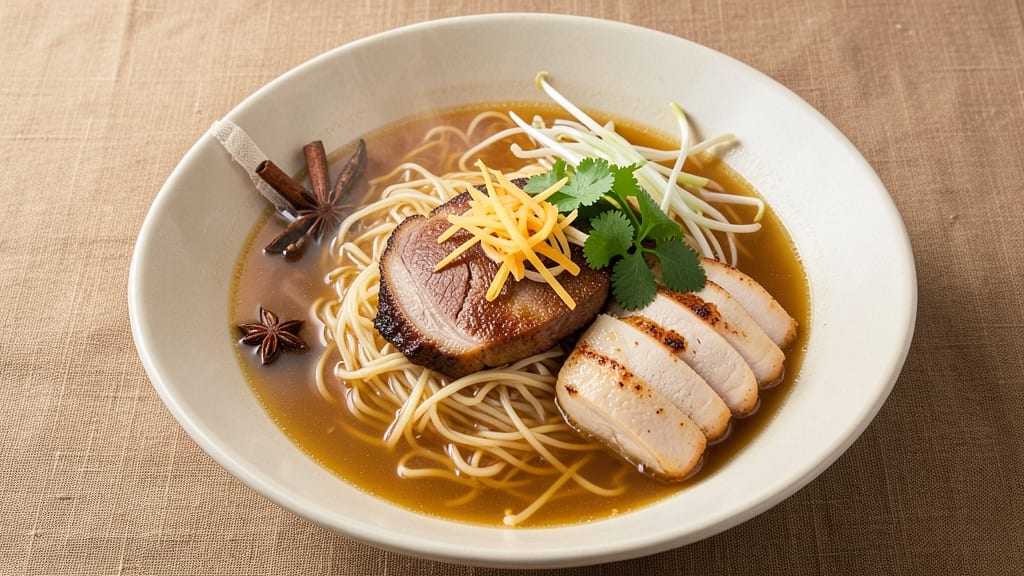
This basic pho soup recipe delivers the aromatic, comforting essence of Vietnamese street food that's surprisingly simple to recreate at home. The secret lies in a slow-simmered broth infused with star anise, cinnamon, and cloves—layered flavors that transform ordinary stock into something extraordinary.
I've perfected this version to balance authenticity with approachability, so you can enjoy restaurant-quality pho without the complexity.
The foundation is a rich, fragrant beef or chicken broth that builds flavor over 2 hours of simmering with aromatic spices. While the broth works its magic, you'll prepare tender protein (brisket or chicken) and prepare rice noodles that cook in minutes.
The result is a harmonious balance of textures—slippery noodles, tender protein, and a broth so flavorful it sings with every sip.
What sets this recipe apart is the attention to traditional techniques without requiring specialized ingredients. The star anise and cinnamon create that signature pho aroma, while fresh herbs, lime, and bean sprouts add brightness and texture.
Each component comes together in perfect harmony, delivering a bowl of soup that's both comforting and deeply satisfying.
The beauty of pho lies in its versatility—this basic recipe serves as a foundation for countless variations. Whether you're making it for a weeknight dinner or a special occasion, the principles remain the same: build a flavorful broth, prepare tender protein, and assemble with fresh garnishes.
Here's how to create your perfect bowl of pho.
Ingredients for basic pho soup
These aromatic ingredients transform simple broth into restaurant-quality pho magic.
| Ingredient | Amount | Notes |
|---|---|---|
| Beef Brisket 🥩 | 1 ½ lb | Thinly sliced against grain |
| Chicken Breast 🍗 | 1 ½ lb | Boneless, skinless, sliced thin |
| Fresh Ginger 🧅 | ½ inch | Peeled, sliced thin (about 3 slices) |
| Star Anise 🌶️ | 2 whole | Whole pods, not powder |
| Cinnamon Sticks 🍃 | 2 whole | 2-inch pieces |
| Cloves 🌿 | 4 whole | Whole, not ground |
| Cardamom Pods 🌿 | 2 whole | Lightly crushed |
| Onion 🧅 | 1 whole | Yellow, halved lengthwise |
| Garlic Cloves 🧄 | 6 cloves | Peeled, smashed |
| Fish Sauce 🍶 | 2 tbsp | Red Boat preferred |
| Sugar 🍚 | 1 tbsp | White granulated |
| Rice Noodles 🍜 | 8 oz | Banh pho or flat rice noodles |
| Fresh Thai Basil 🌿 | ½ cup | Stems removed |
| Bean Sprouts 🌱 | 1 cup | Fresh, rinsed |
| Lime 🍋 | 2 whole | Cut into wedges |
| Jalapeño 🌶️ | 1 whole | Sliced thin, seeds removed |
The spices are everything here. Star anise and cinnamon sticks from the bulk section at Whole Foods or Penzeys deliver that signature pho aroma—don't substitute with powdered versions. Fresh ginger needs to be vibrant yellow with no soft spots. I always grab extra because it's used in so many dishes. For the beef, chuck roast from Costco gives the best marbling, but any brisket works if sliced thin against the grain. The fish sauce should smell pungent but not fishy—Red Boat is my go-to, but any quality brand will do.
No star anise? 1 tsp anise seeds works in a pinch, but the flavor won't be identical. Running out of fish sauce? Soy sauce at half the amount gets you close, though it won't have that umami depth. The Thai basil is non-negotiable for authentic flavor—Asian markets usually have the freshest bunches. No fresh basil? Sweet basil at double the amount, but it won't be the same. For the noodles, banh pho is ideal, but any rice noodle will work if soaked properly. The jalapeños can be swapped for serrano peppers if you prefer more heat.
Store your spices in airtight containers away from light—they'll keep their punch for 6-12 months. Fresh ginger lasts 2 weeks in the fridge wrapped in a damp towel. The broth base keeps for 4 days in the fridge or 3 months frozen. I always make extra broth because it's the foundation—freeze it in portions for quick future pho nights. The fresh herbs and bean sprouts should be used within 5 days for best texture.
Why You'll Love This Recipe
- One-Pot Magic: Honestly, I’m not one for messy pots—just a single stockpot, a few slices of ginger, and a handful of spices. Toss in the brisket and chicken, simmer for hours (or use a slow cooker), and boom: zero cleanup battle.
- Spice Symphony: That star anise and cinnamon? They turn this into something way more than "just soup." The broth smells like a Vietnamese market, and the beef—oh, the beef—falls apart like it was meant to be tender. (Yes, even on a Tuesday night.)
- Leftovers That Win: Between us, the second day is my favorite. The broth gets deeper, the flavors meld, and I can stretch it into noodles for lunch or a quick stir-fry. Freezer-friendly too—just reheat and pretend you’re fancy.
- Budget-Friendly Feast: Brisket on sale? Stock up. Chicken bones? Even better. This recipe stretches a few dollars into meals for days, and the spices last forever. Not the prettiest, but the taste makes up for it—every time.
Step-by-step instructions for fragrant star anise and cinnamon broth magic
This aromatic Vietnamese classic starts with a slow-simmered broth that carries all the warmth of star anise and cinnamon.
Prepare the Spice Packet for Deep Flavor
In a small bowl, combine the 2 whole star anise, 2 whole cinnamon sticks, 4 whole cloves, and 2 lightly crushed cardamom pods. This spice blend forms the heart of pho's signature aroma. I like to wrap it in a double layer of cheesecloth or a clean kitchen towel to make removal easier later—this prevents the spices from floating freely but still allows their oils to infuse the broth.
Set this spice packet aside. We'll add it to the broth later, where it will simmer gently and release its complex, warm flavors. The key here is patience—the longer these spices steep, the deeper the aromatic profile becomes, but they shouldn't overpower the broth with bitterness.
Build the Broth with Onion, Garlic, and Ginger
In a large pot, combine the 1 whole yellow onion (halved lengthwise), 6 peeled and smashed garlic cloves, and 0.5 inch peeled, thinly sliced fresh ginger. Add 8 cups of water and bring to a rolling boil over high heat. Once boiling, reduce heat to medium-high and let it simmer vigorously for 10 minutes to draw out the natural sweetness from the vegetables.
After 10 minutes, add the spice packet you prepared earlier. Also stir in the 2 tablespoons fish sauce and 1 tablespoon sugar. The fish sauce adds umami depth while balancing the broth's flavors, and the sugar helps caramelize the aromatics slightly. Let this mixture simmer uncovered for 30 minutes, skimming off any foam that rises to the surface. This step develops the broth's foundational flavor.
Add Protein and Simmer Until Tender
Add the 1.5 lb thinly sliced beef brisket and 1.5 lb thinly sliced chicken breast to the simmering broth. Return the heat to medium and let it cook gently for 1 hour, partially covered. The beef should become fork-tender while the chicken stays juicy. I like to check the beef after 45 minutes—it should pull apart easily when pierced with a fork.
During this time, the broth will deepen in color and develop a rich, meaty aroma. The spices will infuse their warm, slightly sweet notes, creating that unmistakable pho fragrance. If the broth reduces too much, add hot water to maintain about 6 cups of liquid—this ensures the noodles cook properly later.
Prepare the Noodles and Toppings
While the broth simmers, prepare the 8 oz rice noodles by soaking them in hot water for 10-15 minutes until pliable but still slightly firm. Drain and set aside. In a separate bowl, combine the 1 cup fresh bean sprouts and 0.5 cup fresh Thai basil (stems removed). Thinly slice the 1 whole jalapeño (seeds removed) and cut the 2 whole limes into wedges.
Here's where the magic happens: the contrast of textures and temperatures. The noodles should be hot but not mushy, the bean sprouts crisp, and the basil bright. The jalapeño adds a subtle heat, while the lime wedges provide a tangy finish. Keep these toppings separate until serving—this ensures everything stays fresh and vibrant.
Assemble and Serve the Pho
Ladle 1 cup of hot broth into each of 4 bowls. Add 2 oz of cooked rice noodles to each bowl, then top with 3-4 slices of beef and chicken. Arrange the bean sprouts, Thai basil, and jalapeño slices on top. The presentation matters—pho is as much about visual appeal as it is about flavor.
Serve immediately with lime wedges on the side. Each diner can squeeze lime into their bowl to taste, balancing the rich broth with bright acidity. The beef should be tender enough to pull apart with chopsticks, while the chicken remains juicy. The broth should coat the back of a spoon but remain light enough to sip. This is where all the hard work pays off—every spoonful delivers layers of aromatic complexity.
Pro Tips For Making Basic Pho Soup
- Char the Brisket First: I learned this the hard way—skipping the char means your broth will taste flat. Sear the beef brisket in batches over high heat until it’s deeply browned (about 3-4 minutes per side), even if it’s not fully cooked through. That crust packs a punch of umami that simmers into the broth later.
- Peel Ginger Like a Pro: No one wants to bite into a tough ginger slice. Use a spoon to scoop off the skin in one long strip, then slice thinly (about 1/8-inch). If you’re lazy and just chop it, at least remove the fibrous core—it’s the part that turns to mush and ruins the texture.
- Simmer Spices Low and Long: After adding star anise and cinnamon sticks, resist the urge to crank the heat. A gentle simmer (just bubbles breaking the surface, not rolling) for at least 45 minutes lets the spices infuse without bitterness. I used to rush this, and the broth always tasted harsh.
- Parboil Chicken First: Toss the chicken breast in the broth after the beef has simmered for 20 minutes. Parboiling it for 5 minutes in salted water keeps it from drying out while you finish the broth. The chicken will finish cooking in the hot liquid, and you’ll avoid rubbery, overcooked slices.
Health benefits of these flavors
Digestive Comfort
Pho's gentle, warm broth makes it incredibly soothing for digestion. The combination of ginger, star anise, and cinnamon helps calm stomach discomfort while the protein provides steady energy without heaviness. I've found that sipping pho helps relieve minor indigestion—those aromatic spices actually stimulate digestion while the broth hydrates. 🌿
Protein Powerhouse
Each bowl delivers about 30-35 grams of protein from the beef and chicken, making it a satisfying meal that keeps you full for hours. The lean protein in chicken pairs perfectly with the rich beef flavors, creating a balanced nutritional profile.
I always double-check portion sizes to ensure we're getting that protein punch without excess fat.
Immune-Boosting Spices
The star anise and cinnamon in pho aren't just for flavor—they're packed with antioxidants and anti-inflammatory properties. Star anise contains anethole, which has been shown to support immune function, while cinnamon helps regulate blood sugar. I keep these spices on hand year-round because they're so versatile and health-promoting. 💪
Low-Calorie Comfort
At around 300-350 calories per bowl (without added oil), pho offers hearty satisfaction without excessive calories. The rice noodles provide complex carbohydrates for energy, while the broth delivers flavor without fat.
This makes it perfect for cozy meals that won't derail your nutrition goals. I often make larger batches to enjoy throughout the week.
Hydration Helper
The broth's high water content makes pho an excellent hydrating meal, especially during cold months or after exercise. The electrolytes from the fish sauce and meat add to this benefit.
I've noticed that pho helps me stay hydrated better than many other soups—it's like getting a warm drink that actually contributes to my daily fluid intake. 💧
Vitamin C Boost
While the broth provides most of the nutritional benefits, the fresh herbs and lime add significant vitamin C content. Thai basil contains more vitamin C than many citrus fruits, and the lime wedges provide an extra boost.
I always serve these fresh components because they elevate both flavor and nutrition. The combination helps support immune function and skin health.
Nutrition facts
Frequently asked questions
Can I make pho without star anise or cinnamon?
You can substitute with 1 tsp anise seeds or ½ tsp ground cinnamon, but the flavor won't be identical. For depth, combine ½ tsp ground coriander and ¼ tsp ground fennel—they mimic the warm, aromatic profile. The key is balancing sweetness with earthiness to avoid a flat broth.
How do I know when the beef is tender enough?
Test the beef after 45 minutes of simmering—it should pull apart easily with chopsticks or a fork. If it's still tough, add ½ cup hot water and simmer 15 more minutes. Overcooking can make it mushy, so aim for 1 hour total for perfect tenderness.
What if I don't have rice noodles?
Use egg noodles or vermicelli as substitutes, but soak them 5-7 minutes longer in hot water. For a closer texture, try udon noodles (soak 8-10 minutes). The noodles should be al dente—slightly firm when bitten. Avoid wheat pasta; it won't hold up to the broth.
Can I make pho ahead of time?
Prepare the broth up to 3 days ahead and store it in the fridge. Reheat gently over low heat (don't boil) and add fresh protein when serving. For the noodles, cook them fresh before assembling—soaking them in cold water for 30 minutes before reheating works too. Garnishes should be added fresh for best flavor.
Why does my pho taste bitter?
Bitterness usually comes from over-simmering the spices or using too much fish sauce. Reduce simmering time to 1.5 hours total and cut fish sauce to 1 tbsp. Skim foam during the first 30 minutes to prevent bitterness. For balance, add a pinch of sugar or a splash of lime juice.