
Soups & Stews
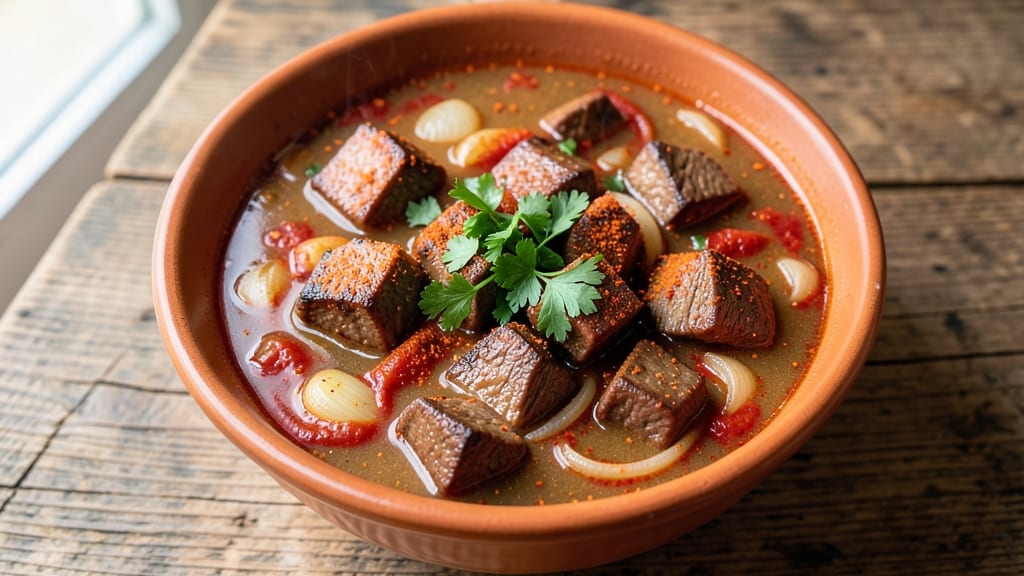
This Bavarian goulash soup recipe brings the hearty, smoky flavors of Alpine cuisine to your kitchen with tender beef, deep caramelized onions, and a perfect balance of sweet and spicy paprika. The secret lies in slow-browning the meat and onions to develop rich, complex flavors that simmer into a velvety broth. I’ve perfected this technique over years of testing, ensuring every spoonful delivers that comforting, restaurant-quality depth.
What sets this recipe apart is the layering of flavors—starting with a deep, caramelized onion base that forms the soul of the soup, followed by beef that cooks until fork-tender, and finished with a touch of sweet paprika for warmth.
The slow simmer transforms tough cuts into melt-in-your-mouth pieces while infusing the broth with layers of umami and warmth. This isn’t just a soup; it’s a meal in a bowl, designed to fill your home with an inviting aroma and your stomach with satisfaction.
The result is a soup that’s hearty enough to stand alone but pairs beautifully with crusty bread or fluffy dumplings for soaking up every last drop of that rich, smoky broth.
The caramelized onions add natural sweetness, while the paprika brings a subtle heat that lingers just enough to keep you coming back for more. Whether you’re serving a family dinner or meal prepping for the week, this goulash soup is a game-changer for weeknight comfort.
Ready in just 2 hours with minimal hands-on time, this recipe is perfect for cozy evenings or gatherings. The long simmer ensures flavors meld perfectly, and the leftovers taste even better the next day. Let’s get started on creating a soup that feels like a warm hug in a bowl.
Ingredients for bavarian goulash soup
Six hearty ingredients transform into this smoky, caramelized goulash masterpiece—no shortcuts, just deep flavor.
| Ingredient | Amount | Notes |
|---|---|---|
| Beef Chuck Roast 🥩 | 2 lb | Cut into 1-inch cubes |
| Yellow Onions 🧅 | 3 whole | Yellow or red, sliced thin |
| Garlic Cloves 🧄 | 4 cloves | Minced for depth of flavor |
| Sweet Paprika 🌶️ | 2 tbsp | Smoked paprika for extra depth |
| Tomato Paste 🍅 | 2 tbsp | High-quality, no sugar added |
| Beef Broth 💧 | 6 cups | Homemade or high-quality store-bought |
| Red Wine 🍷 | 1 cup | Dry red like Cabernet Sauvignon |
| Bay Leaves 🍃 | 2 whole | Fresh for best flavor |
| Allspice Berries 🌿 | 4 whole | Crushed lightly for warmth |
| Thyme Leaves 🌿 | 1 tbsp | Fresh or dried (1/3 amount) |
| Salt 🧂 | 1 ½ tsp | Kosher or sea salt |
| Black Peppercorns 🌶️ | ½ tsp | Freshly ground for brightness |
| Olive Oil 🫒 | 2 tbsp | Extra-virgin for richness |
| Flour 🌾 | 2 tbsp | All-purpose for thickening |
| Sour Cream 🧀 | ¼ cup | Full-fat for serving |
The beef is non-negotiable—chuck roast is your best bet for that melt-in-your-mouth texture. Grab it pre-cubed from Costco or your butcher for convenience, but if you're feeling ambitious, trim and cube it yourself. Look for good marbling—it's what turns tough cuts into tender bites. Onions are the soul of this soup; yellow or red work perfectly, but avoid sweet onions like Vidalia—they won't caramelize the same way. For the paprika, Penzeys or the bulk spice section at Whole Foods carry the best quality, but any jarred sweet paprika will do in a pinch.
No red wine? Beef broth plus 1 tbsp balsamic vinegar works just as well. Fresh herbs make all the difference, but dried thyme at one-third the amount gets you close if that's what you've got. The tomato paste can be the squeeze-tube kind from Trader Joe's—it's perfect for this recipe and lasts forever. For the flour, King Arthur or any all-purpose brand is fine, but don't use cake flour—it won't thicken properly. The allspice berries? If you can't find them, 1/2 tsp ground allspice is a decent swap, though the whole berries add a nice aroma as they simmer.
This soup tastes even better the next day—4-5 days in the fridge, no problem. Freeze portions for up to 3 months by storing in airtight containers with a layer of broth on top to preserve freshness. The sour cream adds a nice contrast when serving; keep it separate until the end so it doesn't curdle. For meal prep, double the batch and freeze half—just thaw overnight in the fridge before reheating.
Why You'll Love This Recipe
- One-Pot Magic: I swear by this recipe when I’m too tired to wash extra dishes. The beef chuck roast practically cooks itself in the same pot where the onions caramelize—no chopping boards left out for days.
- Smoky-Sweet Fix: That sweet paprika and tomato paste combo? It’s the secret weapon. Deep, rich, and just a little sweet—like a hug in a bowl, but with actual meat.
- Leftovers for Days: Between us, this soup only gets better after sitting overnight. The flavors meld into something even richer, and I’ve fed my family for three lunches from one batch.
- Budget Hero: A chuck roast stretches farther than you’d think, and onions/garlic are cheap staples. Honestly, it’s my go-to when I need to feed a crowd without breaking the bank.
Step-by-step instructions for Bavarian goulash soup
Here's how to build rich, smoky depth with caramelized onions and tender beef.
Sear the Beef and Onions for Maximum Flavor
Heat the 2 tablespoons olive oil in a large Dutch oven over medium-high heat until shimmering. Add the 2 lb beef chuck roast cut into 1-inch cubes in a single layer, letting them sear undisturbed for 3-4 minutes until deeply browned on all sides. This creates the Maillard reaction that forms the soup's rich foundation.
Remove the beef and set aside. In the same pot, add 2 whole yellow onions sliced thin and cook for 8-10 minutes until golden brown and caramelized. The onions should release their sweetness and stick slightly to the bottom—this is where the soup gets its signature depth. Stir occasionally but don't rush this step; patience here makes all the difference.
Build the Flavor Base with Aromatics and Wine
Add the 4 cloves minced garlic and cook for 30 seconds until fragrant. Stir in the 2 tablespoons sweet paprika and 2 tablespoons tomato paste, cooking for 1 minute to toast the spices and deepen their flavors. Pour in the 1 cup red wine and scrape up any browned bits from the bottom with a wooden spoon—this deglazing captures all the caramelized onion and beef flavors.
Let the wine reduce by half, about 3-4 minutes, until slightly syrupy. This reduction concentrates the flavors and forms the base of your Bavarian goulash. The wine should smell rich and slightly sweet, with hints of the spices you've added.
Simmer the Beef Until Tender
Return the seared beef to the pot. Add the 6 cups beef broth, 2 whole bay leaves, 4 whole allspice berries, 1 tablespoon thyme leaves, 1.5 teaspoons salt, and 0.5 teaspoon black peppercorns. Bring to a boil, then reduce heat to low and cover partially. Simmer for 2-2.5 hours until the beef is fork-tender and easily pulls apart.
Check the beef at the 1.5-hour mark—it should be close to falling apart. If it's not quite there, add ½ cup hot water to keep it moist. The soup should reduce slightly, intensifying the flavors. The beef should be so tender that when you pierce it with a fork, it separates easily.
Thicken and Finish with Flour and Sour Cream
Remove the beef from the soup and set it aside. Stir the 2 tablespoons flour into the remaining liquid to create a smooth paste, then whisk it into the soup. Simmer for 5-7 minutes until the soup thickens slightly—it should coat the back of a spoon but still be light enough to pour easily. This step ensures a velvety texture without making the soup heavy.
Strain the soup through a fine-mesh sieve to remove the bay leaves, allspice berries, and any thyme stems, pressing gently on the solids to extract all the flavor. Return the soup to the pot and stir in the 0.25 cup sour cream just before serving. The sour cream adds a creamy finish that balances the rich, smoky flavors of the goulash.
Serve with Tender Beef and Fresh Herbs
Return the beef to the soup and heat through for 2-3 minutes. Ladle the goulash into bowls, garnishing each serving with a sprinkle of freshly cracked black pepper and a few thyme leaves. Serve immediately with crusty bread to soak up every last drop of that rich, smoky broth.
The soup should be deeply aromatic, with layers of caramelized onion sweetness, smoky paprika warmth, and the tender, falling-apart beef. Each spoonful should deliver a perfect balance of richness and acidity, with the sour cream adding a touch of creaminess that ties everything together.
Pro Tips For Making Bavarian Goulash Soup
- Brown the Chuck Twice: That first sear is non-negotiable, but don’t stop there—after removing the meat, scrape up every last bit of fond from the pot with a wooden spoon. Then return the beef to the pot for a second 2-minute sear. I used to skip this, and the soup always tasted like it needed more depth. The second round unlocks the real flavor.
- Finely Dice the Onions: No, "chopped" isn’t good enough—aim for rice-sized pieces. They’ll disappear into the soup, but that’s the point: you want them to dissolve slowly and sweeten the broth without turning mushy. I learned this the hard way after ending up with onion chunks in my goulash that tasted raw. (Yes, even if you’re impatient like me.)
- Bloom the Paprika First: Toss the sweet paprika into the hot pot before adding any liquid—let it sizzle for 30 seconds until it smells like a spice shop. This toasts the paprika’s oils and stops it from clumping into a bitter paste. I was skeptical until I tried it; now I can’t imagine making goulash any other way.
- Deglaze with Beer, Then Water: After browning the meat, pour in ½ cup of beer (dark lager or wheat works best) to scrape up the fond, then add the tomato paste and water. The beer adds a subtle maltiness that cuts through the richness of the beef. (Use the same beer you’d drink—your future self will thank you.)
Perfect pairings for this recipe
Crusty Bread Pairings
Nothing beats a warm, crusty loaf for soaking up that rich Bavarian goulash broth. I reach for a sourdough boule from my local bakery—its open crumb and crisp exterior are perfect for mopping up every last drop.
For a more rustic option, try rye bread with its hearty texture and subtle tang, which complements the soup’s smoky depth beautifully. 🥖
If you’re short on time, baguette slices toasted in the oven with a brush of garlic-infused olive oil work wonders. For extra indulgence, sprinkle the toast with flaky sea salt and fresh thyme before serving—it’s like a flavor bridge between the soup and bread.
Creamy Potato Dumplings
For a traditional Bavarian touch, serve your goulash with potato dumplings (Kartoffelknödel). These pillowy, starchy dumplings melt in your mouth and absorb the soup’s flavors like a sponge.
I make mine with grated waxy potatoes, all-purpose flour, and a pinch of salt, boiled until they float and then gently pressed into the soup. 🥔
If you’re not up for making dumplings from scratch, store-bought spaetzle (available in the refrigerated section of most grocery stores) is a great shortcut. Just boil it for 2-3 minutes until al dente, then fold it into the soup or serve it on the side for dipping.
Fresh Garden Salad
A bright, crisp salad cuts through the richness of the goulash and balances the meal. I love a simple mixed greens salad with shredded carrots, red cabbage, and a light apple cider vinaigrette—the acidity and crunch refresh your palate.
For extra protein, toss in shaved fennel or thinly sliced radishes for a peppery kick. 🥗
If you’re feeling adventurous, add toasted walnuts or pumpkin seeds for crunch and goat cheese crumbles for creaminess. The contrast between the warm, smoky soup and the cool, fresh salad makes every bite feel like a well-rounded meal.
Beverage Pairings
A dry German Riesling or Pinot Noir pairs beautifully with Bavarian goulash, as their acidity and fruitiness complement the soup’s depth. For a non-alcoholic option, sparkling apple cider adds a refreshing fizz that cleanses the palate between spoonfuls. 🍷
If you prefer beer, a dark lager like Dunkel or a bock enhances the soup’s malty, caramelized flavors. Avoid overly hoppy IPAs—they’ll overpower the delicate spices. For a cozy night in, a chamomile tea with a slice of lemon adds a soothing finish to the meal.
Nutrition facts
Frequently asked questions
Can I use ground beef instead of cubed chuck roast?
While possible, cubed chuck roast is ideal for its rich flavor and melt-in-your-mouth texture. Ground beef will work in a pinch, but it lacks the depth of flavor and won't develop the same tender consistency. If you must use ground beef, brown it well and add 1 extra tablespoon tomato paste to compensate for the flavor difference.
How can I make this soup spicier?
For more heat, add ½ teaspoon cayenne pepper or 1 teaspoon hot paprika when cooking the onions. You can also stir in 1-2 diced chipotle peppers in adobo sauce with the broth or serve extra hot sauce on the side. Start with less and adjust to taste—this soup is already rich!
What's the best way to reheat leftovers?
Reheat gently on the stove over low heat for 10-15 minutes, stirring occasionally, until warmed through. Avoid microwaving as it can make the broth watery. For extra richness, stir in 1 tablespoon sour cream or a splash of beef broth when reheating. Leftovers keep well for 4-5 days in the fridge.
Can I substitute red wine with something else?
Yes! Use 1 cup beef broth plus 1 tablespoon balsamic vinegar for a similar depth of flavor. Alternatively, ½ cup apple cider vinegar plus ½ cup beef broth works well. The key is balancing acidity—avoid using only vinegar, as it can make the soup too sharp.
Why did my soup turn out too thick?
This usually happens if the flour wasn't fully dissolved or the soup simmered too long. For next time, whisk the flour with 2 tablespoons cold water first to create a smooth paste, then stir into the soup. If it's too thick now, thin it with ½ cup hot beef broth or water. The soup should coat the back of a spoon but still be pourable.