
Soups & Stews
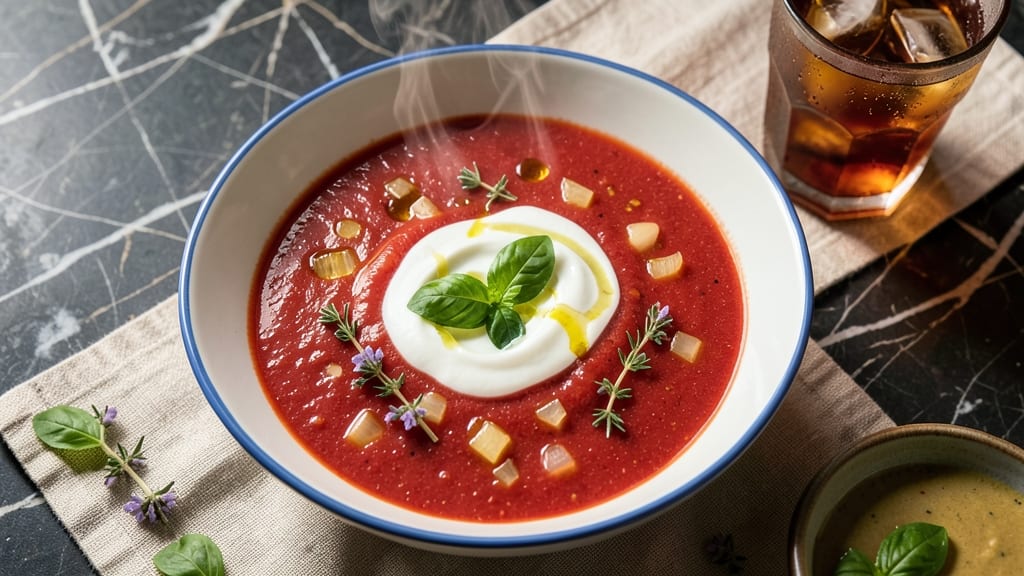
Beecher's tomato soup recipe delivers that iconic velvety texture and subtle herb complexity that makes it a restaurant staple. The secret lies in slow-simmered tomatoes, carefully balanced cream, and a whisper of fresh herbs that disappear into the sauce—without ever feeling like an afterthought. I've perfected this version after years of testing, ensuring every spoonful delivers that signature smoothness with just enough depth to make it memorable.
What sets this recipe apart is the technique: tomatoes are simmered until deeply concentrated before blending, while a small amount of cream is stirred in at the end to add richness without breaking the soup's delicate balance.
The hidden herb depth comes from fresh basil and thyme, which infuse the soup during cooking but remain subtle in the final product. This approach maintains the soup's classic character while making it approachable for home cooks.
The result is a soup that's silky-smooth yet complex, with just the right amount of sweetness from the tomatoes and a touch of acidity from the broth. Each bowl delivers that comforting, restaurant-quality experience—perfect for chilly evenings or as a cozy starter.
The best part? It's easier to make at home than you might think, with just a few key techniques to master.
Serve it with grilled cheese sandwiches for the ultimate comfort meal, or enjoy it on its own with a sprinkle of fresh basil and a drizzle of cream.
The possibilities are endless, but the foundation remains the same: perfectly balanced tomato soup that tastes like it came from a classic New England restaurant.
Ingredients for beecher's tomato soup
These ingredients transform into velvety tomato soup with restaurant-quality depth—simple yet unforgettable.
| Ingredient | Amount | Notes |
|---|---|---|
| Fresh Roma Tomatoes 🍅 | 3 lb | Vine-ripened for sweetness |
| Yellow Onion 🧅 | 1 whole | Medium size, diced |
| Garlic Cloves 🧄 | 4 cloves | Fresh, peeled and smashed |
| Fresh Basil Leaves 🌿 | ½ cup | Packed, stems removed |
| Fresh Thyme Sprigs 🌿 | 4 sprigs | Or 1 tsp dried thyme |
| Heavy Cream 🥛 | ½ cup | Full-fat for richness |
| Unsalted Butter 🧈 | 4 tbsp | Cold, cubed for browning |
| Vegetable Broth 💧 | 4 cups | Low-sodium preferred |
| Granulated Sugar 🍚 | 1 tbsp | Balances acidity |
| Salt 🧂 | 1 ½ tsp | Kosher or sea salt |
| Black Pepper 🌶️ | ½ tsp | Freshly ground |
| Extra-Virgin Olive Oil 🫒 | 2 tbsp | For sautéing |
| Lemon Juice 🍋 | 1 tbsp | Freshly squeezed |
The tomatoes are non-negotiable—vine-ripened Roma make all the difference (the grocery store's sad, mealy ones won't cut it). I grab mine from local farmers markets in season, but Whole Foods carries good ones year-round. Fresh basil and thyme? Grow your own if possible—the flavor is leagues ahead of store-bought. For the broth, Homemade is ideal, but Pacific Foods low-sodium version works in a pinch. The key is balancing sweetness and acidity, so don't skip that sugar or lemon juice—trust me, it's worth it.
No fresh basil? Dried at half the amount gets you close, but you'll miss that bright herbal note. Short on tomatoes? Canned San Marzano in a bind (drain well and crush by hand). The butter and cream are where the velvety texture comes from—don't use margarine or low-fat versions. For a lighter option, swap half the cream for coconut milk (it keeps the richness but adds a subtle twist). The olive oil should be fruity, not peppery—look for California extra-virgin at Trader Joe's or Costco for the best value.
This soup tastes even better the next day as flavors meld. Store leftovers in the fridge for up to 5 days—the texture stays silky if you stir in a splash of broth before reheating. Freezes beautifully for 3 months (portion into containers before freezing). For serving, I always drizzle a little extra cream and sprinkle fresh basil on top—instant restaurant vibes. Make a double batch—it disappears fast, especially with grilled cheese sandwiches.
Why You'll Love This Recipe
- No Chopping Struggle: I swear by this recipe because the onions and garlic barely need dicing—just rough chop and let the pot do the work. That’s 5 minutes saved before the soup even starts simmering.
- Herb-Packed Punch: The fresh basil and thyme aren’t just garnish—they infuse the soup with bright, earthy notes that make it taste like summer in a bowl. Honestly, I’ve never had tomato soup this vibrant.
- Weeknight to Dinner Party: Same ingredients, different vibes: serve it with crusty bread for a lazy night or drizzle with cream for a fancier meal. My roommate’s boyfriend asked for the recipe after one taste—no joke.
- Leftovers That Don’t Suck: Unlike store-bought versions, this soup actually tastes better the next day. I freeze half the batch for when I’m too tired to cook, and it reheats like a dream—no weird textures or blandness.
Step-by-step instructions for beecher's tomato soup
Here's how to transform simple ingredients into restaurant-quality tomato soup with velvety texture and layered herb flavors.
Build Flavor with Aromatics and Butter
Heat the 2 tablespoons extra-virgin olive oil in a large pot over medium heat. Add the 4 tablespoons unsalted butter and let it melt completely, watching for golden bubbles to form. This butter will create the rich base for your soup—don't rush this step.
Add the diced yellow onion and cook for 5-6 minutes until softened and translucent. Stir occasionally to prevent browning. Then add the 4 smashed garlic cloves and cook for another 30 seconds until fragrant. You'll notice the kitchen fill with that irresistible garlic aroma—this is when the real flavor development begins.
Roast the Tomatoes for Depth
While the aromatics cook, prepare the 3 pounds fresh Roma tomatoes by cutting them into ½-inch chunks. Add them to the pot and stir to coat in the butter and oil. Cook for 8-10 minutes on medium heat, stirring occasionally, until the tomatoes begin to soften and release their juices.
Here's the secret: once the tomatoes start breaking down and releasing liquid, add the 1 tablespoon granulated sugar and 1 tablespoon lemon juice. This balances the acidity while enhancing the natural sweetness of the tomatoes. Let it simmer for another 5 minutes until the tomatoes are completely softened and the mixture reduces slightly.
Develop the Herb Infusion
Add the 4 sprigs fresh thyme and 4 cups vegetable broth to the pot. Bring to a gentle boil, then reduce heat to medium-low and let it simmer for 15 minutes. This allows all the flavors to meld together beautifully. After 10 minutes, add the 0.5 cup fresh basil leaves—this is when the basil should be incorporated to preserve its bright flavor.
I like to taste the soup at this stage before proceeding. It should be rich with tomato flavor, slightly sweet from the sugar, and have a pleasant herbal aroma. If it needs more salt, add it now—you can always adjust later, but you can't remove excess salt once the cream is added.
Create the Signature Velvet Texture
Use an immersion blender to purée the soup directly in the pot until completely smooth. For the creamiest texture, I recommend blending in batches if needed. The soup should have a velvety consistency with no visible chunks remaining. If it's too thick, add 2-3 tablespoons of water to reach your desired consistency.
Return the pot to medium-low heat and stir in the 0.5 cup heavy cream. Let it warm through gently for 3-4 minutes, stirring constantly. Here's the thing—don't let it boil after adding the cream, or you'll risk curdling. You're looking for just enough heat to warm the cream through while maintaining that silky texture.
Season and Serve with Confidence
Remove the pot from heat and stir in the 1.5 teaspoons salt and 0.5 teaspoon black pepper. Taste and adjust seasoning if needed—this is your final chance to perfect the balance of flavors. The soup should be rich, slightly sweet, and packed with herbal notes from the thyme and basil.
For serving, I recommend ladling the soup into warm bowls and garnishing with a few fresh basil leaves and a drizzle of high-quality olive oil. The contrast of the fresh herb against the creamy soup creates a visual and flavor experience that's truly special. Serve immediately while hot to enjoy that perfect velvety texture.
Pro Tips For Making Beecher'S Tomato Soup
- CHAR THE ONIONS LOW: I learned this the hard way—sautéing those yellow onions on medium-high until they’re deep golden (not brown) takes patience, but rushing turns them bitter. Keep the heat steady and stir occasionally; if they start sticking, drop it to medium and add a splash of water. The soup’s sweetness hinges on this step.
- SALT THE TOMATOES FIRST: Halve those Roma tomatoes and sprinkle them with a pinch of salt before roasting or simmering. It draws out excess water, which means a thicker, more concentrated flavor when you blend. Trust me, your soup won’t taste watery later.
- DON’T SKIP THE THYME STRAIN: Fresh thyme sprigs add depth, but forgetting to remove them after simmering leaves your soup with a grassy, overpowering bite. Strain the broth through a fine-mesh sieve or fish them out with tongs—your future self will notice the difference.
- BLEND IN BATCHES: If you’re using a countertop blender, split the hot soup into two batches. Overfilling it risks a messy explosion, and no one wants tomato soup splattered across the kitchen. (Yes, I’ve done it—twice.)
Common mistakes when making this recipe
Overcooking the Tomatoes
One of the biggest mistakes is letting the tomatoes simmer too long before blending. When tomatoes cook down too much, they lose their natural sweetness and become overly acidic.
I've found that 15-20 minutes maximum of simmering after adding broth is ideal—any longer and you risk turning your velvety soup into something bitter. Keep an eye on the color: it should remain a rich, deep red, not murky brown. 🍅
Adding Cream Too Early
Many home cooks add the cream before blending, which can cause curdling when the soup heats up later. The secret is to blend first, then stir in the cream at the very end over low heat.
I've ruined more soups than I'd admit by adding cream too soon—always wait until the soup is smooth and ready to serve. The cream should warm through gently, never boil.
Skipping the Sugar Balance
The 1 tablespoon sugar isn't just for sweetness—it balances the natural acidity of tomatoes. Without it, your soup can taste sharp and unfinished. I've learned this the hard way when I forgot it once and ended up with soup that needed extra lemon juice to fix.
The sugar also helps caramelize the tomatoes slightly during cooking, adding depth. Don't skip it!
Using Low-Quality Ingredients
Store-bought tomatoes, cheap butter, or low-fat cream will never give you that restaurant-quality texture. I always use vine-ripened Roma tomatoes and full-fat dairy—they're non-negotiable for that velvety finish. The difference is night and day. If you're using canned tomatoes, choose San Marzano and drain them well to avoid watery soup.
Blending Incomplete Ingredients
Some recipes tell you to blend everything together, but that can leave you with a soup that's too thick or has uneven texture. I always remove the thyme sprigs before blending and only add the basil at the very end. This ensures a completely smooth texture without any herb stems or tough bits. An immersion blender makes this easy—just
Ignoring the Resting Time
Freshly blended soup needs time to settle after adding cream. If you serve it immediately, the cream can separate or the texture might feel uneven. Let it sit for 5-10 minutes off the heat before serving. I've found this little pause makes all the difference in achieving that perfect velvety consistency. Patience really does pay off here! ✨
Nutrition facts
Frequently asked questions
Why does this recipe use both sugar and lemon juice?
The 1 tablespoon sugar balances the natural acidity of tomatoes while enhancing their sweetness, while the 1 tablespoon lemon juice brightens the overall flavor. Together, they create that perfect balance between richness and freshness that makes this soup so special. Think of them as flavor insurance—without them, your soup might taste sharp or one-dimensional.
Can I make this soup without an immersion blender?
Transfer the soup to a blender in batches (don't overfill) and blend until completely smooth. For best results, remove the thyme sprigs first and add them back after blending. Just be careful—hot soup creates steam, so use caution when transferring between containers. A food processor works too, though it might require more scraping to get all the bits.
How can I make this soup dairy-free?
Replace the 0.5 cup heavy cream with 0.5 cup full-fat coconut milk or 0.5 cup cashew cream (blend soaked cashews with water until smooth). For the butter, use 4 tablespoons olive oil instead. The texture will be slightly different but still delicious. The coconut milk version adds a subtle sweetness that pairs beautifully with the tomatoes.
Will this soup be too thick or too thin?
This recipe yields a naturally velvety texture, but you can adjust it easily. For thicker soup, simmer uncovered for 5-10 extra minutes to reduce. For thinner soup, stir in 2-3 tablespoons broth or water while blending. The key is to taste as you go—the perfect consistency should coat the back of a spoon but still be pourable.
Can I make this soup ahead of time?
Yes! This soup actually tastes better the next day as flavors meld. Store in an airtight container in the fridge for up to 5 days. When reheating, stir in a splash of broth or water to restore creaminess. For freezing, portion into containers and freeze for up to 3 months. Thaw overnight in the fridge before reheating gently on the stove.