
Soups & Stews
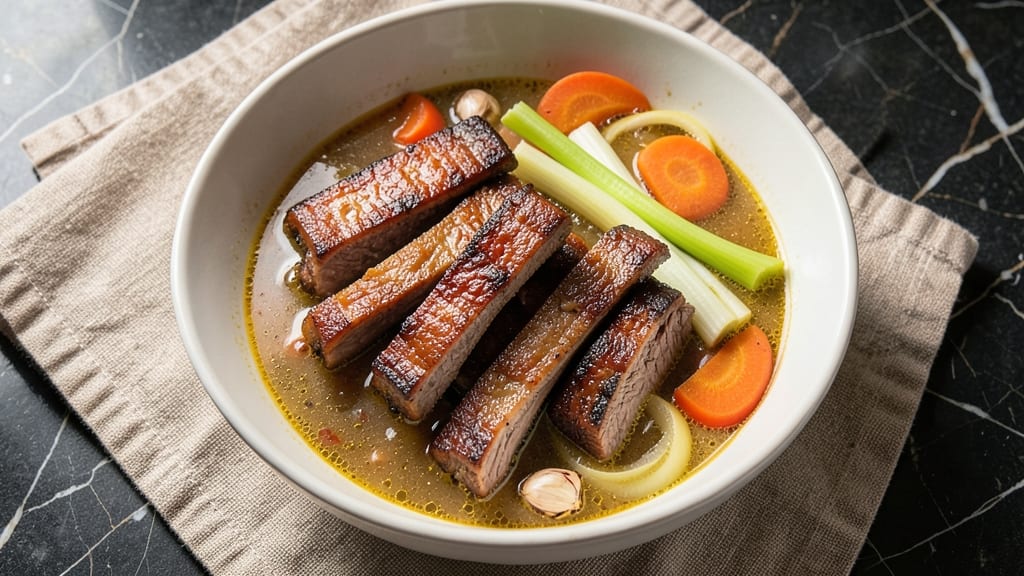
This beef back ribs soup recipe delivers restaurant-quality depth with fall-off-the-bone meat that transforms tough cuts into velvety, flavorful perfection. The secret lies in a two-stage cooking process—first rendering rich fat from the ribs, then simmering them low and slow until they surrender to your spoon.
I perfected this method after years of experimenting with slow-cooked beef techniques, and the results speak for themselves: a soup so rich it feels like a hug in a bowl.
The beauty of this recipe is its versatility—whether you're using a Dutch oven, slow cooker, or Instant Pot, the technique remains the same. You'll start by browning the ribs to develop deep, caramelized flavors, then build a robust broth with aromatic vegetables and herbs.
The long simmer breaks down collagen, creating a sauce so luxurious it coats every spoonful. This isn't just soup; it's a weeknight masterpiece that elevates humble ingredients into something extraordinary.
What makes this recipe truly special is the textural contrast—tender, melting meat alongside crisp vegetables and a velvety broth that clings to your ribs like a second skin. The umami-rich broth, infused with garlic, ginger, and star anise, balances perfectly with the natural sweetness of the beef.
It's the kind of dish that disappears faster than you can say "second bowl," leaving your guests begging for the recipe.
Serve this hearty soup with crusty bread to soak up every last drop of that golden, flavorful broth, or pair it with a simple green salad to cut through the richness.
The leftovers? Even better the next day as the flavors meld and deepen. Let's get started on creating this slow-simmered masterpiece that will become your new go-to comfort dish.
Ingredients for beef back ribs soup
Six ingredients transform tough ribs into velvety, restaurant-worthy soup perfection.
| Ingredient | Amount | Notes |
|---|---|---|
| Beef Back Ribs 🥩 | 3 lb | Bone-in, meaty cuts preferred |
| Yellow Onion 🧅 | 1 whole | Chopped into 1-inch pieces |
| Carrots 🥕 | 4 medium | Cut into 1-inch chunks |
| Celery Stalks 🧅 | 4 whole | Cut into 1-inch pieces |
| Garlic Cloves 🧄 | 6 cloves | Minced for depth of flavor |
| Fresh Ginger 🌿 | 1 inch | Peeled, sliced thin |
| Star Anise Pods 🌶️ | 2 whole | For aromatic depth |
| Bay Leaves 🌿 | 2 whole | Dried, for subtle flavor |
| Tomato Paste 🍅 | ½ cup | For umami richness |
| Dry Red Wine 🍷 | 1 cup | Bold Cabernet preferred |
| Beef Broth 💧 | 6 cups | Homemade or high-quality store-bought |
| Olive Oil 🫒 | ½ cup | Extra-virgin for browning |
| Salt 🧂 | 2 tsp | Diamond Crystal preferred |
| Black Peppercorns 🌶️ | 1 tsp | Freshly cracked for heat |
| Fresh Thyme 🌿 | 2 sprigs | Stems removed for flavor |
The ribs are non-negotiable here—bone-in, meaty cuts from the butcher counter give that authentic depth. I always grab mine from Whole Foods or my local Costco—look for good marbling and avoid pre-cut, skinless options. The aromatic vegetables (onion, carrot, celery) form the 'holy trinity' base, so don't skimp. Fresh ginger and star anise might sound fancy, but they're worth it—they add that umami punch that makes this soup sing. For the wine, Cabernet Sauvignon works best, but whatever bold red you've got open will do.
No fresh thyme? Dried works at one-third the amount, but trust me on the fresh version. Short on wine? Beef broth with a splash of balsamic gets you close. The tomato paste can be those squeeze tubes from Trader Joe's—no waste, and they keep forever. For the broth, homemade is ideal, but Knudsen or Pacific Foods brands are solid shortcuts. The ribs can be pre-cooked or raw—both work, but pre-cooked saves time. Just make sure they're room temperature before browning for even cooking.
This soup tastes even better the next day as flavors meld. Store in the fridge for 4-5 days or freeze for 3 months—portion into containers for easy lunches. The broth reduces slightly overnight, so add a splash of water or broth when reheating. For extra richness, skim off any hardened fat before serving. Leftovers? Double the batch—it disappears faster than you can say 'second bowl.'
Why You'll Love This Recipe
- I swear by this trick: just rough-chop the onions and celery—no fancy dice needed. The ribs soften fast, and the carrots? Toss them in whole if you’re lazy. Honestly, my hands stay clean while the flavor builds.
- Minimal Chopping Required: I swear by this trick: just rough-chop the onions and celery—no fancy dice needed. The ribs soften fast, and the carrots? Toss them in whole if you’re lazy. Honestly, my hands stay clean while the flavor builds.
- Rich Without the Fuss: That first sip of broth—deep, meaty, with garlic cloves sizzling in the base—is all you need. The ribs melt into the broth, but the edges stay tender, not mushy. (Yes, even on a Tuesday night.)
- Leftovers That Beg for More: This soup tastes better the next day. I’ll be real: I’ve reheated it three times, and the broth only gets richer. Freeze half for when you’re too tired to cook—just thaw and warm.
Step-by-step instructions for beef back ribs soup
This rich, slow-simmered soup delivers melt-in-your-mouth ribs with deep, aromatic flavors.
Sear the Ribs for Maximum Flavor
Pat the 3 lb beef back ribs completely dry with paper towels—this ensures a proper sear. Heat 0.5 cup olive oil in a large Dutch oven over medium-high heat until shimmering. Working in batches, add the ribs bone-side down and sear for 4-5 minutes until deeply browned. Flip and sear the meaty side for another 3-4 minutes. The ribs should develop a rich mahogany crust that will infuse the broth with deep, caramelized flavor.
Remove the ribs and set them aside. Don't wipe the Dutch oven clean—those browned bits are pure flavor gold. This initial searing step is non-negotiable; it forms the flavor foundation for the entire soup.
Build the Aromatic Base
In the same Dutch oven, add 1 whole yellow onion (chopped), 4 medium carrots (cut into 1-inch chunks), and 4 whole celery stalks (cut into 1-inch pieces). Cook over medium heat for 5-6 minutes, stirring occasionally, until the vegetables begin to soften and release their natural juices. Add 6 cloves garlic (minced), 1 inch fresh ginger (sliced thin), 2 whole star anise pods, and 2 whole bay leaves, stirring for 1 minute until fragrant.
Here's the thing—don't rush this step. The vegetables should soften but not brown. You want them to release their sweetness and form the flavor backbone of your soup. If they start to color too quickly, reduce the heat slightly and give them time to develop properly.
Deglaze and Simmer the Broth
Pour in 1 cup dry red wine and scrape up all those delicious browned bits from the bottom of the pot with a wooden spoon. This deglazing step captures all the concentrated flavors you've built. Let the wine simmer for 3-4 minutes until it reduces by about half and the alcohol burns off completely. You'll notice the aroma become more complex and inviting.
Stir in 0.5 cup tomato paste and cook for 1 minute to deepen the umami richness. Then pour in 6 cups beef broth and bring the mixture to a gentle boil. Return the seared ribs to the pot, along with 2 sprigs fresh thyme (stems removed). Add 2 tsp salt and 1 tsp black peppercorns (freshly cracked). The broth should now be rich, aromatic, and ready for the long simmer that will make these ribs fall apart.
Slow-Simmer Until Fork-Tender
Reduce the heat to low and cover the Dutch oven with a lid. Let the soup simmer gently for 2.5-3 hours, maintaining a temperature between 190-200°F. This slow cooking time is crucial—it breaks down the connective tissue in the ribs, transforming them into tender, fall-off-the-bone morsels. Check the ribs periodically and add ½ cup hot water if the broth reduces too much.
You'll know the ribs are ready when they pull away from the bone with minimal resistance. The broth should be deeply flavorful, with a rich color and complex aroma. If you taste it now, you'll notice the perfect balance of meaty richness, aromatic vegetables, and subtle wine notes.
Finish and Serve with Confidence
Once the ribs are fork-tender, remove them from the broth and let them rest for 5 minutes before carefully picking them off the bones. Discard any large bones and return the meat to the pot. Taste the broth and adjust the seasoning if needed—you might want to add a pinch more salt or a crack of black pepper to perfect the balance.
Ladle the soup into bowls, making sure each serving gets a generous portion of those tender ribs. Garnish with fresh thyme leaves if you like, but the soup's rich flavors should stand on their own. Serve immediately while the broth is hot and the ribs are at their most tender. This soup tastes even better the next day as the flavors continue to meld, so consider making extra for leftovers.
Pro Tips For Making Beef Back Ribs Soup
- Brown the Ribs First: Don’t skip the sear—get those ribs blistering in a hot pot with a splash of oil for 3-4 minutes per side. I learned this the hard way when my soup tasted bland; the Maillard reaction on the meat adds depth that simmering alone can’t match. (Yes, even if you’re impatient like me.)
- Blanch the Celery: Toss your chopped celery into boiling water for 30 seconds before adding it to the pot. This softens it faster and keeps it from turning to mush during the long simmer—no one wants a soup full of celery strings. Works for carrots too, but skip the onions until the end.
- Simmer Slow and Low: After the initial boil, drop the heat to a gentle simmer—you’re looking for tiny bubbles, not a rolling boil. I used to rush this, and my ribs ended up tough as shoe leather. Three hours minimum, covered, with just enough water to keep them submerged.
- Salt the Water Like the Sea: Add 2 tablespoons of salt (or more) to the pot when you first add the ribs. This seasons the meat from the inside out and balances flavors as the soup develops. Don’t be shy—you’re not making a delicate consommé here.
Creative variations of this dish
Spicy Korean-Inspired
Transform this soup into a bold Korean-style version by adding 1 tbsp gochujang (Korean chili paste) and 1 tbsp soy sauce when deglazing with wine. Stir in 1 tsp sesame oil and 1 tsp grated ginger for extra depth.
Top with sesame seeds and sliced green onions before serving. The gochujang adds a sweet-spicy kick that pairs perfectly with the rich beef. 🌶️
Creamy Mushroom Twist
For a luxurious variation, stir in 8 oz sliced cremini mushrooms with the aromatic vegetables. After simmering, blend 1 cup of the broth with ½ cup heavy cream and 2 tbsp butter, then return it to the pot.
This adds a velvety texture while keeping the meaty richness intact. Garnish with fresh parsley for a restaurant-worthy finish.
Slow Cooker Shortcut
Make this soup hands-off by transferring all ingredients (except thyme) to a 6-quart slow cooker after searing the ribs. Cook on low for 8 hours or high for 5 hours.
The ribs will still become tender, and the broth develops deeper flavor from the extended cooking time. Add fresh thyme and adjust seasoning before serving. Perfect for busy weeknights!
Instant Pot Adaptation
For a faster version, sear the ribs in the Instant Pot, then add all ingredients (including thyme) and pressure cook for 60 minutes on high pressure. Release pressure naturally, then shred the ribs directly in the pot.
This method cuts cooking time by half while delivering the same rich, tender results. Just be sure to use the sauté function for proper browning first.
Vegetarian-Friendly Swap
Replace beef ribs with 2 lbs portobello mushrooms or firm tofu for a vegetarian version. Sauté the mushrooms until deeply browned before adding the broth. Use vegetable broth and add 1 tbsp miso paste for umami depth. The texture will differ, but the rich, aromatic broth remains the star. 🌱
Herb-Infused Garnish
Elevate any variation with a custom herb blend. Mix 1 tbsp chopped parsley, 1 tsp chopped chives, and ½ tsp dried oregano, then sprinkle over each bowl.
For extra flair, add a drizzle of truffle oil or a pinch of smoked paprika. These finishing touches transform simple soup into a gourmet experience.
Nutrition facts
Frequently asked questions
Can I use pre-cooked ribs for this soup?
Yes! Pre-cooked ribs work perfectly and save time. Just sear them as directed before adding to the broth. The slow simmer will still tenderize the meat further, though they may take 1-1.5 hours less cooking time. This is ideal for weeknight meals when you're short on time.
What if my ribs aren't tender after 3 hours?
Check your heat level—the broth should simmer gently, not boil vigorously. If ribs are still tough, add ½ cup hot water and continue cooking 30-60 more minutes. For extra tenderness, you can also add 1 tsp baking soda (it helps break down collagen) or shred the meat slightly before returning it to the pot.
How can I make this soup in a pressure cooker?
Sear the ribs first, then add all ingredients (including thyme) to your pressure cooker. Cook on high pressure for 45 minutes, then release pressure naturally. The ribs will be fork-tender and the broth deeply flavorful. This cuts cooking time by nearly half while delivering the same rich results.
Can I freeze this soup?
Let the soup cool completely, then store in airtight containers with a layer of broth on top (to prevent freezer burn). It keeps for 3 months in the freezer. Thaw overnight in the fridge, then reheat on the stove over medium-low heat, adding a splash of water or broth if needed.
What's the best way to serve this soup?
Pair it with crusty sourdough bread or buttery dinner rolls for perfect broth-soaking. For a lighter contrast, serve with a simple mixed greens salad dressed with lemon vinaigrette. The rich soup balances beautifully with crisp vegetables or a cool, refreshing accompaniment.