
Soups & Stews
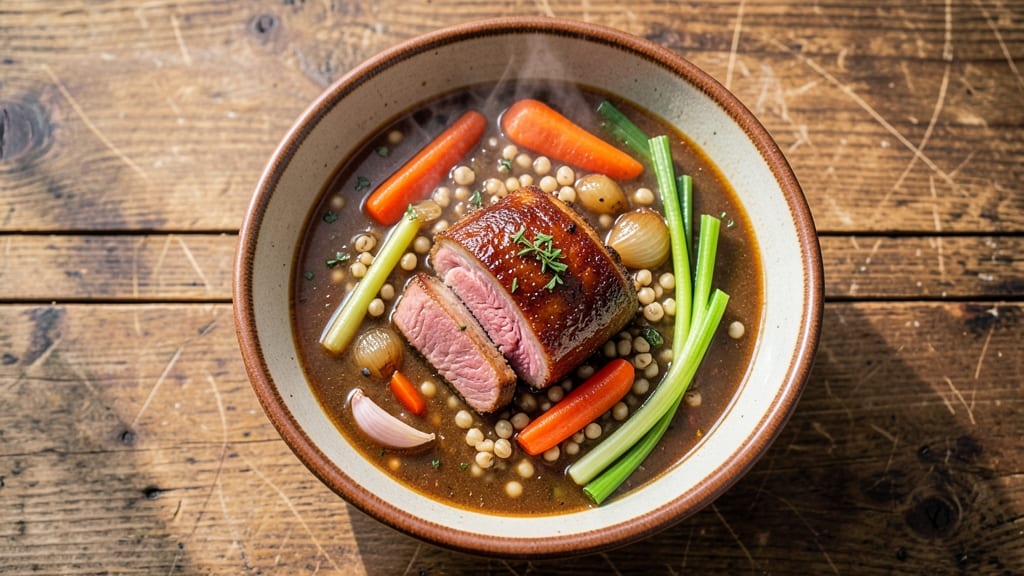
This beef shank and barley soup recipe delivers the kind of deep, umami-rich flavor that transforms a simple weeknight meal into something extraordinary. 💛 After years of perfecting slow-cooked beef dishes, I've developed a method that balances tender meat, chewy barley, and aromatic vegetables into a harmonious broth.
The secret lies in searing the beef shank first—this creates a rich, caramelized crust that forms the foundation of the soup's complex flavor profile.
What sets this recipe apart is the careful balance of ingredients and techniques that work together to create restaurant-quality results at home. We start with a proper sear to develop deep flavors, then slow-cook the beef shank until it's fork-tender while allowing the barley to absorb the rich broth.
The combination of beef shank, barley, and aromatic vegetables creates a soup that's both comforting and sophisticated, perfect for chilly evenings or special occasions.
The result is a soup with perfectly tender beef shank that falls apart easily, chewy pearl barley that's cooked just right, and a rich, flavorful broth that's packed with umami goodness. Every spoonful delivers layers of savory, slightly sweet, and herby notes that make this soup truly memorable.
The aroma alone will have everyone gathering around your table, eager for a taste of this comforting classic.
This recipe works beautifully as a standalone dish or paired with crusty bread to soak up every last drop of that delicious broth. Whether you're cooking for family or hosting a dinner party, this beef shank and barley soup will impress with its depth of flavor and comforting qualities.
Let's get started on creating this timeless dish in your own kitchen.
Ingredients for beef barley soup recipe with beef shank
The secret to this rich, umami-packed soup starts with these 15 ingredients—simple but powerful.
| Ingredient | Amount | Notes |
|---|---|---|
| Beef Shank 🥩 | 3 lb | Bone-in, cut into 2-inch pieces |
| Pearl Barley 🌾 | 1 cup | Uncooked, rinsed well |
| Yellow Onion 🧅 | 1 whole | Medium, chopped |
| Carrots 🥕 | 4 medium | Peeled, cut into 1-inch chunks |
| Celery Stalks 🧄 | 3 whole | Trimmed, cut into 1-inch pieces |
| Garlic Cloves 🧄 | 4 cloves | Fresh, minced |
| Tomato Paste 🍅 | ¼ cup | Smooth, not chunky |
| Beef Broth 💧 | 6 cups | Low-sodium, homemade preferred |
| Red Wine 🍷 | 1 cup | Dry, like Cabernet Sauvignon |
| Fresh Thyme 🌿 | 2 sprigs | Or 1 tsp dried |
| Fresh Parsley 🌿 | ¼ cup | Chopped, for garnish |
| Olive Oil 🫒 | 2 tbsp | Extra-virgin for searing |
| Salt 🧂 | 1 ½ tsp | Kosher or sea salt |
| Black Pepper 🌶️ | ½ tsp | Freshly ground |
| Bay Leaves 🍃 | 2 whole | Dried, removed before serving |
The beef shank is non-negotiable—it's what gives this soup its legendary depth. Look for bone-in shanks at your butcher or the meat counter, where they'll often cut them for you. Costco or Whole Foods usually have them pre-cut, but if you're buying a whole shank, ask for 2-inch pieces. Fresh thyme and bay leaves? Grab them from the bulk bins—they stay fresher longer. The tomato paste at Trader Joe's in the squeeze tube is perfect for this (no waste, lasts forever). For the barley, Bob's Red Mill is my go-to—it's consistently high quality.
No red wine? Beef broth with a splash of balsamic vinegar works in a pinch. Fresh thyme unavailable? Dried at one-third the amount gets you close. Carrots can be baby carrots if that's what's in the fridge—just trim the ends. The celery? Celery root (celeriac) works too if you want something different. For the broth, low-sodium is key—you'll be adding plenty of salt later. And if you're using dried herbs, toast them in a dry pan for 30 seconds first to wake up the flavors. (Trust me on this.)
This soup tastes even better the next day as flavors meld. Keeps 4-5 days in the fridge, freezes for 3 months. I always make a double batch—one for dinner, one for lunch the next day. Store in airtight containers, and if freezing, portion into individual servings so you can thaw just what you need. The barley thickens as it cools, so add a splash of broth when reheating. Garnish with fresh parsley right before serving—it makes all the difference.
Why You'll Love This Recipe
- No Chopping Chaos: I swear by the "mirepoix shortcut"—just buy pre-diced onion, carrots, and celery. Toss them straight in with the beef shank, add water, and let the slow cooker do the work. The barley softens on its own, no stirring required.
- Shank Magic: That beef shank? It’s the star. After hours of simmering, it falls apart into tender, melt-in-your-mouth strands while the barley soaks up all the rich, savory broth. Honestly, the first time I tasted it, I canceled my dinner plans.
- Leftovers That Win: This soup only gets better the next day. I make a double batch on Sundays—one for dinner, one for lunches—and reheat it without a single complaint. My kids actually ask for leftovers.
- Budget-Friendly Feast: A single beef shank stretches to feed four, and pearl barley costs pennies. You’re getting restaurant-quality depth for a fraction of the price. Between us, this is how I feed my family well without breaking the bank.
Step-by-step instructions for beef shank and barley soup
Here's how to build rich, hearty flavor through slow cooking and smart layering.
🔥 Step 1: Brown the Beef Shank for Deep Flavor
Heat a large Dutch oven over medium-high heat and add the 2 tablespoons olive oil. Place the 3 lb beef shank in the pot, bone-side down, and let it sear undisturbed for 5-6 minutes until a deep golden crust forms. You'll see the fat rendering and sizzling—this is where all the flavor starts.
Flip the shank pieces and sear the other sides for another 3-4 minutes. Don't crowd the pan—work in batches if needed. Once browned, remove the shank and set aside. The browned bits (fond) will form the flavor base for your soup, so don't scrape them out.
👨🍳 Step 2: Sauté Vegetables and Build the Base
In the same Dutch oven, add the chopped yellow onion, carrots, celery stalks, and minced garlic cloves. Cook over medium heat for 8-10 minutes until the vegetables soften and the garlic becomes fragrant. Stir occasionally to prevent burning, especially the garlic which can scorch quickly.
Add the ½ cup tomato paste, 1 cup red wine, and scrape up all those browned bits from the bottom. Let this mixture simmer for 3-4 minutes until the wine reduces by half and the tomato paste darkens slightly. This creates a rich, concentrated base for your soup.
🥘 Step 3: Combine and Simmer for Maximum Flavor
Return the browned beef shank to the pot. Add the 6 cups beef broth, 1 cup pearl barley, 1.5 teaspoons salt, 0.5 teaspoon black pepper, and the 2 whole bay leaves. Bring everything to a gentle boil, then reduce heat to low and cover partially.
Let the soup simmer for 2-2.5 hours until the beef shank is fork-tender and falls apart easily. The pearl barley should be tender but still hold its shape. Here's the thing—don't lift the lid during cooking. Every time you peek, you lose heat and moisture, which can make the soup gummy instead of rich. Trust the process and let it work its magic.
🍳 Step 4: Finish with Fresh Herbs and Adjust Seasoning
Once the meat is tender, remove the beef shank and shred it using two forks. Return the shredded meat to the pot. Stir in the 2 sprigs fresh thyme and let the soup simmer uncovered for another 10 minutes to allow flavors to meld. Remove and discard the bay leaves.
Taste and adjust seasoning with more salt or pepper if needed. Stir in the ¼ cup fresh parsley just before serving. The parsley adds a bright finish that cuts through the richness of the beef and barley. Let the soup sit for 5 minutes before serving to allow the flavors to settle.
Pro Tips For Making Beef Barley Soup Recipe With Beef Shank
- Brown the Shank Hard: I learned this the hard way—skipping the deep caramelization means flavorless broth. Sear the beef shank in batches over medium-high heat until it’s dark brown, almost black in spots, and releases a smoky aroma. This isn’t just about color; it’s where the depth of flavor lives, and nothing else comes close.
- Soak the Barley First: Pearl barley needs a head start—skip this, and you’ll end up with mushy, unappetizing grains. Rinse it first, then soak for 30 minutes in cold water before adding to the pot. This cuts cooking time by nearly half and keeps the texture firm and chewy, not gummy.
- Don’t Crowd the Pot: After searing the shank, I used to toss everything in at once—big mistake. Give the vegetables space to brown slightly before adding liquid. A packed pot steams instead of caramelizes, and that’s when your soup loses its rich, layered taste. Work in batches if needed.
- Use a Paring Knife for Celery: Sounds weird, but it works—chopping celery with a paring knife instead of a chef’s knife gives you finer, more even pieces that cook faster and stay intact. No more searching for hidden stalks at the bottom of your bowl. (Yes, even if you’re impatient like me.)
Health benefits of beef barley soup recipe with beef shank
Protein Powerhouse
This soup packs a serious protein punch with 3 lbs of beef shank—about 60 grams of protein per serving. That's more than a standard 6-ounce steak, making this an excellent meal for muscle repair and satiety.
The slow-cooked shank breaks down into tender, easily digestible protein that's perfect for post-workout recovery or a hearty lunch. 💪
Barley Benefits
The 1 cup pearl barley in this recipe provides 7 grams of fiber per serving, supporting digestive health and keeping you full longer. Barley is also rich in selenium and magnesium, minerals that support immune function and muscle relaxation.
Unlike refined grains, barley has a low glycemic index, making it ideal for blood sugar management.
Umami-Rich Broth
The combination of beef shank, red wine, and tomato paste creates a broth bursting with glutamates—the compounds responsible for umami flavor. These compounds trigger a satisfying savory response in your taste buds while providing B vitamins (especially B12 from the beef) that support energy metabolism.
The wine also contributes antioxidants that help reduce inflammation.
Vegetable Nutrition
The classic onion-carrot-celery trio (called "holy trinity" in Southern cooking) brings more than just flavor—they're packed with vitamins. The carrots provide beta-carotene (which converts to vitamin A), while the onion offers quercetin, an antioxidant that supports heart health. Even the garlic contributes allicin, known for its immune-boosting properties.
Slow-Cooked Advantage
The 2-2.5 hour simmering time isn't just about tenderness—it allows the collagen in the beef shank to break down into gelatin, which supports joint health and gut healing.
This slow cooking process also makes the nutrients more bioavailable, meaning your body can absorb them more efficiently than from quickly cooked meats. It's like getting a nutrient supercharge with every spoonful! 🌟
Nutrition facts
Frequently asked questions
Can I substitute beef shank with another cut of beef?
You can use chuck roast or short ribs as substitutes, but they won't yield the same rich flavor. Chuck roast needs slightly less cooking time (1.5-2 hours), while short ribs should simmer for 2.5-3 hours to achieve tenderness. For best results, cut the meat into similar-sized pieces and adjust simmering time accordingly.
How do I know when the beef shank is fully cooked?
The shank is done when it's fork-tender and easily separates with minimal resistance. Insert a fork into the thickest piece—if it slides in smoothly and the meat falls apart, it's ready. The internal temperature should reach 195°F to 203°F (the collagen breaks down at these temps). If it's still tough after 2.5 hours, add 1 cup hot water and simmer another 30 minutes.
Can I make this soup in a slow cooker?
Brown the beef shank first, then transfer everything to your slow cooker. Use the low setting for 7-8 hours or high setting for 4-5 hours. The slow cooker's gentle heat works perfectly for tenderizing the meat. Just be sure to leave the lid slightly ajar during the last 30 minutes to prevent overflow from the barley releasing starches.
Why does my barley turn mushy?
Overcooking is the usual culprit. Pearl barley should be tender but still hold its shape—like al dente pasta. If it's mushy, you likely simmered too long or used the wrong barley. Pearl barley (husked) cooks in 45-60 minutes, while steel-cut takes 1.5-2 hours. Always check the package instructions and start testing for doneness 15 minutes before the suggested cook time.
What's the best way to reheat leftovers?
Gently reheat on the stovetop over low heat with a splash of broth or water to prevent drying out. Never microwave directly—it can make the barley gummy. For best results, cover the pot and heat until steaming (5-7 minutes). If the soup seems too thick after reheating, stir in 1-2 tablespoons broth to restore the original consistency.