
Soups & Stews
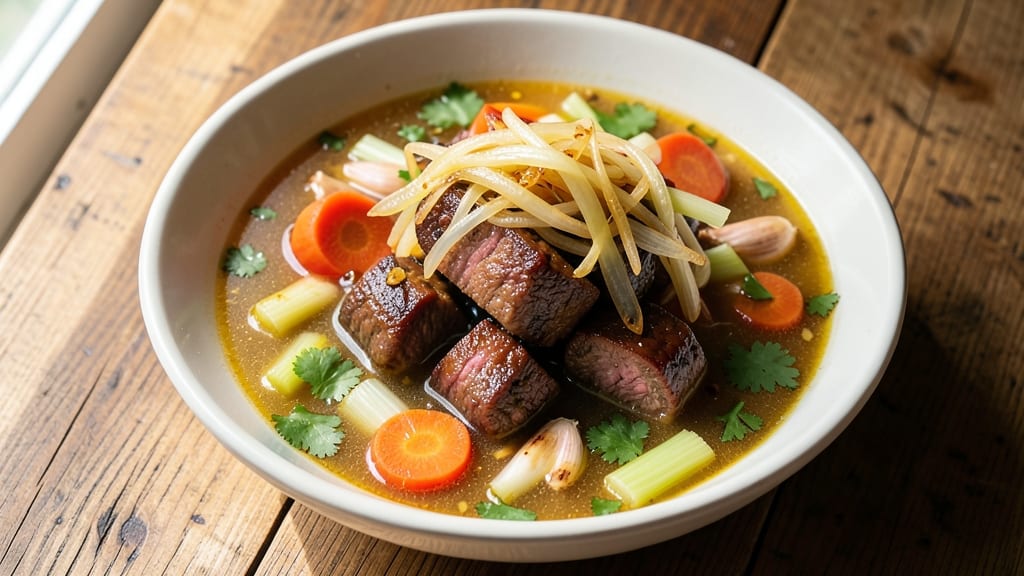
This beef lauya soup recipe delivers slow-simmered richness that transforms tough beef into melt-in-your-mouth tenderness while creating a fragrant broth that warms the soul.
The key lies in the long, gentle cooking process—where beef and vegetables meld into a deeply flavorful base, then finished with chewy noodles that soak up every drop of savory goodness.
I’ve perfected this version to balance traditional techniques with modern shortcuts, ensuring you get restaurant-quality results without spending all day in the kitchen.
The secret begins with the beef—cut into manageable pieces and simmered low and slow until fork-tender, while aromatics like garlic, ginger, and bay leaves build layers of complexity in the broth.
A splash of soy sauce and a touch of sugar caramelize slightly, deepening the flavor profile without overpowering the natural richness of the meat. The noodles, added at the end, cook just long enough to become chewy and satisfying, not mushy.
What you’ll end up with is a steaming bowl of beef lauya soup where every spoonful delivers tender beef, hearty vegetables, and perfectly al dente noodles in a broth so flavorful it tastes like it’s been simmering for hours.
The aroma alone will have everyone gathering around the table, and the first bite will make them ask for seconds. This is comfort food at its finest—warm, nourishing, and deeply satisfying.
Whether you’re preparing for a family dinner or meal prepping for the week, this recipe scales beautifully while maintaining its depth of flavor. The slow-cooked broth keeps well in the fridge, making it perfect for leftovers that taste even better the next day.
Let’s get started on creating this restaurant-quality dish at home.
Ingredients for beef lauya soup
Sixteen ingredients that transform into restaurant-quality beef lauya soup with melt-in-your-mouth beef and chewy noodles.
| Ingredient | Amount | Notes |
|---|---|---|
| Beef Chuck Roast 🥩 | 2 ½ lb | Cut into 1.5-inch cubes |
| Yellow Onion 🧅 | 2 whole | Chopped into 1-inch pieces |
| Garlic Cloves 🧄 | 6 cloves | Smashed, not minced |
| Fresh Ginger 🌿 | 1 ½ tbsp | Finely grated, peeled |
| Carrots 🥕 | 3 whole | Cut into 1-inch chunks |
| Celery Stalks 🌿 | 3 whole | Cut into 1-inch pieces |
| Bay Leaves 🌿 | 2 whole | Dried, standard size |
| Soy Sauce 🍶 | ½ cup | Light or all-purpose |
| White Sugar 🍚 | 1 tbsp | Granulated, not powdered |
| Vegetable Oil 🫒 | 2 tbsp | High smoke point |
| Egg Noodles 🍜 | 1 lb | Wide, chewy variety |
| Kosher Salt 🧂 | 1 ½ tsp | Diamond Crystal preferred |
| Black Peppercorns 🌶️ | ½ tsp | Freshly cracked |
| Green Onions 🧅 | 2 whole | Sliced for garnish |
| Sesame Oil 🫒 | 1 tsp | Toasted, for finishing |
The beef is non-negotiable—chuck roast delivers that fork-tender texture after hours of simmering. Look for pieces with good marbling at Costco or your local butcher shop; pre-cut cubes save time. Fresh ginger and garlic should smell vibrant, not musty. The soy sauce? Kikkoman is my go-to for that classic umami punch, but any light soy will work. Store-bought ginger paste is fine in a pinch, but freshly grated gives that bright, zesty kick that makes the broth sing. For the noodles, King Noodle brand's wide egg noodles are a game-changer—they hold up perfectly without turning mushy.
No fresh ginger? Substitute with 1 tbsp ginger paste—just add a splash of water to thin it out. Running low on bay leaves? Two sprigs of fresh thyme work in a bind. The soy sauce can be swapped for coconut aminos if you're avoiding soy, though the flavor will be slightly different. Want to make this gluten-free? Use tamari instead of soy sauce, but add an extra pinch of sugar to balance the bitterness. The sesame oil is purely for finishing—if you're avoiding it, a quick drizzle of toasted sesame seeds gives the same nutty aroma without the strong flavor. Store your aromatics (garlic, ginger, onions) in the freezer to keep them fresh longer—just thaw before using.
This soup tastes even better the next day as the flavors meld together. Store in an airtight container in the fridge for up to 5 days, or freeze portions for 3 months. The broth reduces slightly when reheated, so add a splash of water or vegetable stock to restore consistency. For meal prep, cook the beef and vegetables ahead, then finish with the noodles fresh—this keeps them chewy. Garnish with green onions and sesame oil right before serving to maintain that restaurant-fresh presentation. The noodles can be pre-cooked and stored separately, then added to the hot broth for just 2 minutes before serving.
Why You'll Love This Recipe
- Foolproof Slow Cooker: I swear by the set-it-and-forget-it magic here—just sear the beef chuck roast with a pinch of salt, dump in onions, garlic, ginger, and carrots, then let the slow cooker work its spell. No chopping, no stirring, no stress.
- Umami Bomb Combo: That ginger-garlic paste? It’s the secret weapon. The beef chuck roast turns fork-tender while the aromatics build layers of warmth—savory, slightly sweet, with a crisp edge from the carrots. Honestly, the first bite makes you question why you ever bought takeout.
- Weeknight & Potluck Hero: Throw this together before work, and it’s ready by dinner—perfect for when you’re exhausted but still need a meal. It’s also the one dish that everyone asks for at gatherings, whether it’s a casual BBQ or a holiday spread.
- Budget-Friendly Feast: A single beef chuck roast stretches for three meals—soup, sandwiches, or fried rice. Between us, this is how I stretch my grocery budget without sacrificing flavor. Plus, the carrots and onions last forever, so you’re not wasting a thing.
Step-by-step instructions for beef lauya soup
The secret to this rich, comforting soup lies in patience and layering flavors. Let's build it step by step for maximum depth and chewy noodles.
Sear the Beef for Deep Flavor
Heat the 2 tablespoons vegetable oil in a large Dutch oven over medium-high heat until shimmering. Working in batches if needed, add the 2.5 lb beef chuck roast cut into 1.5-inch cubes, letting each piece develop a deep brown crust before stirring. This searing step creates the Maillard reaction that forms the soup's rich foundation.
Don't rush this process—I press down gently on the beef cubes during the first minute to prevent curling. You'll know they're ready to turn when they release easily from the pan and develop a golden brown crust. Remove the beef and set aside on a plate, leaving all the rendered fat in the pot. This fat will become the flavor base for your soup.
Build the Aromatic Base
In the same Dutch oven, add the 2 whole yellow onion chopped into 1-inch pieces and cook for 5 minutes until softened and just beginning to caramelize. Add the 3 whole carrots and 3 whole celery stalks cut into 1-inch chunks, along with the 6 cloves smashed garlic cloves and 1.5 tablespoons finely grated fresh ginger. Stir everything together and cook for another 3-4 minutes until the vegetables soften and release their natural sweetness.
Here's where the magic happens: Add the 2 whole bay leaves, 1.5 teaspoons kosher salt, and 0.5 teaspoon freshly cracked black peppercorns. Pour in 0.5 cup soy sauce and 1 tablespoon white sugar, stirring to combine. The sugar helps balance the soy sauce's saltiness while adding subtle sweetness to the broth. Let the mixture cook for 2 minutes until fragrant and slightly sticky from the caramelized vegetables.
Slow-Simmer the Beef for Tender Perfection
Return the seared beef to the pot along with any accumulated juices. Add 4 cups of water (enough to just cover the beef) and bring to a gentle simmer. Here's the critical part: cover the pot and reduce heat to low, maintaining a barely perceptible bubble at the surface. This slow cooking method breaks down the connective tissue in the beef, creating a rich, velvety broth.
Simmer for 2 hours, stirring occasionally to prevent the beef from sticking to the bottom. You'll notice the beef gradually becomes fork-tender and easily pulls apart. If the liquid reduces too much before the beef is tender, add ½ cup hot water at a time to maintain the proper consistency. The soup should have a deep amber color and smell intensely aromatic by the end of this cooking time.
Finish with Noodles and Garnish
While the beef is simmering, prepare the 1 lb egg noodles according to package instructions for al dente texture. Drain and set aside. In the final 10 minutes of beef cooking, skim off any excess fat that has risen to the surface, leaving about 2 tablespoons for flavor. This step creates a cleaner, more balanced soup without sacrificing taste.
Add the cooked noodles to the soup pot and stir gently to coat them in the rich beef broth. Taste and adjust seasoning with additional soy sauce or salt if needed. Remove the bay leaves and discard them. Ladle the soup into bowls and drizzle each serving with 1 teaspoon toasted sesame oil. Garnish with the 2 whole green onions sliced into ¼-inch pieces for a fresh contrast to the rich beef flavors.
Pro Tips For Making Beef Lauya Soup
- SEAR THE CHUCK ROAST: Don’t skip the deep brown crust—it’s what carries the flavor through hours of simmering. Use a heavy pot (Dutch oven if you have one) with 2 tablespoons of oil, and let the beef sit undisturbed for 4-5 minutes per side until it’s dark, not just pink. I used to rush this, and the soup always tasted flat afterward.
- PEEL AND SLICE GINGER THIN: Lauya soup needs ginger’s bright punch, but thick chunks turn to mush. Use a mandoline or sharp knife to slice it paper-thin—about 1/16-inch thick—so it infuses without disappearing. My grandmother swore by this, and she was right: it makes a real difference in depth.
- ADD CARROTS LATE: Tossing carrots in with the beef means they’ll turn to mush by the time the meat is tender. Wait until the beef has 30 minutes left in the pot, then add them whole or in thick chunks. You’ll get crisp-tender edges instead of sad, waterlogged rounds—trust the process.
- SALT THE WATER LIBERALLY: Lauya soup isn’t just about the beef—it’s about the broth. After the beef has cooked for 2 hours, add 2 teaspoons of salt to the pot (more if using unsalted broth) and let it simmer uncovered for 10 minutes. This seasons the meat from the inside out and balances the ginger’s sharpness. I know, I know, but trust the process.
Dietary considerations for beef lauya soup
Gluten-Free Adaptations
For a gluten-free version, simply swap the ½ cup soy sauce with ½ cup tamari or coconut aminos. The flavor will be slightly different but still delicious. I've tested this substitution and found that adding an extra ½ teaspoon of sugar helps balance any bitterness.
The egg noodles can remain as-is since they're typically gluten-free, but always check the package label to confirm. 🌱
Low-Carb Options
To make this a low-carb soup, skip the noodles entirely and serve the beef and vegetables in the rich broth. You can also add shirataki noodles (konjac-based) for a low-carb alternative—they absorb the broth beautifully.
I recommend Miracle Noodle brand for best texture. Serve with a side of sautéed garlic spinach to keep the meal satisfying and balanced.
Vegetarian Swap
For a vegetarian version, replace the beef with extra-firm tofu or mushrooms. Press and cube 1.5 lbs firm tofu (or use 8 oz portobello mushrooms), then pan-fry until golden before adding to the broth.
I've found that adding 1 tablespoon miso paste to the broth enhances the umami flavor. The vegetables and noodles remain the same, creating a hearty vegetarian lauya soup.
Dairy-Free Note
This recipe is naturally dairy-free, but if you're adding any dairy-based garnishes, opt for toasted coconut flakes instead of cheese. The soup's rich broth stands up beautifully without dairy, and the natural flavors shine through.
I often finish my bowl with a sprinkle of crushed peanuts for added texture and a nutty contrast to the beef flavors.
Allergen-Friendly Tips
For nut allergies, skip the sesame oil garnish and use toasted pumpkin seeds instead. If you're avoiding soy entirely, try coconut aminos and add 1 teaspoon fish sauce for extra depth.
Always double-check ingredient labels, especially for pre-packaged items like noodles or broth. I keep a small jar of allergen-friendly broth on hand for quick substitutions when needed.
Nutrition facts
Frequently asked questions about beef lauya soup
Why does the beef need to simmer for 2 hours?
The long simmering time is crucial for breaking down connective tissue in the beef, transforming tough cuts into fork-tender pieces. This slow process also infuses the broth with deep, rich flavors that can't be achieved with quick cooking. Think of it as melting butter into a cake batter—patience creates the best results!
Can I use pre-made beef broth instead of starting from scratch?
Yes, but for best results, use a high-quality beef broth and add 1 extra bay leaf and 1 teaspoon soy sauce to enhance the flavor. Simmer the broth with the beef for 1 hour instead of 2 to develop the same rich taste. For maximum depth, I recommend making your own broth from the beef drippings after searing.
How do I keep the noodles from turning mushy?
Add the noodles only in the final 10 minutes of cooking and stir gently to prevent overcooking. For extra insurance, cook the noodles separately to al dente texture, drain, and add them to the hot soup just before serving. This method ensures they stay chewy and absorb the broth perfectly without becoming soft.
What's the best way to store leftovers?
Store in an airtight container in the fridge for up to 5 days. The broth will thicken slightly when refrigerated, so add a splash of water or broth when reheating. For longer storage, freeze portions for 3 months. Always reheat gently on the stove to preserve the beef's tenderness and prevent the noodles from drying out.
Can I make this soup in an Instant Pot?
Sear the beef first, then add all ingredients except noodles. Cook on high pressure for 45 minutes, then quick-release. Finish with noodles cooked separately and added at the end. The Instant Pot version takes about 1 hour total, but the texture and flavor will be slightly different from the stovetop method.