
Soups & Stews
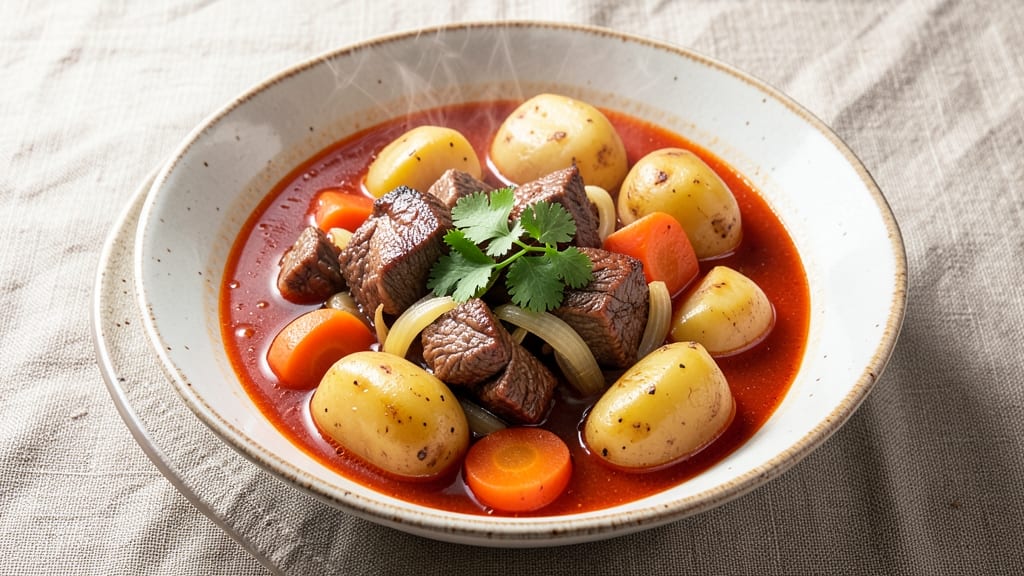
This beef molo soup recipe brings the comforting richness of Filipino home cooking to your kitchen with its velvety tomato-potato base. The secret lies in slow simmering beef until tender, while potatoes and carrots melt into a creamy, aromatic broth that feels like a warm embrace.
I've perfected this version to balance traditional flavors with modern convenience—no shortcuts, just deep, savory satisfaction in every spoonful.
The beauty of molo soup is its simplicity: just a few core ingredients working together to create something extraordinary. Beef chuck slow-cooks until fork-tender, while potatoes and carrots break down into a naturally creamy texture without heavy cream.
The magic happens in the seasoning—garlic, onions, and black peppercorns build complex layers of flavor that make this more than just soup; it's a meal in itself.
What you'll end up with is a steaming bowl of creamy, hearty goodness that's perfect for chilly evenings or family gatherings. The broth is rich yet not overly heavy, and the vegetables retain their natural sweetness while soaking up all that deep, meaty flavor.
This is the kind of soup that disappears quickly and leaves everyone asking for seconds.
Serve it with crusty bread to soak up every last drop of that velvety broth, or pair it with steamed rice for a complete Filipino-style meal. The recipe scales beautifully, so you can easily double it for larger gatherings. Let's get cooking—your taste buds will thank you.
Ingredients for beef molo soup
Just 12 ingredients transform into this creamy, velvety Filipino comfort classic.
| Ingredient | Amount | Notes |
|---|---|---|
| Beef Chuck Roast 🥩 | 1 ½ lb | Cut into 1-inch cubes |
| Russet Potatoes 🥔 | 2 lb | Peeled, cut into chunks |
| Carrots 🥕 | 1 ½ lb | Peeled, sliced into rounds |
| Canned Tomato Sauce 🍅 | 15 oz | San Marzano preferred |
| Yellow Onions 🧅 | 2 whole | Sliced into half-moons |
| Garlic Cloves 🧄 | 6 cloves | Minced for depth |
| Black Peppercorns 🌶️ | 1 tbsp | Crushed, not ground |
| Bay Leaves 🌿 | 2 whole | Remove before serving |
| Olive Oil 🫒 | ¼ cup | Extra-virgin for richness |
| Salt 🧂 | 1 ½ tsp | Kosher or sea salt |
| Fresh Parsley 🌿 | ¼ cup | Chopped for garnish |
| Hard-Rolled Wheat Flour 🌾 | 2 tbsp | For thickening if needed |
The beef is non-negotiable here—chuck roast breaks down beautifully, but brisket works too. Grab it pre-cubed from the meat counter to save time, or ask your butcher to do it for you. Costco or Whole Foods usually have great cuts. Potatoes and carrots should be firm and vibrant; avoid soft spots that mean they've been sitting too long. The tomato sauce? San Marzano is the gold standard, but any good-quality canned sauce will work—just taste it first. Skip the ones with added salt or sugar.
No San Marzano? Crushed tomatoes with a pinch of sugar gets you close. Fresh parsley wilt fast, so store it wrapped in damp paper towels. Dried parsley at half the amount works in a pinch, but fresh is worth the extra minute. The flour is just for thickening if needed—all-purpose works fine. Black peppercorns should be whole and aromatic; if they smell stale, toss them. For extra depth, toast the peppercorns in a dry pan for 30 seconds before adding them to the pot. The bay leaves add that classic herbal note—don't skip them, but remember to remove them before serving.
This soup tastes even better the next day as flavors meld. Keeps for 4-5 days in the fridge, and freezes beautifully for 3 months. I like to portion it into containers so lunches are ready to grab. The broth thickens as it cools, so add a splash of water or broth when reheating. Store the parsley separately if you're prepping ahead—it'll stay fresher longer. Double the recipe? It's perfect for meal prep or sharing with neighbors—this soup disappears fast.
Why You'll Love This Recipe
- One-Pot Magic: I swear by this recipe because it’s literally dump-and-simmer. Chuck roast goes tender in its own juices while potatoes and carrots soak up the sauce—no fancy techniques, just a big pot and patience. (Yes, even on a Tuesday night when I’d rather binge Netflix.)
- Rich Without Effort: That canned tomato sauce? It’s the secret weapon—deep, smoky, and it clings to every bite of beef like it’s been slow-cooked for hours. Between us, I’ve tried fancy reductions, but this? It’s the good stuff without the fuss.
- Feeds a Crowd (or Not): Make it once, eat it three times. The leftovers reheat like a dream, and it’s the kind of soup that tastes even better the next day. Honestly, I’ve served it at potlucks, family dinners, and lazy Sundays—no one ever complains.
- Budget Hero: Chuck roast on sale? Carrots and potatoes lasting weeks? This soup stretches every ingredient into maximum flavor. I’ll be real: it’s my go-to when groceries are tight, but somehow it still feels like a treat.
Step-by-step instructions for beef molo soup
Here's how to create a velvety tomato-potato beef soup with rich depth and comforting texture.
Sear the Beef Chuck Roast for Deep Flavor
Heat the 0.25 cup olive oil in a large Dutch oven over medium-high heat until shimmering. Pat the 1.5 lb beef chuck roast dry with paper towels and cut into 1-inch cubes. Working in batches, add the beef to the pot and sear for 2-3 minutes per side until deeply browned—this builds the flavor foundation. You'll see the meat release easily when properly browned.
Remove the beef with a slotted spoon and set aside. Don't drain the browned bits—they'll form the rich base of your soup. If the oil becomes too dark, discard half before continuing. This step is crucial for developing that deep, savory taste that makes Molo soup special.
Sauté Onions and Garlic for Aromatic Base
In the same Dutch oven, add the 2 whole yellow onions sliced into half-moons and cook for 5-6 minutes until softened and golden. Stir occasionally to prevent burning. Add the 6 cloves minced garlic cloves and cook for 30 seconds until fragrant—you should smell that sweet garlic aroma filling your kitchen.
Sprinkle the 1 tbsp crushed black peppercorns and 1.5 tsp salt over the onions and garlic, stirring to coat evenly. The peppercorns will infuse their warmth into the base, while the salt helps draw out moisture from the vegetables. This aromatic layer forms the flavor backbone of your soup.
Build the Creamy Tomato-Potato Foundation
Add the 2 lb russet potatoes cut into chunks and 1.5 lb carrots sliced into rounds to the pot. Pour in the 15 oz canned tomato sauce and add 3 cups water (or enough to cover the vegetables by about 1 inch). Stir well to combine, then add the 2 whole bay leaves.
Bring the mixture to a gentle boil, then reduce heat to medium-low and let it simmer for 20 minutes until the vegetables begin to soften. You'll notice the soup developing that characteristic creamy texture as the potatoes break down. This is where the magic happens—patience at this stage ensures that velvety consistency we're after.
Return Beef and Simmer to Perfection
Return the seared beef to the pot and add the 2 tbsp hard-rolled wheat flour, stirring gently to distribute evenly. Simmer the entire soup for another 45-50 minutes until the beef is fork-tender and the potatoes are completely soft. The soup should thicken slightly as it cooks, creating that perfect creamy texture without being gluey.
Taste and adjust seasoning if needed. The soup should be rich and savory, with the tomato sauce providing that signature depth. If it's too thick, add a splash of hot water. If it's too thin, you can remove the bay leaves and simmer uncovered for a few more minutes to reduce slightly. This final adjustment ensures the perfect consistency for serving.
Finish and Serve with Fresh Herbs
Remove the 2 whole bay leaves from the soup before serving. Ladle the hot soup into bowls and garnish each serving with 1 tablespoon chopped fresh parsley. The parsley adds a bright contrast to the rich, creamy soup and makes it look beautifully finished.
Serve immediately with crusty bread to soak up that delicious broth. Each spoonful should deliver tender beef, creamy potato and carrot chunks, and that perfect balance of tomato richness and aromatic spices. This is comfort food at its finest—warm, hearty, and deeply satisfying.
Pro Tips For Making Beef Molo Soup
- Brown the Chuck First: That beef chuck needs a deep, dark crust to build flavor—don’t just toss it in with the veggies. Cut the roast into 1.5-inch chunks, pat them dry, and sear in batches over medium-high heat with 1 tablespoon of oil until golden brown on all sides. I learned this the hard way: skipping the sear means a soup that tastes more like stewed beef than rich, caramelized molo.
- Peel and Slice Potatoes Evenly: Russets break down differently when cooked—uneven slices mean some turn to mush while others stay hard. Peel them first, then cut into 1-inch chunks all the same size (use a ruler if you’re picky). Drop them in cold water until you’re ready to cook to prevent browning, and drain right before adding to the pot. This keeps texture consistent, and nobody wants a soup with a "potato lottery."
- Deglaze with Tomato Sauce Early: After browning the beef, don’t just add water—pour in half the canned tomato sauce first and let it bubble for 2 minutes. This pulls up all those stuck-on fond bits (the flavor gold) and gives the soup a deeper, tangier base right from the start. I used to skip this, and the soup always tasted flat until I tried it.
- Add Carrots Last: Tossing in carrots with the potatoes means they’ll turn to mush while the potatoes soften. Instead, add them 15 minutes before the soup finishes so they stay firm and sweet. If you’re short on time, halve them lengthwise—less surface area means less chance of turning them into soup glop. (Yes, even if you’re impatient like me.)
Pro cooking tips for this recipe
Sear Like a Pro
Don’t rush the searing—this is where deep flavor develops. Use a large Dutch oven (I love my All-Clad) and work in batches if needed to avoid crowding.
The beef should sizzle loudly and develop a deep mahogany crust before removing. If your oil smokes excessively, reduce heat slightly—smoke means flavor loss. 🔥
Potato Magic
Russet potatoes are key for that signature creamy texture. Cut them into 1.5-inch chunks—this ensures even cooking without turning to mush. For extra creaminess, add 1 extra potato if your batch is small.
The starch released as they cook naturally thickens the broth without needing flour. Pro tip: Parboil them for 5 minutes before adding to the pot for even softer results.
Peppercorn Power
Crushed black peppercorns add warmth, but whole peppercorns (lightly crushed) release flavor more gradually. Toast them in a dry pan for 30 seconds before adding to deepen their aroma.
If you’re short on time, use ½ tsp ground black pepper—just know it’ll be more intense. The peppercorns should be freshly crushed for maximum impact.
Flour Finesse
The 2 tbsp flour is optional but helps thicken the soup if needed. Whisk it with 1 tbsp cold water first to create a slurry, then stir it into the simmering soup.
This prevents lumps and blends smoothly. If your soup thickens too much, add ¼ cup hot water to adjust consistency. The flour should dissolve completely within 5 minutes of simmering.
Bay Leaf Removal
Bay leaves can turn bitter if left too long. Remove them 10 minutes before serving to avoid this. Use a slotted spoon to fish them out—don’t strain the entire soup unless you want a smoother texture.
For extra flavor, add 1 extra bay leaf during the final 15 minutes of cooking. The leaves release their essence faster when fresh.
Garnish Game
Fresh parsley isn’t just for looks—it brightens the rich flavors. Chop it just before serving to keep it vibrant. For a restaurant-style touch, add a drizzle of high-quality olive oil (like Colavita) and a pinch of flaky sea salt on top.
A sprinkle of toasted breadcrumbs adds crunch if you’re feeling fancy. 🌿
Nutrition facts
Frequently asked questions
Can I substitute beef chuck roast with another cut?
Yes, but choose wisely! Beef brisket or short ribs work well—they're both flavorful and break down beautifully. Avoid lean cuts like sirloin; they won't become tender enough. For a quicker option, use pre-cut beef stew meat (about 1.5 lbs total), but increase cooking time by 10-15 minutes to ensure tenderness.
Why does my beef molo soup turn out too thin?
This usually happens when potatoes aren't cooked long enough or the broth isn't reduced properly. For extra thickness, simmer uncovered for 5-10 minutes longer to evaporate excess liquid. If it's still too thin, whisk 1 tbsp cornstarch with 2 tbsp cold water and stir into the soup until it thickens. The potatoes should be completely soft—cut them into slightly smaller chunks if needed.
Can I make this soup in an Instant Pot?
Sear the beef first, then add all ingredients except flour. Cook on high pressure for 30 minutes, then quick-release. The potatoes will break down more than in stovetop cooking, so you may need to add 1 extra potato for creaminess. Finish by stirring in the flour slurry and adjusting seasoning. Instant Pot versions cook 40% faster but require slightly more attention to texture.
What makes this different from regular beef stew?
The key differences are the tomato-potato base and black peppercorns. Traditional stews often use broth, while molo relies on tomato sauce and potatoes for natural creaminess. The peppercorns add warmth that's subtler than standard stew seasonings. Also, molo typically includes carrots and is served with crusty bread to soak up the rich broth—more of a meal than just a soup.
How can I make this soup ahead for meal prep?
This soup actually tastes better the next day as flavors meld! Cool it completely, then store in airtight containers for 4-5 days in the fridge. For freezing, portion into containers and freeze for up to 3 months. Thaw overnight in the fridge—never microwave from frozen. Reheat gently on the stove with a splash of water or broth to restore creaminess. The texture may thicken upon reheating, so adjust with extra liquid as needed.