
Soups & Stews
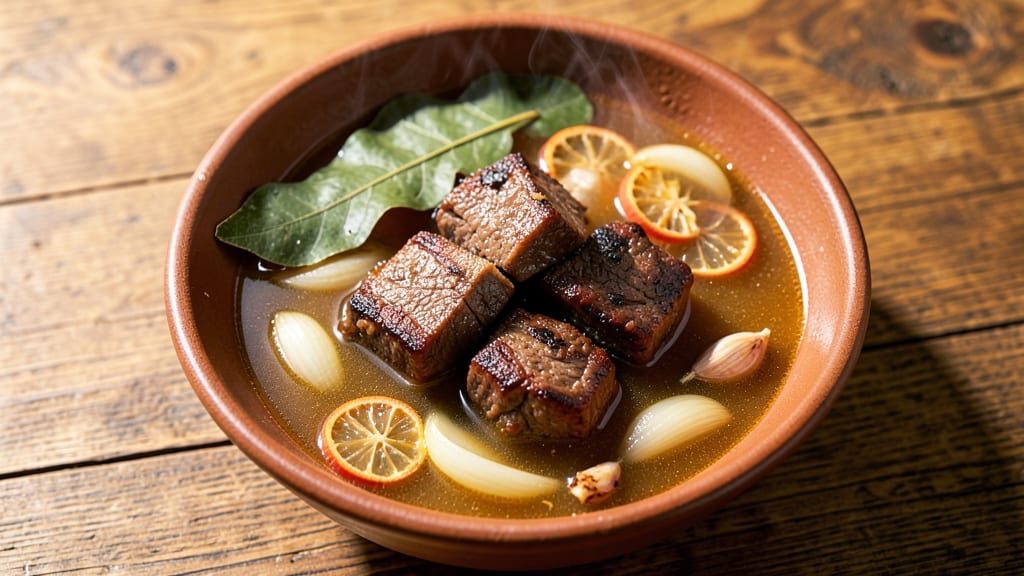
This beef nilaga soup recipe delivers the comforting, slow-simmered richness that makes it a Filipino family staple. The secret lies in hours of gentle cooking, where tough beef transforms into fork-tender pieces while absorbing the aromatic broth.
What begins as simple ingredients—beef chuck, garlic, onions, and bay leaves—becomes a deeply flavorful soup that warms both body and soul.
Traditional nilaga relies on a few key techniques: browning the beef for deep flavor, simmering low and slow to develop richness, and adding vegetables at just the right moment. The result is a broth so flavorful it coats every spoonful, with vegetables that stay perfectly tender.
This version keeps the classic approach while offering flexibility for modern preferences—think adding carrots or herbs for extra depth.
What you'll end up with is a steaming bowl of soup where each component—tender beef, crisp cabbage, and fluffy potatoes—works in harmony. The aroma alone will have everyone gathering around the table, and the first spoonful delivers that perfect balance of savory, slightly sweet, and umami-rich flavors.
It's the kind of meal that feels like home.
Perfect for family gatherings or cozy weeknight dinners, this nilaga soup scales beautifully. Serve it with steamed rice and crusty bread to soak up every last drop of that precious broth.
The best part? The longer it simmers, the more flavorful it becomes—making it ideal for meal prep or leftovers that taste even better the next day.
Ingredients for beef nilaga soup
Simple ingredients, hours of simmering, and a broth so rich it becomes the star of the meal.
| Ingredient | Amount | Notes |
|---|---|---|
| Beef Chuck Roast 🥩 | 2 ½ lb | Cut into 2-inch chunks |
| Yellow Onions 🧅 | 2 whole | Sliced into half-moons |
| Garlic Cloves 🧄 | 8 cloves | Minced for deep flavor |
| Fresh Ginger 🌿 | 1 ½ inch | Peeled and sliced thin |
| Bay Leaves 🍃 | 4 whole | Dried, for aromatic depth |
| Salt 🧂 | 1 ½ tsp | Kosher or sea salt |
| Black Peppercorns 🌶️ | 1 tsp | Freshly cracked preferred |
| Water 💧 | 8 cups | Enough to cover beef |
| Cabbage 🥬 | 1 small | Green cabbage, cut into wedges |
| Russet Potatoes 🥔 | 2 medium | Peeled and quartered |
| Carrots 🥕 | 3 whole | Baby carrots or sliced |
| Olive Oil 🫒 | 2 tbsp | For browning beef |
The beef is everything here—chuck roast cuts into tender chunks after hours of simmering. Look for good marbling at Costco or your local butcher shop; the fat renders into the broth for extra richness. Fresh ginger is key: buy it at an Asian market if possible, where it's often sold in those knobby roots. Skip the pre-grated stuff—it loses flavor fast. The bay leaves? Don’t skip them—they add that classic nilaga aroma. If you can't find dried, fresh works too, but double the amount.
No chuck roast? Brisket or short ribs work just as well—they hold up to long cooking. Running low on bay leaves? Thyme or oregano at half the amount gives a similar earthy note. The carrots can be swapped for turnips or parsnips if you're feeling adventurous. For extra depth, add a splash of soy sauce or fish sauce (just a tablespoon) about 30 minutes before the end. And if you're short on time, pressure cook it for 45 minutes instead of simmering all day—still delicious!
This soup tastes even better the next day—make a big batch and freeze portions for up to 3 months. Store the broth separately if you want to reheat just the liquid later. For serving, keep the cabbage crisp by adding it just before eating. The potatoes and carrots can be prepped ahead and stored in the fridge for 2 days—just toss them in when you're ready to finish cooking. Leftovers? Double the rice—it’s that good.
Why You'll Love This Recipe
- Foolproof Simplicity: I swear by this recipe because it’s the kind of meal that forgives mistakes. You just sear the beef chuck roast, toss in whole onions, garlic, and ginger (no need to peel the garlic—just smash it), and let it simmer. The bay leaves do all the heavy lifting—no fancy techniques required.
- Rich Without Effort: That first sip of broth? Pure satisfaction. The beef chuck roast turns tender and melts in your mouth, while the garlic and ginger infuse the broth with warmth. Honestly, the longer it simmers, the deeper the flavor—no need for fancy seasoning blends.
- Leftovers That Feel Fresh: This soup only gets better the next day. I make a big batch on Sundays, and by Wednesday, it’s still hearty and delicious. The beef stays juicy, and the broth thickens just enough—perfect for quick lunches or reheating for dinner.
- Budget-Friendly Comfort: A single beef chuck roast stretches for multiple meals, and the other ingredients are pantry staples. Between us, this is my go-to when I need a filling, nourishing meal without breaking the bank. Plus, it’s the kind of dish that makes even the simplest weeknight feel special.
Step-by-step instructions for beef nilaga soup
Here's how to create a deeply flavorful, melt-in-your-mouth beef nilaga that simmers to perfect tenderness.
Brown the Beef for Maximum Flavor
Heat a large Dutch oven over medium-high heat and add the 2 tablespoons olive oil. Working in batches, add the 2.5 lb beef chuck roast cut into 2-inch chunks, letting them sear undisturbed for 3-4 minutes per side until they develop a deep golden-brown crust. This step builds incredible depth of flavor that water alone can't achieve.
As you brown each batch, remove the cooked beef and set it aside in a bowl. Don't crowd the pan—this ensures proper searing rather than steaming. You'll know it's ready when the beef releases easily from the pan and has developed a rich caramelized exterior. This browning creates the foundation for your soup's rich, meaty flavor.
Sauté Aromatics for Layered Depth
In the same Dutch oven, add the 2 whole yellow onions sliced into half-moons and cook for 5-6 minutes until softened and beginning to caramelize. Add the 8 cloves garlic minced and the 1.5-inch fresh ginger sliced thin, cooking for another 1-2 minutes until fragrant—this releases their essential oils that will infuse the entire soup.
Here's where the magic happens: Add the 4 whole bay leaves, 1.5 teaspoons salt, and 1 teaspoon black peppercorns (cracked if using whole). Stir everything together for 30 seconds to combine all those aromatic flavors. The bay leaves will add that classic herbal note that defines nilaga, while the peppercorns provide just the right amount of warmth.
Simmer the Beef Until Fork-Tender
Return all the browned beef to the pot and pour in the 8 cups water. Bring to a gentle boil, then immediately reduce heat to low-medium and cover partially. Let it simmer uncovered for 1 hour 30 minutes—this is where patience pays off. You'll know it's ready when a knife slides into the beef with virtually no resistance and the meat pulls apart easily.
Real talk: Don't rush this step. The beef needs time to break down into tender, melt-in-your-mouth pieces. If the liquid reduces too much before the beef is tender, add ½ cup hot water at a time. The soup should have a rich, meaty broth with just enough liquid to coat the vegetables we'll add next.
Add Vegetables for Perfect Texture Balance
Peel and quarter the 2 medium russet potatoes, slice the 3 whole carrots into ½-inch rounds, and cut the 1 small cabbage into wedges. Add these to the pot and simmer uncovered for another 20-25 minutes until all vegetables are tender but still hold their shape—potatoes should be fork-tender, carrots slightly crisp, and cabbage just wilted but still bright green.
Here's the thing about nilaga: the vegetables should be cooked just until they reach perfect tenderness. Overcooking turns them mushy, while undercooking leaves them crunchy. Taste-test the potatoes after 20 minutes—they should be soft enough to pierce with a fork but still offer a slight bite. The carrots and cabbage will follow suit, creating that beautiful textural contrast in every spoonful.
Adjust Seasoning and Serve Warm
Remove the 4 bay leaves and taste the broth. Adjust seasoning with additional salt if needed—nilaga should be rich and savory without being salty. The vegetables should absorb some of that meaty flavor, creating a harmonious blend of beef, vegetables, and aromatic spices in every bite.
Serve immediately with steamed rice to soak up that delicious broth. Each spoonful should deliver tender beef, perfectly cooked vegetables, and a broth so flavorful it practically tastes like it's been simmering all day. This is the kind of comforting, home-style meal that makes people ask for seconds before they even finish their first bowl.
Pro Tips For Making Beef Nilaga Soup
- Brown the Beef First: Don’t skip the sear—get that chuck roast deep golden on all sides before adding liquid. I learned this the hard way when my soup tasted bland; the Maillard reaction adds depth that simmering alone can’t replicate. Use medium-high heat and about 5 minutes per side, even if it looks uneven.
- Peel and Slice Ginger Thin: Skip the grating—thinly slice fresh ginger (about 1/8-inch thick) for even distribution and easier removal later. Over time, I realized grating releases too much bitterness, while slices let you taste the bright, zesty notes without overpowering. Toss them in early, but fish them out after 45 minutes of simmering.
- Don’t Rush the Simmer: Low and slow is non-negotiable—keep the heat at a bare simmer (small bubbles, occasional gentle rolls) for at least 3 hours, or until the beef falls apart. I used to crank the heat to speed things up, but the meat turned tough and the broth cloudy. Patience here makes the difference between a rich, velvety soup and a sad, watery one.
- Use Two Onions: One for flavor, one for texture—chop one onion finely for the broth, and slice the second into thick wedges to add later. The wedges soften beautifully and give the soup body, while the finely chopped onion builds a deeper base. Trust me, your soup will taste more layered than if you just dice one.
Pro cooking tips for this dish
Slow Cooking Secrets
Nilaga soup shines when you embrace the slow-cook method—this isn't a quick meal, it's a labor of love. Start with a large Dutch oven (I swear by All-Clad) and maintain a gentle simmer at 190-200°F for the beef.
The key is patience: 1.5-2 hours of simmering transforms tough beef into melt-in-your-mouth perfection. Use a meat thermometer to check doneness at 203°F—this ensures tender results every time. 💫
Vegetable Timing Tricks
Vegetables need precise timing to avoid mushiness. Add potatoes and carrots first (they take 20-25 minutes to soften), then cabbage in the final 5 minutes to keep it crisp. For extra flavor, parboil the veggies for 3 minutes before adding them to the soup—this jumpstarts cooking and preserves texture.
Pro tip: Use waxy potatoes like Yukon Gold for best results.
Broth Flavor Boosters
Elevate your broth with umami-rich additions like 1 tbsp soy sauce or ½ cup tomato paste (cooked with the aromatics). For depth, add 1-inch piece of kombu seaweed while simmering—it dissolves completely but infuses oceanic richness.
If you're feeling adventurous, finish with 1 tsp fish sauce just before serving for that classic Filipino touch.
Equipment Essentials
Your Dutch oven is non-negotiable—Le Creuset or Lodge cast iron are my go-tos for even heat distribution. A fine-mesh strainer helps remove bay leaves cleanly, and a wooden spoon prevents scratching your pot.
For extra insurance, use parchment paper under the lid to prevent condensation from dripping back into the broth.
Make-Ahead Magic
Nilaga tastes even better the next day—double the recipe and store in an airtight container for up to 4 days in the fridge. The flavors meld beautifully overnight!
For freezer storage, portion into quart-sized bags with 1-inch headspace to prevent ice crystals. Reheat gently on the stovetop with ½ cup water to restore richness. 🔥
Troubleshooting Tips
If your broth is too thin, reduce it uncovered on medium heat for 10-15 minutes—just don't let it boil. For tough beef, extend simmering by 30 minutes or add ½ cup beef broth to help break it down.
Overly salty? Balance with 1 tbsp lemon juice or extra vegetables to dilute the flavor. And if your cabbage turns limp, add it later—it reheats beautifully!
Nutrition facts
Frequently asked questions
Can I use a different cut of beef for nilaga?
While chuck roast is ideal for its marbling and tenderness, you can use brisket, short ribs, or even beef shank. The key is choosing cuts with good fat content—they'll render beautifully into the broth. For quicker cooking, opt for beef stew meat (about 1-inch cubes) and reduce simmering time to 1 hour. Just monitor the liquid level and add water if needed.
Why does my nilaga broth turn cloudy?
Cloudy broth usually means the soup hasn't simmered long enough or the fat hasn't properly rendered. For clearer broth, skim off any foam that forms during the first 15 minutes of simmering, then add 1 bay leaf and 1 tsp white vinegar (helps clarify naturally). If using a pressure cooker, reduce pressure to low immediately after cooking to prevent cloudiness from rapid temperature changes.
Can I make nilaga without bay leaves?
Yes, but the flavor will differ slightly. Replace 4 bay leaves with 1 tsp dried thyme or oregano for a similar earthy note, or use 2 sprigs fresh thyme. For a more aromatic profile, add ½ tsp ground allspice or 1 cinnamon stick (remove before serving). The classic nilaga aroma comes from bay leaves, but these alternatives work well in a pinch.
How do I prevent the beef from falling apart in the broth?
Start by searing the beef thoroughly to create a protective crust, then simmer at a gentle boil (small bubbles, not rolling). Use a meat thermometer—remove beef at 195°F internal temp, then let it rest 10 minutes before adding to the broth. For extra insurance, add the beef back to the pot just 5 minutes before serving to reheat without overcooking.
What's the best way to serve nilaga?
Traditionally, nilaga is served with steamed white rice and a side of crusty bread for soaking up the rich broth. For extra presentation, garnish with fresh cilantro or green onions and serve with calamansi or lemon wedges on the side. The broth is so flavorful it's often enjoyed as a standalone soup—just ladle it over rice for the ultimate comfort meal!