
Soups & Stews
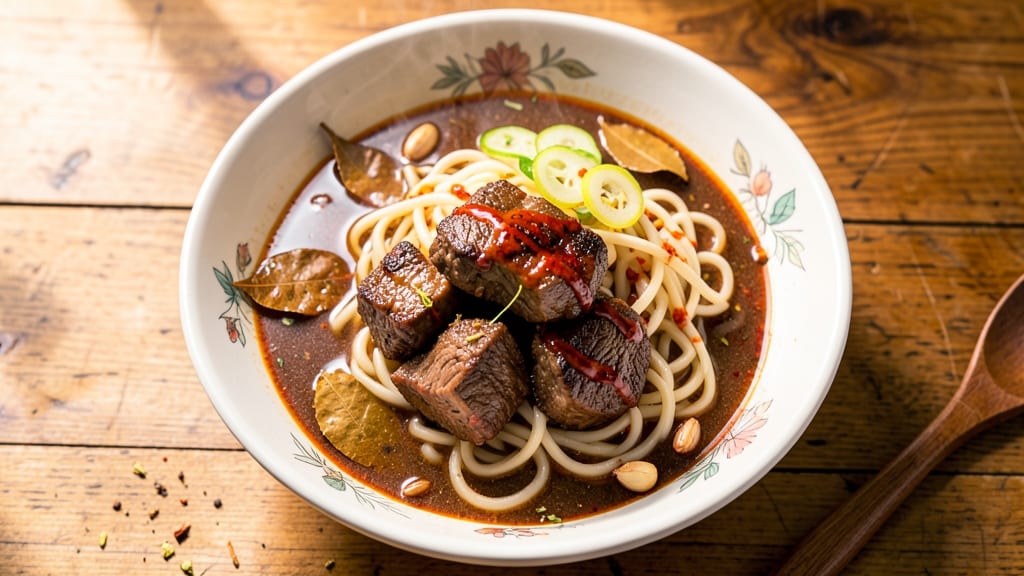
This Filipino beef noodle soup recipe delivers the comforting, aromatic essence of home—where tender beef, silky broth, and chewy egg noodles create a symphony of flavors. 🌟 Inspired by classic Filipino soups like sinigang and beef kare-kare, this version balances tangy, savory, and umami notes for a dish that feels both nostalgic and refined.
The secret lies in a slow-simmered broth infused with garlic, ginger, and bay leaves, while the egg noodles absorb every layer of flavor without losing their satisfying bite.
What sets this recipe apart is its adaptability—whether you're using a quick broth method or traditional long simmering, the result is a rich, velvety base that cradles tender beef chunks and fresh vegetables.
The addition of optional garnishes like green onions, calamansi (Filipino lime), or chili oil adds brightness and heat, letting you customize each bowl to taste.
Perfect for weeknight dinners or family gatherings, this soup is as hearty as it is elegant, proving that comfort food can be both simple and extraordinary.
The process is straightforward but rewarding: sear the beef for deep flavor, simmer the broth until fragrant and rich, and cook the noodles just until they're tender yet still hold their shape.
The final assembly is where the magic happens—each spoonful delivers a balance of textures and tastes that make this more than just soup. It's a taste of home, a moment of warmth, and a dish that invites everyone to the table.
Serve with steamed rice or crusty bread to soak up every last drop of that silky broth. This recipe isn't just about the ingredients—it's about the love poured into every step, from the sizzle of the beef in the pot to the first sip of that fragrant, comforting broth.
Let's get cooking!
Ingredients for beef noodle soup filipino
Tender beef, aromatic broth, and chewy egg noodles—this Filipino classic delivers comfort in every spoonful.
| Ingredient | Amount | Notes |
|---|---|---|
| Chuck Roast 🥩 | 1 ½ lb | Cut into 1-inch cubes |
| Egg Noodles 🍜 | 12 oz | Thick, chewy variety |
| Yellow Onions 🧅 | 2 whole | Thinly sliced |
| Garlic Cloves 🧄 | 8 cloves | Minced |
| Fresh Ginger 🌿 | 1 ½ tbsp | Grated, peeled |
| Bay Leaves 🍃 | 2 whole | Dried |
| Beef Broth 💧 | 6 cups | Low-sodium preferred |
| Tomatoes 🍅 | 2 whole | Ripe, quartered |
| Carrots 🥕 | 2 whole | Peeled, sliced |
| Potatoes 🥔 | 1 lb | Russet, cubed |
| Soy Sauce 🍶 | 2 tbsp | Light or regular |
| Calamansi Juice 🍋 | 2 tbsp | Or substitute lime juice |
| Olive Oil 🫒 | 2 tbsp | For searing |
| Salt 🧂 | 1 ½ tsp | Kosher or sea salt |
| Black Pepper 🌶️ | ½ tsp | Freshly ground |
The chuck roast is non-negotiable for that melt-in-your-mouth texture. Costco or Trader Joe's usually carry pre-cut cubes, but if you're buying whole, look for good marbling. The egg noodles should be the thick, chewy kind—Asian markets carry them in bulk, or check the pasta aisle at Walmart. Fresh ginger and garlic are essential for that authentic aroma, so don't skip them. For the broth, Swanson or Pacific Foods low-sodium options work well, but homemade beef stock is ideal if you have time. The tomatoes add natural sweetness, so pick ripe ones from the produce section.
No calamansi? Lime juice works perfectly—just use the same amount. Running short on beef broth? Water plus 2 beef bouillon cubes gets you close. The potatoes can be swapped for sweet potatoes if you prefer, though they'll change the flavor slightly. For extra umami, add 1 tbsp fish sauce (optional but traditional). The carrots can be baby carrots if that's what's in your fridge—no need to peel them. If you're using dried bay leaves, make sure they're food-grade quality—the cheap ones can taste bitter.
This soup tastes even better the next day as flavors meld. Store in an airtight container in the fridge for up to 4 days or freeze for 3 months. I always double the recipe—leftover portions make quick lunches. The noodles can be cooked ahead and reheated in the broth, or served separately to avoid mushiness. For extra richness, reserve some broth and reduce it to make a quick pan sauce to drizzle on top before serving.
Why You'll Love This Recipe
- One-Pot Magic: I swear by this—just brown the chuck roast, toss in onions, garlic, and ginger, then let it slow-cook. No extra pots, no fuss, and the broth thickens right in the pan while you prep the noodles.
- Ginger-Garlic Bomb: That first spoonful of broth? Pure flavor payoff. The ginger and garlic caramelize into something deep and warm, while the chuck roast melts into tender, juicy shreds—no need for fancy seasonings, just honest, bold taste.
- Meal Prep MVP: Between us, this is my lazy Sunday secret. Cook a big batch, and you’ve got lunch for three days (or freeze half for when you’re too tired to think). The noodles stay al dente even reheated—just add hot water.
- Budget Beef Boost: Chuck roast is cheap, but it feels like a splurge. A single cut stretches into six servings, and the noodles? A dollar bag lasts ages. Honestly, it’s the kind of recipe that makes grocery day less stressful.
Step-by-step instructions for Filipino beef noodle soup
This method delivers a rich, aromatic broth with tender beef and chewy noodles every time.
🔥 Step 1: Sear the Chuck Roast for Deep Flavor
Heat a large Dutch oven over medium-high heat and add the 2 tablespoons olive oil. Once shimmering, add the 1.5 lb chuck roast cut into 1-inch cubes in a single layer. Let them sear undisturbed for 3-4 minutes until developing a deep golden crust.
This initial searing creates the Maillard reaction that forms the foundation of the soup's rich flavor. Don't crowd the pan—work in batches if needed. Once browned on all sides, remove the beef and set aside temporarily. You'll notice the meat releases its juices into the pot, which will later form the silky broth.
👨🍳 Step 2: Build the Aromatic Base
In the same Dutch oven, add the 2 whole yellow onions sliced thinly and cook for 5 minutes until softened and translucent. Add the 8 cloves minced garlic and 1.5 tablespoons grated fresh ginger, stirring constantly for 30 seconds until fragrant—this prevents burning.
Next, add the 2 whole bay leaves and the 2 whole tomatoes quartered. Cook for another 3 minutes until the tomatoes begin to break down and release their juices. The bay leaves will infuse subtle earthy notes into the broth, while the tomatoes add natural acidity that balances the richness.
🥘 Step 3: Simmer the Vegetables and Potatoes
Pour in the 6 cups beef broth and bring to a gentle boil. Add the 2 whole carrots sliced and 1 lb potatoes cubed. Reduce heat to low-medium and let simmer uncovered for 15 minutes until the vegetables are tender but not mushy.
Here's the thing—you want the potatoes to maintain some structure so they don't turn to mush. Stir occasionally to prevent the potatoes from sticking to the bottom. The broth should be developing a rich, caramelized color from the seared beef and vegetables.
🍳 Step 4: Finish the Broth with Signature Flavors
Return the seared beef to the pot along with the 2 tablespoons soy sauce and 2 tablespoons calamansi juice. Add the 1.5 teaspoons salt and 0.5 teaspoon black pepper, then bring back to a gentle simmer. Let it cook uncovered for another 30 minutes to allow all the flavors to meld together.
The calamansi juice adds that signature tangy brightness that sets Filipino beef noodle soup apart. Taste the broth and adjust seasoning if needed—you might need a touch more salt or soy sauce to balance the flavors. The beef should be fork-tender at this point, easily pulling apart with a fork.
⏰ Step 5: Cook the Noodles and Assemble
In a separate pot, bring 8 cups water to a rolling boil and add the 12 oz egg noodles. Cook according to package instructions until al dente—usually about 4-5 minutes. Drain and set aside, reserving ½ cup pasta water in case needed later.
To serve, divide the cooked noodles among bowls. Ladle the hot beef broth over the noodles, ensuring each serving gets plenty of beef and vegetables. The broth should be rich and silky, coating the noodles perfectly. If it's too thick, add a splash of the reserved pasta water to reach your desired consistency.
Pro Tips For Making Beef Noodle Soup Filipino
- Sear the Chuck Roast Hard: This isn’t a gentle simmer starter—crank your pan to medium-high and let that chuck roast develop a deep brown crust before adding any liquid. I used to rush this, and the broth stayed pale and weak. Two minutes per side, no crowding, or you’ll steam it instead of sear it.
- Slice Ginger Thinly, Not Chunky: Skip the thick slabs—grate or julienne that ginger into paper-thin strips so it dissolves completely into the broth. Thick pieces just sit there like sad, undercooked wood chips. Your future self will notice the difference in every sip.
- Don’t Boil the Noodles Dry: Filipino beef noodle soup needs al dente noodles—cook them just until they float, then drain and shock in ice water for 30 seconds. Tossing them straight into the hot broth finishes them perfectly without turning them to mush. (Yes, even if you’re impatient like me.)
- Bloom Garlic in Oil First: Toss those minced garlic cloves into the pot before adding liquid and let them sizzle for 30 seconds until fragrant. This builds flavor that just dissolving them in broth won’t match. Resist the urge to rush—burnt garlic ruins everything.
Troubleshooting great beef noodle soup filipino
Broth Too Thin?
If your broth isn't thick enough, simmer uncovered for an extra 10-15 minutes—this reduces liquid while concentrating flavors. For quicker results, remove the beef and vegetables, then simmer the broth alone on medium-high heat until reduced by 1 cup.
Just don't overdo it, or the noodles will absorb too much liquid. 💧
Beef Still Tough?
Chuck roast needs patience—if yours isn't tender after 30 minutes, add ½ cup water and cover the pot. Let it simmer on low heat for another 30-45 minutes.
The extra moisture keeps the broth from drying out while the beef breaks down. For extra tenderness, try adding 1 tsp baking soda to the broth (trust me, it works!).
Noodles Mushy?
Overcooked noodles ruin the texture. Cook them 1 minute less than package instructions, then finish cooking in the hot broth. The residual heat will tenderize them perfectly. If they're already mushy, drain and rinse under cold water immediately.
For a chewier bite, use fresh egg noodles from Asian markets—they hold up better than dried varieties.
Broth Too Salty?
If your broth tastes overpowering, add ½ cup water and 1 tbsp milk (dairy or plant-based) to dilute the salt. The milk also adds creaminess. For a more traditional fix, stir in 1 tbsp tomato paste—it mellows the salt while adding depth.
Taste frequently, as adjustments may be needed in small increments.
Vegetables Overcooked?
Potatoes and carrots should stay firm—if they're turning to mush, reduce simmering time to 10 minutes and add them later. For extra control, parboil vegetables for 3 minutes before adding to the broth. This ensures they're tender without disintegrating. Baby carrots and small potatoes cook faster, so adjust timing accordingly.
Lacking Umami?
Boost depth with 1 tbsp fish sauce or 1 tsp soy sauce if your broth tastes flat. For a vegetarian option, add 1 tsp mushroom powder or ½ cup diced mushrooms while simmering.
A splash of calamansi juice (or lime) also brightens flavors. The key is balance—start with small amounts and adjust to taste.
Nutrition facts
Frequently asked questions
Can I use ground beef instead of chuck roast for this Filipino beef noodle dish?
Ground beef works in a pinch, but it won't give you the same rich, melt-in-your-mouth texture. For best results, stick with chuck roast cut into 1-inch cubes—it stays tender while developing deep flavor. If you must use ground beef, brown it first, then simmer for 15-20 minutes longer to ensure full flavor extraction.
What's the best way to make this soup spicier?
Add 1-2 tablespoons of chili oil or 1-2 slices of fresh chili (like siling labuyo) while simmering the broth. For heat lovers, stir in ½ teaspoon ground black pepper or 1 teaspoon chili flakes at the end. Remember, you can always add more, but you can't remove excess heat!
How do I make this recipe vegetarian?
Replace the beef with 1 lb firm tofu or 1 lb mushrooms (like shiitake or portobello). Use vegetable broth instead of beef broth and add 1 tbsp soy sauce plus 1 tsp mushroom powder for umami. The calamansi juice and bay leaves will still give that authentic Filipino tang and aroma.
Can I prepare this soup ahead of time?
This soup actually tastes better the next day as flavors meld! Store in an airtight container in the fridge for up to 4 days. Reheat gently on the stove, adding a splash of water if the broth thickens too much. For freezing, assemble the soup (without noodles), cool completely, then freeze for up to 3 months. Cook noodles fresh when serving.
What's the difference between this and regular beef noodle soup?
This Filipino version stands out with its calamansi juice (or lime) for tanginess, bay leaves for earthy depth, and soy sauce for umami. Traditional Filipino beef noodle soup also often includes potatoes and carrots for heartiness, while many Western versions use chicken broth and less acidity. The egg noodles here are thicker and chewier than wheat noodles.